Anthony R. DelDonna – författare
Visar alla böcker från författaren Anthony R. DelDonna. Handla med fri frakt och snabb leverans.
20 produkter
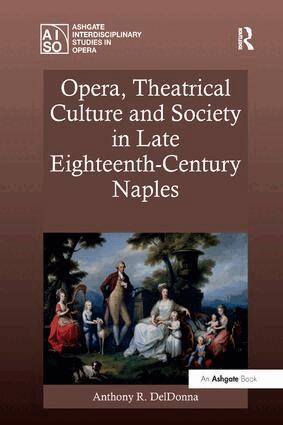
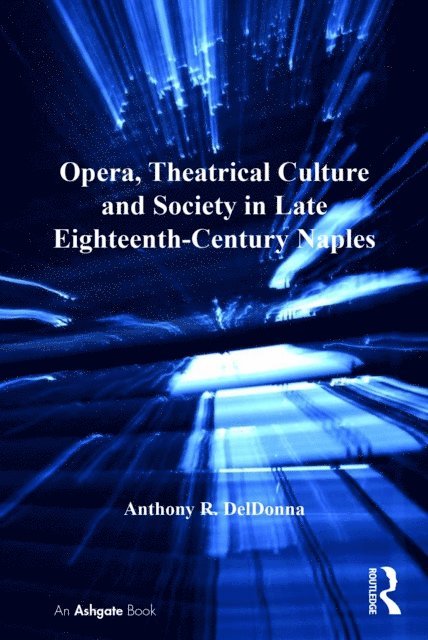
Opera, Theatrical Culture and Society in Late Eighteenth-Century Naples
Häftad, 2016
949 kr
Lägg i varukorg
The operatic culture of late eighteenth-century Naples represents the fullest expression of a matrix of creators, practitioners, theorists, patrons, and entrepreneurs linking aristocratic, public and religious spheres of contemporary society. The considerable resonance of 'Neapolitan' opera in …
The Orchestra of the Cappella Reale, Naples, 1750-1800
Häftad, 2025
311 kr
Lägg i varukorg
The most prestigious musical ensemble of early-modern Naples remained the Royal Chapel or Cappella Reale di Palazzo. Conceived to serve directly the ruling authority of the capital city - whether the viceroy (Spanish or Austrian) or monarchs (Carlo di Borbone then Ferdinando) - membership in this …
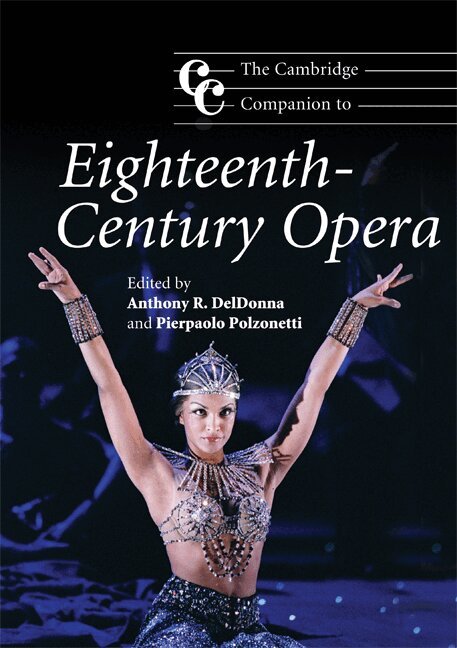
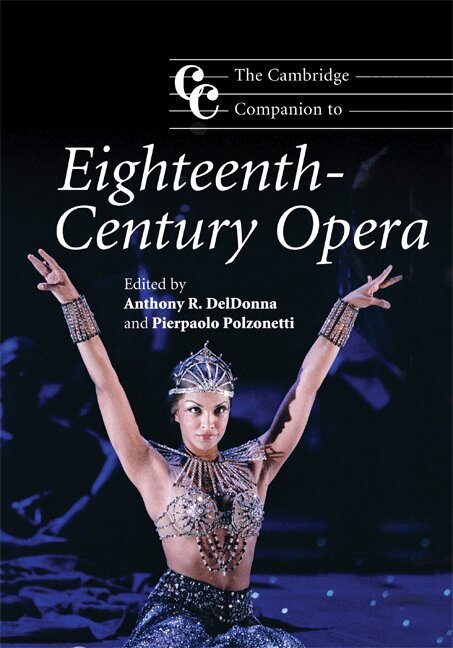
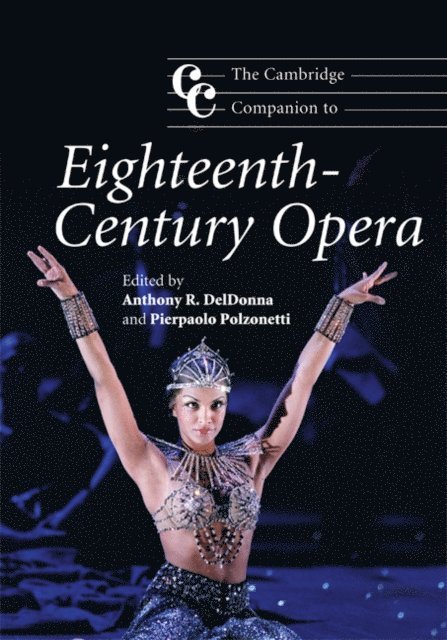
The Cambridge Companion to Eighteenth-Century Opera
Av Anthony R. DelDonna, Pierpaolo Polzonetti
Häftad, 2009
435 kr
Lägg i varukorg
Reflecting a wide variety of approaches to eighteenth-century opera, this Companion brings together leading international experts in the field to provide a valuable reference source. Viewing opera as a complex and fascinating form of art and social ritual, rather than reducing it simply to music …
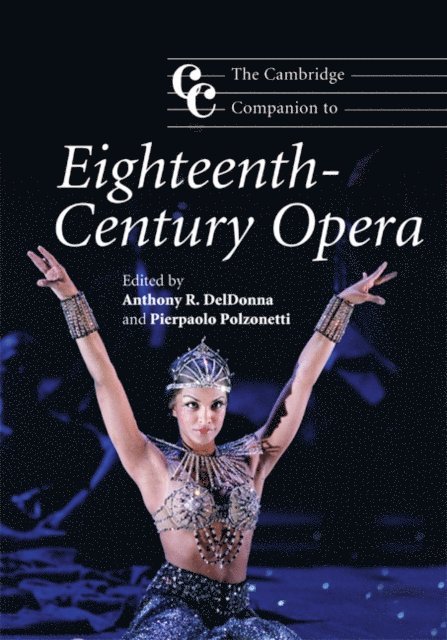
The Cambridge Companion to Eighteenth-Century Opera
Av Anthony R. DelDonna, Pierpaolo Polzonetti
Inbunden, 2009
1341 kr
Lägg i varukorg
Reflecting a wide variety of approaches to eighteenth-century opera, this Companion brings together leading international experts in the field to provide a valuable reference source. Viewing opera as a complex and fascinating form of art and social ritual, rather than reducing it simply to music …
Naples, Capital of Dance
The 'feste di ballo' Tradition in the Long Eighteenth Century
E-bok, 2025
1511 kr
Lägg i varukorg
Naples, Capital of Dance
The 'feste di ballo' Tradition in the Long Eighteenth Century
E-bok, 2025
1478 kr
Lägg i varukorg
Naples, Capital of Dance
The 'feste di ballo' Tradition in the Long Eighteenth Century
Inbunden, 2025
1526 kr
Lägg i varukorg
Renowned as a city of entertainment, Naples was unequaled in eighteenth-century Italy for the diversity of its musical life. During the reigns of Carlo di Borbone and his heir Ferdinando IV, the sponsorship of feste di ballo, elaborate celebratory balls featuring social dance such as the minuet and …
The Orchestra of the Cappella Reale, Naples, 1750-1800
Inbunden, 2025
938 kr
Lägg i varukorg
The most prestigious musical ensemble of early-modern Naples remained the Royal Chapel or Cappella Reale di Palazzo. Conceived to serve directly the ruling authority of the capital city - whether the viceroy (Spanish or Austrian) or monarchs (Carlo di Borbone then Ferdinando) - membership in this …
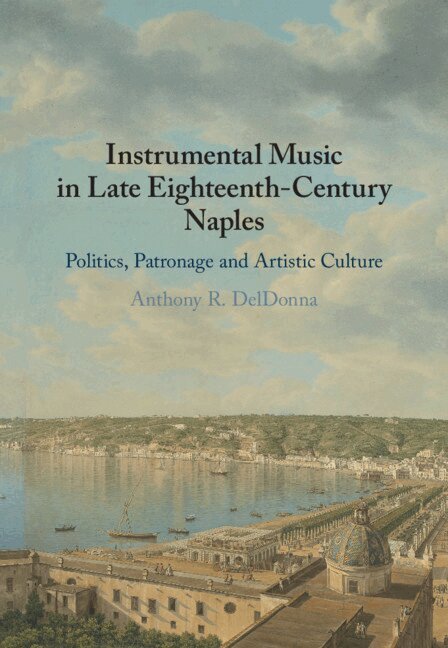
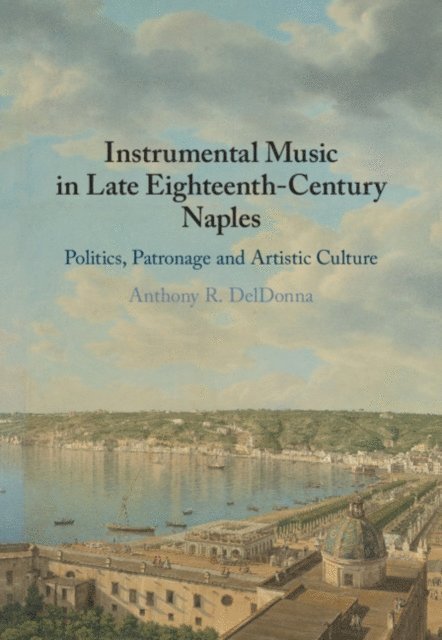
Instrumental Music in Late Eighteenth-Century Naples
Politics, Patronage and Artistic Culture
Inbunden, 2020
1444 kr
Lägg i varukorg
The music of early modern Naples and its renowned artistic traditions remain a fruitful area for scholars in eighteenth-century studies. Contemporary social, political, and artistic conditions had stimulated a significant growth of music, musicians and culture in the Kingdom of Naples from the …
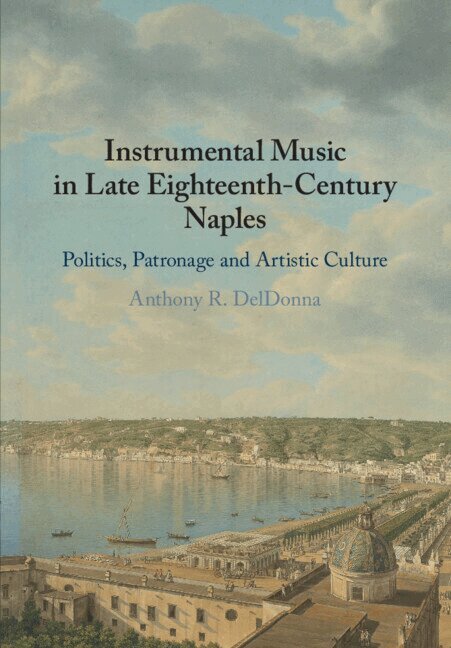
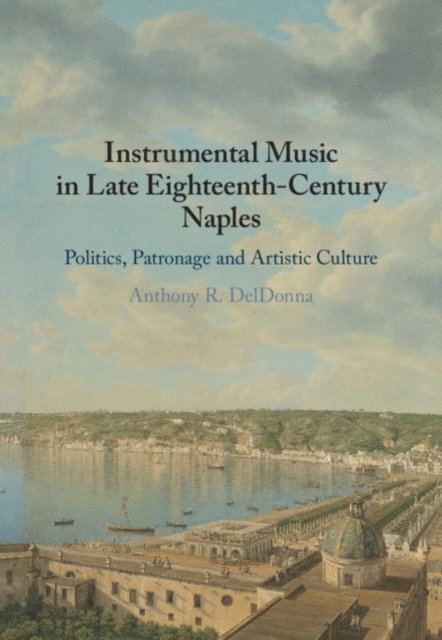
Instrumental Music in Late Eighteenth-Century Naples
Politics, Patronage and Artistic Culture
Häftad, 2022
468 kr
Lägg i varukorg
The music of early modern Naples and its renowned artistic traditions remain a fruitful area for scholars in eighteenth-century studies. Contemporary social, political, and artistic conditions had stimulated a significant growth of music, musicians and culture in the Kingdom of Naples from the …
Instrumental Music in Late Eighteenth-Century Naples
Politics, Patronage and Artistic Culture
E-bok, 2020
454 kr
Lägg i varukorg
The music of early modern Naples and its renowned artistic traditions remain a fruitful area for scholars in eighteenth-century studies. Contemporary social, political, and artistic conditions had stimulated a significant growth of music, musicians and culture in the Kingdom of Naples from the …
Instrumental Music in Late Eighteenth-Century Naples
Politics, Patronage and Artistic Culture
E-bok, 2020
454 kr
Lägg i varukorg
The music of early modern Naples and its renowned artistic traditions remain a fruitful area for scholars in eighteenth-century studies. Contemporary social, political, and artistic conditions had stimulated a significant growth of music, musicians and culture in the Kingdom of Naples from the …
Cambridge Companion to Eighteenth-Century Opera
Av Pierpaolo Polzonetti, Anthony R. DelDonna
E-bok, 2009
420 kr
Lägg i varukorg
Reflecting a wide variety of approaches to eighteenth-century opera, this Companion brings together leading international experts in the field to provide a valuable reference source. Viewing opera as a complex and fascinating form of art and social ritual, rather than reducing it simply to music …
Cambridge Companion to Eighteenth-Century Opera
Av Pierpaolo Polzonetti, Anthony R. DelDonna
E-bok, 2009
420 kr
Lägg i varukorg
Reflecting a wide variety of approaches to eighteenth-century opera, this Companion brings together leading international experts in the field to provide a valuable reference source. Viewing opera as a complex and fascinating form of art and social ritual, rather than reducing it simply to music …
Opera, Theatrical Culture and Society in Late Eighteenth-Century Naples
E-bok, 2016
999 kr
Lägg i varukorg
The operatic culture of late eighteenth-century Naples represents the fullest expression of a matrix of creators, practitioners, theorists, patrons, and entrepreneurs linking aristocratic, public and religious spheres of contemporary society. The considerable resonance of ''Neapolitan'' opera in …
Opera, Theatrical Culture and Society in Late Eighteenth-Century Naples
E-bok, 2016
999 kr
Lägg i varukorg
The operatic culture of late eighteenth-century Naples represents the fullest expression of a matrix of creators, practitioners, theorists, patrons, and entrepreneurs linking aristocratic, public and religious spheres of contemporary society. The considerable resonance of ''Neapolitan'' opera in …
Opera, Theatrical Culture and Society in Late Eighteenth-Century Naples
Inbunden, 2012
2586 kr
Lägg i varukorg
The operatic culture of late eighteenth-century Naples represents the fullest expression of a matrix of creators, practitioners, theorists, patrons, and entrepreneurs linking aristocratic, public and religious spheres of contemporary society. The considerable resonance of 'Neapolitan' opera in …
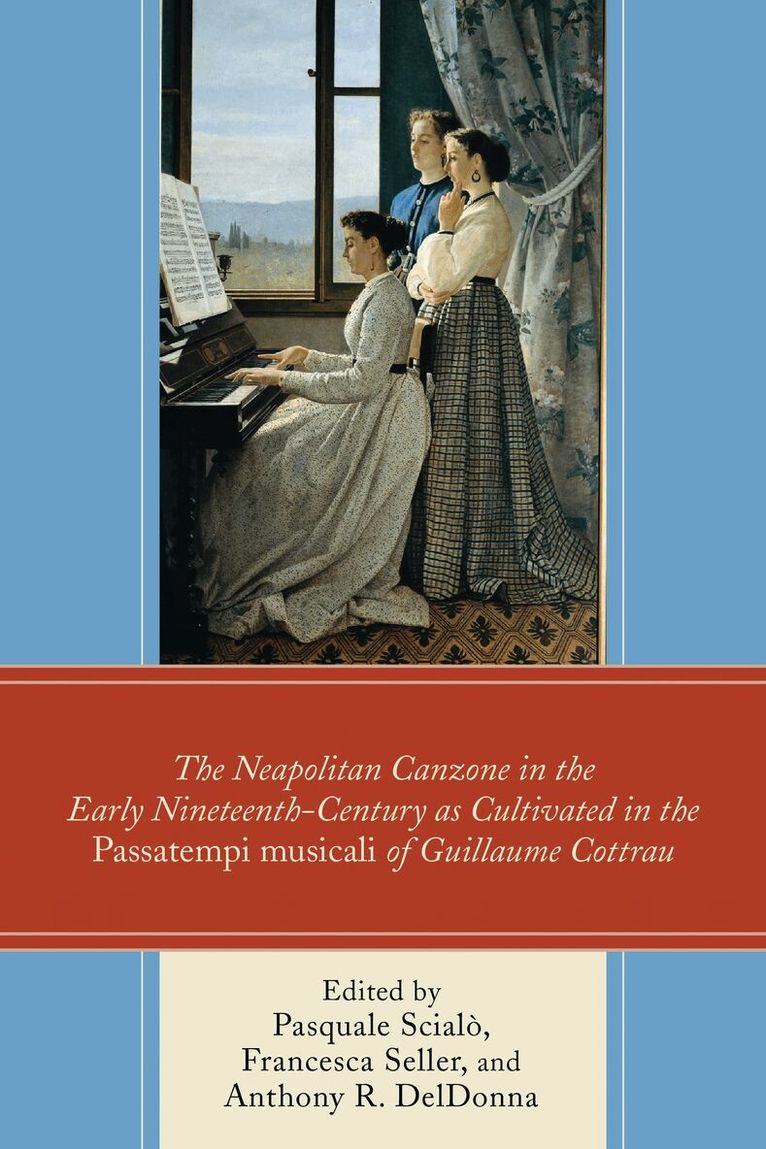
Neapolitan Canzone in the Early Nineteenth Century as Cultivated in the Passatempi musicali of Guillaume Cottrau
Av Pasquale Scialò, Francesca Seller m. fl.
Inbunden, 2015
1240 kr
Lägg i varukorg
This volume is a multi-disciplinary study of the Neapolitan tradition of nineteenth-century song or “Canzona napoletana.” It is based on primary (original music manuscripts) and secondary (correspondence, diaries, and varied historical materials) sources recovered from Neapolitan archives, …