Antoine de Baecque - Böcker
Visar alla böcker från författaren Antoine de Baecque. Handla med fri frakt och snabb leverans.
10 produkter
10 produkter
1 302 kr
Skickas inom 7-10 vardagar
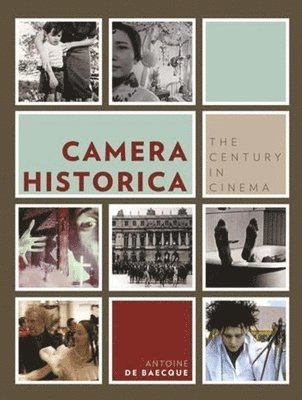
Antoine de Baecque proposes a new historiography of cinema, exploring film as a visual archive of the twentieth century, as well as history's imprint on the cinematic image. Whether portraying events that occurred in the past or stories unfolding before their eyes, certain twentieth-century filmmakers used a particular mise-en-scene to give form to history, becoming in the process historians themselves. Historical events, in turn, irrupted into cinema. This double movement, which de Baecque terms the "cinematographic form of history," disrupts the very material of film, much like historical events disturb the narrative of human progress.De Baecque defines, locates, and interprets cinematographic forms in seven distinct bodies of cinema: 1950s modern cinema and its conjuring of the morbid trauma of war; French New Wave and its style, which became the negative imprint of the malaise felt by young contemporaries of the Algerian War; post-Communist Russian films, or the "de-modern" works of catastroika; contemporary Hollywood films that attach themselves to the master fiction of 9/11; the characteristic mise en forme of filmmaker Sacha Guitry, who, in Si Versailles m'etait conte (1954), filmed French history from inside its chateau; the work of Jean-Luc Godard, who evoked history through his own museum memory of the twentieth century; and the achievements of Peter Watkins, the British filmmaker who reported on history like a war correspondent. De Baecque's introduction clearly lays out his theoretical framework, a profoundly brilliant conceptualization of the many ways cinema and history relate.
331 kr
Skickas inom 7-10 vardagar
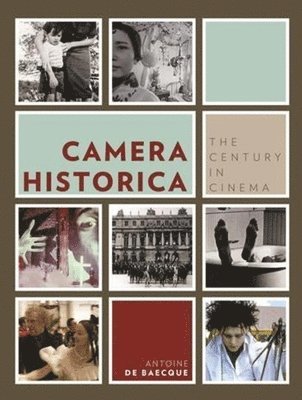
Antoine de Baecque proposes a new historiography of cinema, exploring film as a visual archive of the twentieth century, as well as history's imprint on the cinematic image. Whether portraying events that occurred in the past or stories unfolding before their eyes, certain twentieth-century filmmakers used a particular mise-en-scene to give form to history, becoming in the process historians themselves. Historical events, in turn, irrupted into cinema. This double movement, which de Baecque terms the "cinematographic form of history," disrupts the very material of film, much like historical events disturb the narrative of human progress.De Baecque defines, locates, and interprets cinematographic forms in seven distinct bodies of cinema: 1950s modern cinema and its conjuring of the morbid trauma of war; French New Wave and its style, which became the negative imprint of the malaise felt by young contemporaries of the Algerian War; post-Communist Russian films, or the "de-modern" works of catastroika; contemporary Hollywood films that attach themselves to the master fiction of 9/11; the characteristic mise en forme of filmmaker Sacha Guitry, who, in Si Versailles m'etait conte (1954), filmed French history from inside its chateau; the work of Jean-Luc Godard, who evoked history through his own museum memory of the twentieth century; and the achievements of Peter Watkins, the British filmmaker who reported on history like a war correspondent. De Baecque's introduction clearly lays out his theoretical framework, a profoundly brilliant conceptualization of the many ways cinema and history relate.
2 148 kr
Skickas inom 3-6 vardagar
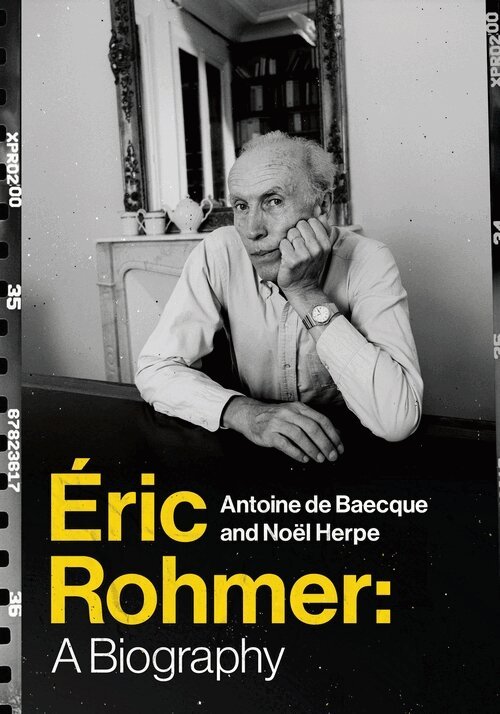
The director of twenty-five films, including My Night at Maud's (1969), which was nominated for a Best Picture Academy Award, and the editor in chief of Cahiers du cinema from 1957 to 1963, Eric Rohmer set the terms by which people watched, made, and thought about cinema for decades. Such brilliance does not develop in a vacuum, and Rohmer cultivated a fascinating network of friends, colleagues, and industry contacts that kept his outlook sharp and propelled his work forward. Despite his privacy, he cared deeply about politics, religion, culture, and fostering a public appreciation of the medium he loved. This exhaustive biography uses personal archives and interviews to enrich our knowledge of Rohmer's public achievements and lesser known interests and relations. The filmmaker kept in close communication with his contemporaries and competitors: Francois Truffaut, Jean-Luc Godard, Claude Chabrol, and Jacques Rivette. He held a paradoxical fascination with royalist politics, the fate of the environment, Catholicism, classical music, and the French nightclub scene, and his films were regularly featured at New York and Los Angeles film festivals.Despite an austere approach to life, Rohmer had a voracious appetite for art, culture, and intellectual debate captured vividly in this definitive volume.
299 kr
Skickas inom 7-10 vardagar
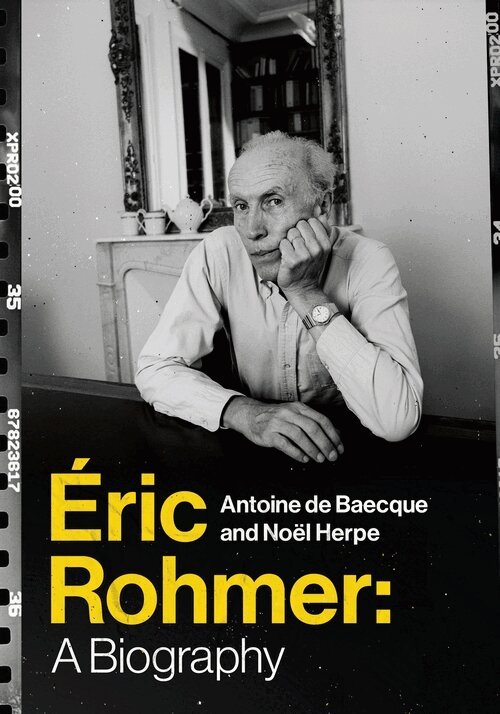
The director of twenty-five films, including My Night at Maud's (1969), which was nominated for a Best Picture Academy Award, and the editor in chief of Cahiers du cinema from 1957 to 1963, Eric Rohmer set the terms by which people watched, made, and thought about cinema for decades. Such brilliance does not develop in a vacuum, and Rohmer cultivated a fascinating network of friends, colleagues, and industry contacts that kept his outlook sharp and propelled his work forward. Despite his privacy, he cared deeply about politics, religion, culture, and fostering a public appreciation of the medium he loved. This exhaustive biography uses personal archives and interviews to enrich our knowledge of Rohmer's public achievements and lesser known interests and relations. The filmmaker kept in close communication with his contemporaries and competitors: Francois Truffaut, Jean-Luc Godard, Claude Chabrol, and Jacques Rivette. He held a paradoxical fascination with royalist politics, the fate of the environment, Catholicism, classical music, and the French nightclub scene, and his films were regularly featured at New York and Los Angeles film festivals.Despite an austere approach to life, Rohmer had a voracious appetite for art, culture, and intellectual debate captured vividly in this definitive volume.
2 375 kr
Skickas inom 10-15 vardagar
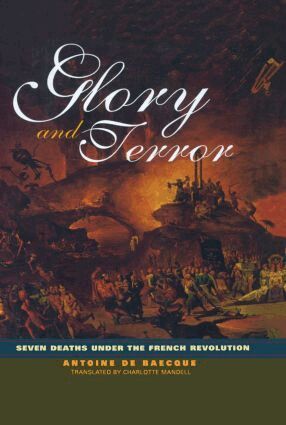
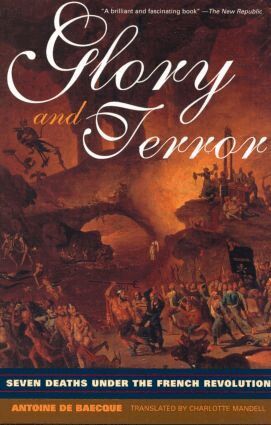
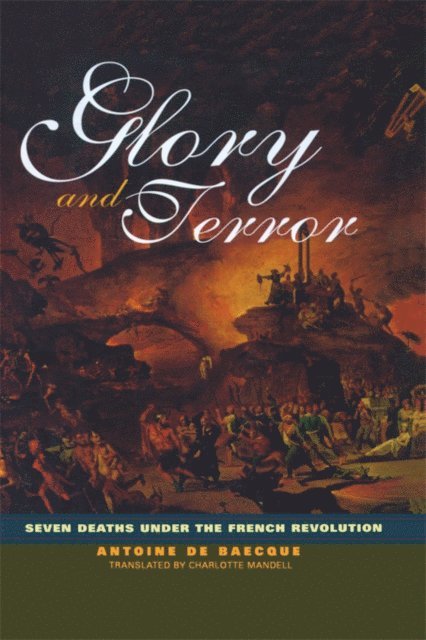
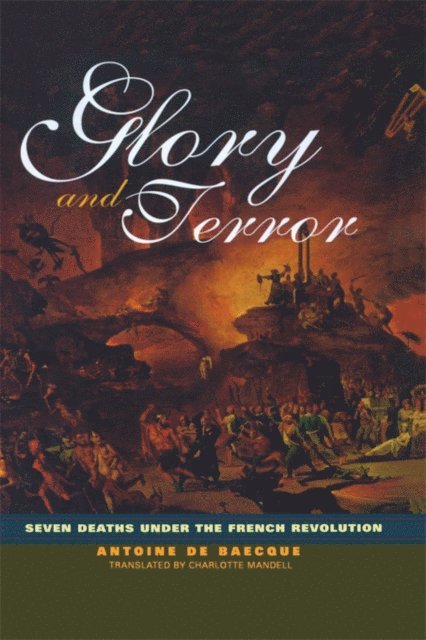
Glory and Terror is a vivid and often gory history of the darker side of the French Revolution. Through an examination of contemporary visual and literary representations of executions, funerals, processions and ceremonies it brings the often horrific events of the time to life. Honing in on seven real life cases, the author recounts and interprets: * the public autopsy performed on the corpse of Mirabeau * the exhumation and transportation of Voltaire's body to the Pantheon * the public torture, murder and subsequent mutilation of the Princesse de Lamballe * the agonizingly slow death of Robespierre. Anyone who enjoys dazzling cultural history in the vein of Robert Darnton, Carlo Ginzburg and Anthony Grafton will revel in this intelligent and original work.
564 kr
Skickas inom 10-15 vardagar
Glory and Terror is a vivid and often gory history of the darker side of the French Revolution. Through an examination of contemporary visual and literary representations of executions, funerals, processions and ceremonies it brings the often horrific events of the time to life. Honing in on seven real life cases, the author recounts and interprets: * the public autopsy performed on the corpse of Mirabeau * the exhumation and transportation of Voltaire's body to the Pantheon * the public torture, murder and subsequent mutilation of the Princesse de Lamballe * the agonizingly slow death of Robespierre. Anyone who enjoys dazzling cultural history in the vein of Robert Darnton, Carlo Ginzburg and Anthony Grafton will revel in this intelligent and original work.
612 kr
Skickas inom 3-6 vardagar
504 kr
Skickas inom 3-6 vardagar
448 kr
Skickas inom 3-6 vardagar
577 kr
Skickas inom 3-6 vardagar