Antoinette Fauve-Chamoux - Böcker
Visar alla böcker från författaren Antoinette Fauve-Chamoux. Handla med fri frakt och snabb leverans.
4 produkter
4 produkter
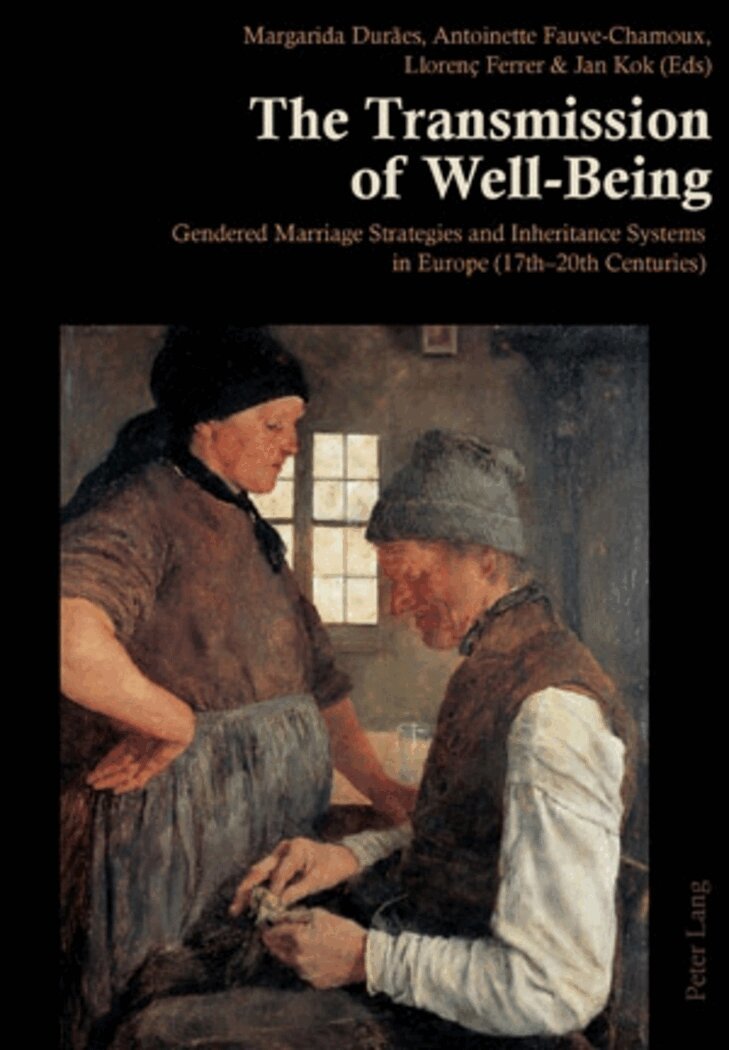
Transmission of Well-Being
Gendered Marriage Strategies and Inheritance Systems in Europe (17th-20th Centuries)
Häftad, Engelska, 2009
1 006 kr
Skickas inom 5-8 vardagar
What does well-being mean when we talk about men and women in the past? Their sheer chances of survival, their protection from want, their social status, their individual agency and their self-esteem were all strongly mediated by the family, the predominant social institution. Family laws and customs of family formation created differences between insiders and outsiders in terms of well-being. Within families, there were strong differences in autonomy, status and freedom between the genders and generations. The book offers a fascinating exploration of gender differences in well-being in many regions of historic Europe, with some comparative perspectives. It explores how historic family systems differed with respect to choosing a marriage partner, transmitting property, living and care conditions of widows and widowers and the position of children born out of wedlock.
1 138 kr
Skickas inom 5-8 vardagar
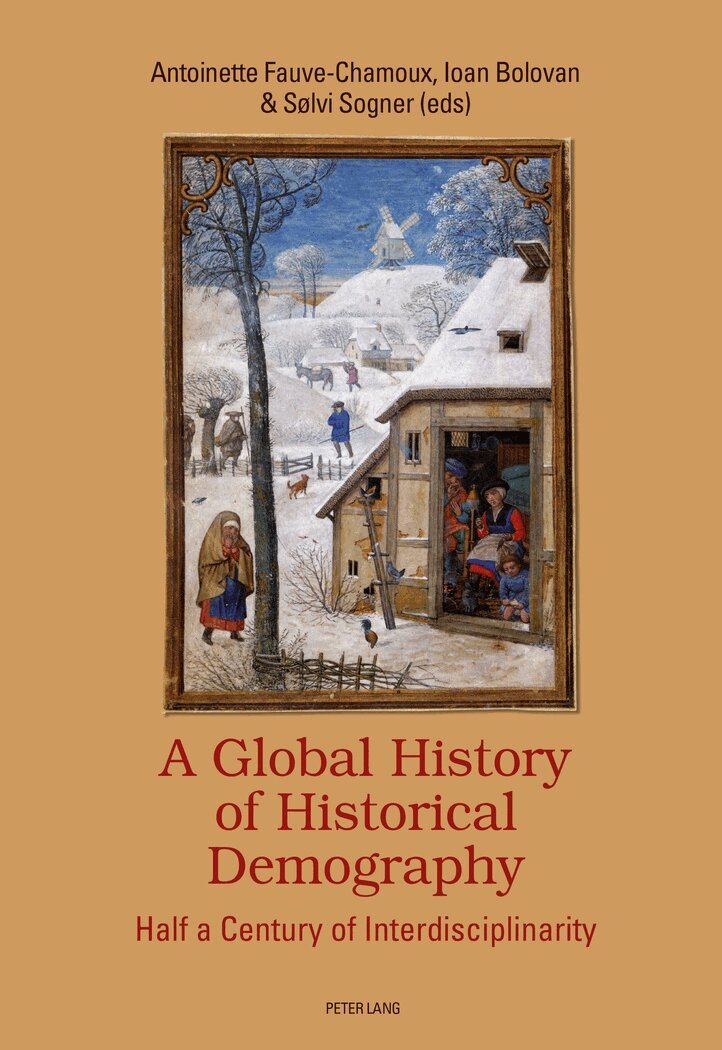
At the XXIst World Congress of the International Committee of Historical Sciences (ICHS/CISH) in 2010 in Amsterdam, the International Commission for Historical Demography (ICHD) decided to write an overview of its own history. Fifty years had gone by since the CISH XIst World Congress in Stockholm 1960, when historians took the first tentative initiatives to create a wholly new interdisciplinary commission for historical demography, a meeting place for a budding discipline where researchers in letters and science could meet, exchange ideas, cultivate and develop a new field. This book is the outcome of that decision. Demography, past, present and future is a common concern for all inhabitants of this planet. The variation is great, however, with regard to sources, social and political conditions, state of the art, technological development, national and local initiatives. In the course of half a century many changes take place. Keeping abreast of the gigantic streams of information and innovation in the field is demanding, even more so for a discipline with global dimensions and ambitions. The book makes fascinating reading, and preparing it has been a rewarding and thought provoking experience. The thirty-seven articles in the book represent as many different stories.
Domestic Service and the Formation of European Identity
Understanding the Globalization of Domestic Work, 16th-21st Centuries
Häftad, Engelska, 2005
818 kr
Tillfälligt slut
Del 10 - Population, Famille et Societe - Population, Family, and Society
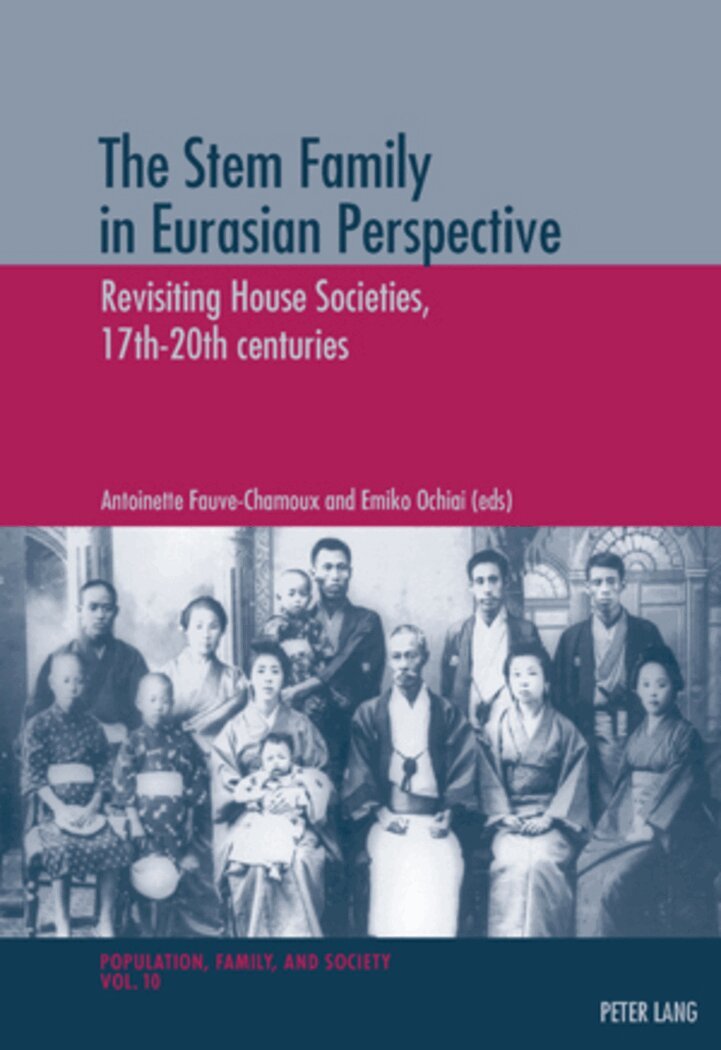
Stem Family in Eurasian Perspective
Revisiting House Societies, 17th-20th centuries
Häftad, Engelska, 2009
2 023 kr
Skickas inom 5-8 vardagar
Is the Asian stem family different from its European counterpart? This question is a central issue in this collection of essays assembled by two historians of the family in Eurasian perspective. The stem family is characterized by the residential rule that only one married child remains with the parents. This rule has a direct effect upon household structure. In short, the stem family is a domestic unit of production and reproduction that persists over generations, handing down the patrimony through non-egalitarian inheritance. In spite of its ambiguous status in current family typology as something lurking in the valley between the nuclear family and the joint family, the stem family was an important family form in pre-industrial Western Europe and has been a focus of the European family history since Frédéric Le Play and more recently Peter Laslett. However, the encounter with Asian family history has revealed that many areas in Asia also had and still have a considerable proportion of households with a stem-family structure. The stem family debate has entered a new stage. In this book, some studies that benefited from recently created large databases present micro-level analyses of dynamic aspects of family systems, while others discuss more broadly the rise and fall of family systems, past and present. A main concern of this book is whether the family type in a society is ethno-culturally determined and resistant to changes or created by socio-economic conditions. Such a comparison that includes Asian countries activates a new phase of the discussion on the stem family and family systems in a global perspective.