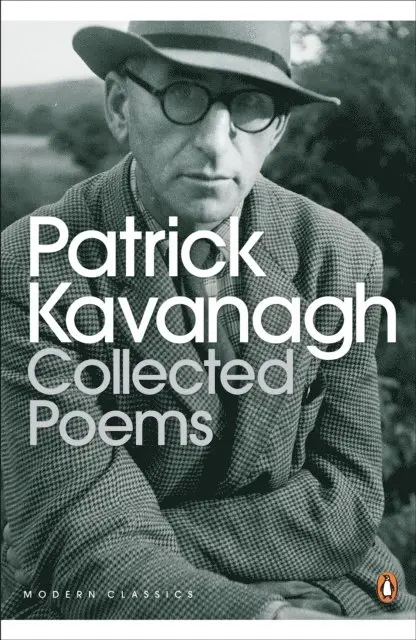
The centenary of Patrick Kavanagh's birth in 2004 provides the ideal opportunity to reappraise one of modern Ireland's greatest poets. From a harsh, humble background that he himself described so brilliantly, Kavanagh burst through immense constraints to redefine Irish poetry - a poetry appropriate for a fully independent country, both politically and culturally. Moving beyond Irish verse's preoccupation with history, national politics and identity, he turned to the land and scenery of his native Inniskeen, portraying the closely-observed minutiae of everyday rural and urban life in an uninhibited, groundbreaking style. Lucid, various, direct and engaging, Kavanagh's poems have a unique place in the canon and a unique accessibility. This major new edition is the culmination of many years of work by Antoinette Quinn in creating authoritative texts for Kavanagh's poetry - from his early works such as 'Inniskeen Road: July Evening' to his masterpiece, the epic 'The Great Hunger', allowing us to see the development of Kavanagh's genius as never before.
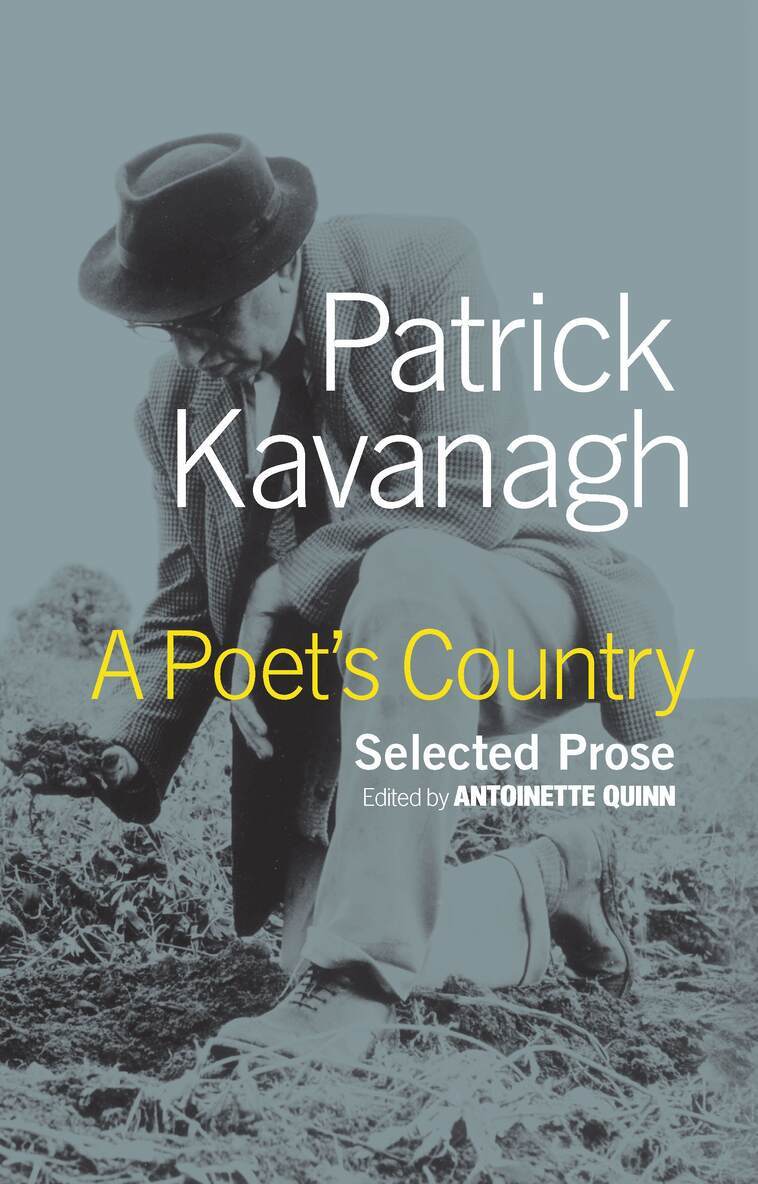
While Patrick Kavanagh (1904-67) was above all a poet, for most of his writing life he was a prolific producer of critical and autobiographical prose. Work for newspapers and magazines was often his main source of income, and provided him with a necessary outlet for his views on the writers of his time, and past times; on the spiritual function of poetry, and on his own background and experiences as an isolated genius, impoverished, sometimes ostracized, and surrounded, as he saw it, by mediocrity. The prose complements the poetry telling us things about Kavanagh that the poems do not tell. This is the first authoritative gathering of the shorter prose writings. Edited and introduced by Antoinette Quinn, Kavanagh’s leading interpreter and biographer, ‘A Poet’s Country: Selected Prose’ supplants the earlier, inadequate 1967, ‘Collected Prose,’ which contained material already available elsewhere and focused on later writings at the expense of work from the vital decades of the thirties and forties. ‘A Poet’s Country‘ is both a reliable scholarly edition and an immensely readable, entertaining collection. It contains the essential shorter prose works from throughout Kavanagh’s career: the legendary autobiographical pieces and rural reminiscences and a thorough selection of Kavanagh’s penetrating, sometimes scabrous, literary and cultural criticism. Its verve and musicality, poignancy and pitch, rage and glory, expresses as no other the voice of rural Ireland.
The centenary of Patrick Kavanagh's birth in 2004 provides the ideal opportunity to reappraise one of modern Ireland's greatest poets. From a harsh, humble background that he himself described so brilliantly, Kavanagh burst through immense constraints to redefine Irish poetry - a poetry appropriate for a fully independent country, both politically and culturally. Moving beyond Irish verse's preoccupation with history, national politics and identity, he turned to the land and scenery of his native Inniskeen, portraying the closely-observed minutiae of everyday rural and urban life in an uninhibited, groundbreaking style. Lucid, various, direct and engaging, Kavanagh's poems have a unique place in the canon and a unique accessibility. This major new edition is the culmination of many years of work by Antoinette Quinn in creating authoritative texts for Kavanagh's poetry - from his early works such as 'Inniskeen Road: July Evening' to his masterpiece, the epic 'The Great Hunger', allowing us to see the development of Kavanagh's genius as never before.
While Patrick Kavanagh (1904-67) was above all a poet, for most of his writing life he was a prolific producer of critical and autobiographical prose. Work for newspapers and magazines was often his main source of income, and provided him with a necessary outlet for his views on the writers of his time, and past times; on the spiritual function of poetry, and on his own background and experiences as an isolated genius, impoverished, sometimes ostracized, and surrounded, as he saw it, by mediocrity. The prose complements the poetry telling us things about Kavanagh that the poems do not tell. This is the first authoritative gathering of the shorter prose writings. Edited and introduced by Antoinette Quinn, Kavanagh’s leading interpreter and biographer, ‘A Poet’s Country: Selected Prose’ supplants the earlier, inadequate 1967, ‘Collected Prose,’ which contained material already available elsewhere and focused on later writings at the expense of work from the vital decades of the thirties and forties. ‘A Poet’s Country‘ is both a reliable scholarly edition and an immensely readable, entertaining collection. It contains the essential shorter prose works from throughout Kavanagh’s career: the legendary autobiographical pieces and rural reminiscences and a thorough selection of Kavanagh’s penetrating, sometimes scabrous, literary and cultural criticism. Its verve and musicality, poignancy and pitch, rage and glory, expresses as no other the voice of rural Ireland.