Anton E. Becker – författare
Visar alla böcker från författaren Anton E. Becker. Handla med fri frakt och snabb leverans.
2 produkter
2 produkter
E-bok
PDF, Engelska, 20121 174 kr
Läs direkt efter köp
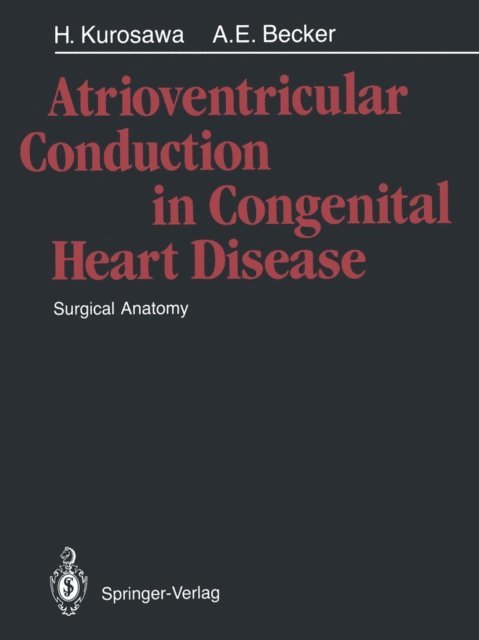
The pathology of congenital heart disease has attracted much attention over the past years, as exemplified by various excellent textbooks. Most texts include a description of the position and course of the atrioventricular con duction tissues, but usually propose rules in a general setting. No systematic and meticulous description of the atrioventricular conduction tissues as they relate to the margins of septal defects in various types of congenital cardiac malformations is, to the best of our knowledge, yet available. Such detailed information is of value for cardiologists, pathologists, and surgeons alike. The cardiologist needs the information for electrophysio logical studies, including electrocardiographic tracings, as one of the tools in refining diagnosis. The pathologist should have a full understanding of the disposition of the atrioventricular conduction tissues in complex congenital malformations, not only in order to able to communicate with cardiologists and cardiac surgeons in a given case, but also because pathologists are in a unique position to enhance the understanding of atrioventricular conduction in complex congenital heart disease by means of continuous close cooperation with those in the clinical and surgical arena. For the surgeon, in-depth knowledge of atrioventricular conduction and its variability is imperative, particularly in view of the ongoing refinements in surgical techniques and options for repair, as well as improvements in the understanding of preopera tive and postoperative cardiac performance.
Inbunden, Engelska, 1998
2 045 kr
Tillfälligt slut
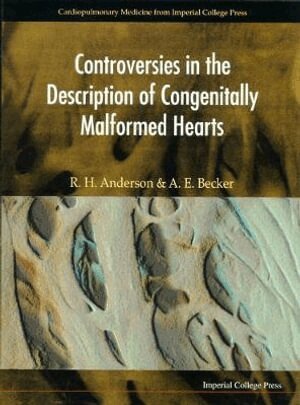
This series of four video tapes, which is based on the demonstrations pre-recorded by Robert H Anderson and Anton E Becker, two prominent European morphologists, shows the essence of the abnormal morphology within carefully selected autopsy specimens, comparing the findings with appropriately dissected normal hearts, and supplementing the anatomic material with diagrams and cartoons. Accompanying these tapes is an explanatory book prepared with extensive full colour illustrations based on the specimens and diagrams used in the videos and supplemented by appropriate material from the extensive files of the authors.The introductory chapter of the book discusses the background to sequential segmental analysis and the importance of the morphological myocardial method of recognizing chambers and arterial trunks in congenitally malformed hearts. The book is also available without the videos.Videos and book together address such crucial questions as:∗ How many segments need to be considered within the heart?∗ Is the myocardial morphologic method the best way of recognizing chambers?∗ Is the atrioventricular junction a common structure in the ostium primum defect?∗ Is there such a thing as isomerism of the atrial appendages?∗ What is the univentricular atrioventricular connection — and are there really any univentricular hearts?∗ Is the infundibulum in tetralogy of Fallot too narrow, too shallow, and too short?To answer these, and many more questions, Anderson and Becker alternately act as devil's advocate in the four videos, each lasting approximately 40 minutes. The individual videos are devoted to:Video and Chapter Titles:∗ Atrioventricular septal defects∗ Hearts with isomeric atrial appendages∗ Tetralogy of Fallot and double outlet right ventricle∗ Hearts with univentricular atrioventricular connection