Antonella Salomoni - Böcker
Visar alla böcker från författaren Antonella Salomoni. Handla med fri frakt och snabb leverans.
3 produkter
3 produkter
986 kr
Skickas inom 10-15 vardagar
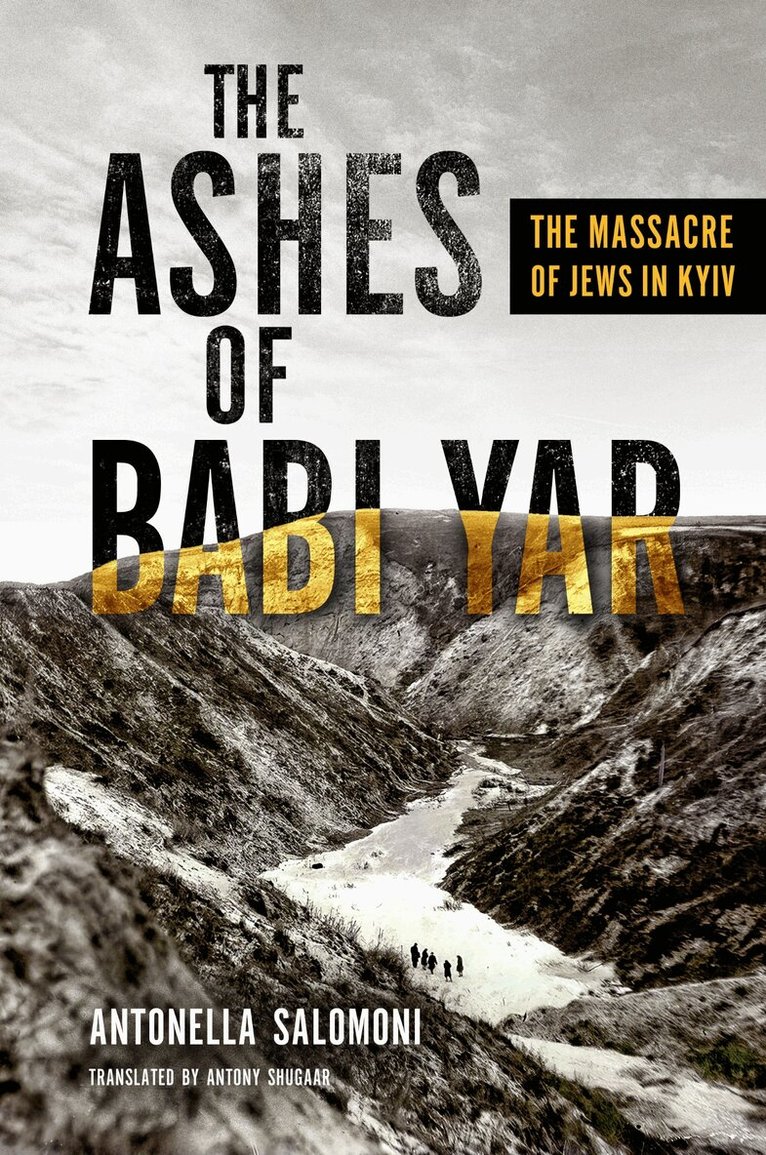
On September 29 and 30, 1941, in one of the largest mass murders of the Holocaust, German troops massacred 33,771 Jews at the vast gorge located near Kyiv known as Babi Yar (Babij Jar). During and after the war, the territory was modified, redesigned, and converted in order to remove the physical signs of genocide, including the exhumation and incineration of thousands of bodies. In large part this erasure was the result of policies implemented by the Soviet regime, which refused to accept that there had been a “special war” against Jews. Beginning with an explication of the mass murders and their aftermath, Antonella Salomoni examines the afterlife of a massacre whose physical remains were intentionally hidden. She focuses especially on how the arts—prose, poetry, music, architecture, and painting—shaped a collective narrative that, despite repression, played a crucial role in preserving the history and memory of the genocide.
883 kr
Skickas inom 10-15 vardagar
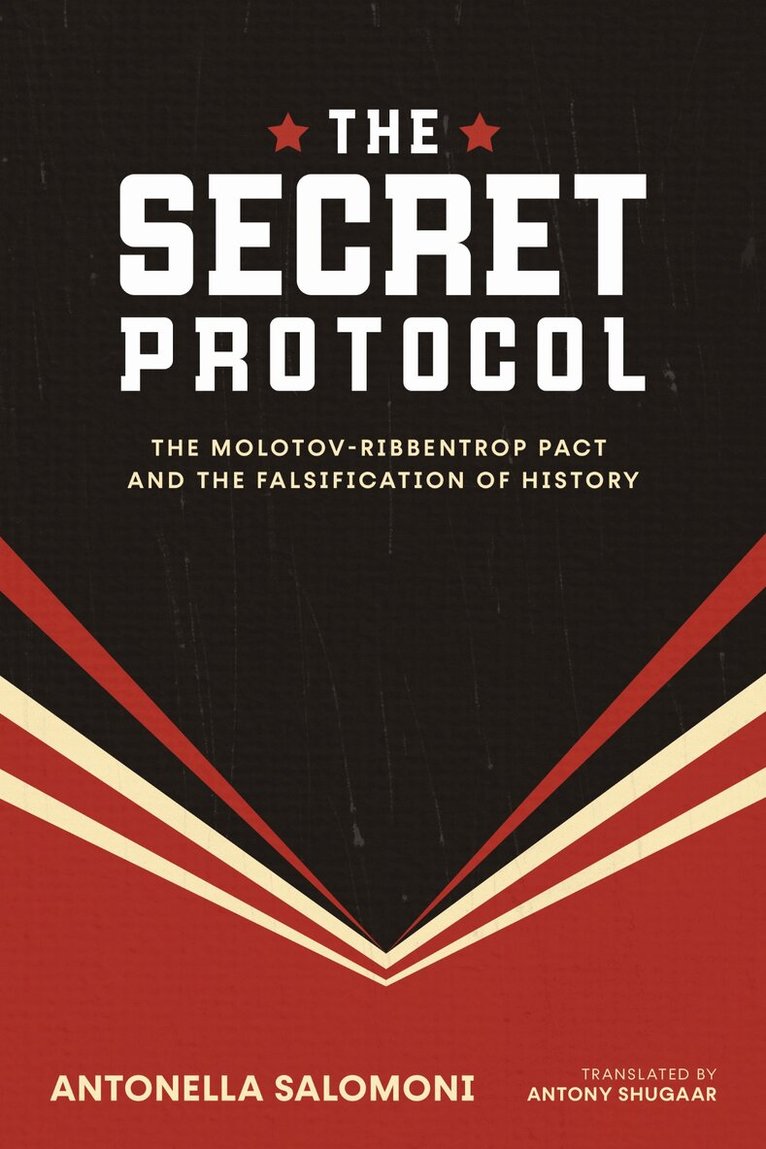
In 1939, the Soviet Union and Germany agreed to a nonaggression treaty named for its signatories, foreign ministers Vyacheslav Molotov and Joachim von Ribbentrop. Kept hidden from the public was an addendum to the Molotov-Ribbentrop Pact, a “secret protocol” whose existence was denied by the Soviet Union until 1992. It defined new borders for German and Soviet spheres of influence, effectively preparing for the partition of Poland, the Baltic states, and Bessarabia. Shortly after signing on August 23, 1939, both the USSR and Nazi Germany invaded Poland. In this volume, Antonella Salomoni scrutinizes this consequential document and its afterlives, focusing predominantly on the discourse that surrounded it.From the moment of the secret protocol’s inception—and the near-instantaneous rumors of its existence—it generated friction and competing narratives. The document became public during the Nuremberg trials, but the USSR declared it a fabrication evidencing the West’s willingness to falsify history. It continues to be relevant to the reconfiguration of history currently advanced by Vladimir Putin. By centering the rumors, accusations, and propaganda the pact precipitated, Salomoni illuminates how political actors can use and abuse history, how they create and disseminate truths and falsehoods, and how they can blur the boundary between facts and fictions even in the glaring face of black-and-white documentation.
214 kr
Tillfälligt slut