Antonia Pulci – författare
Visar alla böcker från författaren Antonia Pulci. Handla med fri frakt och snabb leverans.
4 produkter
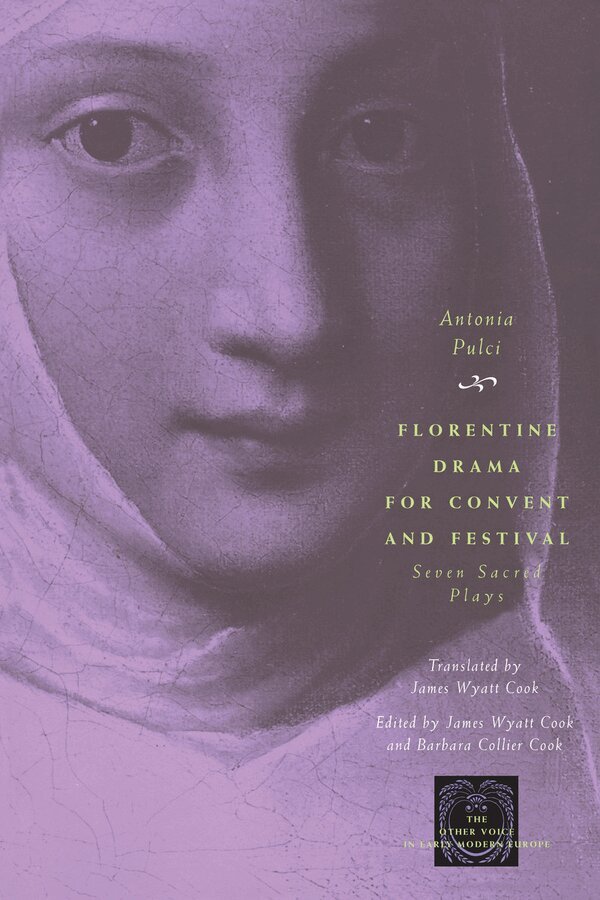
Florentine Drama for Convent and Festival
Seven Sacred Plays
Av Antonia Pulci, James Wyatt Cook
Inbunden, 1996
1414 kr
Lägg i varukorg
A poet and a gifted dramatist, Antonia Pulci (1452-1501) pursued two vocations, first as a wife and later as founder of an Augustinian order. During and after her marriage, Pulci authored several "Sacre Rappresentazioni" - one-act plays on Christian subjects. Often written to be performed by nuns …
Florentine Drama for Convent and Festival
Seven Sacred Plays
Av Antonia Pulci, James Wyatt Cook
Häftad, 1996
324 kr
Lägg i varukorg
A talented poet and a gifted dramatist, Antonia Pulci (1452-1501) pursued two vocations, first as a wife and later as founder of an Augustinian order. During and after her marriage, Pulci authored several sacred rappresentazioni-one-act plays on Christian subjects. Often written to be performed by …
Florentine Drama for Convent and Festival
Seven Sacred Plays
Av Antonia Pulci, Barbara Collier Cook m. fl.
E-bok, 2007
697 kr
Lägg i varukorg
A talented poet and a gifted dramatist, Antonia Pulci (1452-1501) pursued two vocations, first as a wife and later as founder of an Augustinian order. During and after her marriage, Pulci authored several sacre rappresentazioni—one-act plays on Christian subjects. Often written to be performed by …
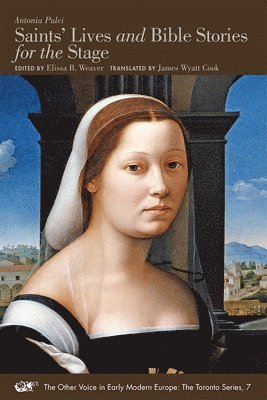
Saints` Lives and Bible Stories for the Stage – A Bilingual Edition
Av Antonia Pulci, Elissa B. Weaver m. fl.
Häftad, 2010
711 kr
Lägg i varukorg
This fresh translation of five plays securely authored by Antonia Pulci—one of the first published women writers in Renaissance Florence—reveals this gifted dramatist at her finest. Intended primarily for a convent audience, Pulci’s plays give us a fascinating glimpse into how theatrical …