Antonio Augusto Rossotto Ioris – författare
667 kr
Skickas inom 10-15 vardagar
639 kr
Skickas inom 10-15 vardagar
2 394 kr
Skickas inom 10-15 vardagar
2 041 kr
Skickas inom 10-15 vardagar
652 kr
Skickas inom 5-8 vardagar
746 kr
Läs direkt efter köp
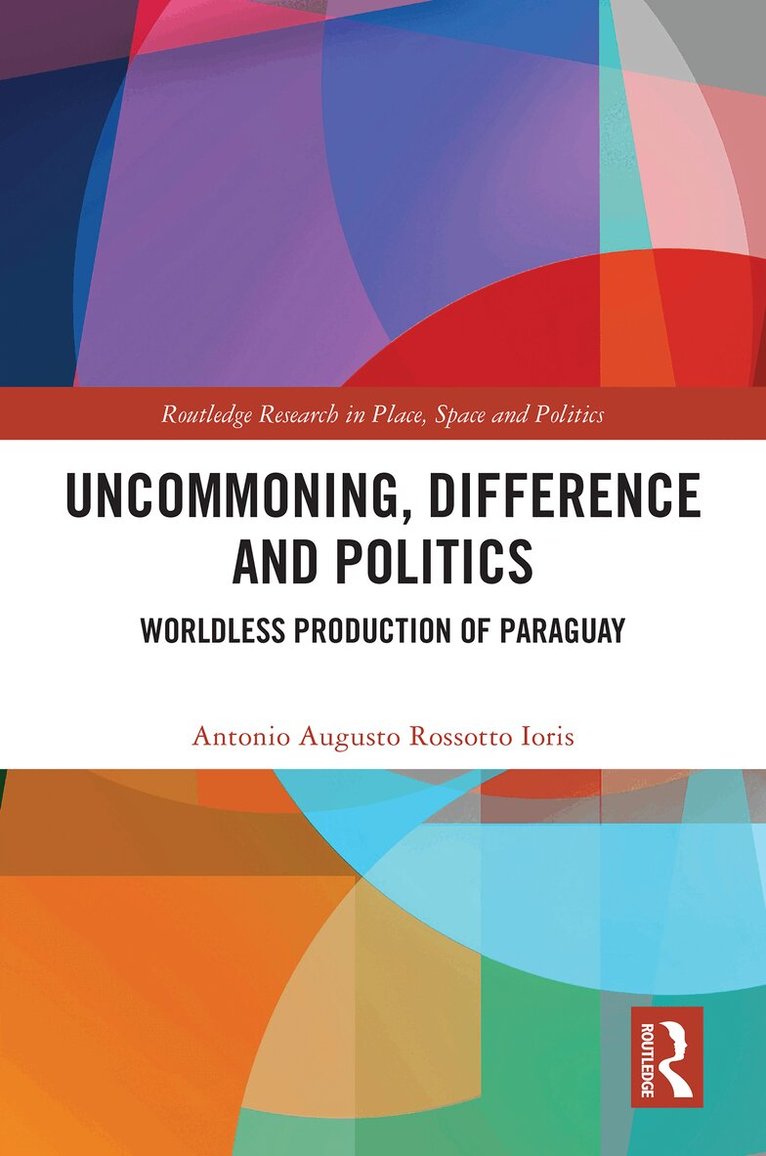
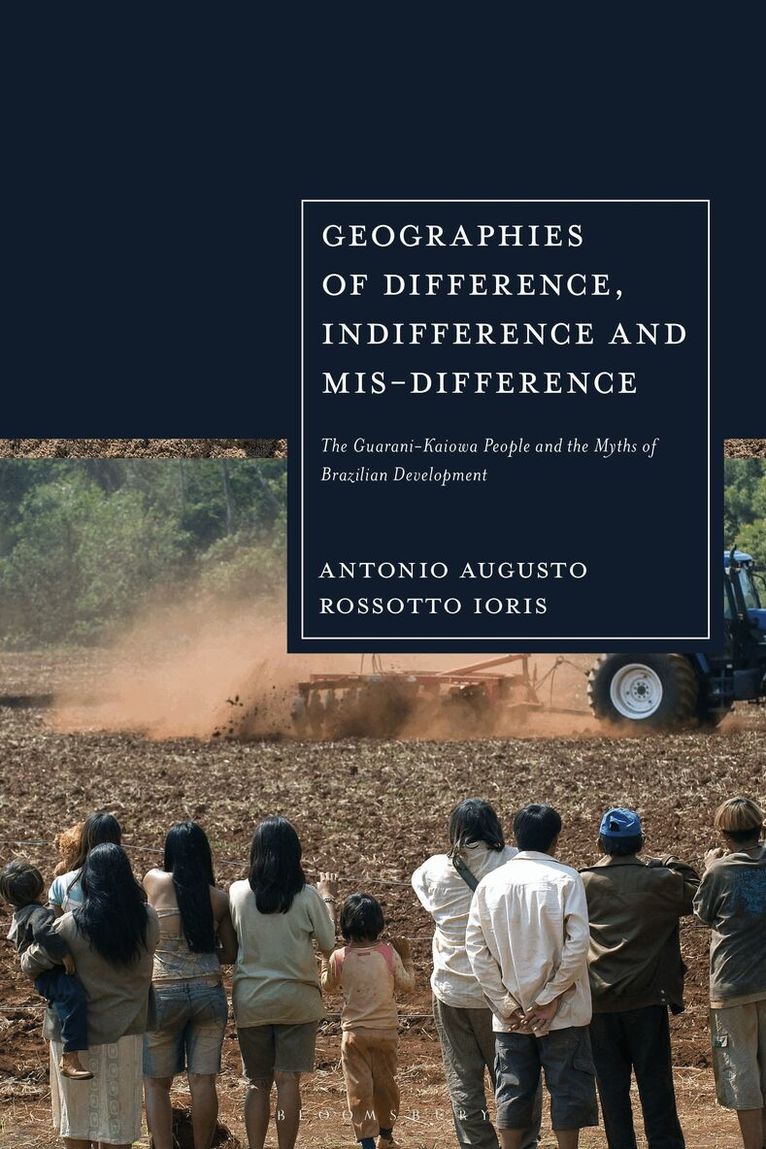
The book presents a reinterpretation of the meaning and practices of uncommoning. It provides a critical reflection on the frontiers of the modern world where uncommoning is often the key driving- force underpinning a deceitful democracy and an exclusionary socio-economy. Uncommoning is a socio-spatial process of othering, grabbing and reordering that particularly impacts indigenous peoples.
This book revisits classical, contemporary and decolonial literature, as well as documents, reports and archival data, to analyse the Paraguayan case of uncommoning. It examines how these processes have deep roots in the shortcomings of Western thinking, including religious, juridical and moral doctrines. The book also demonstrates that Europe has major responsibilities and cannot be removed from the search for responses and alternatives. After a detailed theoretical elaboration, informed primary by Hegel’s socio-spatial sensibilities, the book empirically analyses the ‘worldless’ production of Paraguay as a country with a fragile sovereignty and whose development is, more than anything else, highly subtractive.
The text will be of interest to scholars and researchers in development, indigenous studies, decolonisation, human geography, agribusiness, South American studies, as well as policy-makers in international development agencies and NGOs.
753 kr
Läs direkt efter köp
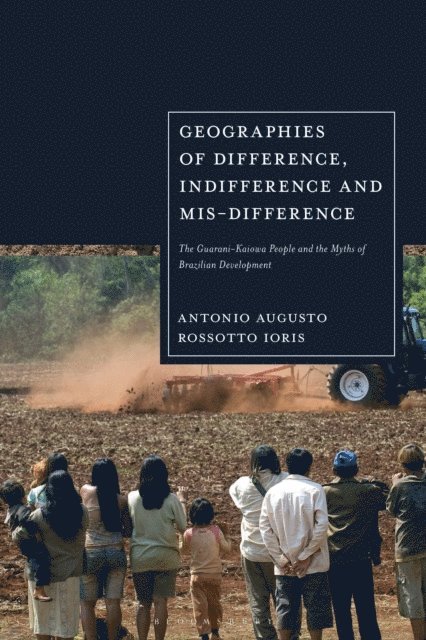
The book presents a reinterpretation of the meaning and practices of uncommoning. It provides a critical reflection on the frontiers of the modern world where uncommoning is often the key driving- force underpinning a deceitful democracy and an exclusionary socio-economy. Uncommoning is a socio-spatial process of othering, grabbing and reordering that particularly impacts indigenous peoples.
This book revisits classical, contemporary and decolonial literature, as well as documents, reports and archival data, to analyse the Paraguayan case of uncommoning. It examines how these processes have deep roots in the shortcomings of Western thinking, including religious, juridical and moral doctrines. The book also demonstrates that Europe has major responsibilities and cannot be removed from the search for responses and alternatives. After a detailed theoretical elaboration, informed primary by Hegel’s socio-spatial sensibilities, the book empirically analyses the ‘worldless’ production of Paraguay as a country with a fragile sovereignty and whose development is, more than anything else, highly subtractive.
The text will be of interest to scholars and researchers in development, indigenous studies, decolonisation, human geography, agribusiness, South American studies, as well as policy-makers in international development agencies and NGOs.
777 kr
Skickas inom 10-15 vardagar
2 179 kr
Skickas inom 10-15 vardagar
892 kr
Läs direkt efter köp
892 kr
Läs direkt efter köp
730 kr
Läs direkt efter köp
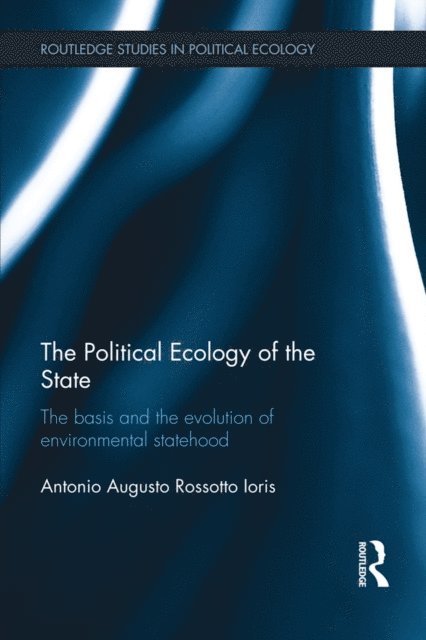
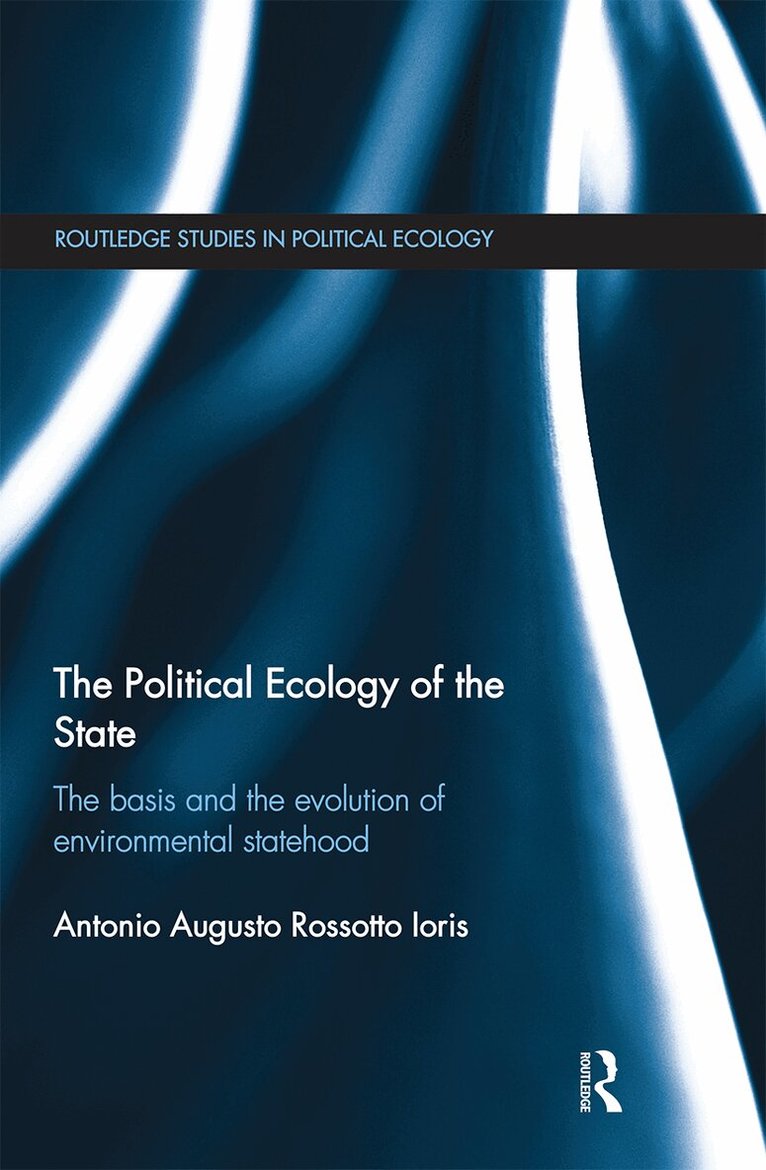
The contemporary state is not only the main force behind environmental change, but the reactions to environmental problems have played a crucial role in the modernisation of the state apparatus, especially because of its mediatory role.
The Political Ecology of the State is the first book to critically assess the philosophical basis of environmental statehood and regulation, addressing the emergence and evolution of environmental regulation from the early twentieth century to the more recent phase of ecological modernisation and the neoliberalisation of nature. The state is understood as the result of permanent socionatural interactions and multiple forms of contestation, from a critical politico-ecological approach. This book examines the tension between pro- and anti-commons tendencies that have permeated the organisation and failures of the environmental responses put forward by the state. It provides a reinterpretation of the achievements and failures of mainstream environmental policies and regulation, and offers a review of the main philosophical influences behind different periods of environmental statehood and regulation. It sets out an agenda for going beyond conventional state regulation and grassroots dealings with the state, and as such redefines the environmental apparatus of the state.
730 kr
Läs direkt efter köp
The contemporary state is not only the main force behind environmental change, but the reactions to environmental problems have played a crucial role in the modernisation of the state apparatus, especially because of its mediatory role.
The Political Ecology of the State is the first book to critically assess the philosophical basis of environmental statehood and regulation, addressing the emergence and evolution of environmental regulation from the early twentieth century to the more recent phase of ecological modernisation and the neoliberalisation of nature. The state is understood as the result of permanent socionatural interactions and multiple forms of contestation, from a critical politico-ecological approach. This book examines the tension between pro- and anti-commons tendencies that have permeated the organisation and failures of the environmental responses put forward by the state. It provides a reinterpretation of the achievements and failures of mainstream environmental policies and regulation, and offers a review of the main philosophical influences behind different periods of environmental statehood and regulation. It sets out an agenda for going beyond conventional state regulation and grassroots dealings with the state, and as such redefines the environmental apparatus of the state.
407 kr
Skickas inom 10-15 vardagar
424 kr
Läs direkt efter köp
1 179 kr
Skickas inom 10-15 vardagar
424 kr
Läs direkt efter köp
763 kr
Läs direkt efter köp
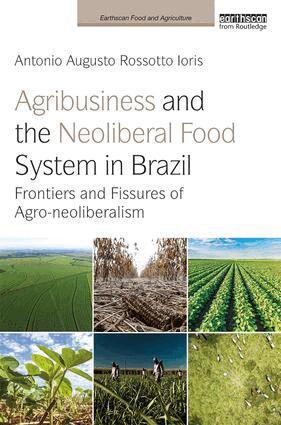
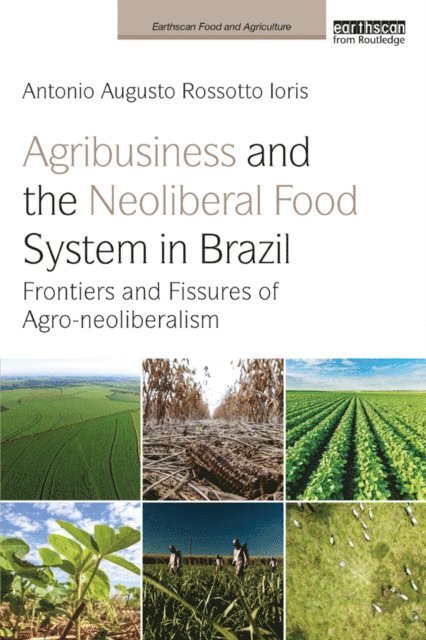
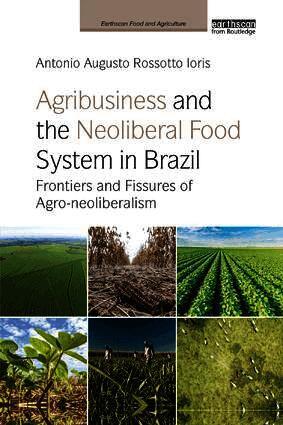
Due to new production areas and persistent productivity gains, Brazil has consolidated its position as a global leader and even as a ‘model’ of commercial, integrated crop production. The country is now seen as an agricultural powerhouse that has a lot to offer in terms of reducing the prospect of a looming, increasingly global, food crisis.
Agribusiness and the Neoliberal Food System in Brazil focuses on the intensification of Brazilian agribusiness as a privileged entry point into the politicised geography of globalised agri-food. Drawing on rich empirical analysis based around three fieldwork campaigns in the state of Mato Grosso, the book examines the connections between farming, markets and the apparatus of the state. The importance of agribusiness expansion within the wider politico-economic context of Brazilian neoliberalism is demonstrated, thus drawing broader conclusions about the main trends of agribusiness in the world today and providing recommendations for future research.
This book will be of great interest to students and scholars of agribusiness, neoliberalism and global food production, as well as those interested in Brazil and Latin America more generally.
763 kr
Läs direkt efter köp
Due to new production areas and persistent productivity gains, Brazil has consolidated its position as a global leader and even as a ‘model’ of commercial, integrated crop production. The country is now seen as an agricultural powerhouse that has a lot to offer in terms of reducing the prospect of a looming, increasingly global, food crisis.
Agribusiness and the Neoliberal Food System in Brazil focuses on the intensification of Brazilian agribusiness as a privileged entry point into the politicised geography of globalised agri-food. Drawing on rich empirical analysis based around three fieldwork campaigns in the state of Mato Grosso, the book examines the connections between farming, markets and the apparatus of the state. The importance of agribusiness expansion within the wider politico-economic context of Brazilian neoliberalism is demonstrated, thus drawing broader conclusions about the main trends of agribusiness in the world today and providing recommendations for future research.
This book will be of great interest to students and scholars of agribusiness, neoliberalism and global food production, as well as those interested in Brazil and Latin America more generally.
2 389 kr
Skickas inom 10-15 vardagar
1 571 kr
Skickas inom 10-15 vardagar
562 kr
Skickas inom 10-15 vardagar
1 577 kr
Skickas inom 10-15 vardagar
1 091 kr
Skickas inom 10-15 vardagar
1 367 kr
Läs direkt efter köp
1 091 kr
Skickas inom 10-15 vardagar
1 307 kr
Skickas inom 10-15 vardagar
1 672 kr
Läs direkt efter köp
1 307 kr
Skickas inom 10-15 vardagar
1 744 kr
Skickas inom 10-15 vardagar