Antonio Donato – författare
Visar alla böcker från författaren Antonio Donato. Handla med fri frakt och snabb leverans.
9 produkter
Boethius’ Consolation of Philosophy as a Product of Late Antiquity
E-bok, 2013
595 kr
Lägg i varukorg
In the last fifty years the field of Late Antiquity has advanced significantly. Today we have a picture of this period that is more precise and accurate than before. However, the study of one of the most significant texts of this age, Boethius'' Consolation of Philosophy , has not benefited enough …
Boethius’ Consolation of Philosophy as a Product of Late Antiquity
E-bok, 2013
608 kr
Lägg i varukorg
In the last fifty years the field of Late Antiquity has advanced significantly. Today we have a picture of this period that is more precise and accurate than before. However, the study of one of the most significant texts of this age, Boethius'' Consolation of Philosophy , has not benefited enough …
Boethius’ Consolation of Philosophy as a Product of Late Antiquity
Häftad, 2015
559 kr
Lägg i varukorg
In the last fifty years the field of Late Antiquity has advanced significantly. Today we have a picture of this period that is more precise and accurate than before. However, the study of one of the most significant texts of this age, Boethius' Consolation of Philosophy, has not benefited enough …
Boethius’ Consolation of Philosophy as a Product of Late Antiquity
Inbunden, 2013
1984 kr
Lägg i varukorg
In the last fifty years the field of Late Antiquity has advanced significantly. Today we have a picture of this period that is more precise and accurate than before. However, the study of one of the most significant texts of this age, Boethius' Consolation of Philosophy, has not benefited enough …
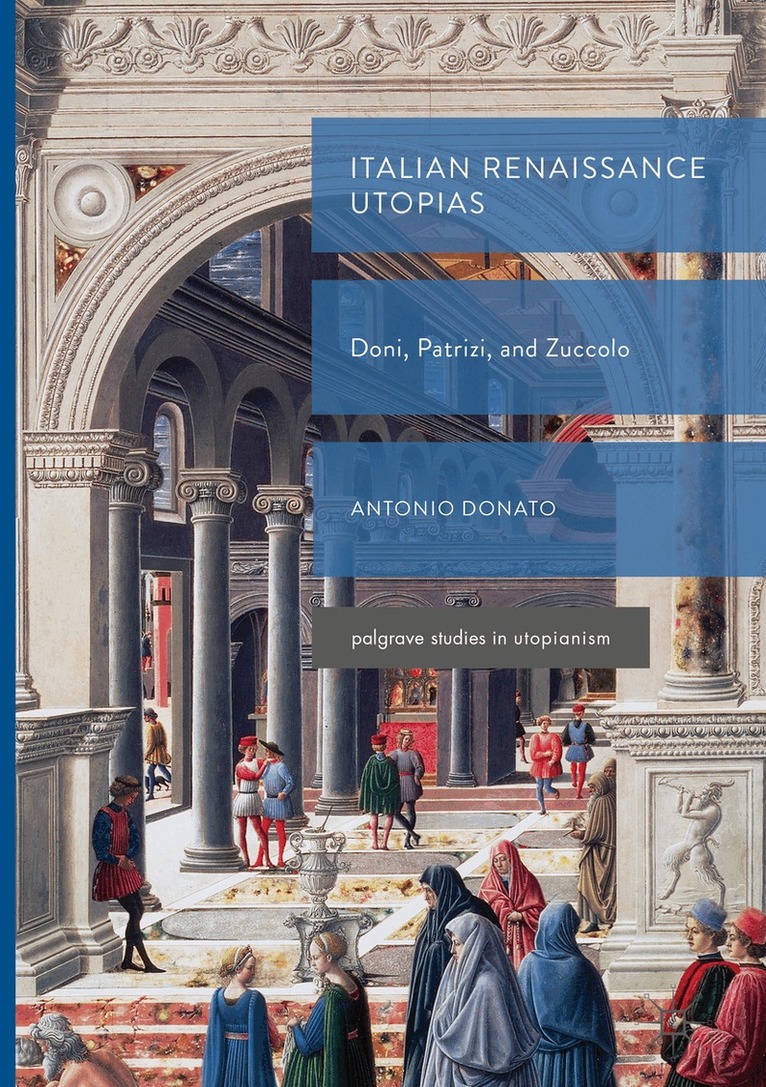
Italian Renaissance Utopias
Doni, Patrizi, and Zuccolo
Inbunden, 2019
986 kr
Lägg i varukorg
This book provides the first English study (comprehensive of introductory essays, translations, and notes) of five prominent Italian Renaissance utopias: Doni’s Wise and Crazy World, Patrizi’s The Happy City, and Zuccolo’s The Republic of Utopia, The Republic of Evandria, and The Happy City. The …
Italian Renaissance Utopias
Doni, Patrizi, and Zuccolo
E-bok, 2019
1292 kr
Lägg i varukorg
This book provides the first English study (comprehensive of introductory essays, translations, and notes) of five prominent Italian Renaissance utopias: Doni’s Wise and Crazy World , Patrizi’s The Happy City , and Zuccolo’s The Republic of Utopia , The Republic of Evandria , and The Happy City . …
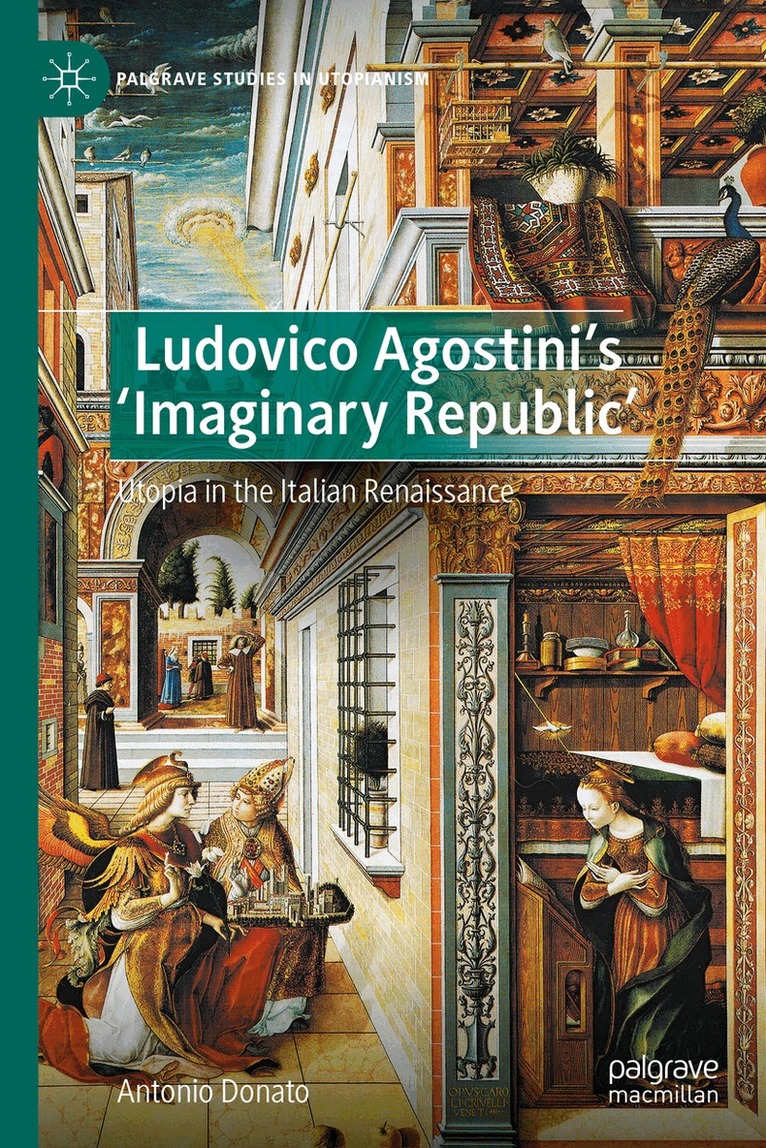
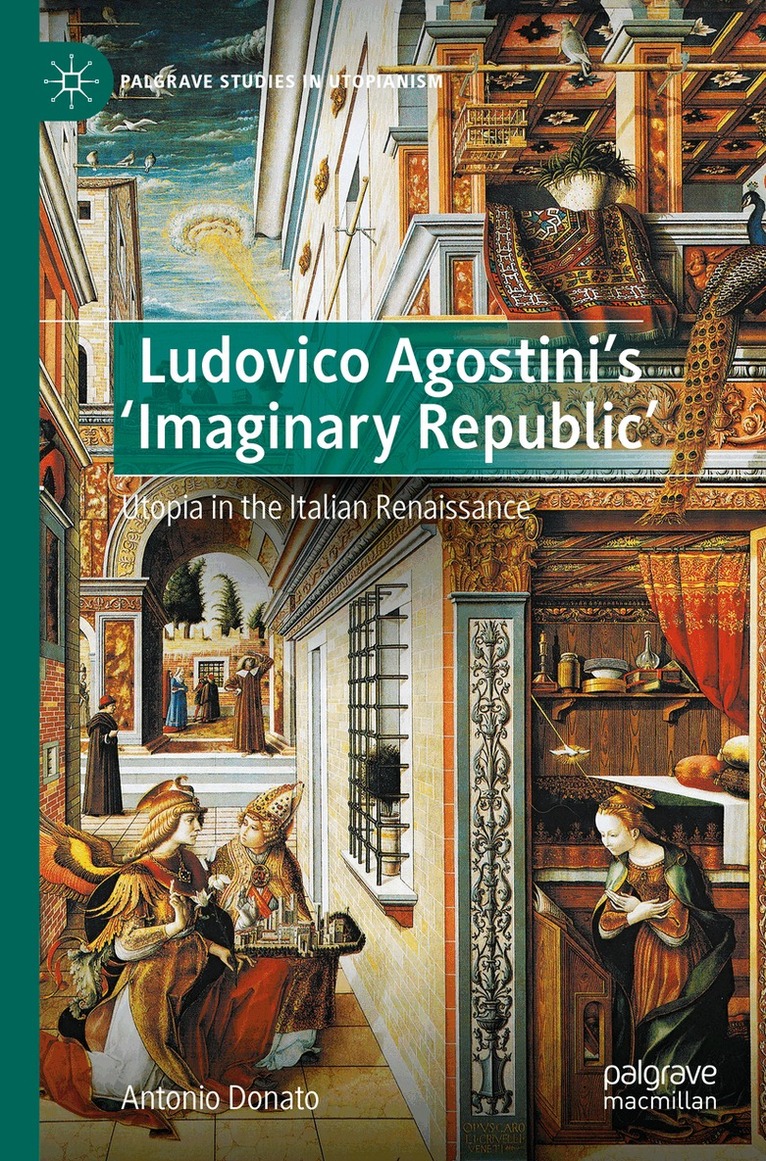
Ludovico Agostini’s 'Imaginary Republic'
Utopia in the Italian Renaissance
Inbunden, 2022
1203 kr
Lägg i varukorg
This book offers the first English translation and comprehensive analysis (inclusive of introductory study and endnotes to the translation) of the longest and most complex Italian Renaissance utopia, Ludovico Agostini’s Imaginary Republic. It not only reveals the significance of a text that has …
Ludovico Agostini's 'Imaginary Republic'
Utopia in the Italian Renaissance
E-bok, 2022
1622 kr
Lägg i varukorg
This book offers the first English translation and comprehensive analysis (inclusive of introductory study and endnotes to the translation) of the longest and most complex Italian Renaissance utopia, Ludovico Agostini’s Imaginary Republic . It not only reveals the significance of a text that has …
Ludovico Agostini’s 'Imaginary Republic'
Utopia in the Italian Renaissance
Häftad, 2023
1203 kr
Lägg i varukorg
This book offers the first English translation and comprehensive analysis (inclusive of introductory study and endnotes to the translation) of the longest and most complex Italian Renaissance utopia, Ludovico Agostini’s Imaginary Republic. It not only reveals the significance of a text that has …