Antonio J Muñoz – författare
Visar alla böcker från författaren . Handla med fri frakt och snabb leverans.
12 produkter
12 produkter
Inbunden, Engelska, 2026
272 kr
Skickas
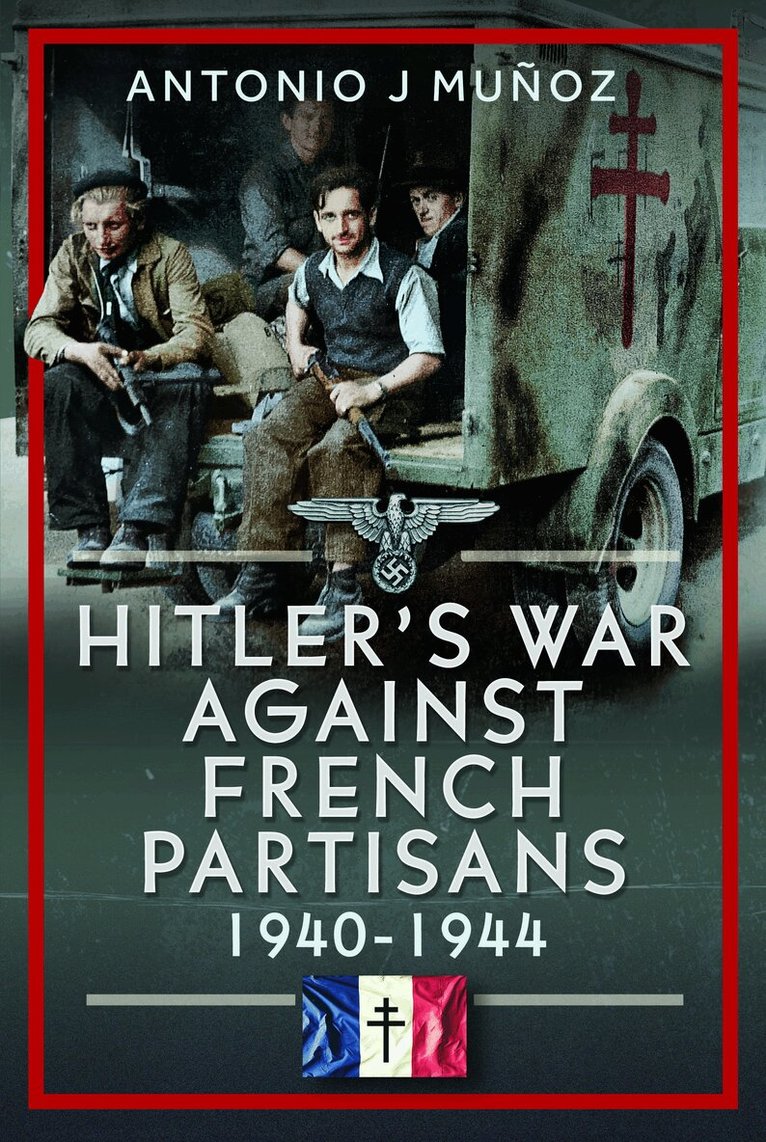
In 1941, a year after France formally surrendered, Charles de Gaulle, the leader of the Free French forces, appointed Jean Moulin to coordinate the various resistance movements that had sprung up all over France. His mission was to unify the diverse and often fragmented resistance groups into a more cohesive organization. He successfully brought together various resistance factions under the umbrella of the National Council of the Resistance (CNR), which was a crucial step toward creating a united front against both the Nazis and the Vichy French regime.Since the start of the Occupation, the Germans realized that resistance to their rule was inevitable. With this in mind, they went about establishing total control of France, not only through the German Army forces stationed in the country, but using the entire Nazi security apparatus.From 1941 onwards, the Germans began to encounter frequent and increasingly more damaging acts of resistance, which required not only intelligence and counter-intelligence work, but the launching of raids and small operations. The intensity of partisan attacks began to increase even more in 1942. This level of resistance grew even greater in 1943. By then, the partisans were selectively challenging local German garrisons and collaborator forces in the French countryside.By the beginning of 1944, the Resistance, or Maquis as it was also known, became bolder, even establishing so-called Free-French republics in various regions of the country. Employing primary source documents from several archives, author Antonio Muñoz has produced a one-volume study that fully covers the partisan and anti-partisan struggle in France from 1940 through to 1944. Hitler’s War Against the French Resistance, 1940-1944 is a valuable reference source for those who wish to study the guerrilla and anti-guerrilla struggle during the Second World War.
Inbunden, Engelska, 2026
374 kr
Skickas
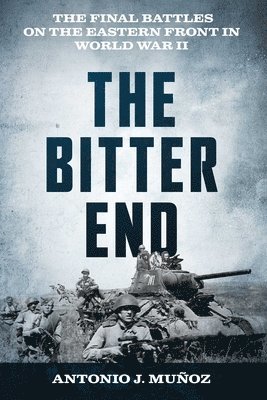
As Hitler’s empire crumbled, the Eastern Front became a crucible of destruction—this is the definitive account of its final, brutal months.The world had never seen anything like the Eastern Front in World War II. In the so-called bloodlands between Nazi Germany and the Soviet Union—from the Baltic in the north to the Balkans, the Crimea, and the Caucasus in the south—the two sides clashed in a series of titanic campaigns that involved millions of soldiers and entangled many more civilians. During the war’s last year, the Eastern Front descended into cataclysm as the Red Army forced the Germans into retreat and collapse. The Bitter End chronicles this chaotic final stage of World War II, distilling a sprawling conflict into a concise and highly readable narrative.In concert with the American and British invasion of Normandy in the West, the Soviets launched the war’s endgame with Operation Bagration in June 1944 and crushed the German center. It was Barbarossa in reverse as the Red Army killed or captured German forces by the hundreds of thousands. From there, Soviet offensives spread all along the Eastern Front—Finland, the Baltics, the Balkans, Romania—and inflicted defeat after defeat on Germany and its Axis allies. In early 1945, Soviet forces took Warsaw and drove the Germans westward out of Poland, along the way liberating concentration camps including Auschwitz. Shattered German forces attempted to regroup for a desperate showdown in Berlin, but the weight of the Red Army was too great, and after two weeks of street fighting, the Reich capital fell. A week later Germany surrendered.From Bagration to Berlin, from the Vistula to the Oder, from the Kremlin to Hitler’s bunker, The Bitter End reconstructs the final battles on the Eastern Front in a narrative covering war-defining operations but never losing sight of the human cost paid by soldiers in the tanks and foxholes and by innocent civilians in the villages, towns, and cities of Eastern Europe.
Inbunden, Engelska, 2025
324 kr
Skickas
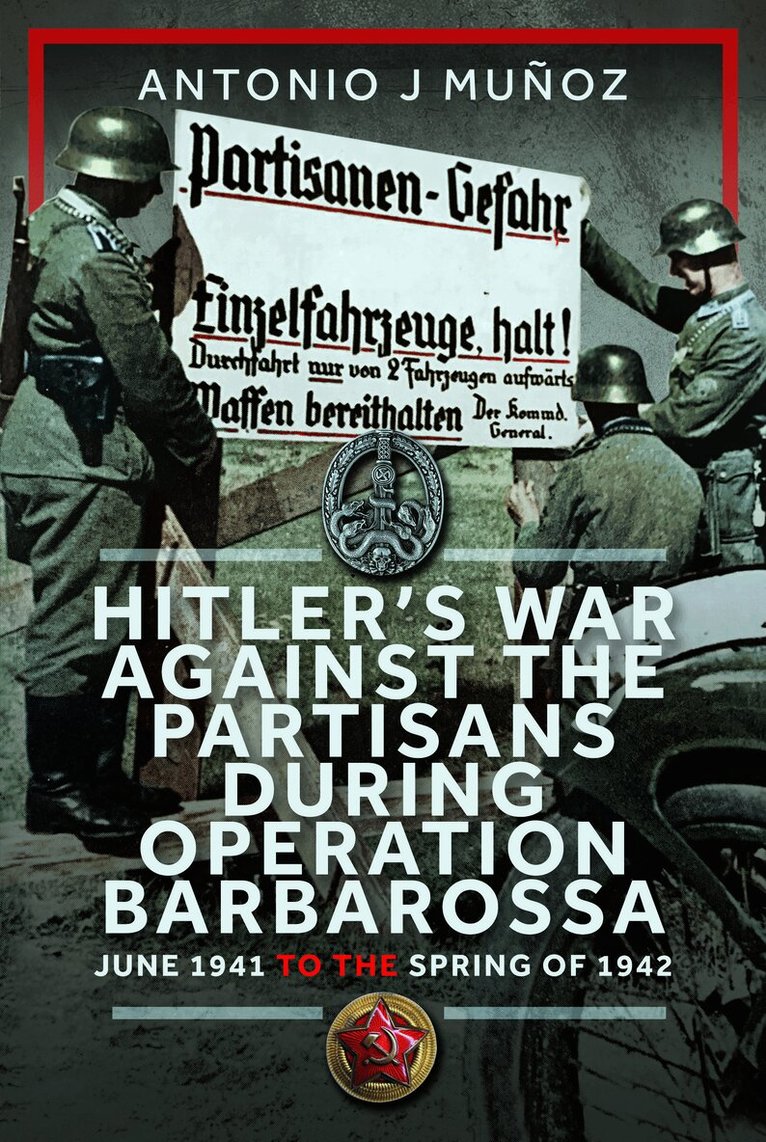
From the start of the war on the Eastern Front, Hitler’s Ostheer, his Eastern Army, would wage a vernichtungskrieg, or war of annihilation, in the East. Never before had such a wide-reaching campaign been fought.Preparations for Germany’s invasion of the Soviet Union had included the drawing up of plans and allocation of resources to secure the newly conquered territories. These plans included the premeditated murder of many innocent civilians. Adolf Hitler said as much when in July 1941, shortly after Stalin ordered the formation of partisans, he told his Army High Command: ‘This partisan war has some advantage for us; it enables us to eradicate everyone who opposes us.’Anticipating resistance to Nazi occupation and rule, Hitler instructed the Ostheer to act ruthlessly, not only on the front lines but in the rear areas as well. When, in July 1941, Stalin ordered partisan forces to be created, the stage was therefore set for the largest and most savage conflict ever waged between a modern military force and a guerrilla army. The scale of the partisan and anti-partisan war on the Eastern Front was as costly and bitterly fought as the struggle on the front lines themselves. Employing thousands of primary source documents and scouring eight separate state archives in six countries over a twenty-two-year period, Antonio J. Muñoz has produced what can be described as a definitive account of this part of the war behind the front lines in the East during the invasion of the Soviet Union.From the very beginning, the Nazis fought this war ruthlessly, by eliminating not only actual guerrillas, but a good portion of the civilian population. Employing dozens of wartime anti-partisan operational instructions, plus newly-created detailed battle maps and full orders of battle, Dr. Muñoz brings this little-known conflict behind the lines into focus for the very first time.The war behind the lines is detailed by district. This includes the Reichskommissariat Ostland region, which comprised the Generalbezirk Estland (Estonia), Generalbezirk Lettland (Latvia), Generalbezirk Litauen (Lithuania), Generalbezirk Bialystok (Northeastern Poland), and Generalbezirk Weißruthenien (Belarus). The book also covers the guerrilla and anti-partisan war in the Reichskommissariat Ukraine (Ukraine region) as well as in north, central and southern Russia. For Russia proper, anti-partisan operations against the guerrillas are broken down by army group area.Not only are the operations described, but the reader will also learn about guerrilla attacks and how the entire partisan movement grew from year to year, and region to region. Hitler’s War Against the Partisans During Operation Barbarossa documents the whole of the beginning of the savage partisan war between June 1941 and the spring of 1942. Never before has every major, and some minor, anti-guerrilla operation been described in such detail.
Inbunden, Engelska, 2025
324 kr
Skickas
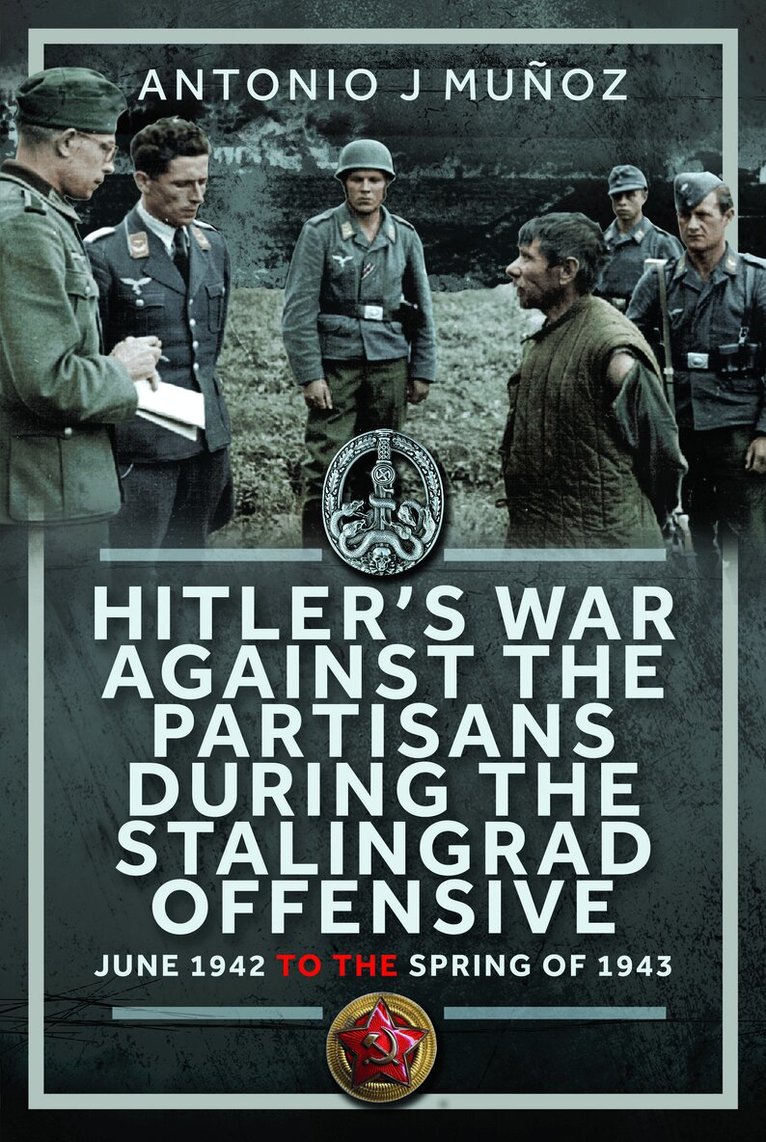
From the start of the war on the Eastern Front, Hitler’s Ostheer, his Eastern Army, and its associated forces would wage a vernichtungskrieg, or war of annihilation, in the East. Never before had such a wide-reaching campaign been fought.The preparations for the war against the partisans began before the launch of Operation Barbarossa, during which the Axis forces immediately put their plans into effect. The effects upon the newly conquered territories were soon being felt.The end of the initial phase of the German invasion of the Soviet Union was met by a Red Army winter offensive which began on 5 December 1941. As the author shows, this had repercussions behind the German lines, where the nascent Soviet partisan movement was attempting to grow and gain a foothold. By the spring of 1942 those early Soviet partisan units were ready to expand. The Germans, aware of the military situation both on the frontlines and in the rear of their armies, also prepared to counter the growing partisan threat. The partisans undoubtedly made a significant contribution to Stalin’s war effort by countering Axis plans to exploit occupied Soviet territories economically, as well as providing valuable assistance to the Red Army by conducting systematic attacks against Hitler's rear communication network.As the German military planned to continue the Russian campaign into the summer of 1942, new security forces were gathered together and sent to the Soviet Union, and a new headquarters specifically organized to fight the guerrilla menace, was established. In this follow-up study, author Antonio Muñoz picks up the partisan and anti-partisan struggle in the East, where Hitler’s War Against the Partisans During Operation Barbarossa left off.The struggle behind the frontlines in Russia proved to be as grand and epic as the fight along the front lines. Dr. Muñoz describes this war of attrition along the entire breath of the USSR. In 1942 the Ostheer, acting on Adolf Hitler’s orders, launched their 1942 summer offensive which was aimed at capturing the Caucasus Mountains and the Russian oil fields that lay there.Dr. Muñoz not only covers the war behind the lines in every region of the occupied USSR, but also describes the German anti-partisan effort behind the lines of Army Group South, as its forces drove into the Caucasus Mountains, the Volga River bend and Stalingrad. No other work has included the guerrilla and anti-partisan struggle specific to the Stalingrad campaign. Muñoz manages to accomplish this, but also to convey the story of the rest of the partisan and anti-guerrilla war in the rest of the USSR from the spring of 1942 to the spring of 1943.
Inbunden, Engelska, 2025
240 kr
Skickas
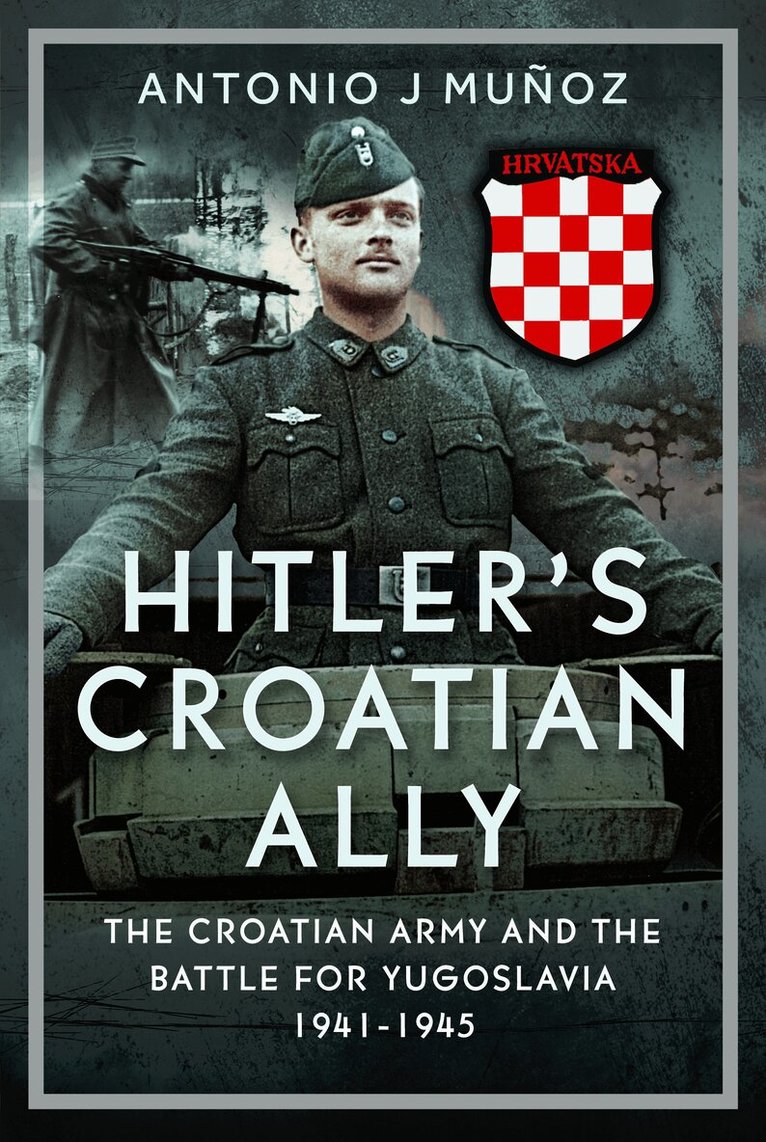
On 6 April 1941, Nazi Germany, along with Italy and Hungary, invaded Yugoslavia after the overthrow of the Yugoslav regent, Prince Paul. Hitler sought to secure the right flank for his upcoming invasion of the USSR and assist Mussolini, who had failed to conquer Greece. The German attack was swift, and by 17 April, Yugoslavia capitulated, leading to the creation of the Independent State of Croatia (NDH).Ante Pavelić, leader of the fascist Ustaše organization, was installed as the head of Croatia. His government immediately began a brutal campaign of repression against non-Croatians, especially Serbs. This sparked rebellions, with Serbian Chetnik bands and Croatian communists forming separate guerrilla movements. The Croatian state was soon overwhelmed by these insurgencies.Italy further complicated matters by creating occupation zones within Croatia, supporting Chetnik bands, and hampering Croatian military efforts. The Croatian Army, unable to fortify its territory due to Italian restrictions, was often attacked by Chetniks and forced to fight on two fronts.Despite these challenges, including inadequate armament and the constant interference of its allies, Croatia maintained a military force that continued to fight until the war’s bitter end.
Inbunden, Engelska, 2025
272 kr
Skickas
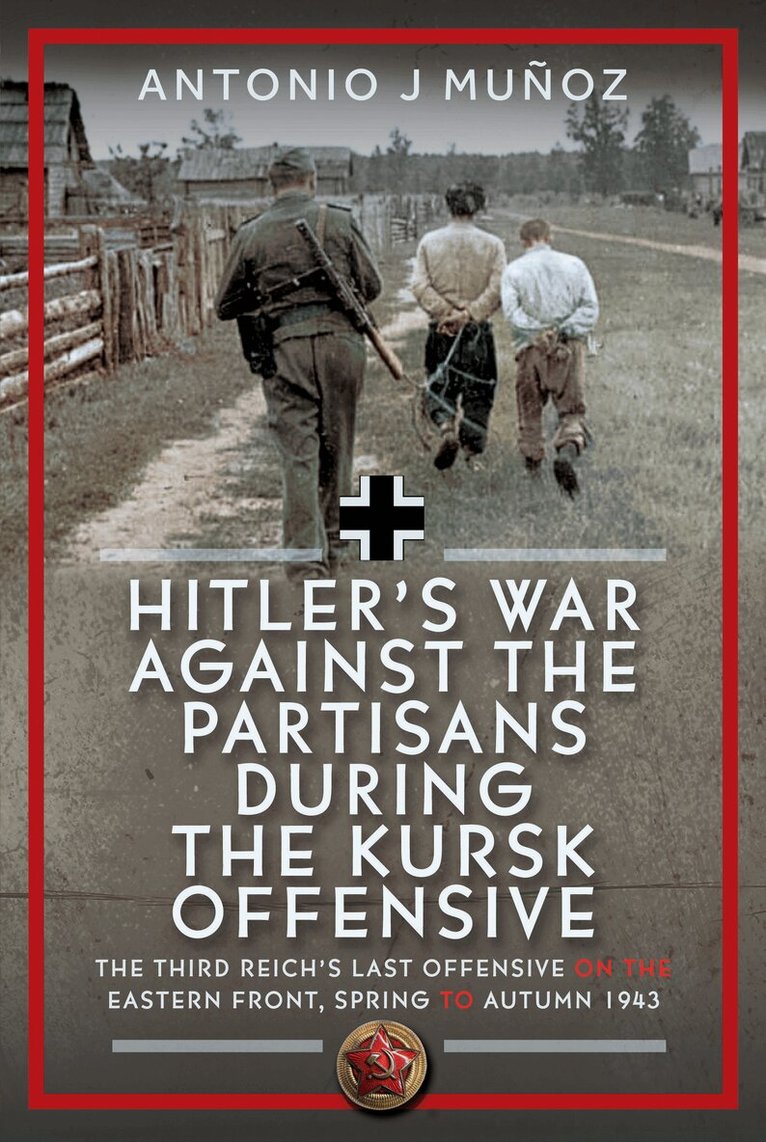
By the summer of 1943, the Soviet partisan forces had grown from small, disorganized groups into a formidable fighting force. Hitler, still holding some advantages, hoped to crush a Red Army salient near Kursk and shorten the front lines with a localized offensive. However, the Soviets anticipated the attack and built extensive defense lines to thwart it, employing large numbers of partisans to disrupt German preparations.The critical period of 1943 saw intense fighting behind German lines, particularly during the "Battle for the Rails" in July and August. Stalin's partisans worked relentlessly to block the flow of German supplies and troops, forcing the Germans to contend with a growing insurgency. Dr. Antonio J. Muñoz’s book examines these guerrilla operations, using German maps to detail partisan movements and the German response, which included increasing anti-partisan operations.The year 1943 marked a turning point in the war on the Eastern Front. While Stalingrad in 1942 revealed Germany's inability to win in Russia, the failed Battle of Kursk in 1943 demonstrated the inevitable loss of the war. The partisan efforts were so successful that, by August 1943, only 80% of the trains carrying supplies reached Army Group Centre’s front lines.
Inbunden, Engelska, 2025
440 kr
Skickas inom 3-6 vardagar
During the Second World War, the Wehrmacht recruited foreigners from diverse regions, including the USSR, the Balkans, North Africa, and the Middle East. Among these were many Muslim volunteers. Hitler’s Muslim Allies delves into their recruitment, motivations, actions, and the consequences of their service to Nazi Germany.The book explores the rise of Arab nationalism in North Africa and the Middle East, as well as nationalist aspirations in the Balkans and the former USSR. It highlights Arab volunteers from North Africa and the Middle East who served in the German Army from 1941–1945.A detailed account is provided of several unique units, including the Bosnian Muslim 13. Waffen Gebirgs Division der SS Handschar, chronicling its recruitment, combat history, and disbandment. The Kaukasischer Waffen Verband der SS (1944–1945), composed of Muslim Caucasian volunteers, is also examined.
Inbunden, Engelska, 2025
324 kr
Skickas
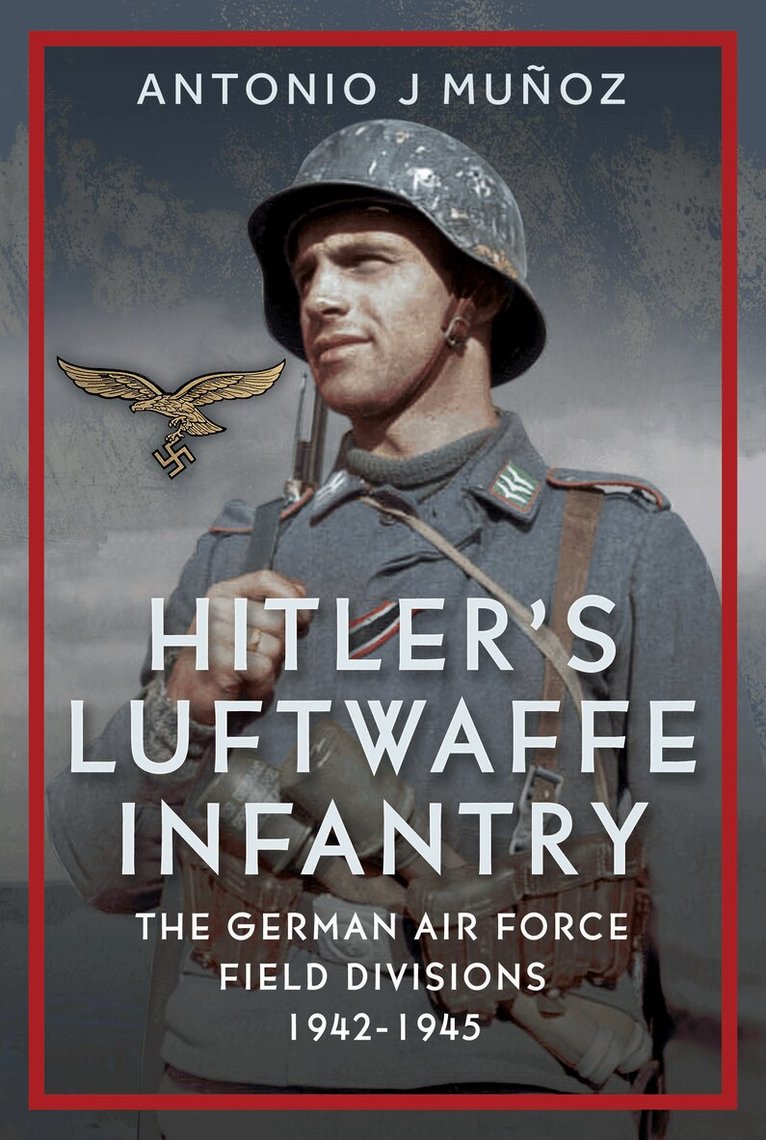
By spring 1942, Hitler’s forces on the Eastern Front were suffering heavy losses. To replace these casualties, the Army requested the transfer of 20,000 men from the Kriegsmarine and 200,000 airmen from the Luftwaffe to be retrained as infantry. Reichsmarschall Hermann Göring, head of the Luftwaffe, vehemently opposed the plan, fearing it would diminish his political power after several Luftwaffe failures. He proposed instead that the Luftwaffe raise and equip these 200,000 men, arguing their Nazi spirit would benefit the war effort.Hitler, prioritizing political loyalty over military logic, approved the creation of Luftwaffen Felddivisionen (Luftwaffe Field Divisions). Despite being ill-suited for front-line combat, these divisions were deployed in all theatres except North Africa. They were generally ineffective, with many regarded as fit only for garrison duties. On the Eastern Front, they struggled due to the brutal intensity of the fighting. However, two divisions, the 12th and 21st, performed relatively well.This in-depth study examines the Luftwaffe Field Divisions, uncovering the tragic consequences of Göring’s decision. Many Luftwaffe personnel perished in these ill-prepared divisions, whose lives might have been spared had they received proper Army training. The research draws on extensive archival materials, highlighting the human cost of this strategic blunder.
Inbunden, Engelska, 2025
272 kr
Skickas
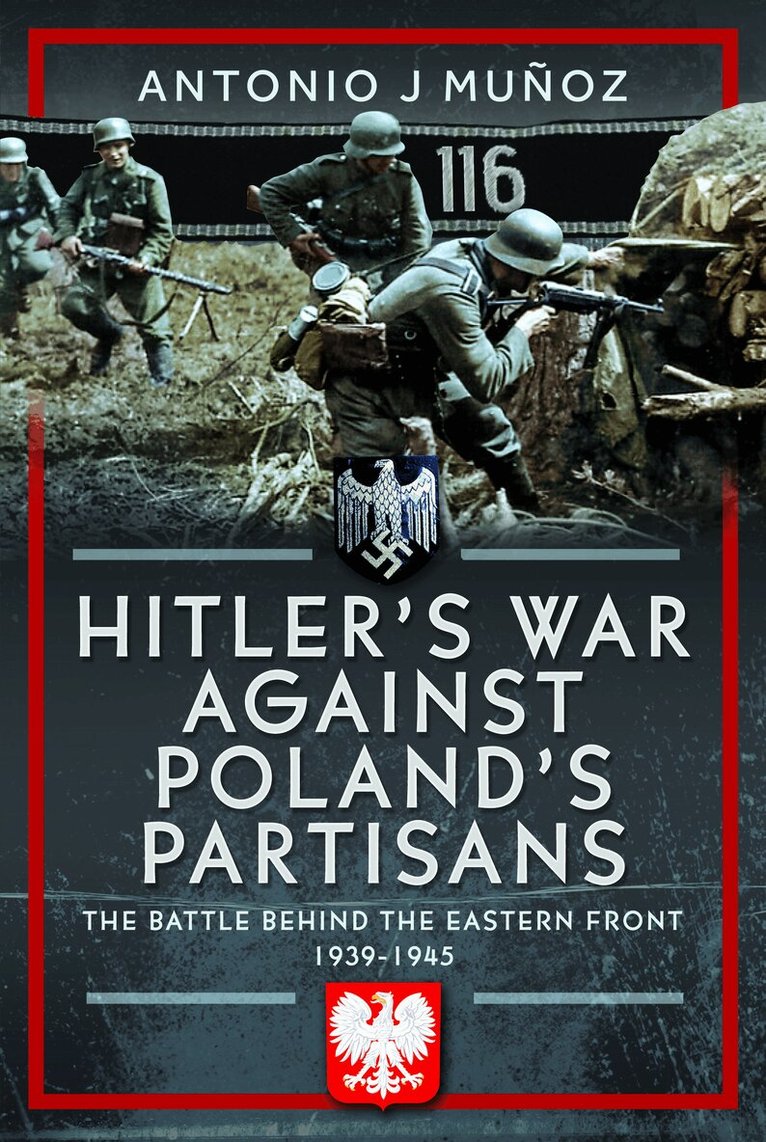
From the start of the invasion and occupation of Poland, Nazi Germany waged a vernichtungskrieg – a war of annihilation – in the East. The people of Poland were the first to feel the wrath of Nazi repression in the East in what would serve as a blueprint for the terrors which would be inflicted on other nations when Hitler invaded the Soviet Union.The Germans had prepared carefully for the invasion of Poland. This encompassed securing the newly conquered territories and the premeditated murder of many innocent civilians, and the depopulation of Poles from entire regions of the country. Hitler instructed his henchmen to act ruthlessly, not only against any organized resistance in Poland, but against the Polish civilian population as well. When Polish patriots were stung into organized retaliation, the stage was set for a savage conflict which was waged throughout the war between the Nazi war machine and its immense internal security forces and Poland’s partisans.To adequately supress the Poles necessitated the transfer of German training, reserve, and replacement troops into Poland, who in normal circumstances would have remained inside the borders of the Reich. Yet, as the Polish patriots increased their attacks against the Nazi oppressor, Reichsführer SS Heinrich Himmler also found it increasingly necessary to reinforce the existing SS and police forces already stationed in Poland. Beginning in the spring of 1942 Polish guerrilla attacks against the Nazi occupation army increased, and by 1943 the Germans were losing, on average, twenty-five to thirty men per day on Polish territory. The culmination of resistance to German rule was the uprising by the Polish Home Army on 1 August 1944 in the Polish capital. The brutal Warsaw Uprising saw the loss of unknown thousands of men on both sides and the death of possibly more than 100,000 civilians.Employing dozens of actual German Bandenlagekarten wartime anti-partisan maps, plus newly created detailed battle maps and full orders of battle, Dr Muñoz brings this little-known conflict in Poland into hard focus for the very first time, with every major, and some minor, anti-guerrilla operation in Poland being comprehensively presented. Hitler’s War Against Poland’s Partisans is the first time the entire partisan and anti-partisan war in Poland has been fully documented from start to finish.
Inbunden, Engelska, 2026
440 kr
Kommande
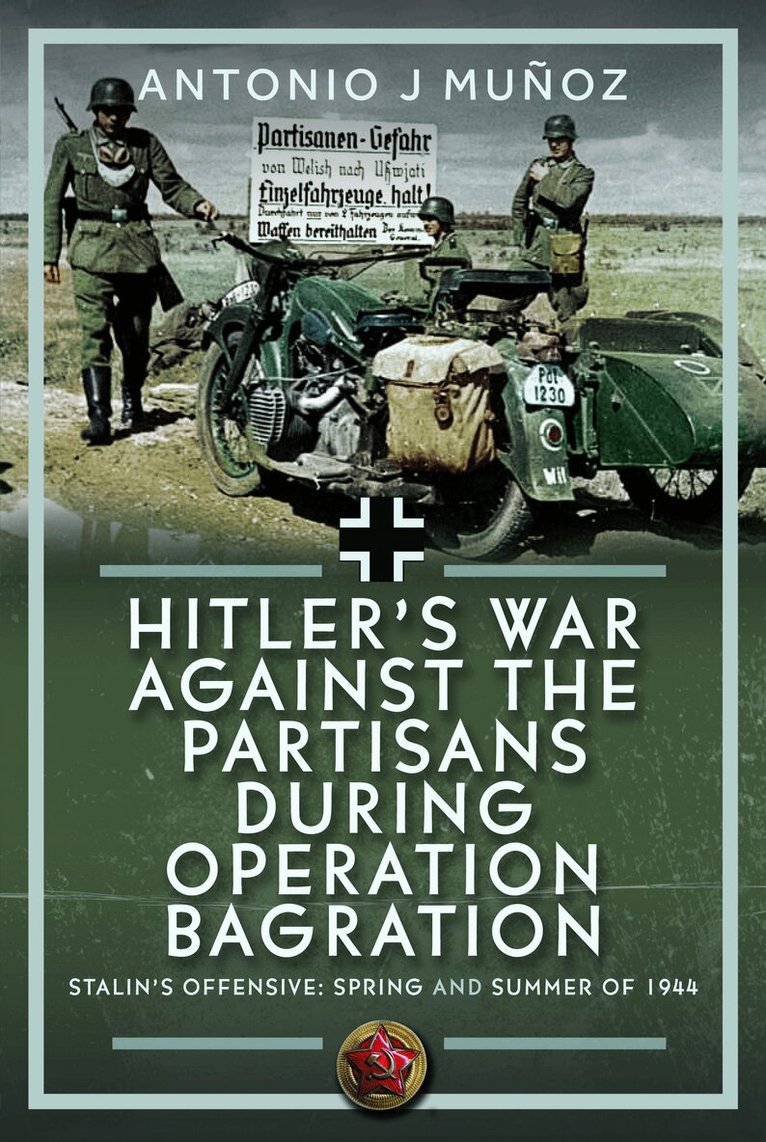
After the disastrous Battle of Kursk in July 1943, the Soviets went on the offensive. A series of counterattacks began all along the Eastern Front that would eventually lead the Red Army to the Nazi capital in less than two years. One of these, Operation Bagration, fought between 22 June and 19 August 1944, resulted in the largest defeat in German military history.Coordinating with these huge Soviet forces were the partisans, who would be instrumental in destroying rail lines, lines of communication, German munitions and supply depots behind the German lines before the Red Army would make its attack. Quite often increased partisan activity behind the lines indicated to the Germans exactly where the next Red Army offensive would be launched.By the beginning of 1944 it was clear to all but the most naïve or the most fanatical that Germany’s back was against the wall; for the Wehrmacht, the war in the East was not going well. One did not need to see the calamites happening to the Ostheer (the German eastern army) on the front lines to realize this. All one had to do was to look at the rising partisan threat and the growing chaos behind the German lines to appreciate that fact.From the German point of view, something drastic had to be done. In the spring of 1944, the Germans launched a series of new anti-partisan offensives in their rear areas. The intention was to eliminate the partisan threat that was not only helping to impede the arrival of men and materiel to the front but was also a threat to German forces in case they needed to withdraw. Nowhere was this more of a clear and present danger to German forces than in Belarus, where some 180,000 guerrillas were now operating. Indeed, entire regions of the German rear area were totally controlled by the partisans.By the time that Stalin initiated the Bagration offensive, the fight behind the lines had undoubtedly become a war within a war. Drawing on hundreds of archive documents, Dr. Muñoz examines in detail this kaleidoscope of bitter fighting, heartless cruelty and danger, as the last year of the partisan war in the Soviet Union unfolded.
Inbunden, Engelska, 2026
271 kr
Kommande
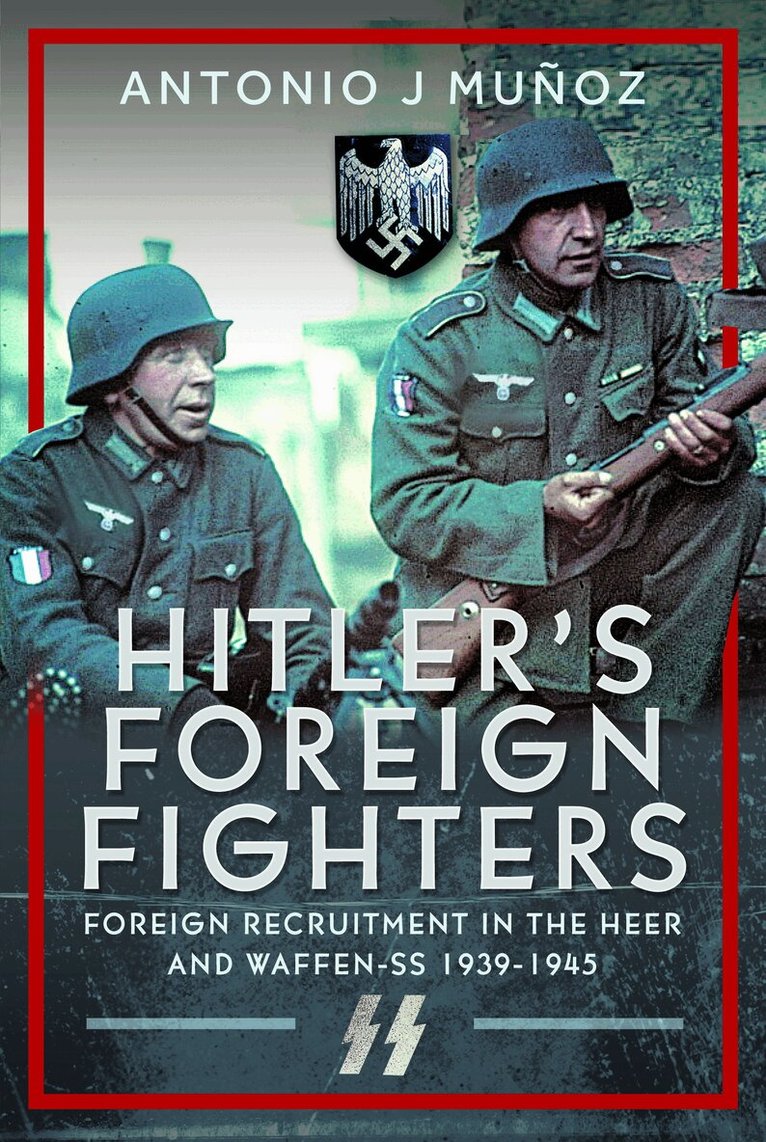
When the Second World War broke out, Nazi Germany was determined to present its struggle as a purely Aryan crusade. Yet as the conflict expanded and the human cost mounted, Hitler’s armies increasingly relied on non-Aryans to sustain the fight. By the war’s end, hundreds of thousands of foreigners had donned the uniform of the German Feldheer (Field Army). These men filled the ranks of the Wehrmacht and the Waffen-SS. Their stories – stretching from Scandinavia to the Balkans, from France and Spain and North Africa to the Baltic States and the Soviet Union – reveal the extent to which the Third Reich was a multinational war machine, despite its own racist ideology.Hitler’s Foreign Fighters is a comprehensive study of these men, exploring who they were, the various reasons they ended up serving in the Wehrmacht or Waffen-SS, and how they were used by a regime that both despised and depended upon them. Some were convinced volunteers, persuaded by propaganda and anti-Communist zeal. Others were opportunists seeking better pay, self preservation, or better rations. Many more were conscripts or reluctant recruits, swept up by coercion, circumstance, or fear. Together, they formed one of the most diverse and complex groups of participants in the war, a group that challenges simple categories of collaboration and resistance.The book traces the full arc of this phenomenon, from the early enlistment of ‘Aryan’ Germanic volunteers celebrated as racial brothers, to the gradual widening of recruitment into Western Europe, the Balkans, North Africa and the occupied Soviet territories. As the tide of war turned, the Nazi regime grew ever more desperate, drawing upon ethnic Germans from annexed regions, Slavic conscripts, and even Muslim contingents from the Caucasus and North Africa.Authoritative and wide-ranging, this book sheds new light on one of the most revealing yet understudied dimensions of the Second World War. By uncovering the multinational character of Hitler’s armies, it challenges assumptions about the war in Europe and deepens our understanding of how ideology, pragmatism, and desperation intersected in the making of the Nazi war effort.
Häftad, Engelska, 2018
488 kr
Skickas inom 5-8 vardagar
The Geheime Feldpolizei (Secret Field Police) was the political police force of the German Army during World War II. Its members were drawn from both the regular German police, including detectives, and various Nazi security organizations. The goals of the GFP were numerous and included protecting important political and military leaders; investigating black market activities as well as acts of sabotage and espionage; locating deserters; examining anti-German activists and hunting down partisans. While performing these duties, GFP members immersed themselves in criminal activities. This book focuses on the function of the GFP in Greece compared to that of the GFP elsewhere in Europe.