Antony Lentin – författare
Visar alla böcker från författaren . Handla med fri frakt och snabb leverans.
4 produkter
4 produkter
Inbunden, Engelska, 2010
179 kr
Skickas inom 7-10 vardagar
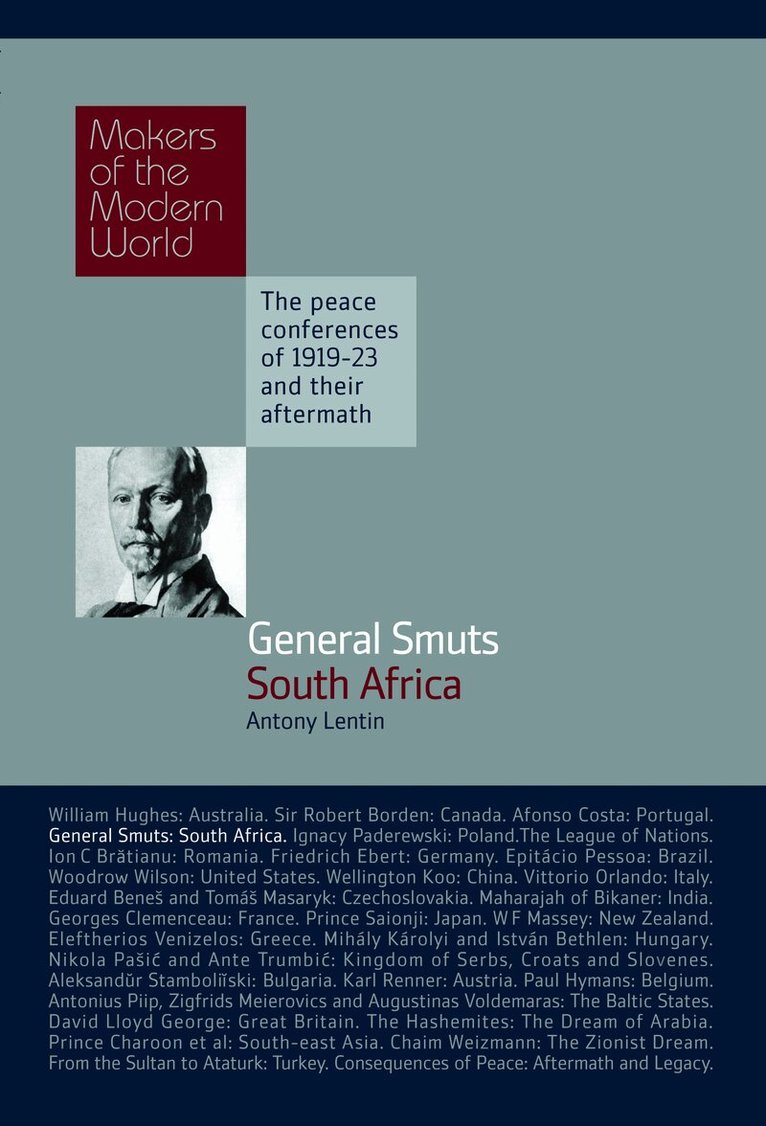
Jan Christian Smuts was one of the key figures behind the creation of the League of Nations; Woodrow Wilson was inspired by his ideas on the League and borrowed heavily from them, including the mandates scheme, whereby South Africa took responsibility for Namibia. Alarmed at the turn that peacemaking was taking, Smuts took the lead in urging moderation on reparations and Germany's frontiers with Poland and pleaded for a magnanimous peace, warning that the treaty of Versailles would lead to another war. Declaring I return to South Africa a defeated man', Smuts encouraged Keynes to write The Economic Consequences of the Peace, and denounced the occupation of the Ruhr in 1923. He became Prime Minister of South Africa and a leading Commonwealth statesman. He made important contributions to the British cause in the Second World War and was instrumental in the establishment of the United Nations.
Häftad, Engelska, 2013
212 kr
Skickas inom 7-10 vardagar
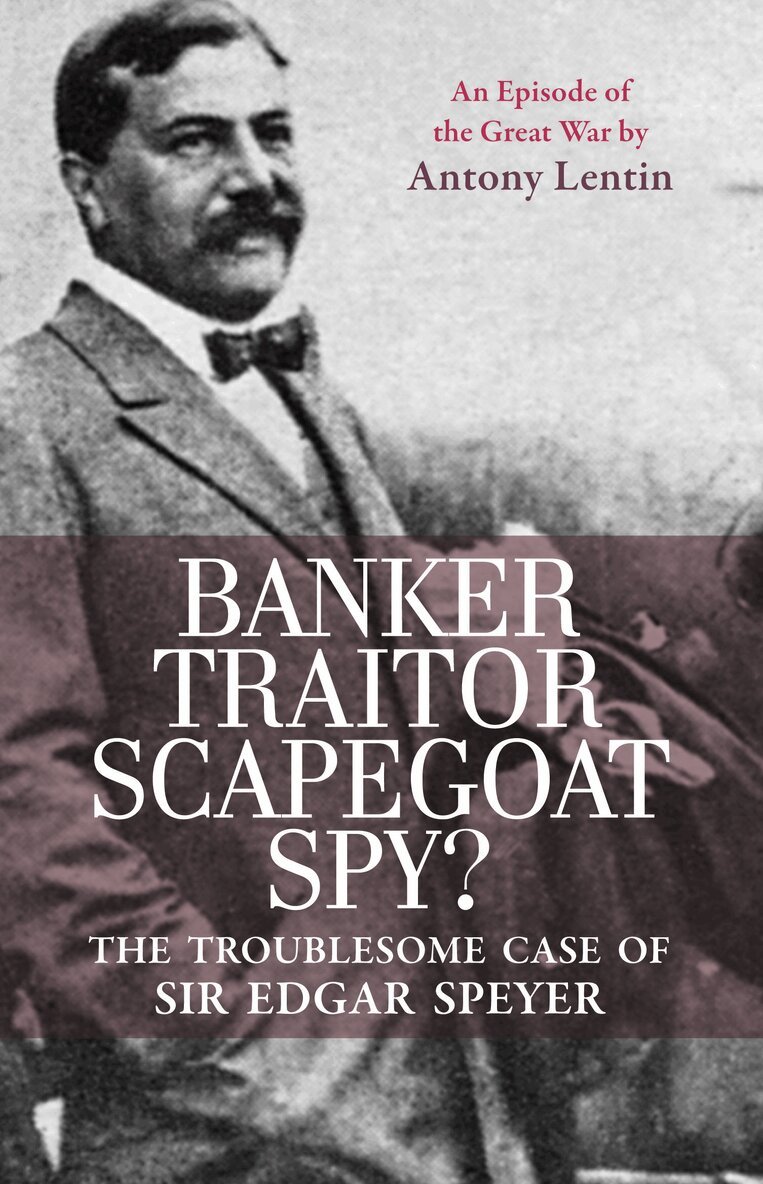
Sir Edgar Speyer (1862-1932) was a celebrated figure in the financial, cultural and political high life of Edwardian England. ‘King of the London Underground’ and friend of Liberal Prime Minister Asquith, he was a generous public benefactor, who rescued the Proms from disaster and directed the funding of Captain Scott’s Antarctic expeditions. In 1914 Speyer stood at the peak of his fame.On the outbreak of the war, he became a pariah. Though a naturalised British citizen for over 20 years, his German parentage caused him to be ostracised by society and hounded out of the country by unscrupulous politicians and irresponsible Press. In 1921, under the newly enacted Aliens Act, he appeared before a judicial tribunal, which found him guilty of disloyalty and disaffection, and of communicating and trading with Germany in wartime. He was stripped of his citizenship and membership of the Privy Council.Traitor, spy or scapegoat for the Liberal Party? The Speyer case remains controversial: in the foreword, Sir Louis Blom-Cooper QC sees Speyer as the victim of injustice, while other scholars do not doubt his pro-German sympathies. Professor Lentin provides a balanced analysis, using newly-released documents to give the first detailed account of the fall of Sir Edgar Speyer.
Inbunden, Engelska, 2017
1 738 kr
Tillfälligt slut
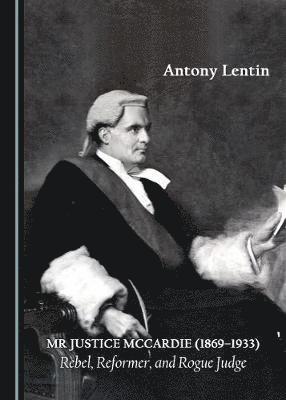
According to the Law Journal in 1932, 'No present-day figure on the Bench is of greater interest than Mr Justice McCardie'. A High Court Judge from 1916 to 1933, no twentieth-century judge was more conspicuous or controversial. To his critics, he was a 'rogue judge' whose headline-hitting pronouncements often angered his fellow judges, called down the ire of the Churches, provoked calls in Parliament for his removal and earned a public rebuke from the Prime Minister. To his admirers, he was 'a Crusader on the Bench', a pioneer who denounced outdated laws, strove to make the law meet the needs of modern society and boldly championed women's causes, birth control and abortion. The Law Quarterly Review described him as 'one of the most interesting men in the history of the English Bench.'
Inbunden, Engelska, 2009
1 005 kr
Tillfälligt slut
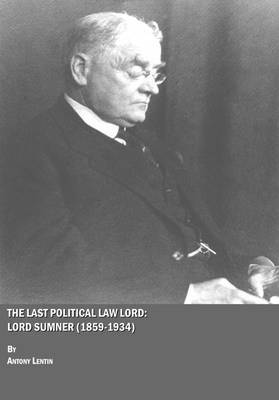
2009 marks the 150th anniversary of the birth of John Andrew Hamilton, Viscount Sumner (1859-1934), one of the greatest of English judges. His trenchant rulings, characterized by deep learning, wisdom and lucidity, and delivered with rare literary distinction and wit, are cited with respect and admiration as classics of the Common Law.Sumner's personality, assured, articulate, dominating -'an amazingly powerful person' (Harold Laski)—also marked his controversial interventions in British public life. Uniquely for a law lord, he was appointed a delegate to the Paris Peace Conference of 1919, where he strenuously advocated and helped to frame the much criticized reparation chapter of the Treaty of Versailles. As one of the `most formidable gladiators' on the 'Diehard' wing of the Conservative Party, Sumner aspired—unsuccessfully—to the Woolsack. He defied the growing convention that law-lords should remain silent on political issues, speaking out forcefully on such sensitive topics as the Amritsar 'massacre', the Irish settlement and the General Strike. He resigned from the Bench in 1930 to campaign, as president of the Indian Empire Society, against moves towards Indian independence, and he was a leading activist in the cause of House of Lords reform. With the abolition in 2009 of the Lords of Appeal in Ordinary (the law lords), Sumner stands out in sharp historical relief as an outstanding judge, a remarkable individual and as 'the last political law lord'.