Antony Radford - Böcker
Visar alla böcker från författaren Antony Radford. Handla med fri frakt och snabb leverans.
6 produkter
6 produkter
1 591 kr
Tillfälligt slut
Understanding Sustainable Architecture is a review of the assumptions, beliefs, goals and bodies of knowledge that underlie the endeavour to design (more) sustainable buildings and other built developments. Much of the available advice and rhetoric about sustainable architecture begins from positions where important ethical, cultural and conceptual issues are simply assumed. If sustainable architecture is to be a truly meaningful pursuit then it must be grounded in a coherent theoretical framework. This book sets out to provide that framework. Through a series of self-reflective questions for designers, the authors argue the ultimate importance of reasoned argument in ecological, social and built contexts, including clarity in the problem framing and linking this framing to demonstrably effective actions. Sustainable architecture, then, is seen as a revised conceptualisation of architecture in response to a myriad of contemporary concerns about the effects of human activity. The aim of this book is to be transformative by promoting understanding and discussion of commonly ignored assumptions behind the search for a more environmentally sustainable approach to development. It is argued that design decisions must be based on both an ethical position and a coherent understanding of the objectives and systems involved. The actions of individual designers and appropriate broader policy settings both follow from this understanding.
725 kr
Skickas inom 10-15 vardagar
Understanding Sustainable Architecture is a review of the assumptions, beliefs, goals and bodies of knowledge that underlie the endeavour to design (more) sustainable buildings and other built developments. Much of the available advice and rhetoric about sustainable architecture begins from positions where important ethical, cultural and conceptual issues are simply assumed. If sustainable architecture is to be a truly meaningful pursuit then it must be grounded in a coherent theoretical framework. This book sets out to provide that framework. Through a series of self-reflective questions for designers, the authors argue the ultimate importance of reasoned argument in ecological, social and built contexts, including clarity in the problem framing and linking this framing to demonstrably effective actions. Sustainable architecture, then, is seen as a revised conceptualisation of architecture in response to a myriad of contemporary concerns about the effects of human activity. The aim of this book is to be transformative by promoting understanding and discussion of commonly ignored assumptions behind the search for a more environmentally sustainable approach to development. It is argued that design decisions must be based on both an ethical position and a coherent understanding of the objectives and systems involved. The actions of individual designers and appropriate broader policy settings both follow from this understanding.
635 kr
Kommande
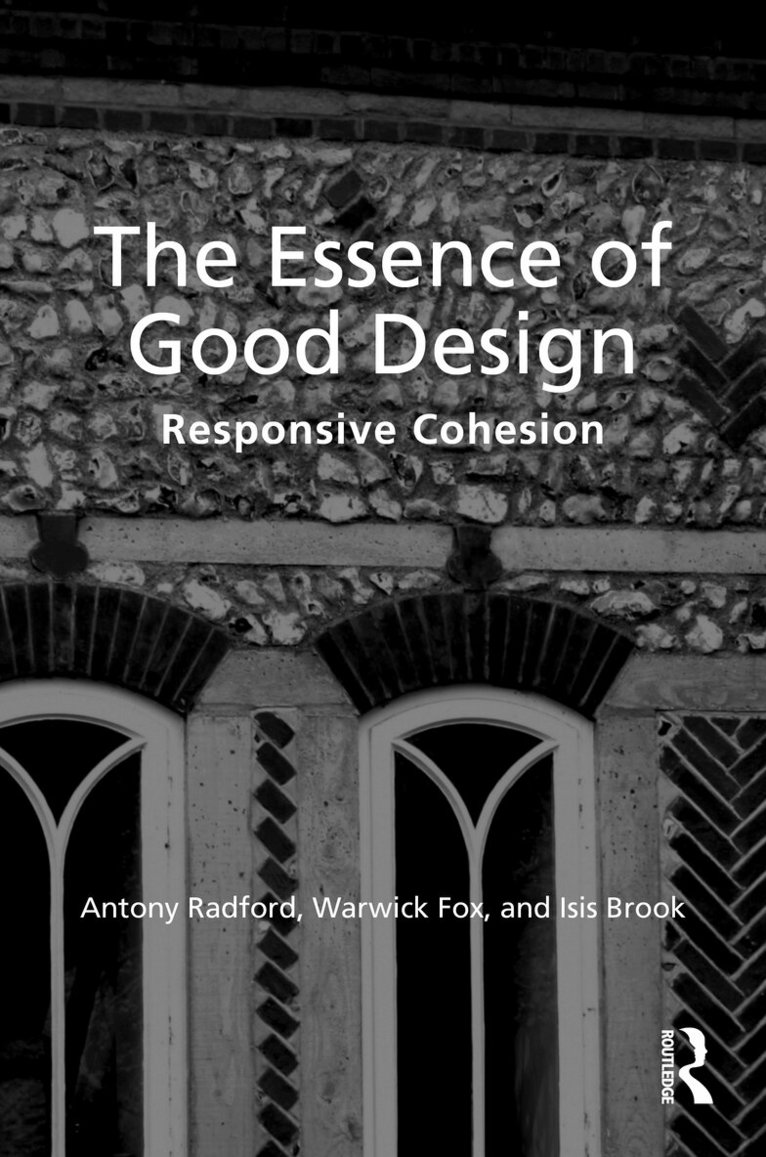
Written by a designer and two philosophers, this short, highly illustrated book explores the idea that responsive cohesion is the essence of good design.Responsive cohesion refers to a state in which things ‘hold together’ (or cohere) due to the mutual responsiveness of the features that constitute them. This contrasts with fixed cohesion (in which things hold – or are held – together in a more forced, constrained, or non-mutually responsive way) and discohesion (in which things don’t hold together well or at all). The authors argue that responsive cohesion is the best form of organisation in general and, thus, the best guide to creating those deliberate forms of organisation we refer to as ‘design’. Moreover, this claim applies not only to individual examples of design but also, and importantly, to how these items fit with their wider human-constructed, human social, and ecological contexts.The book shows how these ideas illuminate and can be applied to a wide range of design areas, ranging from gardens and domestic objects to architecture, urban design and cultural landscapes. Both accessible and rigorous, this book is essential reading for designers and a compelling introduction for those interested in design.
2 325 kr
Kommande
Written by a designer and two philosophers, this short, highly illustrated book explores the idea that responsive cohesion is the essence of good design.Responsive cohesion refers to a state in which things ‘hold together’ (or cohere) due to the mutual responsiveness of the features that constitute them. This contrasts with fixed cohesion (in which things hold – or are held – together in a more forced, constrained, or non-mutually responsive way) and discohesion (in which things don’t hold together well or at all). The authors argue that responsive cohesion is the best form of organisation in general and, thus, the best guide to creating those deliberate forms of organisation we refer to as ‘design’. Moreover, this claim applies not only to individual examples of design but also, and importantly, to how these items fit with their wider human-constructed, human social, and ecological contexts.The book shows how these ideas illuminate and can be applied to a wide range of design areas, ranging from gardens and domestic objects to architecture, urban design and cultural landscapes. Both accessible and rigorous, this book is essential reading for designers and a compelling introduction for those interested in design.
557 kr
Skickas inom 10-15 vardagar
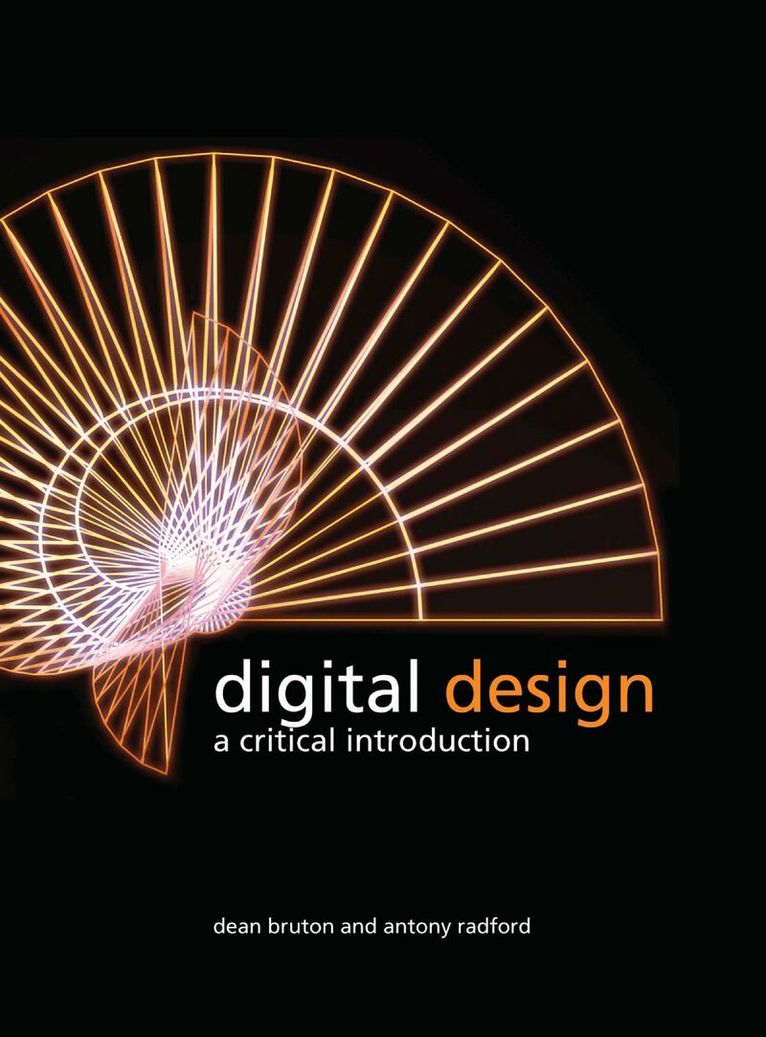
Digital Design: A Critical Introduction provides a much-needed new perspective on designing with digital media. Linking ideas from media theory, generative design and creativity with examples from nature, art, architecture, industrial design, websites, animation and games, it addresses some fundamental questions about creative design with digital media. Featuring original material based on the authors' own research, the book argues that the recognition and understanding of the interplay of the two apparently opposing concepts of rules and contingency supports original thinking, creativity and innovation.Going beyond existing texts on the subject, Digital Design is an accessible primer whose innovative approach transcends the analysis of individual subfields - such as animation, games and website design - yet offers practical help within all of them.
1 619 kr
Skickas inom 10-15 vardagar
Digital Design: A Critical Introduction provides a much-needed new perspective on designing with digital media. Linking ideas from media theory, generative design and creativity with examples from nature, art, architecture, industrial design, websites, animation and games, it addresses some fundamental questions about creative design with digital media. Featuring original material based on the authors' own research, the book argues that the recognition and understanding of the interplay of the two apparently opposing concepts of rules and contingency supports original thinking, creativity and innovation.Going beyond existing texts on the subject, Digital Design is an accessible primer whose innovative approach transcends the analysis of individual subfields - such as animation, games and website design - yet offers practical help within all of them.