Antti Lampinen – författare
Visar alla böcker från författaren . Handla med fri frakt och snabb leverans.
5 produkter
5 produkter
Inbunden, Engelska, 2022
1 371 kr
Skickas inom 10-15 vardagar
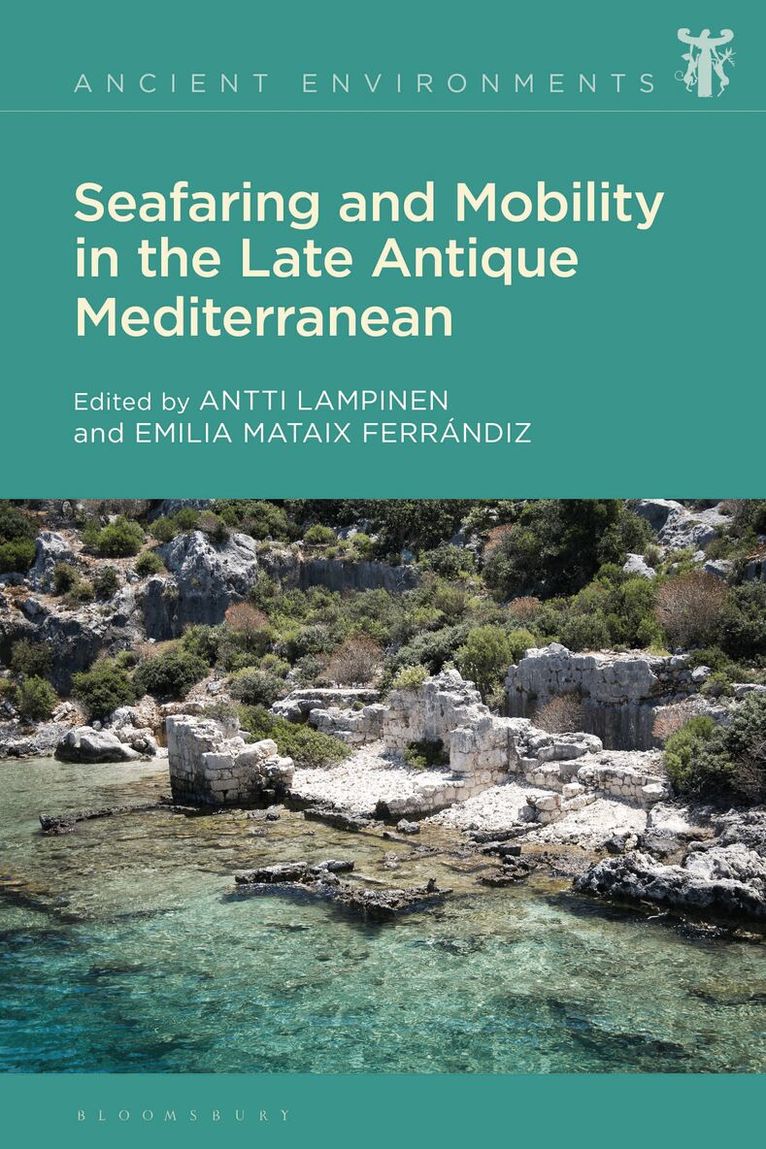
More than any other type of environment, with the possible exception of mountains, the sea has been understood since antiquity as being immovable to a proverbial degree. Yet it was the sea’s capacity for movement – both literally and figuratively through such emotions as fear, hope and pity – that formed one of the primary means of conceptualizing its significance in Late Antique societies.This volume advances a new and interdisciplinary understanding of what the sea as an environment and the pursuit of seafaring meant in antiquity, drawing on a range of literary, legal and archaeological evidence to explore the social, economic and cultural factors at play. The contributions are structured into three thematic parts which move from broad conceptual categories to specific questions of networks and mobility. Part One takes a wide view of the Mediterranean as an environment with great metaphorical and symbolic potential. Part Two looks at networks of seaborne communication and the role of islands as the characteristic hubs of the Mediterranean. Finally, Part Three engages with the practicalities of tackling the sea as a challenging environment that needs to be challenged politically, legally and for the means of travel.
E-bok
PDF, Engelska, 2022468 kr
Läs direkt efter köp
More than any other type of environment, with the possible exception of mountains, the sea has been understood since antiquity as being immovable to a proverbial degree. Yet it was the sea''s capacity for movement – both literally and figuratively through such emotions as fear, hope and pity – that formed one of the primary means of conceptualizing its significance in Late Antique societies. This volume advances a new and interdisciplinary understanding of what the sea as an environment and the pursuit of seafaring meant in antiquity, drawing on a range of literary, legal and archaeological evidence to explore the social, economic and cultural factors at play. The contributions are structured into three thematic parts which move from broad conceptual categories to specific questions of networks and mobility. Part One takes a wide view of the Mediterranean as an environment with great metaphorical and symbolic potential. Part Two looks at networks of seaborne communication and the role of islands as the characteristic hubs of the Mediterranean. Finally, Part Three engages with the practicalities of tackling the sea as a challenging environment that needs to be challenged politically, legally and for the means of travel.
E-bok
Engelska, 2022468 kr
Läs direkt efter köp
More than any other type of environment, with the possible exception of mountains, the sea has been understood since antiquity as being immovable to a proverbial degree. Yet it was the sea''s capacity for movement – both literally and figuratively through such emotions as fear, hope and pity – that formed one of the primary means of conceptualizing its significance in Late Antique societies. This volume advances a new and interdisciplinary understanding of what the sea as an environment and the pursuit of seafaring meant in antiquity, drawing on a range of literary, legal and archaeological evidence to explore the social, economic and cultural factors at play. The contributions are structured into three thematic parts which move from broad conceptual categories to specific questions of networks and mobility. Part One takes a wide view of the Mediterranean as an environment with great metaphorical and symbolic potential. Part Two looks at networks of seaborne communication and the role of islands as the characteristic hubs of the Mediterranean. Finally, Part Three engages with the practicalities of tackling the sea as a challenging environment that needs to be challenged politically, legally and for the means of travel.
Häftad, Engelska, 2024
438 kr
Skickas inom 10-15 vardagar
More than any other type of environment, with the possible exception of mountains, the sea has been understood since antiquity as being immovable to a proverbial degree. Yet it was the sea’s capacity for movement – both literally and figuratively through such emotions as fear, hope and pity – that formed one of the primary means of conceptualizing its significance in Late Antique societies.This volume advances a new and interdisciplinary understanding of what the sea as an environment and the pursuit of seafaring meant in antiquity, drawing on a range of literary, legal and archaeological evidence to explore the social, economic and cultural factors at play. The contributions are structured into three thematic parts which move from broad conceptual categories to specific questions of networks and mobility. Part One takes a wide view of the Mediterranean as an environment with great metaphorical and symbolic potential. Part Two looks at networks of seaborne communication and the role of islands as the characteristic hubs of the Mediterranean. Finally, Part Three engages with the practicalities of tackling the sea as a challenging environment that needs to be challenged politically, legally and for the means of travel.
E-bok
PDF, Engelska, 2024688 kr
Läs direkt efter köp
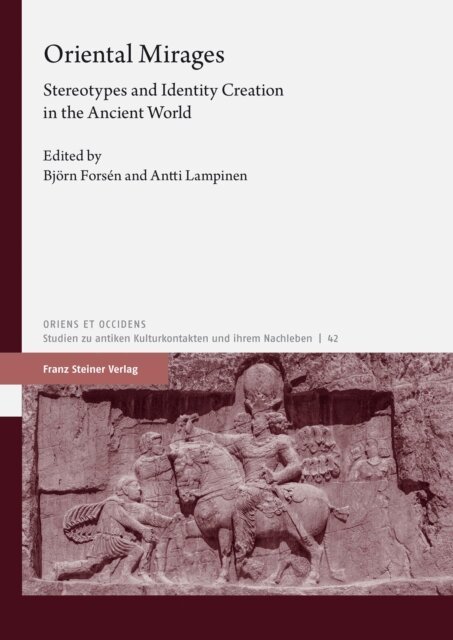
Edward Said, in his seminal book Orientalism, perceived clear links between the ancient Greek and Roman stereotypes of the East and the prejudiced European nineteenth-century picture of the Muslim world, which was considered exotic, backward, uncivilised, degenerate, and dangerous, in contrast with the Western societies that were seen as developed, rational, flexible, and, above all, superior. However, the reality is much more complex - shaped by both the imperialist perceptions of defeated enemies embraced by all Middle Eastern empires going back at least to the Assyrians, and the intermixed admiration and jealousy of the old 'Eastern' traditions of learning. Part of the Greek and Roman stereotypes of the East are rooted in the interaction with eastern imperial ideals, being taken over and further developed to strengthen common Hellenic and Roman identities. Due to the subsequent free borrowing of these stereotypes and their application to different societies, the Orient has always been a moving '(n)everwhere' with each culture constructing their own Oriental mirages.