Anwar Mhajne - Böcker
Visar alla böcker från författaren Anwar Mhajne. Handla med fri frakt och snabb leverans.
4 produkter
4 produkter
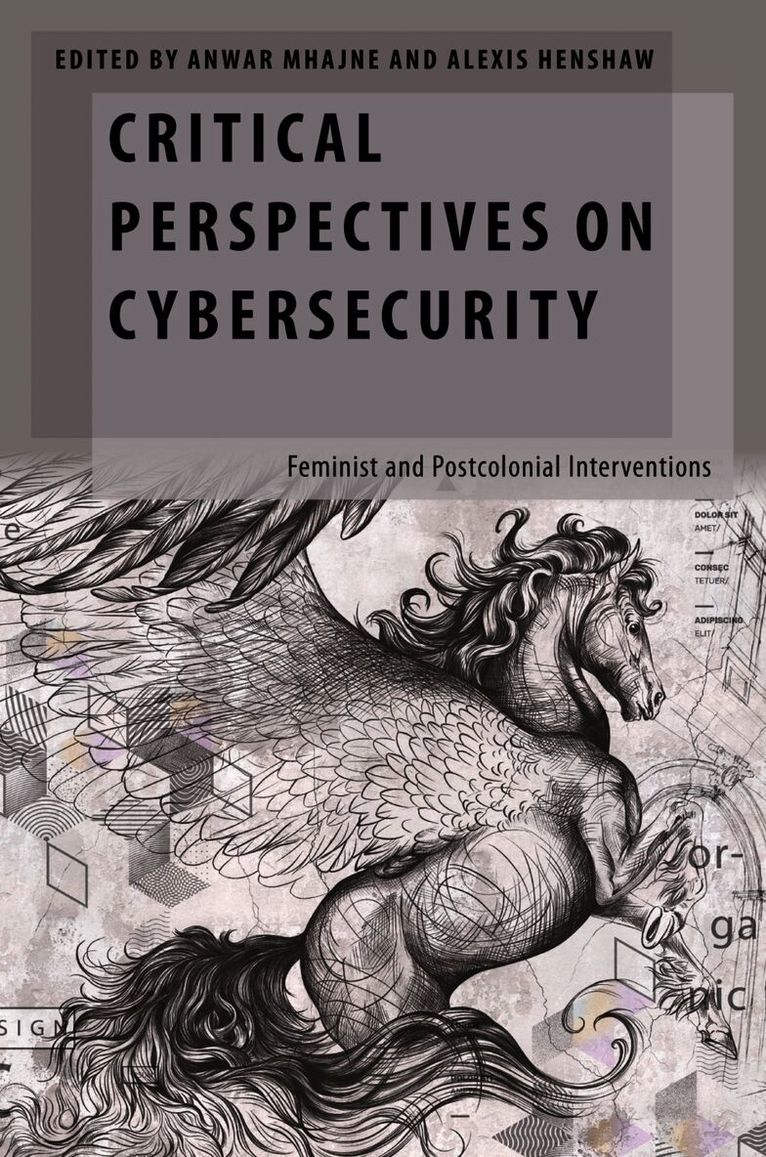
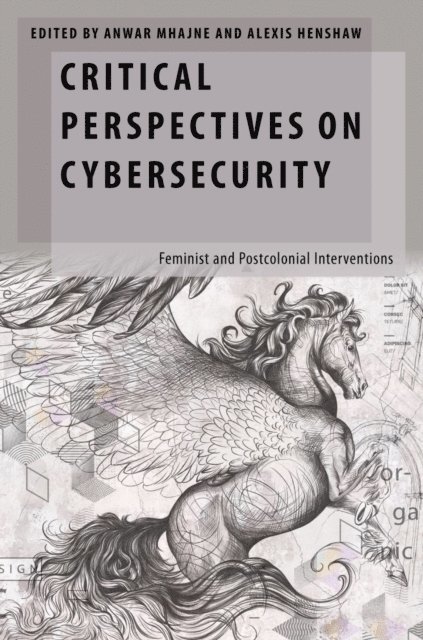
Critical Perspectives on Cybersecurity
Feminist and Postcolonial Interventions
Inbunden, Engelska, 2024
929 kr
Skickas inom 7-10 vardagar
Traditional notions of national security have generally dominated cybersecurity debates, but the response to emerging cybersecurity issues should not merely focus on the militarization of cyberspace. Weaponizing a space heavily populated by civilians has enormous implications for human rights. Yet, cybersecurity studies in international relations have largely overlooked the impact of cybersecurity policies on individuals and communities--including the consequences of surveillance, data overcollection, cybercrime, and cyberbullying. Critical Perspectives on Cybersecurity offers a new approach to understanding cybersecurity in international relations. As a counterpoint to existing work, which focuses largely on the security of states, private actors, and infrastructure, chapter authors examine how women and communities across the Global South understand "cybersecurity," including what threats and forms of resistance are most important to them. They make the case that policies need to consider individual human rights by putting people's empowerment and wellbeing at their center. Drawing on feminist and postcolonial theory, the chapters also cover issues that challenge conventional notions of cybersecurity, including disinformation, gender-based violence online, and technology as a neocolonial force. Bringing together contributions from a globally diverse range of authors, Anwar Mhajne and Alexis Henshaw provide a human security perspective on cybersecurity that pays attention to the interplay of race, ethnicity, gender, class, and other social hierarchies, especially regarding cybersecurity in the Global South.
319 kr
Kommande
Traditional notions of national security have generally dominated cybersecurity debates, but the response to emerging cybersecurity issues should not merely focus on the militarization of cyberspace. Weaponizing a space heavily populated by civilians has enormous implications for human rights. Yet, cybersecurity studies in international relations have largely overlooked the impact of cybersecurity policies on individuals and communities--including the consequences of surveillance, data overcollection, cybercrime, and cyberbullying. Critical Perspectives on Cybersecurity offers a new approach to understanding cybersecurity in international relations. As a counterpoint to existing work, which focuses largely on the security of states, private actors, and infrastructure, chapter authors examine how women and communities across the Global South understand "cybersecurity," including what threats and forms of resistance are most important to them. They make the case that policies need to consider individual human rights by putting people's empowerment and wellbeing at their center. Drawing on feminist and postcolonial theory, the chapters also cover issues that challenge conventional notions of cybersecurity, including disinformation, gender-based violence online, and technology as a neocolonial force. Bringing together contributions from a globally diverse range of authors, Anwar Mhajne and Alexis Henshaw provide a human security perspective on cybersecurity that pays attention to the interplay of race, ethnicity, gender, class, and other social hierarchies, especially regarding cybersecurity in the Global South.
576 kr
Skickas inom 10-15 vardagar
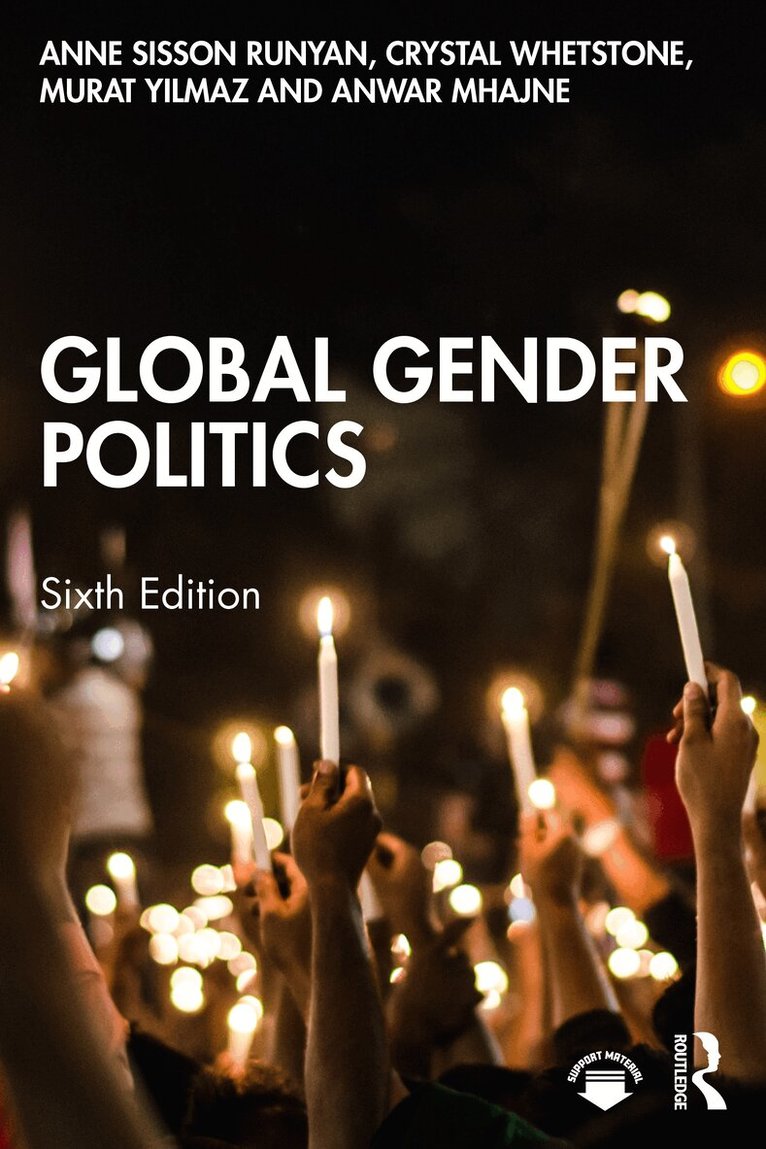
Global Gender Politics analyzes the gender(ed) divisions of power, violence, labor, and resources that contribute to global crises of representation, insecurity, and sustainability.This new edition of a foundational contribution to the field of Feminist International Relations—co‑authored with a new generation of feminist global politics scholars—continues to examine long‑standing and new challenges for placing inequalities and resisting injustices at the center of global politics scholarship and practice through intersectional and transnational feminist lenses that challenge the power of gender. Accessible and student‑friendly, this book emphasizes how hard‑won attention to reducing gender and other inequalities to stem global crises is now jeopardized by the consolidation of new and old anti‑equality authoritarianisms, arising from the deprivations of neoliberal capitalism, undermining human and planetary welfare and creating conditions and desires for reassertions of patriarchal rule and relations. In the context of this shift in world order and the centrality of gender to that shift, analyses of gendered global governance, global security, and global political economy are updated and expanded, finding that gender equality norms are being rolled back, gendered insecurities are being heightened by increased war and militarization (including the rise of cyberviolence), and gendered injustices, laid bare by the COVID pandemic, are growing with the rise of oligarchic corporate power, the increased informalization of labor and extraction of resources, and the further breakdowns in social reproduction and denials of reproductive justice. But this book also finds promise in ongoing feminist struggles for democracy and social justice, providing new case studies of transnational and translocal feminist organizing for democratization, nonviolence, and sustainable human and planetary life.To provide support to instructors and readers, this edition includes new questions for discussion, suggested readings, illustrative boxes, and an accompanying e‑resource containing web resources, sample quizzes, and a recorded conversation among the co‑authors.Global Gender Politics will be of great use to students of Politics, International Relations, Gender Studies, and those working on Global Governance, Security, Political Economy, and Justice. It will also be of interest to scholars who have followed the previous editions.
2 088 kr
Skickas inom 10-15 vardagar
Global Gender Politics analyzes the gender(ed) divisions of power, violence, labor, and resources that contribute to global crises of representation, insecurity, and sustainability.This new edition of a foundational contribution to the field of Feminist International Relations—co‑authored with a new generation of feminist global politics scholars—continues to examine long‑standing and new challenges for placing inequalities and resisting injustices at the center of global politics scholarship and practice through intersectional and transnational feminist lenses that challenge the power of gender. Accessible and student‑friendly, this book emphasizes how hard‑won attention to reducing gender and other inequalities to stem global crises is now jeopardized by the consolidation of new and old anti‑equality authoritarianisms, arising from the deprivations of neoliberal capitalism, undermining human and planetary welfare and creating conditions and desires for reassertions of patriarchal rule and relations. In the context of this shift in world order and the centrality of gender to that shift, analyses of gendered global governance, global security, and global political economy are updated and expanded, finding that gender equality norms are being rolled back, gendered insecurities are being heightened by increased war and militarization (including the rise of cyberviolence), and gendered injustices, laid bare by the COVID pandemic, are growing with the rise of oligarchic corporate power, the increased informalization of labor and extraction of resources, and the further breakdowns in social reproduction and denials of reproductive justice. But this book also finds promise in ongoing feminist struggles for democracy and social justice, providing new case studies of transnational and translocal feminist organizing for democratization, nonviolence, and sustainable human and planetary life.To provide support to instructors and readers, this edition includes new questions for discussion, suggested readings, illustrative boxes, and an accompanying e‑resource containing web resources, sample quizzes, and a recorded conversation among the co‑authors.Global Gender Politics will be of great use to students of Politics, International Relations, Gender Studies, and those working on Global Governance, Security, Political Economy, and Justice. It will also be of interest to scholars who have followed the previous editions.