Anwar Ul-Hamid – författare
Visar alla böcker från författaren Anwar Ul-Hamid. Handla med fri frakt och snabb leverans.
6 produkter
6 produkter
E-bok
PDF, Engelska, 20044 707 kr
Läs direkt efter köp
Filling a gap in the literature, Practical Engineering Failure Analysis vividly demonstrates the correct methodology to conduct successful failure analyses, as well as offering the background necessary for these investigations. This authoritative reference covers procedures to reduce the occurrence of component failures due to errors in material se

Inbunden, Engelska, 2004
4 853 kr
Skickas inom 10-15 vardagar
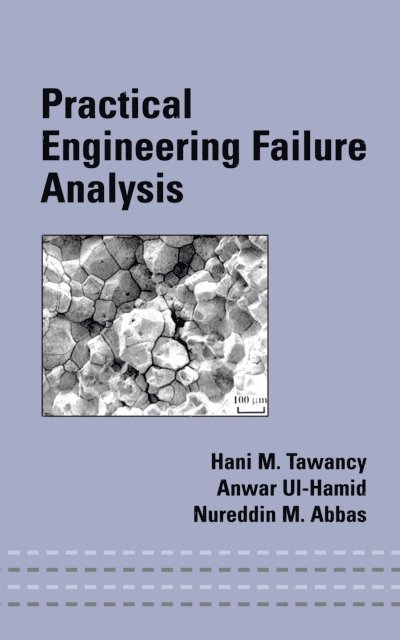
Filling a gap in the literature, Practical Engineering Failure Analysis vividly demonstrates the correct methodology to conduct successful failure analyses, as well as offering the background necessary for these investigations. This authoritative reference covers procedures to reduce the occurrence of component failures due to errors in material selection, design, and manufacturing, as well as fatigue, stress, cracking, creep, and operating conditions.A single-source tool to help professionals avoid costly system failures, improve plant operation and system reliability, and prevent accidents related to component malfunction
E-bok
Engelska, 20044 707 kr
Läs direkt efter köp
Filling a gap in the literature, Practical Engineering Failure Analysis vividly demonstrates the correct methodology to conduct successful failure analyses, as well as offering the background necessary for these investigations. This authoritative reference covers procedures to reduce the occurrence of component failures due to errors in material se
Häftad, Engelska, 2019
1 187 kr
Skickas inom 10-15 vardagar
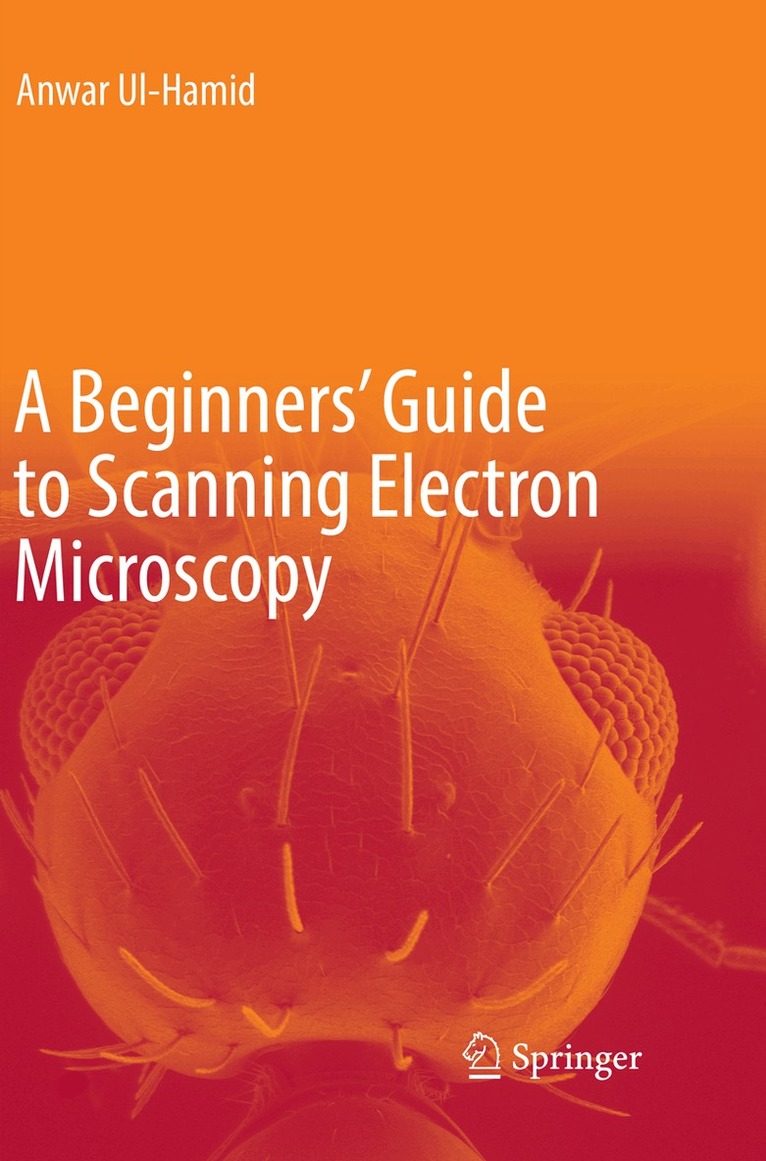
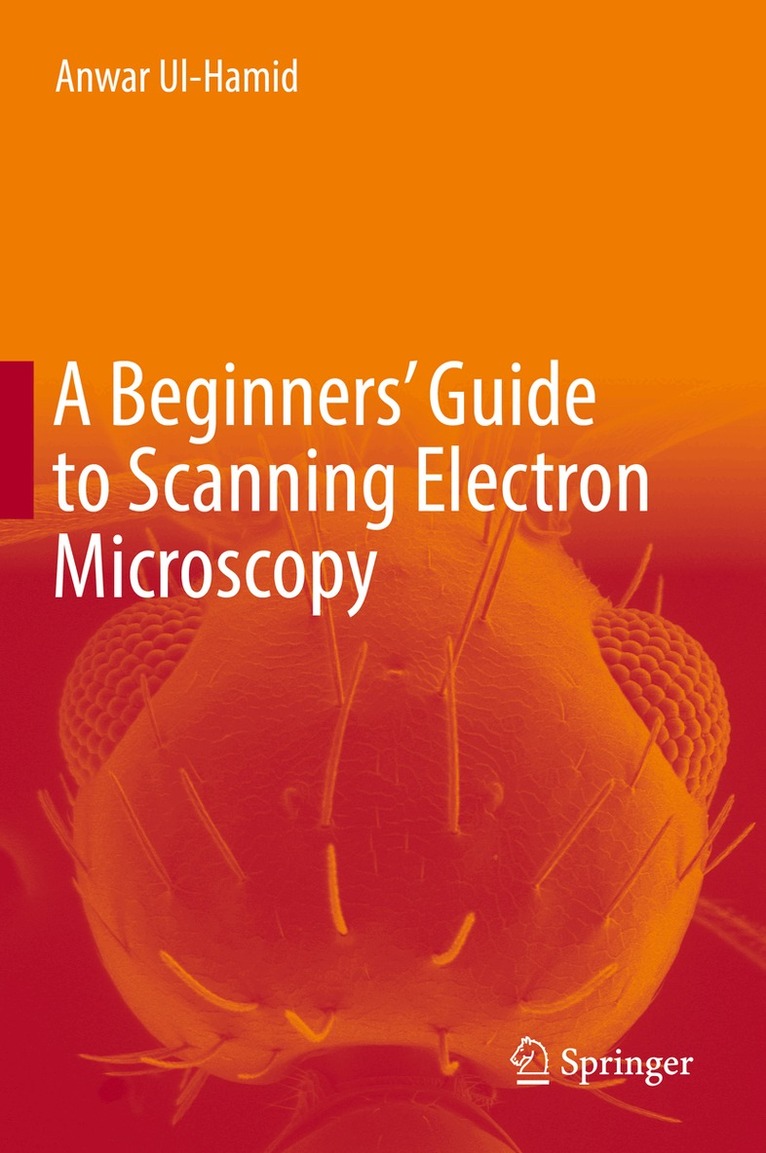
This book was developed with the goal of providing an easily understood text for those users of the scanning electron microscope (SEM) who have little or no background in the area. The SEM is routinely used to study the surface structure and chemistry of a wide range of biological and synthetic materials at the micrometer to nanometer scale. Ease-of-use, typically facile sample preparation, and straightforward image interpretation, combined with high resolution, high depth of field, and the ability to undertake microchemical and crystallographic analysis, has made scanning electron microscopy one of the most powerful and versatile techniques for characterization today. Indeed, the SEM is a vital tool for the characterization of nanostructured materials and the development of nanotechnology. However, its wide use by professionals with diverse technical backgrounds—including life science, materials science, engineering, forensics, mineralogy, etc., and in various sectors of government, industry, and academia—emphasizes the need for an introductory text providing the basics of effective SEM imaging.A Beginners’ Guide to Scanning Electron Microscopy explains instrumentation, operation, image interpretation and sample preparation in a wide ranging yet succinct and practical text, treating the essential theory of specimen-beam interaction and image formation in a manner that can be effortlessly comprehended by the novice SEM user. This book provides a concise and accessible introduction to the essentials of SEMincludes a large number of illustrations specifically chosen to aid readers' understanding of key conceptshighlights recent advances in instrumentation, imaging and sample preparation techniquesoffers examples drawn from a variety of applications that appeal to professionals from diverse backgrounds.
Inbunden, Engelska, 2018
1 616 kr
Skickas inom 10-15 vardagar
This book was developed with the goal of providing an easily understood text for those users of the scanning electron microscope (SEM) who have little or no background in the area. The SEM is routinely used to study the surface structure and chemistry of a wide range of biological and synthetic materials at the micrometer to nanometer scale. Ease-of-use, typically facile sample preparation, and straightforward image interpretation, combined with high resolution, high depth of field, and the ability to undertake microchemical and crystallographic analysis, has made scanning electron microscopy one of the most powerful and versatile techniques for characterization today. Indeed, the SEM is a vital tool for the characterization of nanostructured materials and the development of nanotechnology. However, its wide use by professionals with diverse technical backgrounds—including life science, materials science, engineering, forensics, mineralogy, etc., and in various sectors of government, industry, and academia—emphasizes the need for an introductory text providing the basics of effective SEM imaging.A Beginners’ Guide to Scanning Electron Microscopy explains instrumentation, operation, image interpretation and sample preparation in a wide ranging yet succinct and practical text, treating the essential theory of specimen-beam interaction and image formation in a manner that can be effortlessly comprehended by the novice SEM user. This book provides a concise and accessible introduction to the essentials of SEMincludes a large number of illustrations specifically chosen to aid readers' understanding of key conceptshighlights recent advances in instrumentation, imaging and sample preparation techniquesoffers examples drawn from a variety of applications that appeal to professionals from diverse backgrounds.
E-bok
Engelska, 20181 575 kr
Läs direkt efter köp
This book was developed with the goal of providing an easily understood text for those users of the scanning electron microscope (SEM) who have little or no background in the area. The SEM is routinely used to study the surface structure and chemistry of a wide range of biological and synthetic materials at the micrometer to nanometer scale. Ease-of-use, typically facile sample preparation, and straightforward image interpretation, combined with high resolution, high depth of field, and the ability to undertake microchemical and crystallographic analysis, has made scanning electron microscopy one of the most powerful and versatile techniques for characterization today. Indeed, the SEM is a vital tool for the characterization of nanostructured materials and the development of nanotechnology. However, its wide use by professionals with diverse technical backgrounds—including life science, materials science, engineering, forensics, mineralogy, etc., and in various sectors of government, industry, and academia—emphasizes the need for an introductory text providing the basics of effective SEM imaging.A Beginners’ Guide to Scanning Electron Microscopy explains instrumentation, operation, image interpretation and sample preparation in a wide ranging yet succinct and practical text, treating the essential theory of specimen-beam interaction and image formation in a manner that can be effortlessly comprehended by the novice SEM user. This book provides a concise and accessible introduction to the essentials of SEMincludes a large number of illustrations specifically chosen to aid readers'' understanding of key conceptshighlights recent advances in instrumentation, imaging and sample preparation techniquesoffers examples drawn from a variety of applications that appeal to professionals from diverse backgrounds.