Aoileann Ní Mhurchú – författare
Visar alla böcker från författaren Aoileann Ní Mhurchú. Handla med fri frakt och snabb leverans.
6 produkter
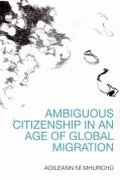
Ambiguous Citizenship in an Age of Global Migration
Inbunden, 2014
1432 kr
Lägg i varukorg
Many people see citizenship in a globalised world in terms of binaries: inclusion/exclusion, past/present, particularism/universalism. Aoileann Ní Mhurchú points out the limitations of these positions and argues that we need to be able to take into account the people who get caught between these …
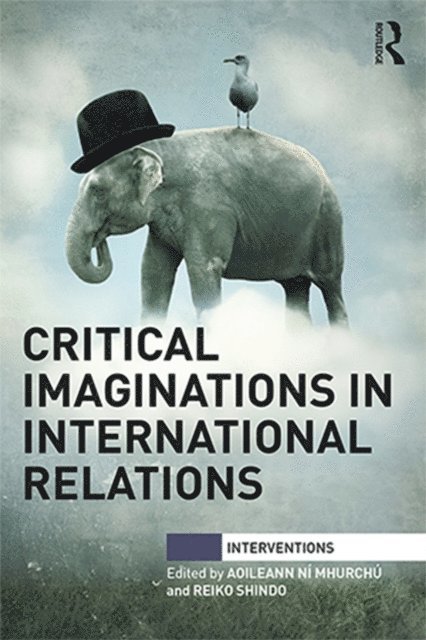
Critical Imaginations in International Relations
Av Aoileann Ní Mhurchú, Reiko Shindo
Inbunden, 2016
2513 kr
Lägg i varukorg
This exciting new text brings together in one volume an overview of the many reflections on how we might address the problems and limitations of a state-centred approach in the discipline of International Relations (IR). The book is structured into chapters on key concepts, with each providing an …
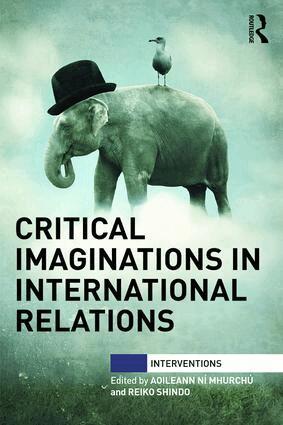
Critical Imaginations in International Relations
Av Aoileann Ní Mhurchú, Reiko Shindo
Häftad, 2016
808 kr
Lägg i varukorg
This exciting new text brings together in one volume an overview of the many reflections on how we might address the problems and limitations of a state-centred approach in the discipline of International Relations (IR). The book is structured into chapters on key concepts, with each providing an …
Critical Imaginations in International Relations
Av Reiko Shindo, Aoileann Ni Mhurchu
E-bok, 2016
925 kr
Lägg i varukorg
This exciting new text brings together in one volume an overview of the many reflections on how we might address the problems and limitations of a state-centred approach in the discipline of International Relations (IR). The book is structured into chapters on key concepts, with each providing an …
Critical Imaginations in International Relations
Av Reiko Shindo, Aoileann Ni Mhurchu
E-bok, 2016
953 kr
Lägg i varukorg
This exciting new text brings together in one volume an overview of the many reflections on how we might address the problems and limitations of a state-centred approach in the discipline of International Relations (IR). The book is structured into chapters on key concepts, with each providing an …
Ambiguous Citizenship in an Age of Global Migration
Häftad, 2026
517 kr
Lägg i varukorg
Many people see citizenship in a globalised world in terms of binaries: inclusion/exclusion, past/present, particularism/universalism. Aoileann Ní Mhurchú points out the limitations of these positions and argues that we need to be able to take into account the people who get caught between these …