April D. DeConick – författare
Visar alla böcker från författaren April D. DeConick. Handla med fri frakt och snabb leverans.
19 produkter
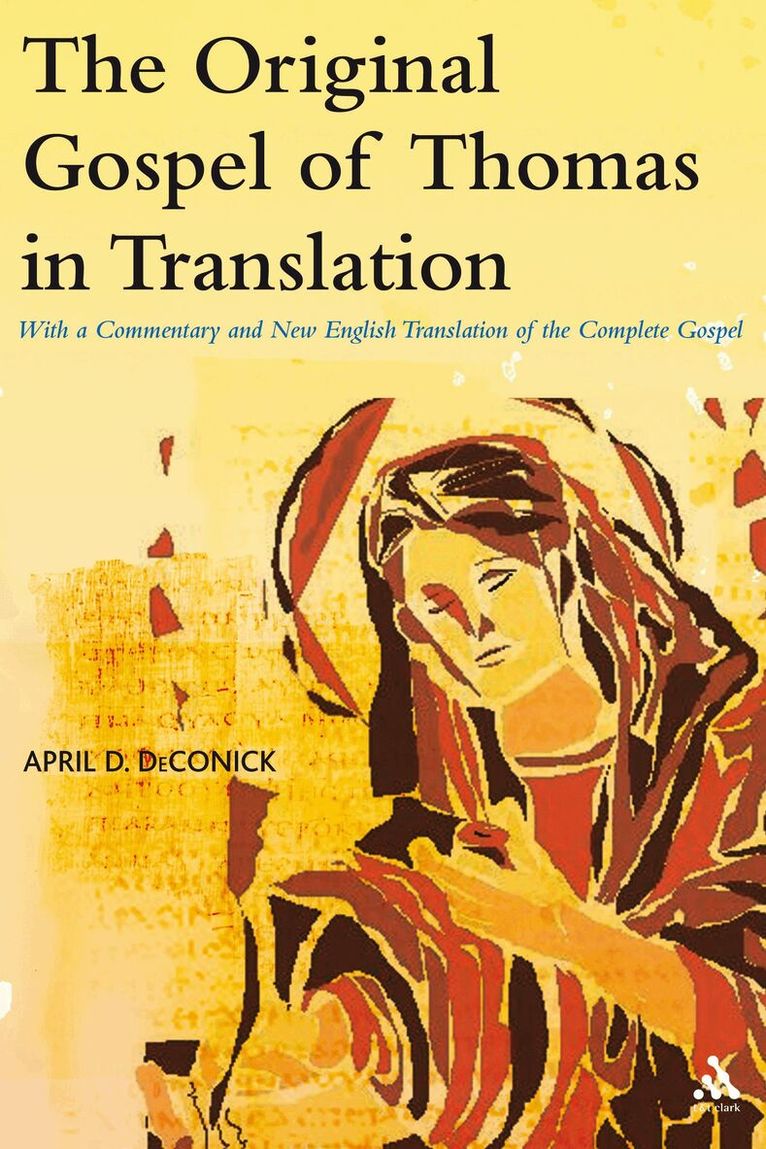
Original Gospel of Thomas in Translation
With a Commentary and New English Translation of the Complete Gospel
Av April D. DeConick, Chris Keith
Häftad, 2007
1420 kr
Lägg i varukorg
An enigmatic collection of 114 sayings of Jesus, the 'Gospel of Thomas' was discovered in the sands of Nag Hammadi, Egypt, in the 1940's. Here, April DeConick provides a new English translation of the entire Gospel of Thomas, which includes the original 'kernel' of the Gospel and all the sayings. …
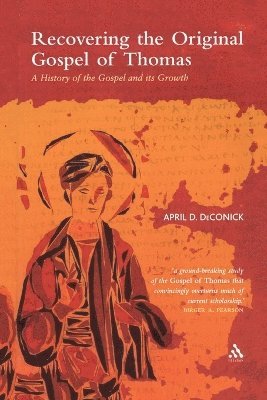
Recovering the Original Gospel of Thomas
A History of the Gospel and its Growth
Av April D. DeConick, Chris Keith
Häftad, 2006
1137 kr
Lägg i varukorg
The "Gospel of Thomas" is an enigmatic collection of 114 sayings of Jesus. Here, April DeConick explores tough questions that have occupied scholars since the discovery of this gospel in the sands of Nag Hammadi, Egypt, in the 1940's. Where did this gospel come from? When was it written? Who wrote …
Original Gospel of Thomas in Translation
With a Commentary and New English Translation of the Complete Gospel
Av April D. DeConick, Chris Keith
Inbunden, 2006
2691 kr
Lägg i varukorg
This title provides the first comprehensive analysis of the stages of development of the Gospel of Thomas, including a reconstruction, translation, and analysis of the original form of this gospel, the Kernel Gospel of Thomas, as well as the later accretions. The author develops a complete analysis …
Original Gospel of Thomas in Translation
With a Commentary and New English Translation of the Complete Gospel
E-bok, 2007
1559 kr
Lägg i varukorg
An enigmatic collection of 114 sayings of Jesus, the ''Gospel of Thomas'' was discovered in the sands of Nag Hammadi, Egypt, in the 1940''s. Here, April DeConick provides a new English translation of the entire Gospel of Thomas, which includes the original ''kernel'' of the Gospel and all the …
Recovering the Original Gospel of Thomas
A History of the Gospel and its Growth
E-bok, 2006
1247 kr
Lägg i varukorg
This book explores the fascinating and enigmatic collection of 114 sayings of Jesus, the ''Gospel of Thomas'' that was discovered in the sands of Nag Hammadi, Egypt, in the 1940''s. Since its discovery, scholars and the public alike have been intrigued to know what the Gospel says and what light it …
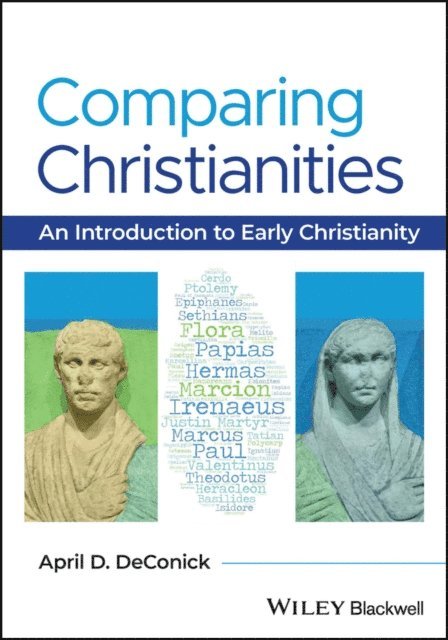
Comparing Christianities
An Introduction to Early Christianity
Häftad, 2023
378 kr
Lägg i varukorg
A ground-breaking introductory textbook for the study of the New Testament and the first Christians, written for the next generation of students Comparing Christianities: An Introduction to the New Testament and the First Christians maps the historical rise of Christianity out of a network of early …
Comparing Christianities
An Introduction to Early Christianity
E-bok, 2023
440 kr
Lägg i varukorg
A ground-breaking introductory textbook for the study of the New Testament and the first Christians, written for the next generation of students Comparing Christianities: An Introduction to the New Testament and the First Christians maps the historical rise of Christianity out of a network of early …
Comparing Christianities
An Introduction to Early Christianity
E-bok, 2023
430 kr
Lägg i varukorg
A ground-breaking introductory textbook for the study of the New Testament and the first Christians, written for the next generation of students Comparing Christianities: An Introduction to the New Testament and the First Christians maps the historical rise of Christianity out of a network of early …
Histories of the Hidden God
Concealment and Revelation in Western Gnostic, Esoteric, and Mystical Traditions
Av Grant Adamson, April D DeConick
E-bok, 2016
949 kr
Lägg i varukorg
In Western religious traditions, God is conventionally conceived as a humanlike creator, lawgiver, and king, a being both accessible and actively present in history. Yet there is a concurrent and strong tradition of a God who actively hides. The two traditions have led to a tension between a God …
Histories of the Hidden God
Concealment and Revelation in Western Gnostic, Esoteric, and Mystical Traditions
Av Grant Adamson, April D DeConick
E-bok, 2016
970 kr
Lägg i varukorg
In Western religious traditions, God is conventionally conceived as a humanlike creator, lawgiver, and king, a being both accessible and actively present in history. Yet there is a concurrent and strong tradition of a God who actively hides. The two traditions have led to a tension between a God …
Histories of the Hidden God
Concealment and Revelation in Western Gnostic, Esoteric, and Mystical Traditions
Av April D DeConick, Grant Adamson
Häftad, 2016
847 kr
Lägg i varukorg
In Western religious traditions, God is conventionally conceived as a humanlike creator, lawgiver, and king, a being both accessible and actively present in history. Yet there is a concurrent and strong tradition of a God who actively hides. The two traditions have led to a tension between a God …
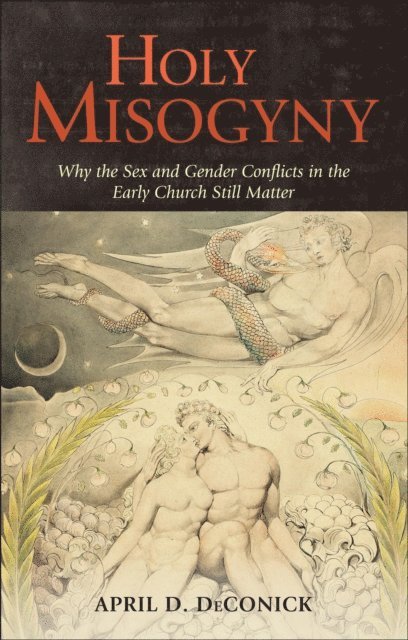
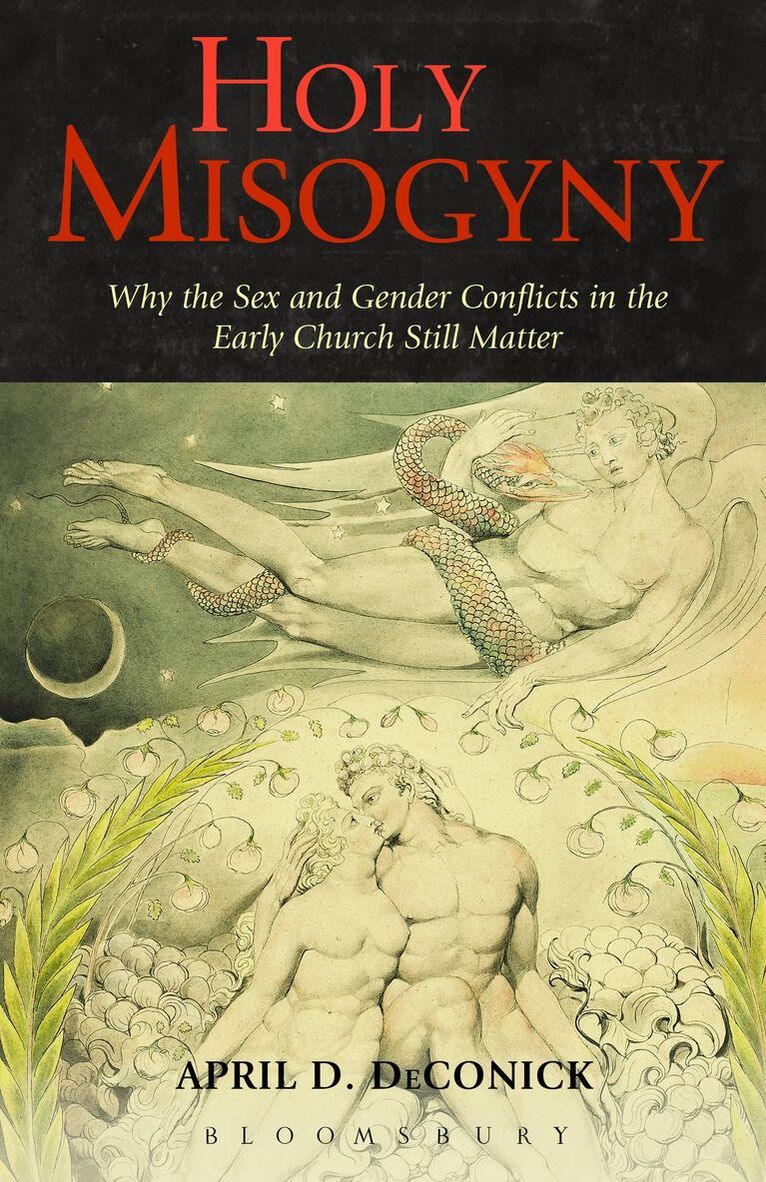
Holy Misogyny
Why the Sex and Gender Conflicts in the Early Church Still Matter
E-bok, 2011
359 kr
Lägg i varukorg
In Holy Misogyny , bible scholar April DeConick wants real answers to the questions that are rarely whispered from the pulpits of the contemporary Christian churches. Why is God male? Why are women associated with sin? Why can''t women be priests? Drawing on her extensive knowledge of the early …
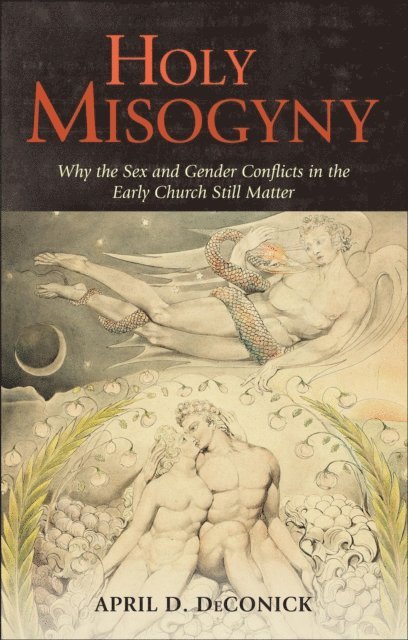
Holy Misogyny
Why the Sex and Gender Conflicts in the Early Church Still Matter
E-bok, 2011
351 kr
Lägg i varukorg
In Holy Misogyny , bible scholar April DeConick wants real answers to the questions that are rarely whispered from the pulpits of the contemporary Christian churches. Why is God male? Why are women associated with sin? Why can''t women be priests? Drawing on her extensive knowledge of the early …
Seek to See Him
Ascent and Vision Mysticism in the Gospel of Thomas
Häftad, 2017
386 kr
Lägg i varukorg
In Seek to See Him April DeConick argues that the Gospel of Thomas, contrary to the way Thomas is normally understood, does not originate from gnostic traditions. Instead, she proposes that Thomas is best explained by Hermetic and Second Temple Jewish mystical traditions. DeConick substantiates her …
Israel's God and Rebecca's Children
Christology and Community in Early Judaism and Christianity
Av David B. Capes, April D. DeConick m. fl.
Häftad, 2008
1187 kr
Lägg i varukorg
Israel's God and Rebecca's Children is a collection of essays written as a tribute to the lasting scholarship and friendship of Larry Hurtado (University of Edinburgh) and Alan Segal (Barnard College), two scholars who have contributed significantly to the contemporary understanding of Second …
Holy Misogyny
Why the Sex and Gender Conflicts in the Early Church Still Matter
Häftad, 2013
333 kr
Lägg i varukorg
In Holy Misogyny, bible scholar April DeConick wants real answers to the questions that are rarely whispered from the pulpits of the contemporary Christian churches. Why is God male? Why are women associated with sin? Why can't women be priests? Drawing on her extensive knowledge of the early …
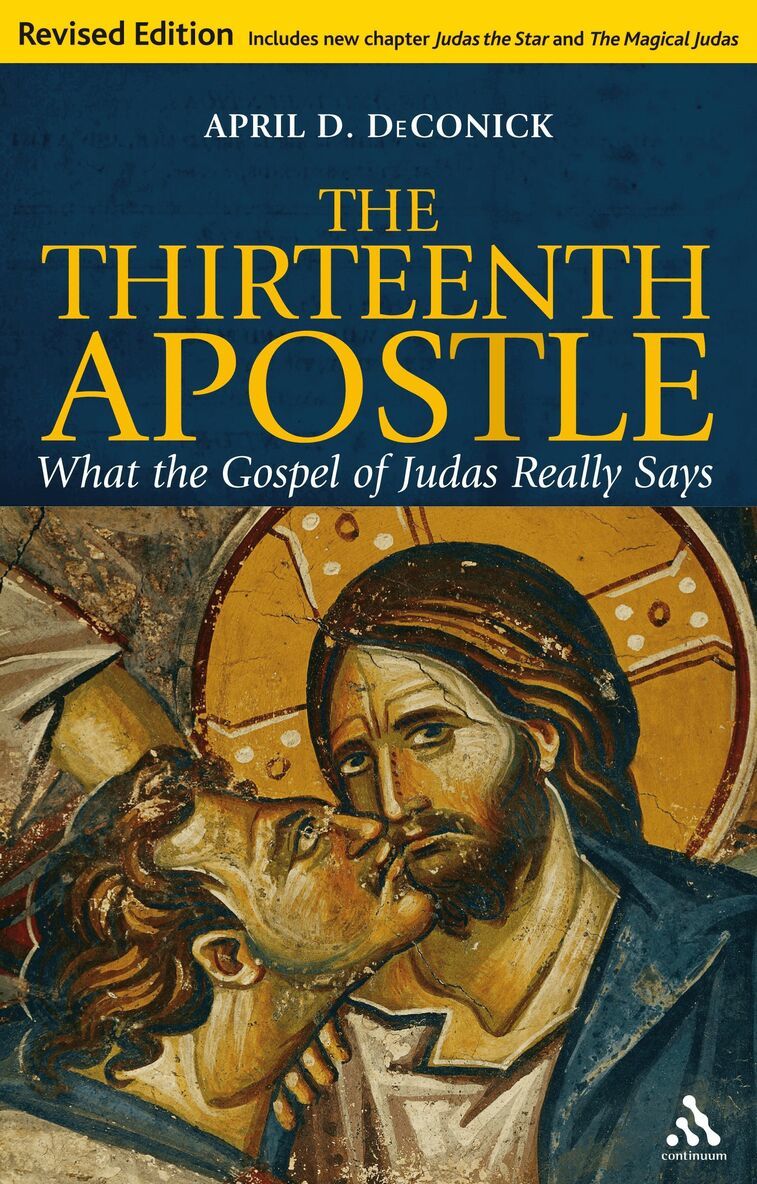
Thirteenth Apostle: Revised Edition
What the Gospel of Judas Really Says
Häftad, 2009
5,0 utav 5 stjärnor. Totalt antal röster: (1)
347 kr
Lägg i varukorg
In 2006 National Geographic released the first English translation of the Gospel of Judas, a second-century text discovered in Egypt in the 1970s. The translation caused a sensation because it seemed to overturn the popular image of Judas the betrayer and instead presented a benevolent Judas who …
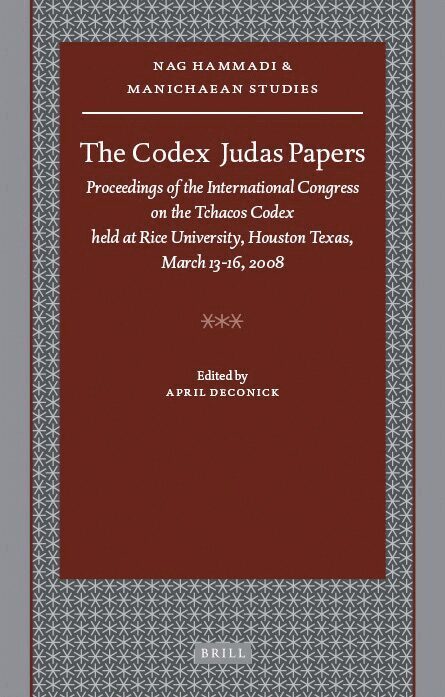
Codex Judas Papers
Proceedings of the International Congress on the Tchacos Codex Held at Rice University, Houston Texas, March 13-16, 2008
Inbunden, 2009
4382 kr
Lägg i varukorg
This book contains the proceedings from the Codex Judas Congress, the first international conference held to discuss the newly-restored Tchacos Codex. Given that the Tchacos Codex is a newly-conserved ancient book of Christian manuscripts which had yet to be discussed collaboratively by a body of …