Archana Upadhyay – författare
Visar alla böcker från författaren Archana Upadhyay. Handla med fri frakt och snabb leverans.
9 produkter
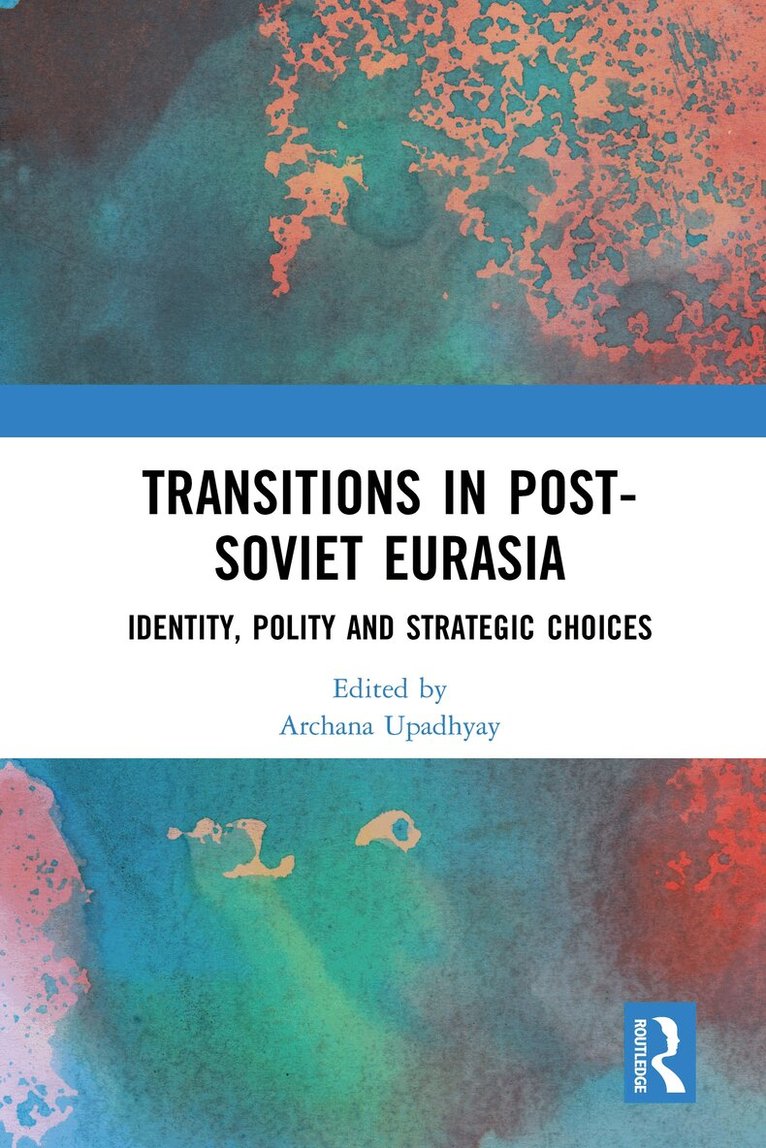
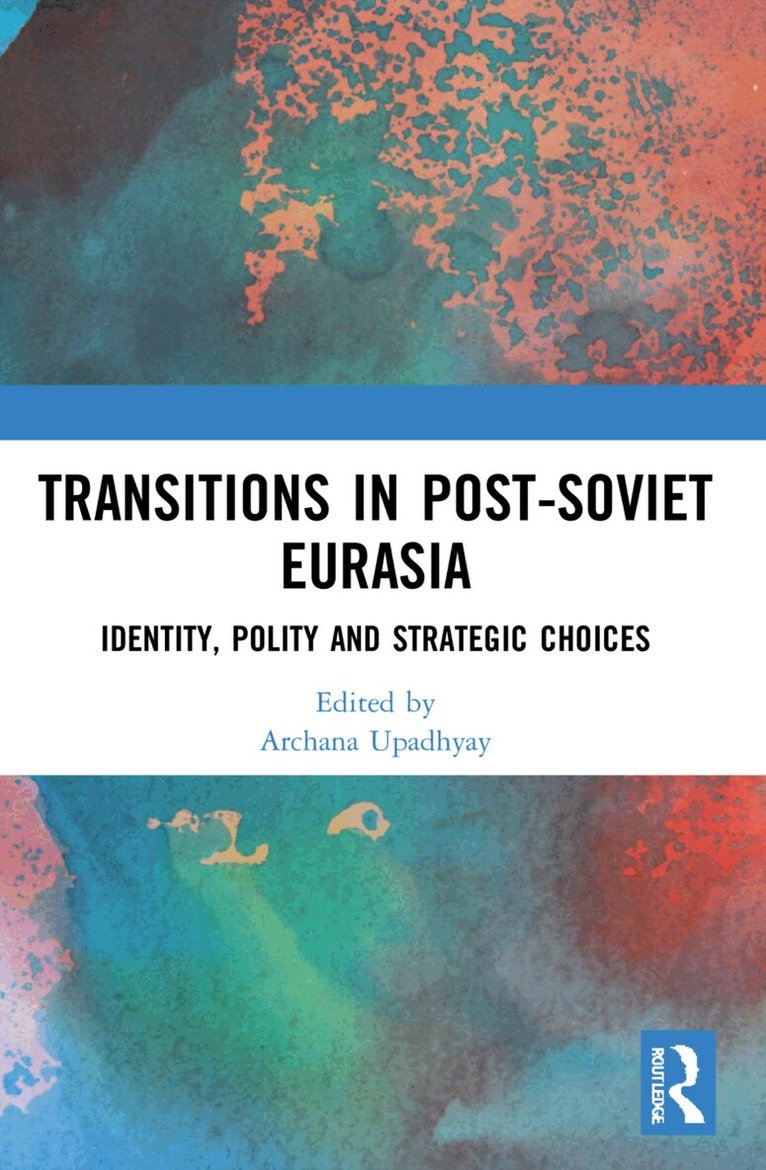
Transitions in Post-Soviet Eurasia
Identity, Polity and Strategic Choices
Inbunden, 2021
2504 kr
Lägg i varukorg
This book discusses the ideological and historical relevance of the term ‘Eurasia’ as a concept in the global geopolitical and ethno-cultural discourse. It focuses on the contested meanings attached to the idea and traces its historical evolution and interpretations. The volume examines the …
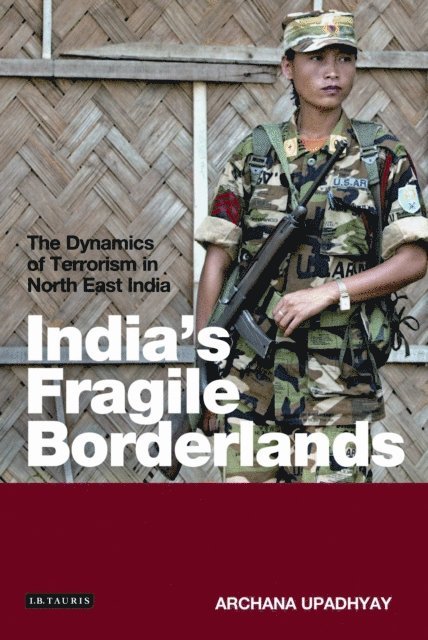
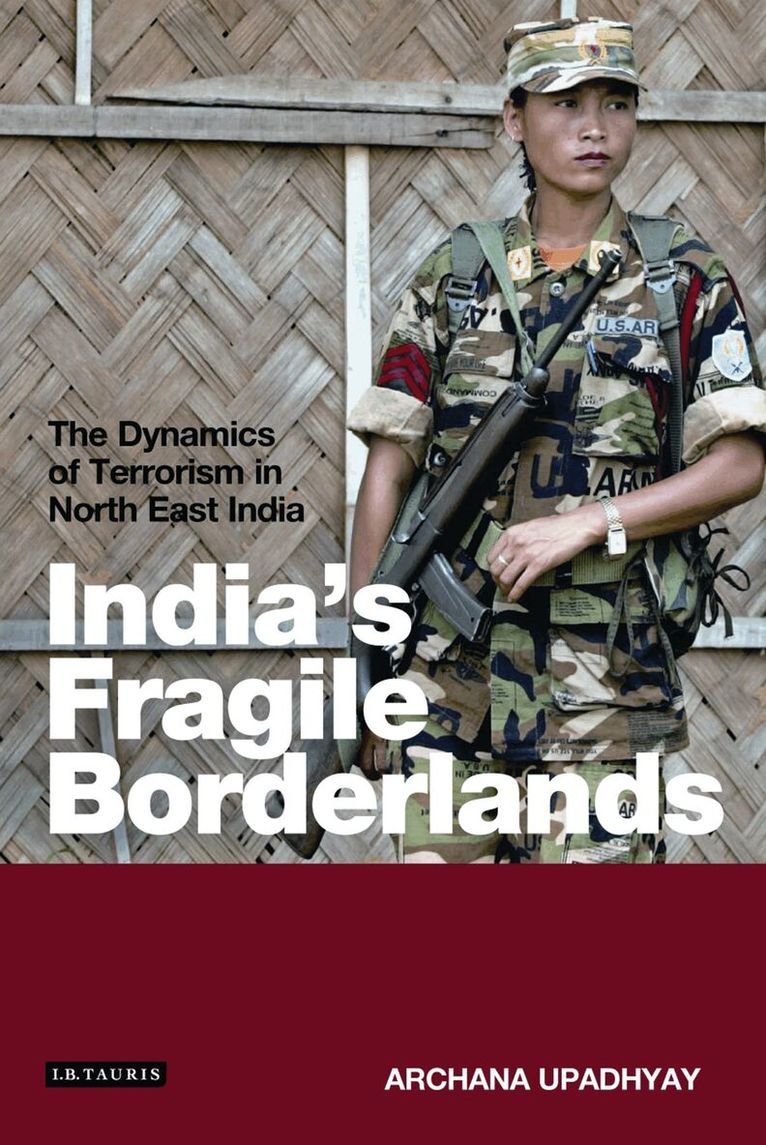
India's Fragile Borderlands
The Dynamics of Terrorism in North East India
E-bok, 2009
2247 kr
Lägg i varukorg
There is a danger in the West of viewing terrorism exclusively through the prism of 9/11. This ground-breaking examination of terrorism in North East India demonstrates how grave a mistake this is. The nature of terrorism is the subject of ever-increasing scrutiny and there are many lessons to be …
Transitions in Post-Soviet Eurasia
Identity, Polity and Strategic Choices
E-bok, 2021
831 kr
Lägg i varukorg
This book discusses the ideological and historical relevance of the term ‘Eurasia’ as a concept in the global geopolitical and ethno-cultural discourse. It focuses on the contested meanings attached to the idea and traces its historical evolution and interpretations. The volume examines the …
Transitions in Post-Soviet Eurasia
Identity, Polity and Strategic Choices
E-bok, 2021
813 kr
Lägg i varukorg
This book discusses the ideological and historical relevance of the term ‘Eurasia’ as a concept in the global geopolitical and ethno-cultural discourse. It focuses on the contested meanings attached to the idea and traces its historical evolution and interpretations. The volume examines the …
Transitions in Post-Soviet Eurasia
Identity, Polity and Strategic Choices
Häftad, 2023
704 kr
Lägg i varukorg
This book discusses the ideological and historical relevance of the term ‘Eurasia’ as a concept in the global geopolitical and ethno-cultural discourse. It focuses on the contested meanings attached to the idea and traces its historical evolution and interpretations. The volume examines the …
India's Fragile Borderlands
The Dynamics of Terrorism in North East India
Inbunden, 2009
1979 kr
Lägg i varukorg
There is a danger in the West of viewing terrorism exclusively through the prism of 9/11. This ground-breaking examination of terrorism in North East India demonstrates how grave a mistake this is. The nature of terrorism is the subject of ever-increasing scrutiny and there are many lessons to be …
Hundred Years of the Russian Revolution
Its Legacies in Perspective
Av Anuradha M. Chenoy, Archana Upadhyay
Inbunden, 2021
1464 kr
Lägg i varukorg
The book reflects upon the Russian Revolution of 1917 and the ensuing developments in Russia, the rest of the former Soviet Union, Central and Eastern Europe and elsewhere in the world. It discusses the impact of the legacies of the Russian Revolution on political systems, ideologies, economic and …
Hundred Years of the Russian Revolution
Its Legacies in Perspective
Av Archana Upadhyay, Anuradha M. Chenoy
E-bok, 2021
1838 kr
Lägg i varukorg
The book reflects upon the Russian Revolution of 1917 and the ensuing developments in Russia, the rest of the former Soviet Union, Central and Eastern Europe and elsewhere in the world. It discusses the impact of the legacies of the Russian Revolution on political systems, ideologies, economic and …