Archie Brown – författare
Visar alla böcker från författaren Archie Brown. Handla med fri frakt och snabb leverans.
28 produkter
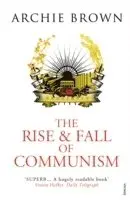
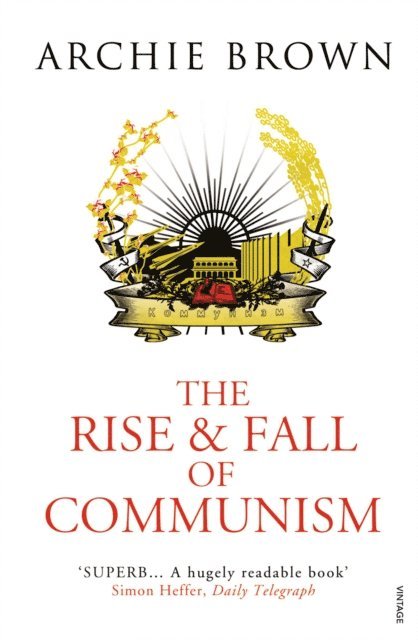
Rise and Fall of Communism
Av Archie Brown
Häftad, 2010
187 kr
Lägg i varukorg
Winner of the 2010 W.J.M. Mackenzie Prize for Best Political Science Book of the Year 2010The relentless rise of Communism was the most momentous political development of the first half of the twentieth century. No political change has been more fundamental than its demise in Europe and its decline …
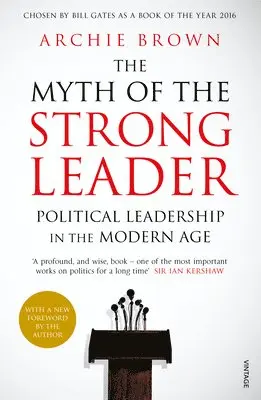
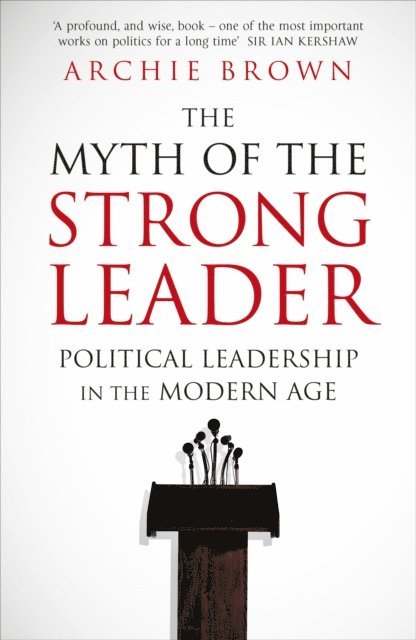
Myth of the Strong Leader
Political Leadership in the Modern Age
Av Archie Brown
Häftad, 2015
155 kr
Lägg i varukorg
* UPDATED WITH A NEW FOREWORD BY THE AUTHOR *CHOSEN BY BILL GATES AS A BOOK OF THE YEAR 2016Archie Brown challenges the widespread belief that 'strong leaders', dominant individual wielders of power, are the most successful and admirable. Within authoritarian regimes, a collective leadership is a …
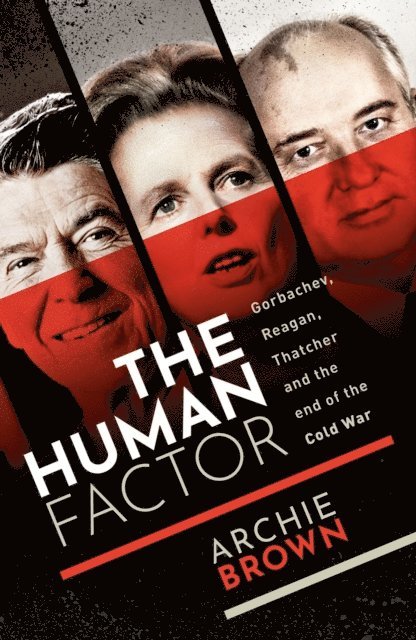
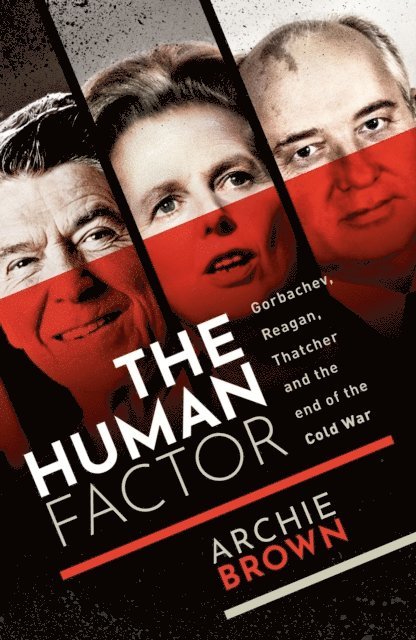
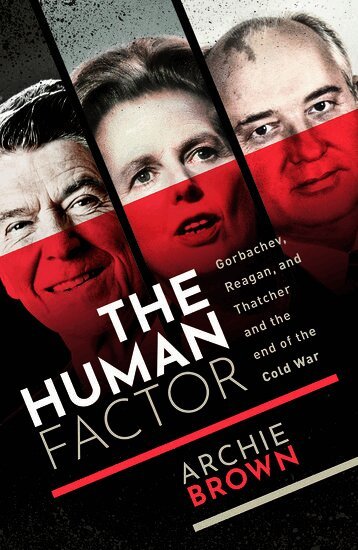
Human Factor
Gorbachev, Reagan, and Thatcher, and the End of the Cold War
Av Archie Brown
E-bok, 2020
137 kr
Lägg i varukorg
In this penetrating analysis of the role of political leadership in the Cold War''s ending, Archie Brown shows why the popular view that Western economic and military strength left the Soviet Union with no alternative but to admit defeat is wrong. To understand the significance of the parts played …
Human Factor
Gorbachev, Reagan, and Thatcher, and the End of the Cold War
Av Archie Brown
E-bok, 2020
137 kr
Lägg i varukorg
In this penetrating analysis of the role of political leadership in the Cold War''s ending, Archie Brown shows why the popular view that Western economic and military strength left the Soviet Union with no alternative but to admit defeat is wrong. To understand the significance of the parts played …
Gorbachev Factor
Av Archie Brown
E-bok, 1996
761 kr
Lägg i varukorg
`To understand this singular man, the reader can do no better than to turn to Archie Brown''s astute and lucid book. There have been several excellent works on Mr Gorbachev ... but none examines the subject as thoroughly as this volume ... a rich study, as impressive in its sweep as in its …
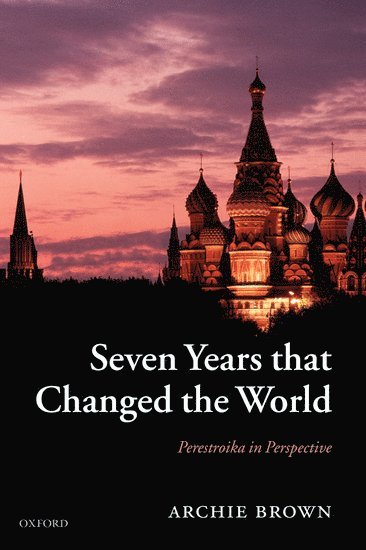
Seven Years that Changed the World
Perestroika in Perspective
Av Archie Brown
E-bok, 2007
489 kr
Lägg i varukorg
A rigorously argued and lively interpretation of the transformation of the Soviet system, the disintegration of the Soviet state, the end of the Cold War, and the role of Mikhail Gorbachev. Written by a leading authority on Soviet politics, this thoroughly researched book draws on new archival …
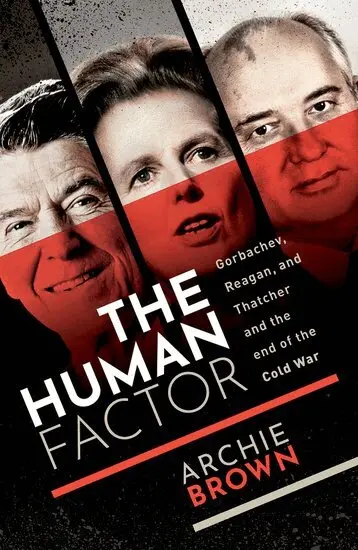
The Human Factor
Gorbachev, Reagan, and Thatcher and the End of the Cold War
Av Archie Brown
Häftad, 2022
181 kr
Lägg i varukorg
How the Cold War ended - and the people who made it happenIn this penetrating analysis of the role of political leadership in the Cold War's ending, Archie Brown shows why the popular view that Western economic and military strength left the Soviet Union with no alternative but to admit defeat is …
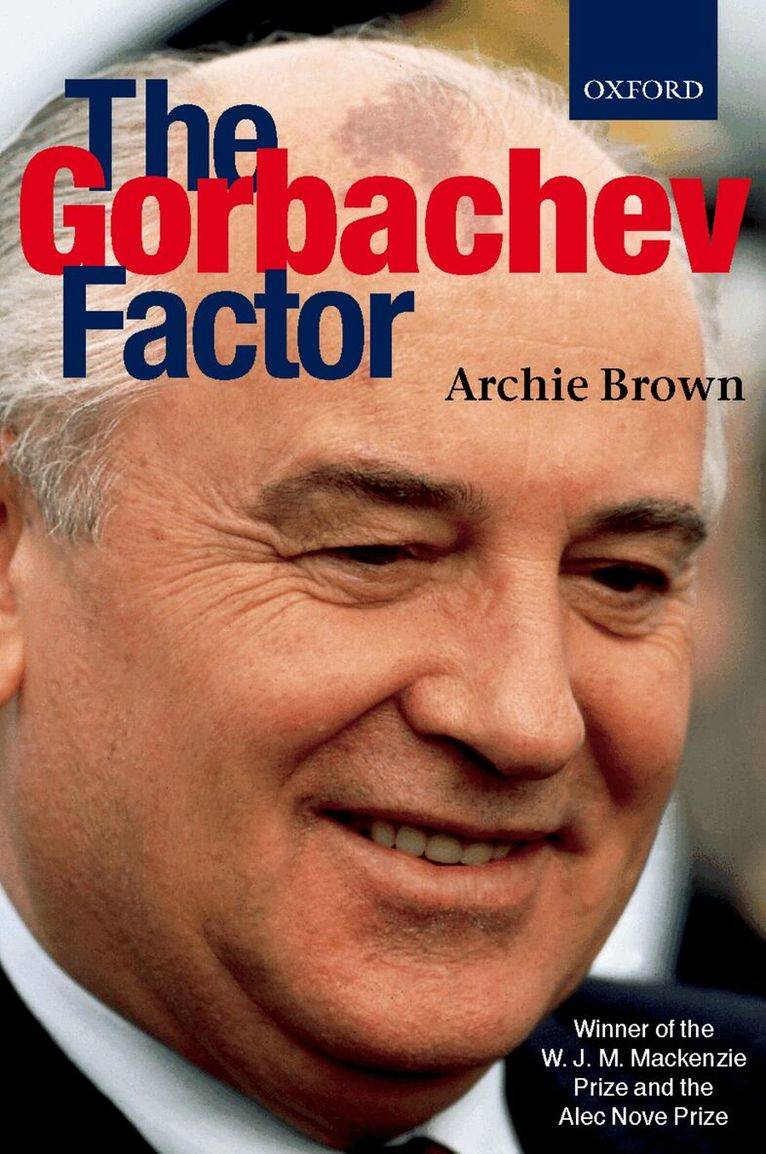
The Gorbachev Factor
Av Archie Brown
Häftad, 1997
1417 kr
Lägg i varukorg
`To understand this singular man, the reader can do no better than to turn to Archie Brown's astute and lucid book. There have been several excellent works on Mr Gorbachev ... but none examines the subject as thoroughly as this volume ... a rich study, as impressive in its sweep as in its details.' …
The British Study of Politics in the Twentieth Century
Av Hayward, Jack Hayward m. fl.
Häftad, 2003
256 kr
Lägg i varukorg
The distinctive strength of political science in Britain is revealed in this indispensable guide to modern British scholarship in the field. As well as charting the development of the discipline, the essays examine the innovative contributions to the study of nationalism, totalitarianism and …
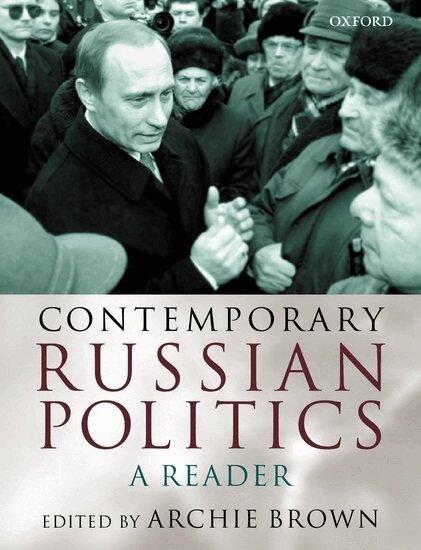
Contemporary Russian Politics
A Reader
Häftad, 2001
1261 kr
Lägg i varukorg
The only Reader on post-Soviet Russian politics, this important book brings together the best published work from a wide variety of sources. Unusually for a Reader, it also includes many up-to-date, specially commissioned contributions. Some forty of the world's leading specialists on Russian …
The Human Factor
Gorbachev, Reagan, and Thatcher, and the End of the Cold War
Av Archie Brown
Inbunden, 2020
377 kr
Lägg i varukorg
In this penetrating analysis of the role of political leadership in the Cold War's ending, Archie Brown shows why the popular view that Western economic and military strength left the Soviet Union with no alternative but to admit defeat is wrong. To understand the significance of the parts played …
Seven Years that Changed the World
Perestroika in Perspective
Av Archie Brown
Inbunden, 2007
1883 kr
Lägg i varukorg
A rigorously argued and lively interpretation of the transformation of the Soviet system, the disintegration of the Soviet state, the end of the Cold War, and the role of Mikhail Gorbachev. Written by a leading authority on Soviet politics, this thoroughly researched book draws on new archival …
Seven Years that Changed the World
Perestroika in Perspective
Av Archie Brown
Häftad, 2008
644 kr
Lägg i varukorg
A rigorously argued and lively interpretation of the transformation of the Soviet system, the disintegration of the Soviet state, the end of the Cold War, and the role of Mikhail Gorbachev. Written by a leading authority on Soviet politics, this thoroughly researched book draws on new archival …
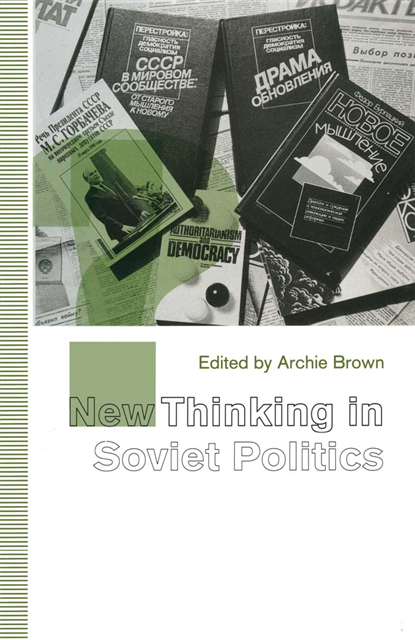
New Thinking in Soviet Politics
Av Archie Brown
Häftad, 1992
225 kr
Lägg i varukorg
The most comprehensive analysis of new thinking in Soviet politics yet undertaken, embracing writing on the Soviet economy, the political system, the national question, foreign policy and the future of world communism. The authors are among the best-known and most highly-regarded specialists on the …
Demise of Marxism-Leninism in Russia
Av Archie Brown, A. Brown
Inbunden, 2004
552 kr
Lägg i varukorg
In The Demise of Marxism-Leninism in Russia , distinguished specialists chart the rise of new thinking on the Soviet system and the decline and fall of Marxism-Leninism in the late Soviet period. They also discuss the failure of Marxism-Leninism to make a comeback in post-Soviet Russia. This book …
Demise of Marxism-Leninism in Russia
Av Archie Brown, A. Brown
Häftad, 2004
552 kr
Lägg i varukorg
In The Demise of Marxism-Leninism in Russia , distinguished specialists chart the rise of new thinking on the Soviet system and the decline and fall of Marxism-Leninism in the late Soviet period. They also discuss the failure of Marxism-Leninism to make a comeback in post-Soviet Russia. This book …
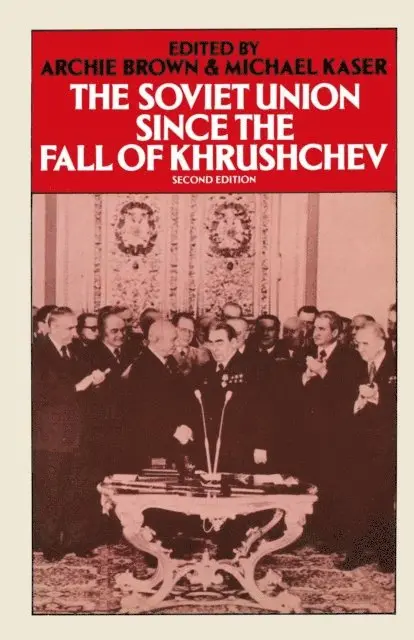
Soviet Union Since the Fall of Khrushchev
Av Archie Brown, Michael Kaser
E-bok, 1977
286 kr
Lägg i varukorg
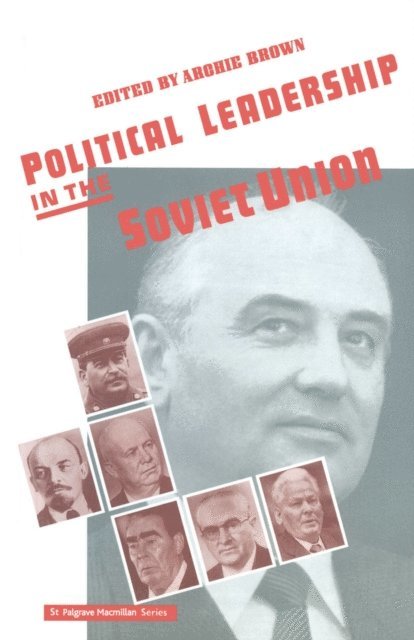
Political Leadership in the Soviet Union
Av Archie Brown
E-bok, 1989
727 kr
Lägg i varukorg
The central leadership of the Soviet political system in Moscow is analyzed by a group of Western political researchers. The text covers the entire Soviet period from 1917 to the present day, but special emphasis is placed on the post-Stalin years and new developments of the 1980s.
New Thinking in Soviet Politics
Av Archie Brown
E-bok, 2016
221 kr
Lägg i varukorg
The most comprehensive analysis of new thinking in Soviet politics yet undertaken, embracing writing on the Soviet economy, the political system, the national question, foreign policy and the future of world communism. The authors are among the best-known and most highly-regarded specialists on the …
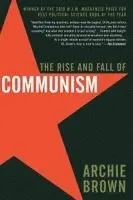
Rise and Fall of Communism
Av Archie Brown
E-bok, 2010
4,0 utav 5 stjärnor. Totalt antal röster: (1)
147 kr
Lägg i varukorg
Winner of the 2010 W.J.M. Mackenzie Prize for Best Political Science Book of the Year 2010The relentless rise of Communism was the most momentous political development of the first half of the twentieth century. No political change has been more fundamental than its demise in Europe and its decline …
Myth of the Strong Leader
Political Leadership in the Modern Age
Av Archie Brown
E-bok, 2014
125 kr
Lägg i varukorg
* UPDATED WITH A NEW FOREWORD BY THE AUTHOR *CHOSEN BY BILL GATES AS A BOOK OF THE YEAR 2016Archie Brown challenges the widespread belief that 'strong leaders', dominant individual wielders of power, are the most successful and admirable. Within authoritarian regimes, a collective leadership is a …
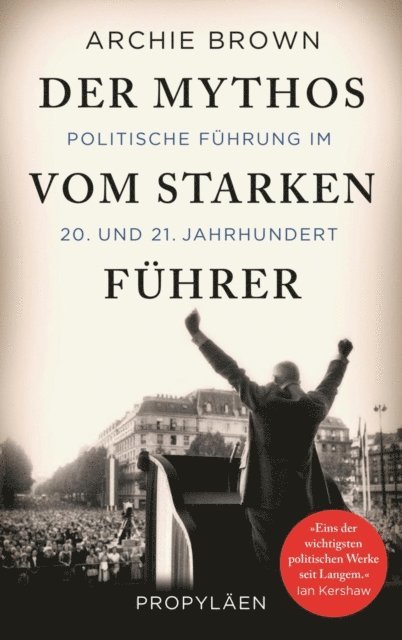
Der Mythos vom starken Führer
Politische Führung im 20. und 21. Jahrhundert
Av Archie Brown
E-bok, 2018
261 kr
Lägg i varukorg
Politiker, die sich als starke Führer präsentieren, haben weltweit besonders großen Zulauf. Welche katastrophalen Folgen das haben kann, zeigt der renommierte Oxford-Politikwissenschaftler Archie Brown in seiner brillanten Analyse über politische Führung. Basierend auf einer ausführlichen Recherche …