Archie L. Dick – författare
Visar alla böcker från författaren Archie L. Dick. Handla med fri frakt och snabb leverans.
8 produkter
8 produkter
Häftad, Engelska, 2020
208 kr
Skickas inom 7-10 vardagar
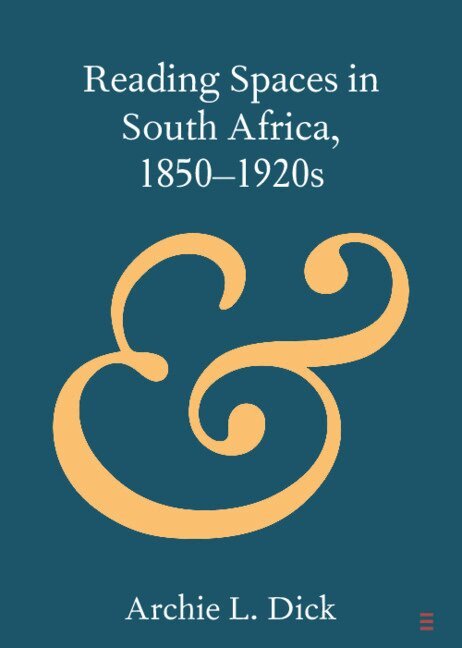
Voluntary societies and government initiatives stimulated the growth of reading communities in South Africa in the second half of the nineteenth century. A system of Parliamentary grants to establish public libraries in country towns and villages nurtured a lively reading culture. A condition was that the library should be open free-of-charge to the general public. This became one more reading space, and others included book societies, reading societies, literary societies, debating societies, mechanics institutes, and mutual improvement societies. This Element explains how reading communities used these spaces to promote cultural and literary development in a unique ethos of improvement, and to raise political awareness in South Africa's colonial transition to a Union government and racial segregation.
E-bok
PDF, Engelska, 2020246 kr
Läs direkt efter köp
Voluntary societies and government initiatives stimulated the growth of reading communities in South Africa in the second half of the nineteenth century. A system of Parliamentary grants to establish public libraries in country towns and villages nurtured a lively reading culture. A condition was that the library should be open free-of-charge to the general public. This became one more reading space, and others included book societies, reading societies, literary societies, debating societies, mechanics institutes, and mutual improvement societies. This Element explains how reading communities used these spaces to promote cultural and literary development in a unique ethos of improvement, and to raise political awareness in South Africa''s colonial transition to a Union government and racial segregation.
E-bok
Engelska, 2020246 kr
Läs direkt efter köp
Voluntary societies and government initiatives stimulated the growth of reading communities in South Africa in the second half of the nineteenth century. A system of Parliamentary grants to establish public libraries in country towns and villages nurtured a lively reading culture. A condition was that the library should be open free-of-charge to the general public. This became one more reading space, and others included book societies, reading societies, literary societies, debating societies, mechanics institutes, and mutual improvement societies. This Element explains how reading communities used these spaces to promote cultural and literary development in a unique ethos of improvement, and to raise political awareness in South Africa''s colonial transition to a Union government and racial segregation.
Häftad, Engelska, 2013
383 kr
Skickas inom 5-8 vardagar
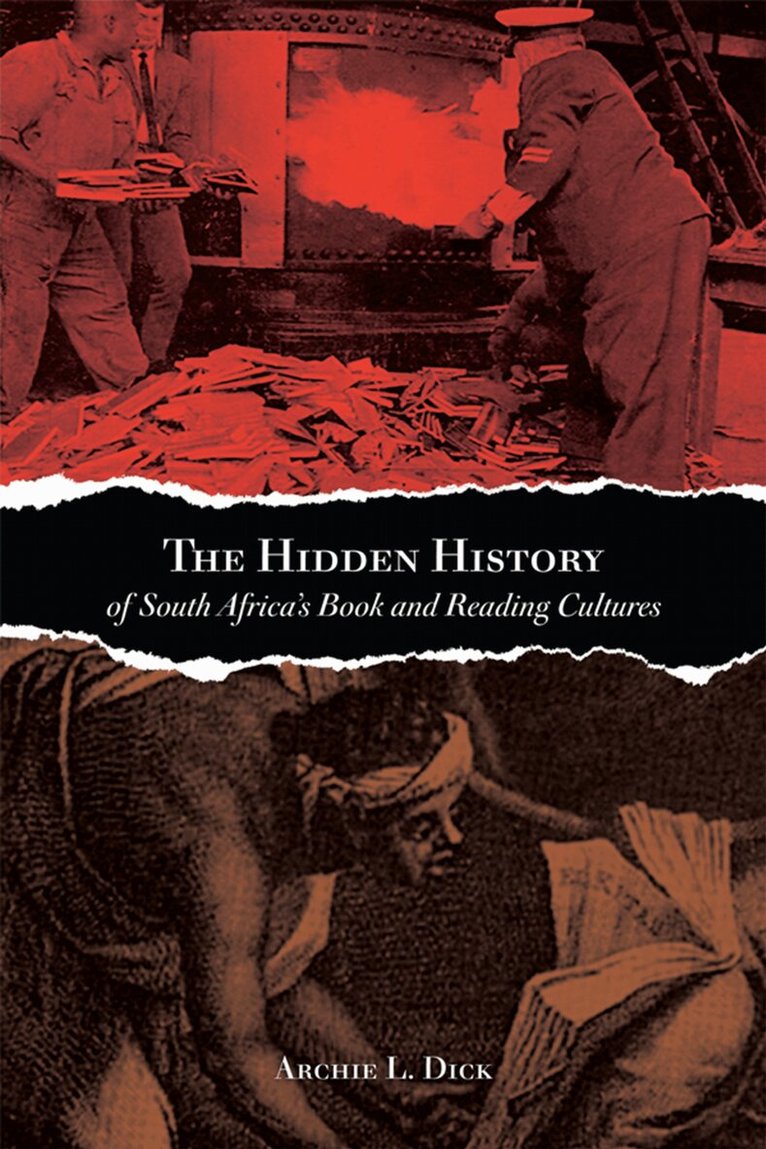
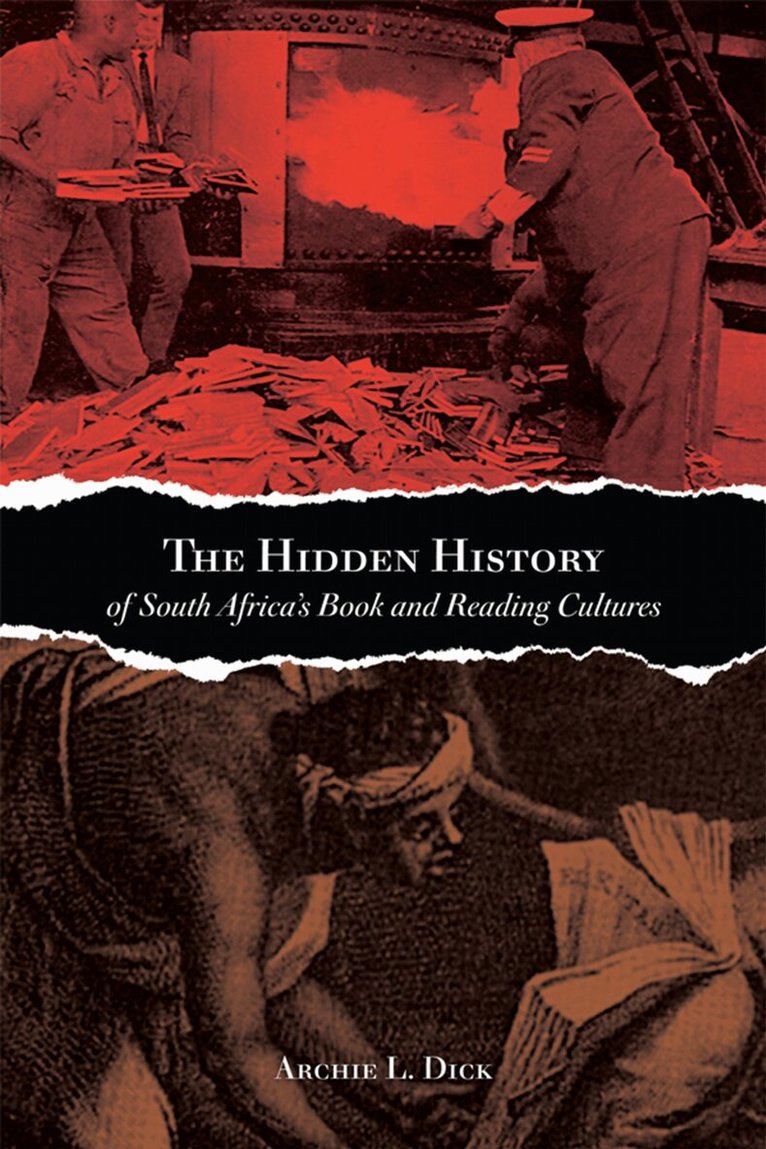
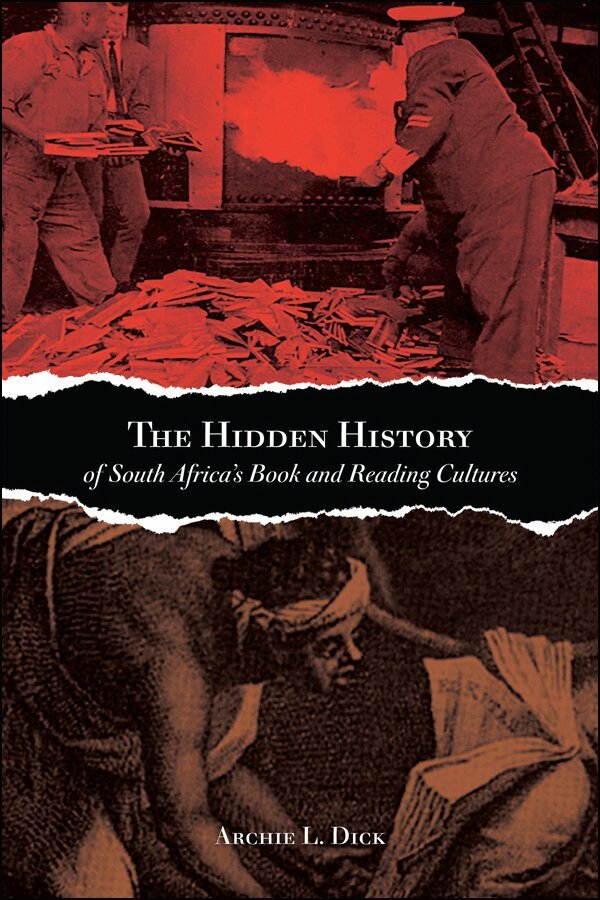
The Hidden History of South Africa's Book and Reading Cultures shows how the common practice of reading can illuminate the social and political history of a culture. This ground-breaking study reveals resistance strategies in the reading and writing practices of South Africans; strategies that have been hidden until now for political reasons relating to the country's liberation struggles.By looking to records from a slave lodge, women's associations, army education units, universities, courts, libraries, prison departments, and political groups, Archie Dick exposes the key works of fiction and non-fiction, magazines, and newspapers that were read and discussed by political activists and prisoners.Uncovering the book and library schemes that elites used to regulate reading, Dick exposes incidences of intellectual fraud, book theft, censorship, and book burning. Through this innovative methodology, Dick aptly shows how South African readers used reading and books to resist unjust regimes and build community across South Africa's class and racial barriers.
E-bok
PDF, Engelska, 2013474 kr
Läs direkt efter köp
The Hidden History of South Africa's Book and Reading Cultures shows how the common practice of reading can illuminate the social and political history of a culture. This ground-breaking study reveals resistance strategies in the reading and writing practices of South Africans; strategies that have been hidden until now for political reasons relating to the country's liberation struggles.By looking to records from a slave lodge, women's associations, army education units, universities, courts, libraries, prison departments, and political groups, Archie Dick exposes the key works of fiction and non-fiction, magazines, and newspapers that were read and discussed by political activists and prisoners.Uncovering the book and library schemes that elites used to regulate reading, Dick exposes incidences of intellectual fraud, book theft, censorship, and book burning. Through this innovative methodology, Dick aptly shows how South African readers used reading and books to resist unjust regimes and build community across South Africa's class and racial barriers.
E-bok
Engelska, 2013474 kr
Läs direkt efter köp
The Hidden History of South Africa's Book and Reading Cultures shows how the common practice of reading can illuminate the social and political history of a culture. This ground-breaking study reveals resistance strategies in the reading and writing practices of South Africans; strategies that have been hidden until now for political reasons relating to the country's liberation struggles.By looking to records from a slave lodge, women's associations, army education units, universities, courts, libraries, prison departments, and political groups, Archie Dick exposes the key works of fiction and non-fiction, magazines, and newspapers that were read and discussed by political activists and prisoners.Uncovering the book and library schemes that elites used to regulate reading, Dick exposes incidences of intellectual fraud, book theft, censorship, and book burning. Through this innovative methodology, Dick aptly shows how South African readers used reading and books to resist unjust regimes and build community across South Africa's class and racial barriers.
E-bok
PDF, Engelska, 2012537 kr
Läs direkt efter köp
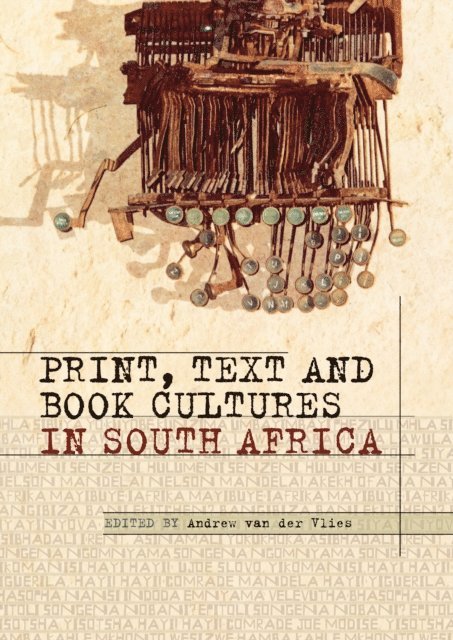
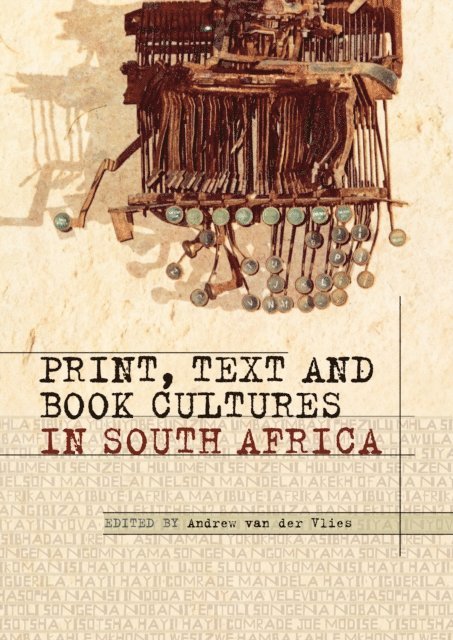
This book explores the power of print and the politics of the book in South Africa from a range of disciplinary perspectives—historical, bibliographic, literary-critical, sociological, and cultural studies. The essays collected here, by leading international scholars, address a range of topics as varied as: the role of print cultures in contests over the nature of the colonial public sphere in the nineteenth century; orthography; iimbongi, orature and the canon; book- collecting and libraries; print and transnationalism; Indian Ocean cosmopolitanisms; books in war; how the fates of South African texts, locally and globally, have been affected by their material instantiations; photocomics and other ephemera; censorship, during and after apartheid; books about art and books as art; local academic publishing; and the challenge of ‘book history’ for literary and cultural criticism in contemporary South Africa.
E-bok
Engelska, 2012537 kr
Läs direkt efter köp
This book explores the power of print and the politics of the book in South Africa from a range of disciplinary perspectives—historical, bibliographic, literary-critical, sociological, and cultural studies. The essays collected here, by leading international scholars, address a range of topics as varied as: the role of print cultures in contests over the nature of the colonial public sphere in the nineteenth century; orthography; iimbongi, orature and the canon; book- collecting and libraries; print and transnationalism; Indian Ocean cosmopolitanisms; books in war; how the fates of South African texts, locally and globally, have been affected by their material instantiations; photocomics and other ephemera; censorship, during and after apartheid; books about art and books as art; local academic publishing; and the challenge of ‘book history’ for literary and cultural criticism in contemporary South Africa.