3 124 kr
Skickas inom 10-15 vardagar
3 124 kr
Skickas inom 10-15 vardagar
804 kr
Skickas inom 10-15 vardagar
737 kr
Skickas inom 10-15 vardagar
2 857 kr
Skickas inom 10-15 vardagar
725 kr
Läs direkt efter köp
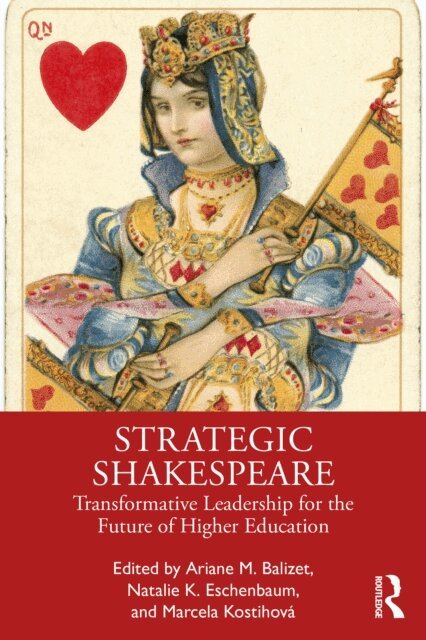
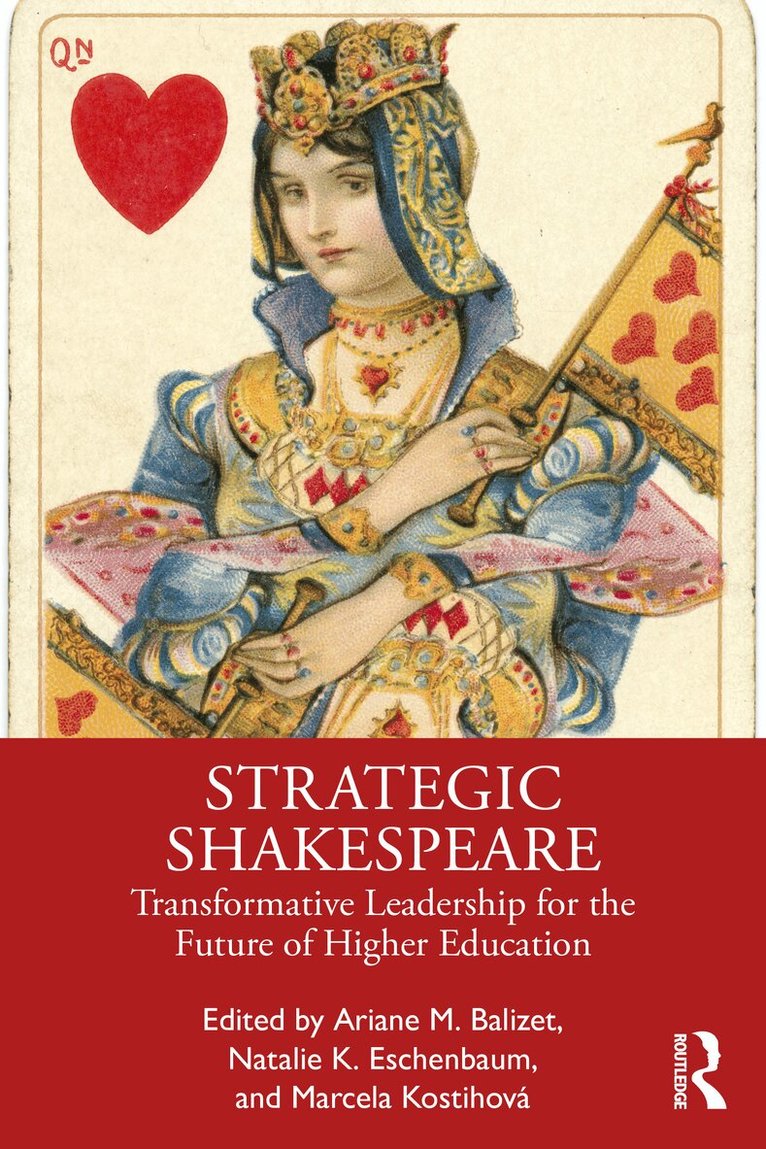
Strategic Shakespeare demonstrates the value of humanities-trained scholars as leaders in higher education. It features contributions from Renaissance and Shakespearean scholars in leadership roles in North American higher education, who collectively aim to leverage traditional assumptions about Shakespeare in the service of a more inclusive and sustainable academy.
Making a powerful case for the liberal arts, the contributors demonstrate ways in which training in the humanities creates a baseline of skills in collaboration, deep listening, tolerance for ambiguity, and a range of positionalities. They also illustrate an astute understanding of disparate data sets, persuasive storytelling, and a commitment to liberal arts education. As this innovative collection showcases, these skills are crucial in the current climate, as higher education struggles with declining enrolments, decreasing budgets, growing public distrust, and (often) hostile legislative oversight. Additionally, the skills help us navigate a rapidly shifting landscape of learning in the aftermath of the COVID-19 pandemic and entry of generative artificial intelligence (AI) to the public sphere. The collection presents theoretical arguments, case studies, personal narratives, and practical advice related to how humanities-trained scholars have led and must continue to lead the academy through transformative change.
Strategic Shakespeare is an essential tool for anyone interested in learning from university leaders who have made good things happen on their campuses, in their communities, and in the profession. It celebrates and foregrounds the core adaptive skills that humanities scholars bring to the table, showcasing their unique predisposition for successful academic leadership during a time of unprecedented change.
725 kr
Läs direkt efter köp
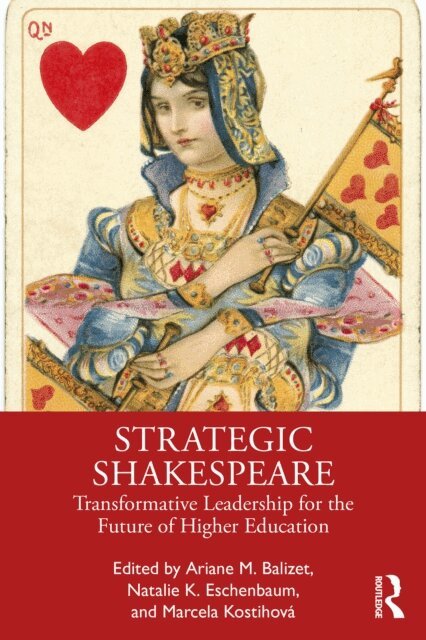
Strategic Shakespeare demonstrates the value of humanities-trained scholars as leaders in higher education. It features contributions from Renaissance and Shakespearean scholars in leadership roles in North American higher education, who collectively aim to leverage traditional assumptions about Shakespeare in the service of a more inclusive and sustainable academy.
Making a powerful case for the liberal arts, the contributors demonstrate ways in which training in the humanities creates a baseline of skills in collaboration, deep listening, tolerance for ambiguity, and a range of positionalities. They also illustrate an astute understanding of disparate data sets, persuasive storytelling, and a commitment to liberal arts education. As this innovative collection showcases, these skills are crucial in the current climate, as higher education struggles with declining enrolments, decreasing budgets, growing public distrust, and (often) hostile legislative oversight. Additionally, the skills help us navigate a rapidly shifting landscape of learning in the aftermath of the COVID-19 pandemic and entry of generative artificial intelligence (AI) to the public sphere. The collection presents theoretical arguments, case studies, personal narratives, and practical advice related to how humanities-trained scholars have led and must continue to lead the academy through transformative change.
Strategic Shakespeare is an essential tool for anyone interested in learning from university leaders who have made good things happen on their campuses, in their communities, and in the profession. It celebrates and foregrounds the core adaptive skills that humanities scholars bring to the table, showcasing their unique predisposition for successful academic leadership during a time of unprecedented change.
986 kr
Skickas inom 10-15 vardagar
2 857 kr
Skickas inom 10-15 vardagar
1 150 kr
Läs direkt efter köp
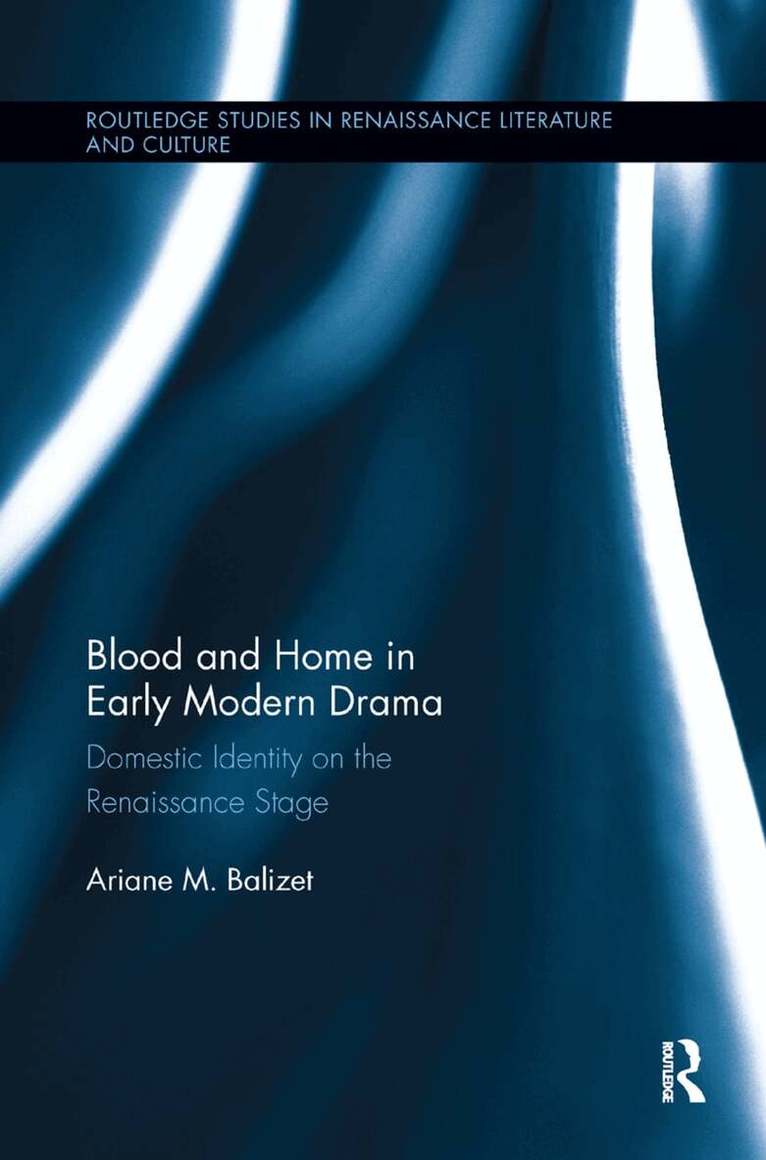
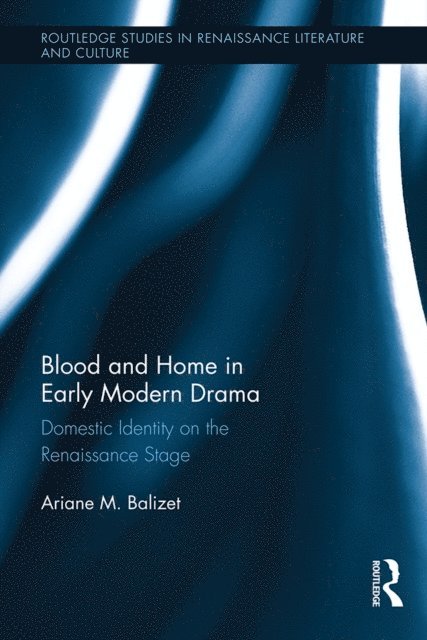
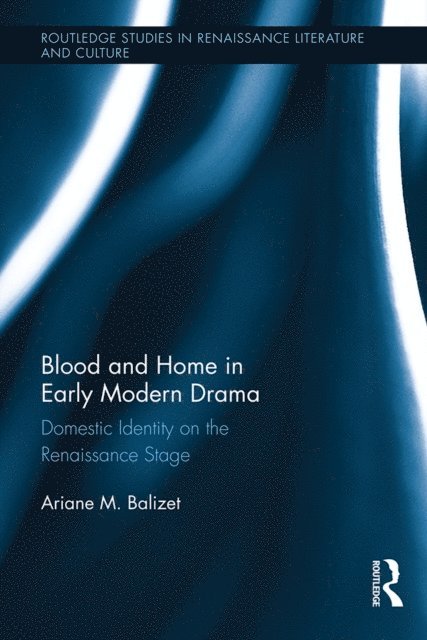
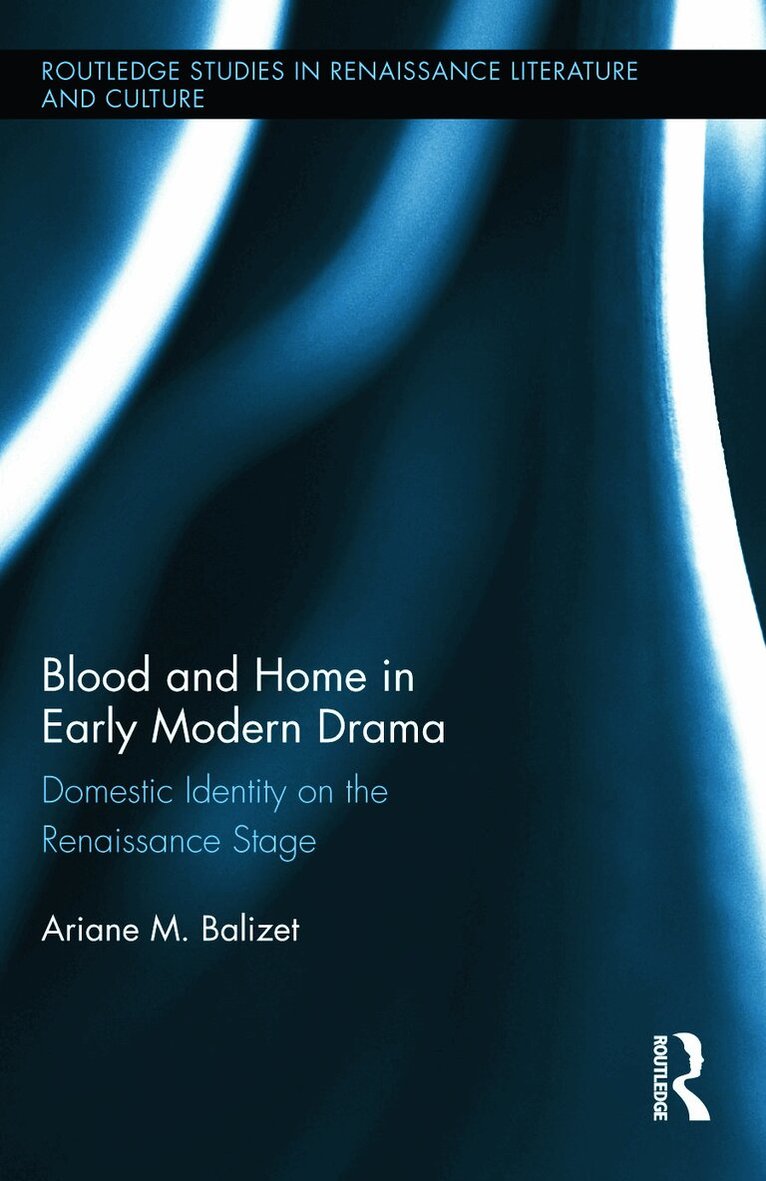
In this volume, the author argues that blood was, crucially, a means by which dramatists negotiated shifting contours of domesticity in 16th and 17th century England. Early modern English drama vividly addressed contemporary debates over an expanding idea of "the domestic," which encompassed the domus as well as sex, parenthood, household order, the relationship between home and state, and the connections between family honor and national identity. The author contends that the domestic ideology expressed by theatrical depictions of marriage and household order is one built on the simultaneous familiarity and violence inherent to blood.
The theatrical relation between blood and home is far more intricate than the idealized language of the familial bloodline; the home was itself a bloody place, with domestic bloodstains signifying a range of experiences including religious worship, sex, murder, birth, healing, and holy justice. Focusing on four bleeding figures—the Bleeding Bride, Bleeding Husband, Bleeding Child, and Bleeding Patient—the author argues that the household blood of the early modern stage not only expressed the violence and conflict occasioned by domestic ideology, but also established the home as a site that alternately reified and challenged patriarchal authority.
1 150 kr
Läs direkt efter köp
In this volume, the author argues that blood was, crucially, a means by which dramatists negotiated shifting contours of domesticity in 16th and 17th century England. Early modern English drama vividly addressed contemporary debates over an expanding idea of "the domestic," which encompassed the domus as well as sex, parenthood, household order, the relationship between home and state, and the connections between family honor and national identity. The author contends that the domestic ideology expressed by theatrical depictions of marriage and household order is one built on the simultaneous familiarity and violence inherent to blood.
The theatrical relation between blood and home is far more intricate than the idealized language of the familial bloodline; the home was itself a bloody place, with domestic bloodstains signifying a range of experiences including religious worship, sex, murder, birth, healing, and holy justice. Focusing on four bleeding figures—the Bleeding Bride, Bleeding Husband, Bleeding Child, and Bleeding Patient—the author argues that the household blood of the early modern stage not only expressed the violence and conflict occasioned by domestic ideology, but also established the home as a site that alternately reified and challenged patriarchal authority.
935 kr
Läs direkt efter köp
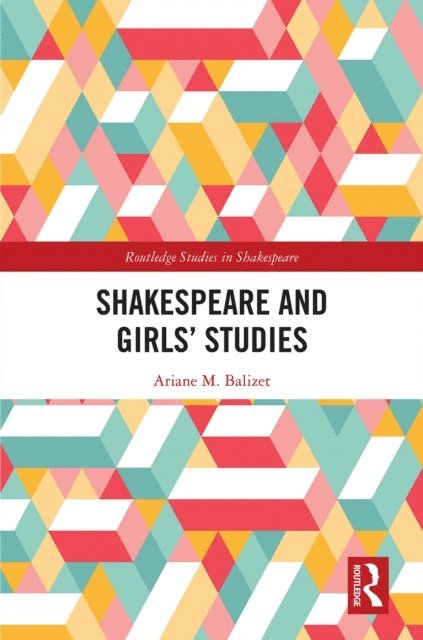
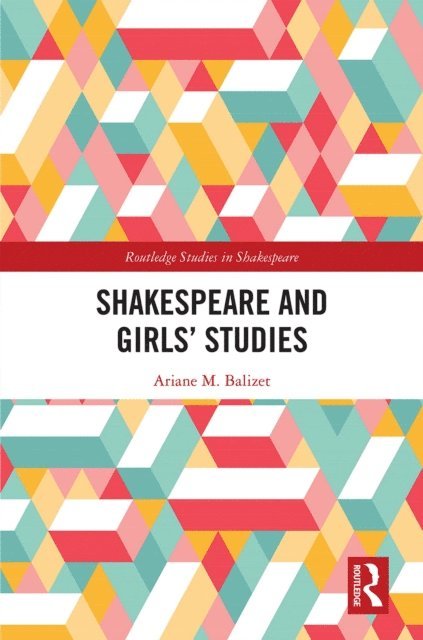
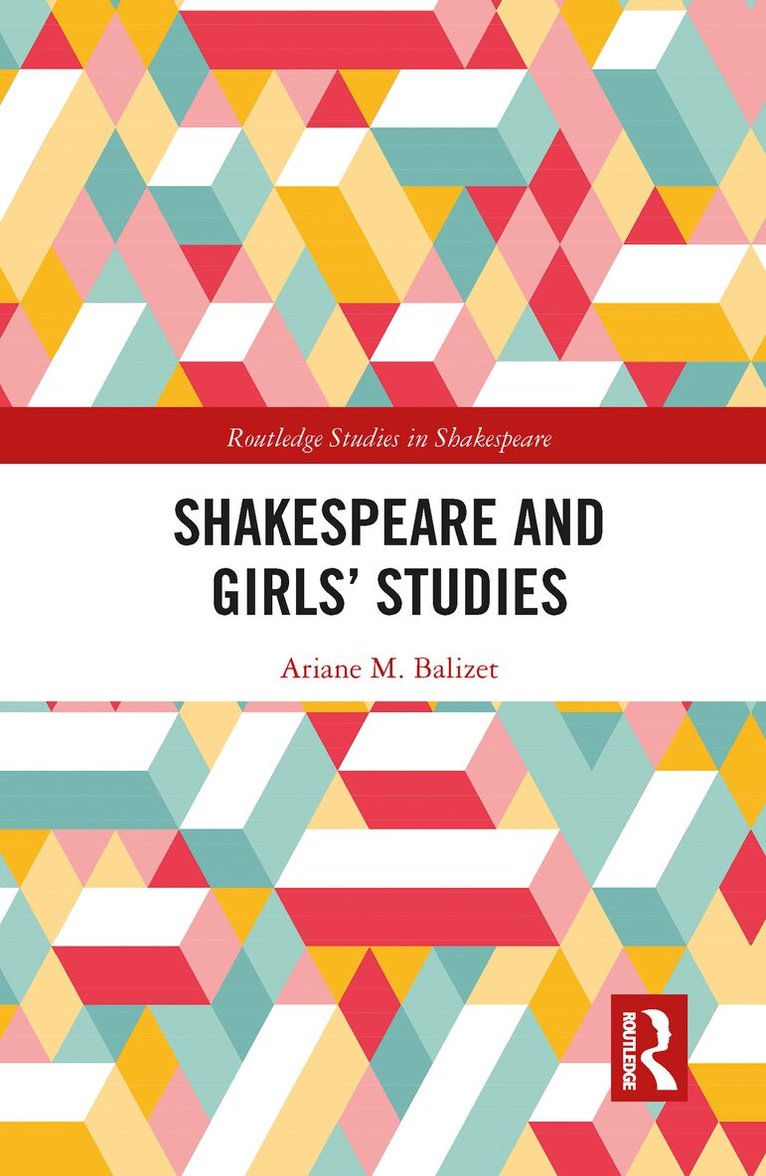
A modern-day Taming of the Shrew that concludes at a high school prom. An agoraphobic Olivia from Twelfth Night sending video dispatches from her bedroom. A time-traveling teenager finding romance in the house of Capulet. Shakespeare and Girls’ Studies posits that Shakespeare in popular culture is increasingly becoming the domain of the adolescent girl, and engages the interdisciplinary field of Girls’ Studies to analyze adaptation and appropriation of Shakespeare’s plays in the late 20th and early 21st centuries. Through chapters on film, television, young adult fiction, and web series aimed at girl readers and audiences, this volume explores the impact of girl cultures and concerns on Shakespeare’s afterlife in popular culture and the classroom. Shakespeare and Girls’ Studies argues that girls hold a central place in Shakespearean adaptation, and that studying Shakespeare through the lens of contemporary girlhoods can generate new approaches to Renaissance literature as well as popular culture aimed at girls and young people of marginalized genders. Drawing on contemporary cultural discourses ranging from Abstinence-Only Sex Education and Shakespeare in the US Common Core to rape culture and coming out, this book addresses the overlap between Shakespeare’s timeless girl heroines and modern popular cultures that embrace figures like Juliet and Ophelia to understand and validate the experiences of girls. Shakespeare and Girls’ Studies theorizes Shakespeare’s past and present cultural authority as part of an intersectional approach to adaptation in popular culture.
928 kr
Läs direkt efter köp
A modern-day Taming of the Shrew that concludes at a high school prom. An agoraphobic Olivia from Twelfth Night sending video dispatches from her bedroom. A time-traveling teenager finding romance in the house of Capulet. Shakespeare and Girls’ Studies posits that Shakespeare in popular culture is increasingly becoming the domain of the adolescent girl, and engages the interdisciplinary field of Girls’ Studies to analyze adaptation and appropriation of Shakespeare’s plays in the late 20th and early 21st centuries. Through chapters on film, television, young adult fiction, and web series aimed at girl readers and audiences, this volume explores the impact of girl cultures and concerns on Shakespeare’s afterlife in popular culture and the classroom. Shakespeare and Girls’ Studies argues that girls hold a central place in Shakespearean adaptation, and that studying Shakespeare through the lens of contemporary girlhoods can generate new approaches to Renaissance literature as well as popular culture aimed at girls and young people of marginalized genders. Drawing on contemporary cultural discourses ranging from Abstinence-Only Sex Education and Shakespeare in the US Common Core to rape culture and coming out, this book addresses the overlap between Shakespeare’s timeless girl heroines and modern popular cultures that embrace figures like Juliet and Ophelia to understand and validate the experiences of girls. Shakespeare and Girls’ Studies theorizes Shakespeare’s past and present cultural authority as part of an intersectional approach to adaptation in popular culture.