Arndt Brendecke – författare
2 215 kr
Skickas inom 10-15 vardagar
662 kr
Skickas inom 10-15 vardagar
719 kr
Läs direkt efter köp
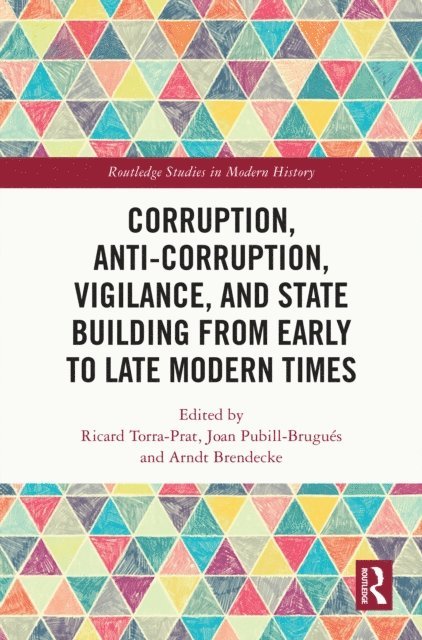
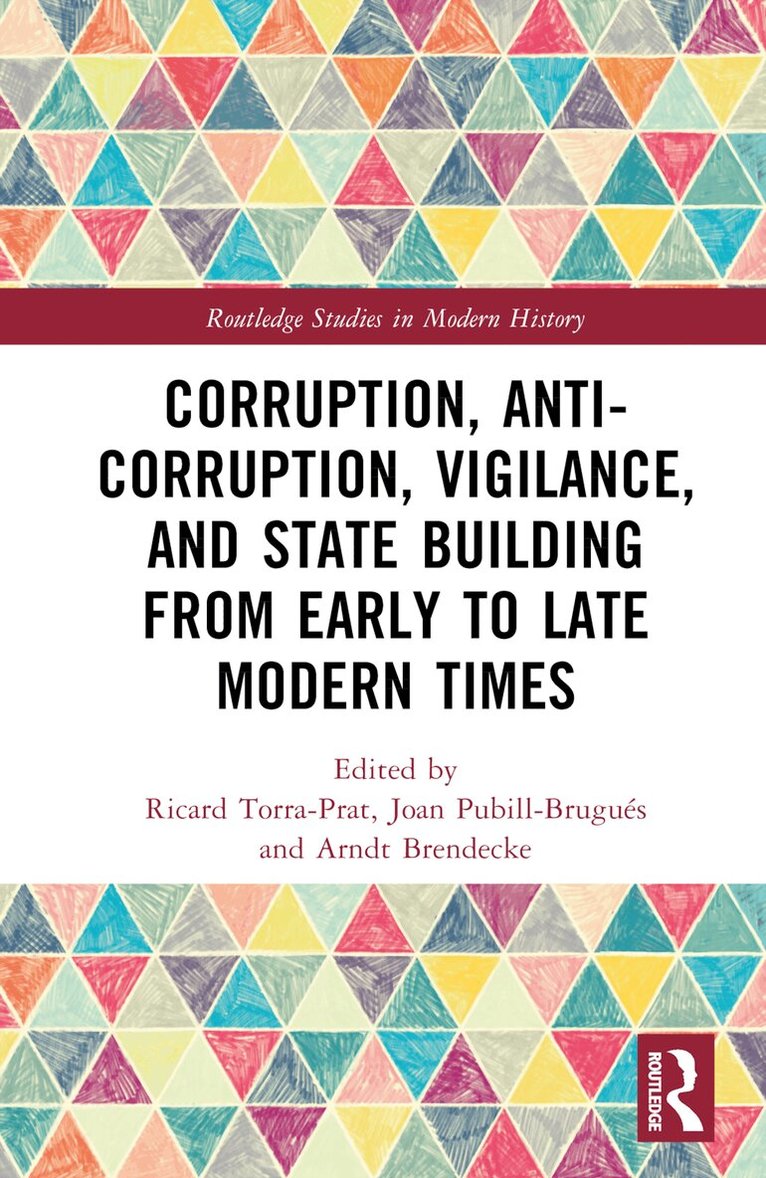
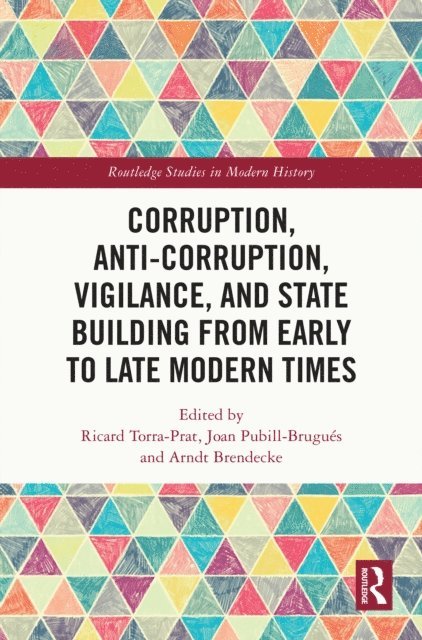
Corruption, Anti-Corruption, Vigilance, and State Building from Early to Late Modern Times challenges current historiographical approaches, proposing new interpretations to rethink the relation between corruption and the socio-political and economic transformations since early globalisation.
By adopting both transnational and long-term approaches, the book explores the historical dimension of notions such as accountability, transparency, and vigilance in their immediate political, social, and legal contexts. The starting point is to view corruption not as a moral category that emerged in 1789 to delegitimise past, foreign or present state systems, but as a constantly contested concept that must also be historicised in past societies. The collection revisits chronologies and examines different local, regional, and national frames, highlighting that the path to modernity was contested and affected by a variety of unique circumstances, such as revolutions and external political powers.
Building on the latest research and offering new methods of inquiry, this book is a compelling resource for academics interested in political history and the history of corruption.
719 kr
Läs direkt efter köp
Corruption, Anti-Corruption, Vigilance, and State Building from Early to Late Modern Times challenges current historiographical approaches, proposing new interpretations to rethink the relation between corruption and the socio-political and economic transformations since early globalisation.
By adopting both transnational and long-term approaches, the book explores the historical dimension of notions such as accountability, transparency, and vigilance in their immediate political, social, and legal contexts. The starting point is to view corruption not as a moral category that emerged in 1789 to delegitimise past, foreign or present state systems, but as a constantly contested concept that must also be historicised in past societies. The collection revisits chronologies and examines different local, regional, and national frames, highlighting that the path to modernity was contested and affected by a variety of unique circumstances, such as revolutions and external political powers.
Building on the latest research and offering new methods of inquiry, this book is a compelling resource for academics interested in political history and the history of corruption.
1 668 kr
Läs direkt efter köp
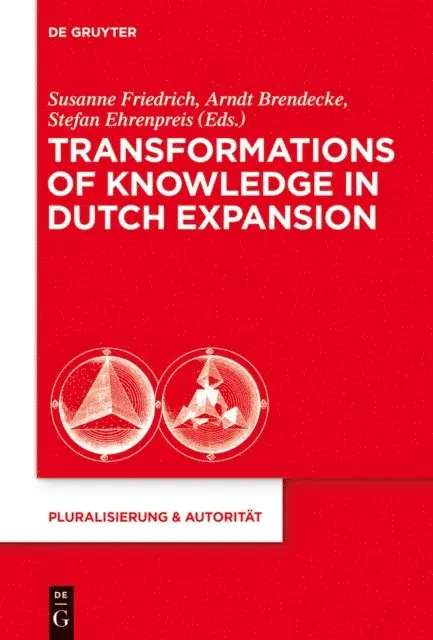
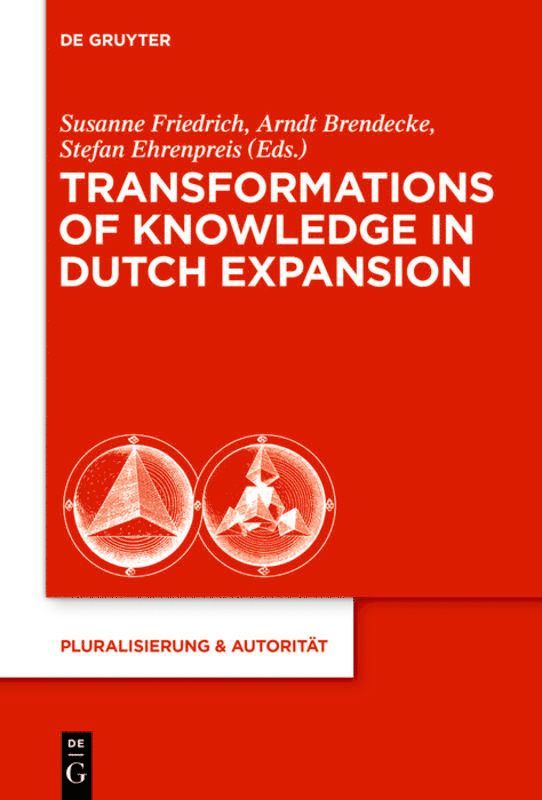
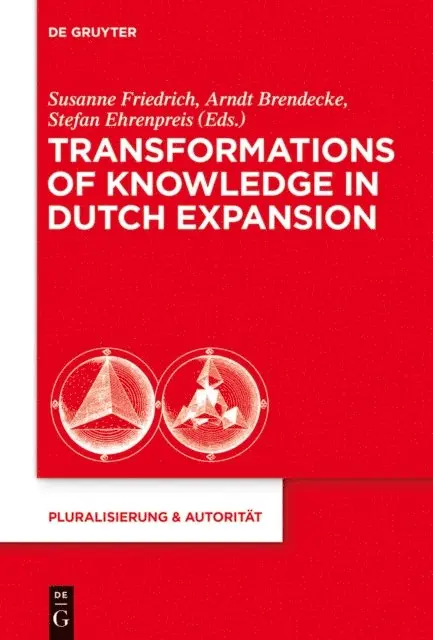
In the seventeenth and eighteenth centuries, objects, texts and people travelled around the world on board Dutch ships. The essays in this book explore how these circulations transformed knowledge in Asian and European societies. They concentrate on epistemic consequences in the fields of historiography, geography, natural history, religion and philosophy, as well as in everyday life. Emphasizing transformations, the volume reconstructs small semantic shifts of knowledge and tentative adjustments to new cultural contexts. It unfolds the often conflict-ridden, complex and largely global history of specific pieces of knowledge as well as of generally-shared contemporary understandings regarding what could or could not be considered true. The book contributes to current debates about how to conceptualize the unsettled epistemologies of the early modern world.
709 kr
Läs direkt efter köp
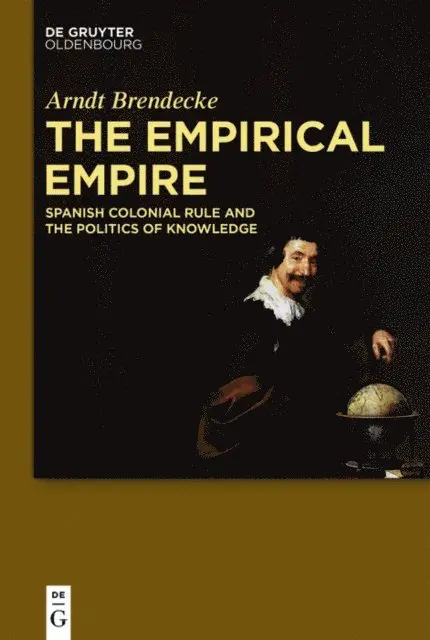
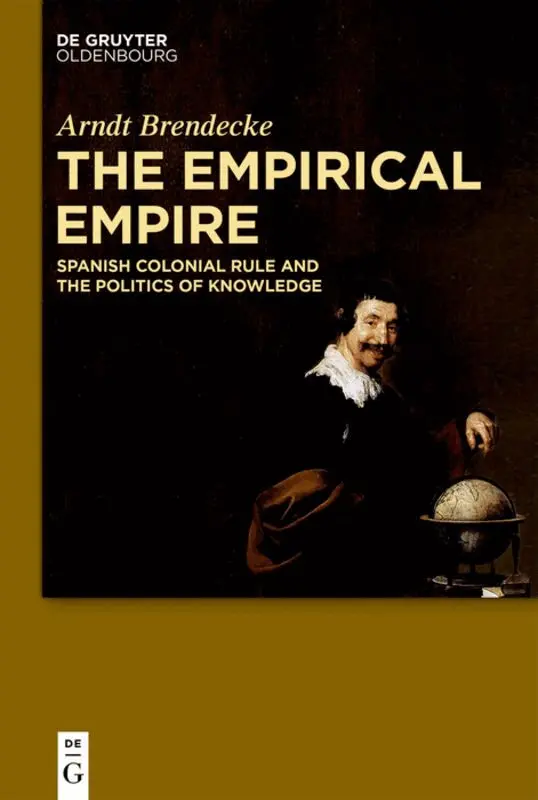
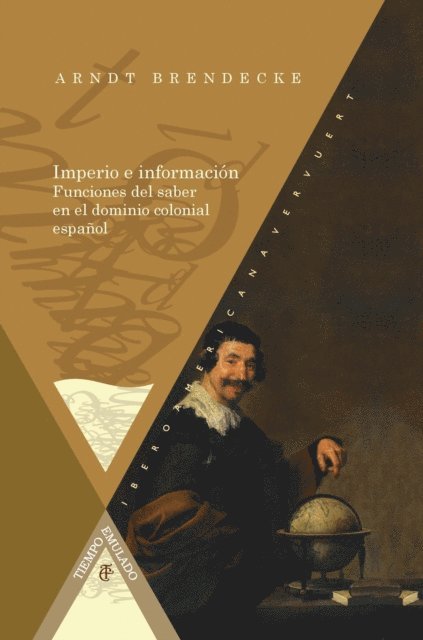
How was Spain able to govern its enormous colonial territories? In 1573 the king decreed that his councilors should acquire "complete knowledge" about the empire they were running from out of Madrid, and he initiated an impressive program for the systematic collection of empirical knowledge. Brendecke shows why this knowledge was created in the first place – but then hardly used. And he looks into the question of what political effects such a policy of knowledge had for Spain’s colonial rule.
Transformations of Knowledge in Dutch Expansion
1 655 kr
Skickas inom 5-8 vardagar
707 kr
Skickas inom 5-8 vardagar
1 668 kr
Läs direkt efter köp
In the seventeenth and eighteenth centuries, objects, texts and people travelled around the world on board Dutch ships. The essays in this book explore how these circulations transformed knowledge in Asian and European societies. They concentrate on epistemic consequences in the fields of historiography, geography, natural history, religion and philosophy, as well as in everyday life. Emphasizing transformations, the volume reconstructs small semantic shifts of knowledge and tentative adjustments to new cultural contexts. It unfolds the often conflict-ridden, complex and largely global history of specific pieces of knowledge as well as of generally-shared contemporary understandings regarding what could or could not be considered true. The book contributes to current debates about how to conceptualize the unsettled epistemologies of the early modern world.
709 kr
Läs direkt efter köp
How was Spain able to govern its enormous colonial territories? In 1573 the king decreed that his councilors should acquire "complete knowledge" about the empire they were running from out of Madrid, and he initiated an impressive program for the systematic collection of empirical knowledge. Brendecke shows why this knowledge was created in the first place – but then hardly used. And he looks into the question of what political effects such a policy of knowledge had for Spain’s colonial rule.
1 045 kr
Skickas inom 5-8 vardagar
1 053 kr
Läs direkt efter köp
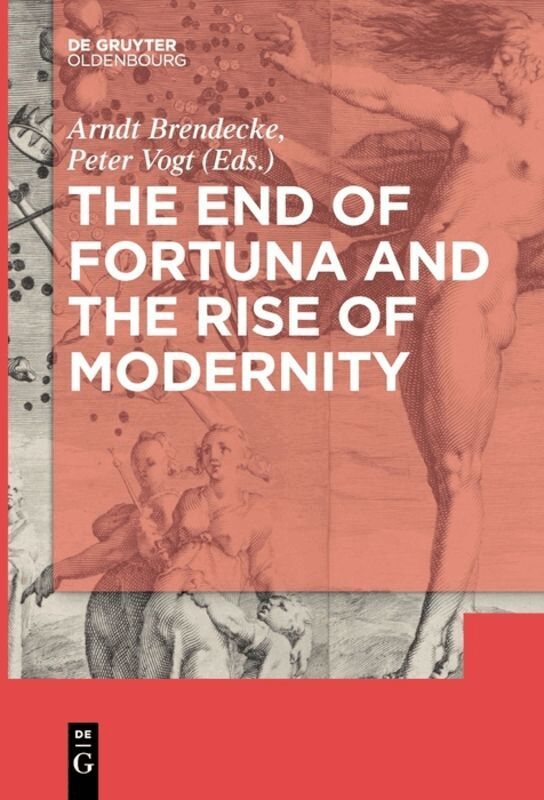
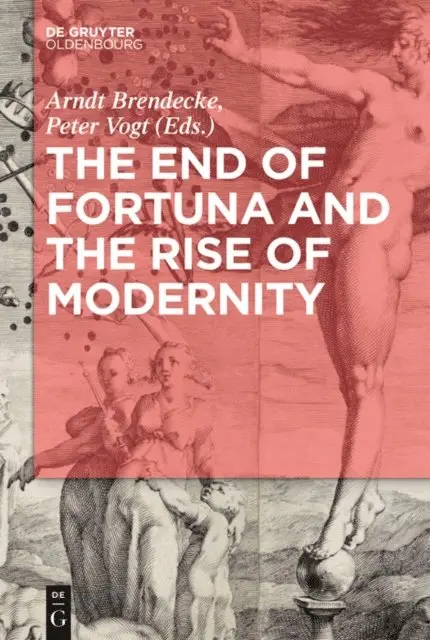
The late 16th century and the first half of the 17th century saw a final resurgence of the concept of Fortuna. Shortly thereafter, this goddess of chance and luck, who had survived for millennia, rapidly lost her cultural and intellectual relevance. This volume explores the late heyday and subsequent erasure of Fortuna. It examines vernacular traditions and confessional differences, analyses how the iconography and semantics of Fortuna motifs transformed, and traces the rise of complementary concepts such as those of probability, risk, fate and contingency. Thus, a multidisciplinary team of contributors sheds light on the surprising ways in which the end of Fortuna intersected with the rise of modernity.
1 053 kr
Läs direkt efter köp
The late 16th century and the first half of the 17th century saw a final resurgence of the concept of Fortuna. Shortly thereafter, this goddess of chance and luck, who had survived for millennia, rapidly lost her cultural and intellectual relevance. This volume explores the late heyday and subsequent erasure of Fortuna. It examines vernacular traditions and confessional differences, analyses how the iconography and semantics of Fortuna motifs transformed, and traces the rise of complementary concepts such as those of probability, risk, fate and contingency. Thus, a multidisciplinary team of contributors sheds light on the surprising ways in which the end of Fortuna intersected with the rise of modernity.
339 kr
Skickas inom 5-8 vardagar
589 kr
Skickas inom 5-8 vardagar
715 kr
Skickas inom 11-20 vardagar
1 555 kr
Skickas inom 11-20 vardagar
339 kr
Läs direkt efter köp