Arnold W. Rachman – författare
Visar alla böcker från författaren Arnold W. Rachman. Handla med fri frakt och snabb leverans.
8 produkter
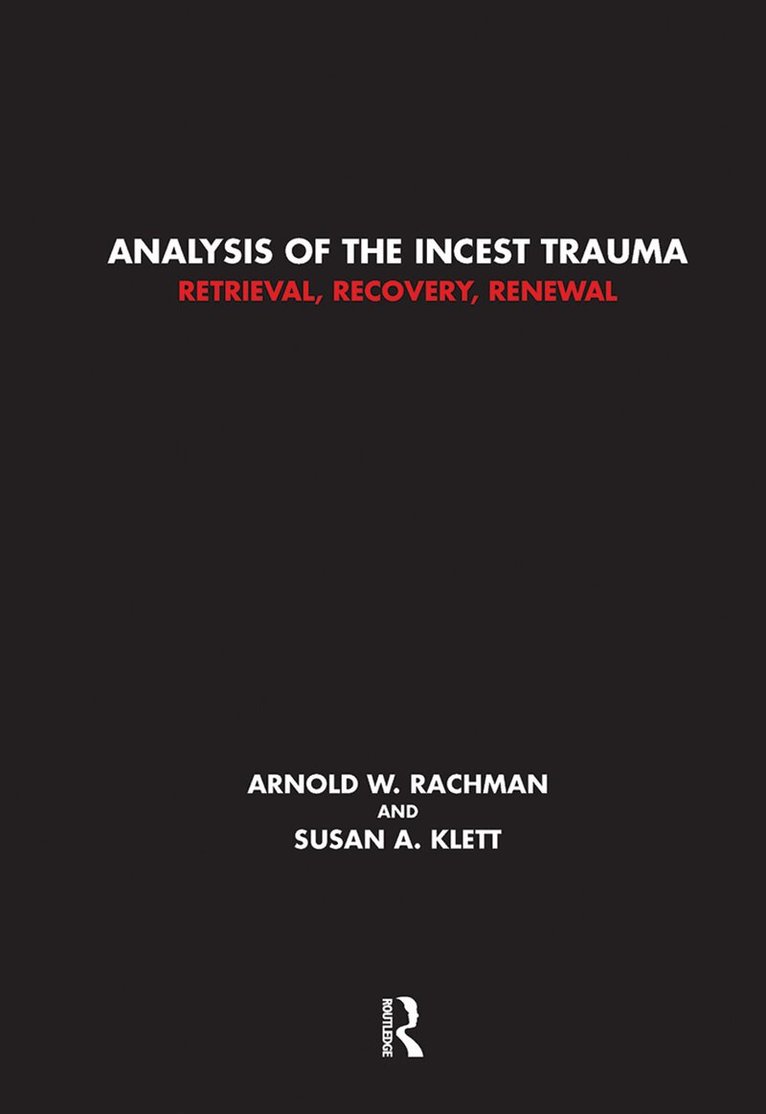
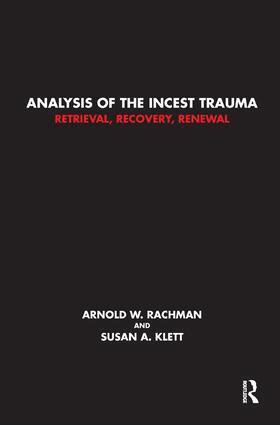
Analysis of the Incest Trauma
Retrieval, Recovery, Renewal
Av Susan A. Klett, Arnold W. Rachman
Inbunden, 2019
2085 kr
Lägg i varukorg
Childhood sexual abuse within the family of origin and society's institutions, such as the church, education, sports, and the world of celebrity, has been neglected as a significant issue by psychoanalysis and society. The incest trauma needs to be understood as one of the most significant problems …
Analysis of the Incest Trauma
Retrieval, Recovery, Renewal
Av Arnold W. Rachman, Susan A. Klett
E-bok, 2018
749 kr
Lägg i varukorg
Childhood sexual abuse within the family of origin and society''s institutions, such as the church, education, sports, and the world of celebrity, has been neglected as a significant issue by psychoanalysis and society. The incest trauma needs to be understood as one of the most significant …
Analysis of the Incest Trauma
Retrieval, Recovery, Renewal
Av Arnold W. Rachman, Susan A. Klett
E-bok, 2018
749 kr
Lägg i varukorg
Childhood sexual abuse within the family of origin and society''s institutions, such as the church, education, sports, and the world of celebrity, has been neglected as a significant issue by psychoanalysis and society. The incest trauma needs to be understood as one of the most significant …
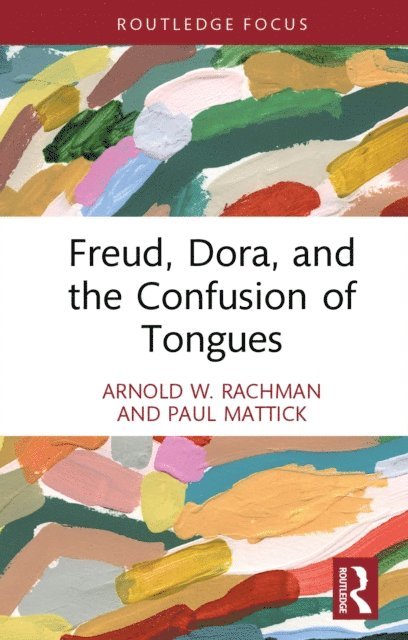
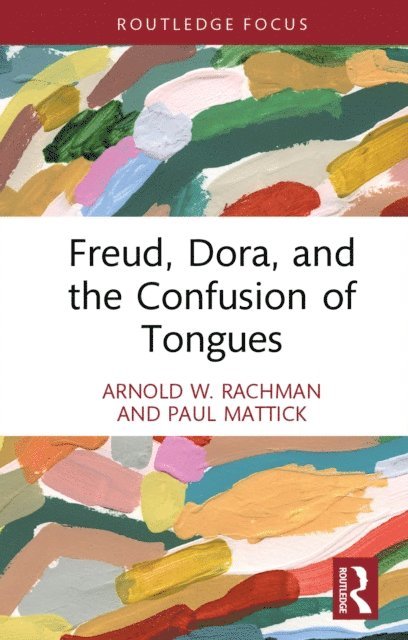
Freud, Dora, and the Confusion of Tongues
Av Paul Mattick, Arnold W. Rachman
E-bok, 2023
337 kr
Lägg i varukorg
Responding to growing interest in issues of gender and power as they arise within psychoanalysis, Freud, Dora, and the Confusion of Tongues re-examines Freud’s iconic case of Dora from the perspective of Sandor Ferenczi’s investigation of the sexual manipulation of children by adults. Freud …
Freud, Dora, and the Confusion of Tongues
Av Paul Mattick, Arnold W. Rachman
E-bok, 2023
337 kr
Lägg i varukorg
Responding to growing interest in issues of gender and power as they arise within psychoanalysis, Freud, Dora, and the Confusion of Tongues re-examines Freud’s iconic case of Dora from the perspective of Sandor Ferenczi’s investigation of the sexual manipulation of children by adults. Freud …
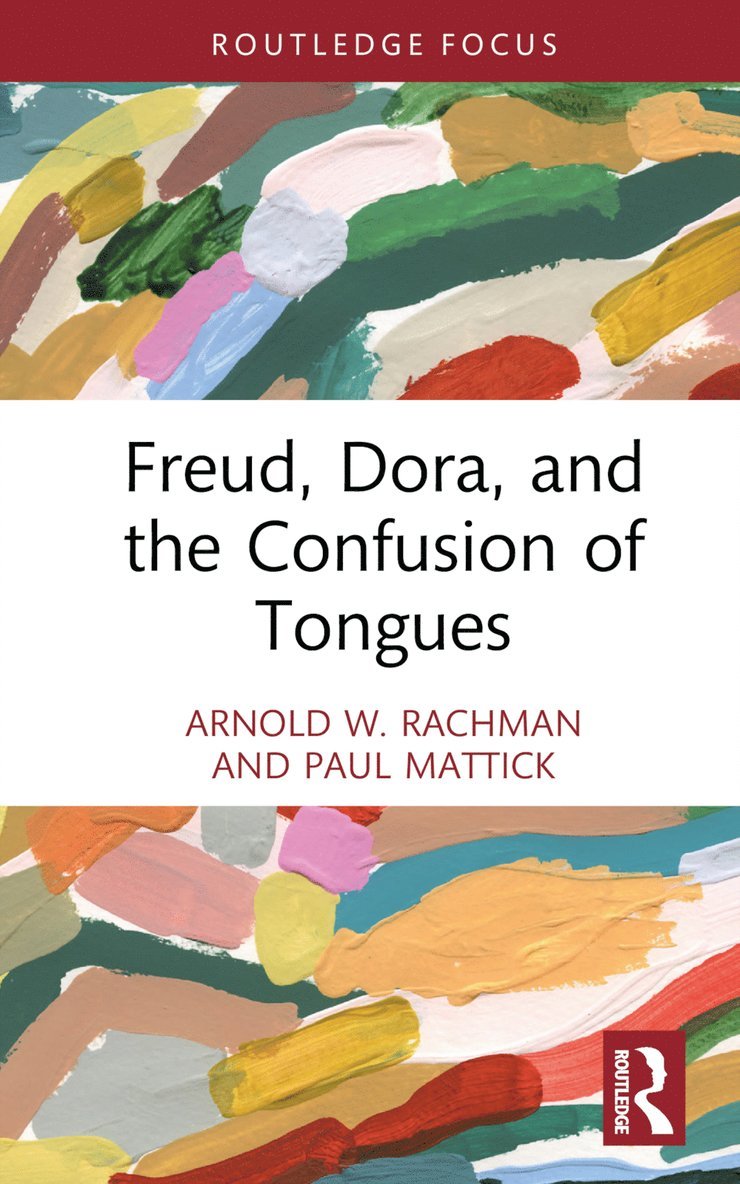
Freud, Dora, and the Confusion of Tongues
Av Arnold W. Rachman, Paul Mattick
Inbunden, 2023
971 kr
Lägg i varukorg
Responding to growing interest in issues of gender and power as they arise within psychoanalysis, Freud, Dora, and the Confusion of Tongues re-examines Freud’s iconic case of Dora from the perspective of Sandor Ferenczi’s investigation of the sexual manipulation of children by adults. Freud …
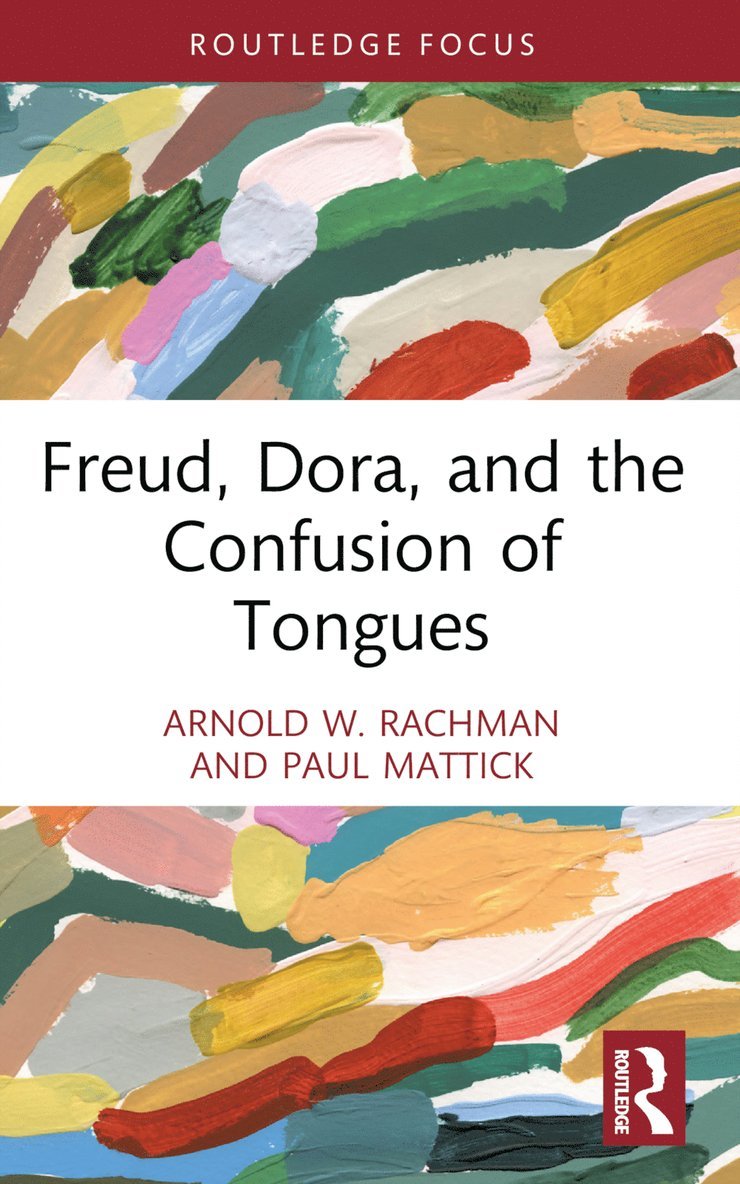
Freud, Dora, and the Confusion of Tongues
Av Arnold W. Rachman, Paul Mattick
Häftad, 2024
290 kr
Lägg i varukorg
Responding to growing interest in issues of gender and power as they arise within psychoanalysis, Freud, Dora, and the Confusion of Tongues re-examines Freud’s iconic case of Dora from the perspective of Sandor Ferenczi’s investigation of the sexual manipulation of children by adults. Freud …
Analysis of the Incest Trauma
Retrieval, Recovery, Renewal
Av Susan A. Klett, Arnold W. Rachman
Häftad, 2015
674 kr
Lägg i varukorg
Childhood sexual abuse within the family of origin and society's institutions, such as the church, education, sports, and the world of celebrity, has been neglected as a significant issue by psychoanalysis and society. The incest trauma needs to be understood as one of the most significant problems …