Aroosa Kanwal – författare
Visar alla böcker från författaren Aroosa Kanwal. Handla med fri frakt och snabb leverans.
12 produkter
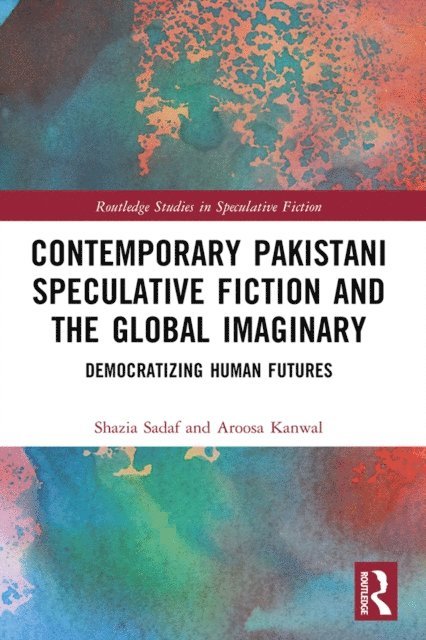
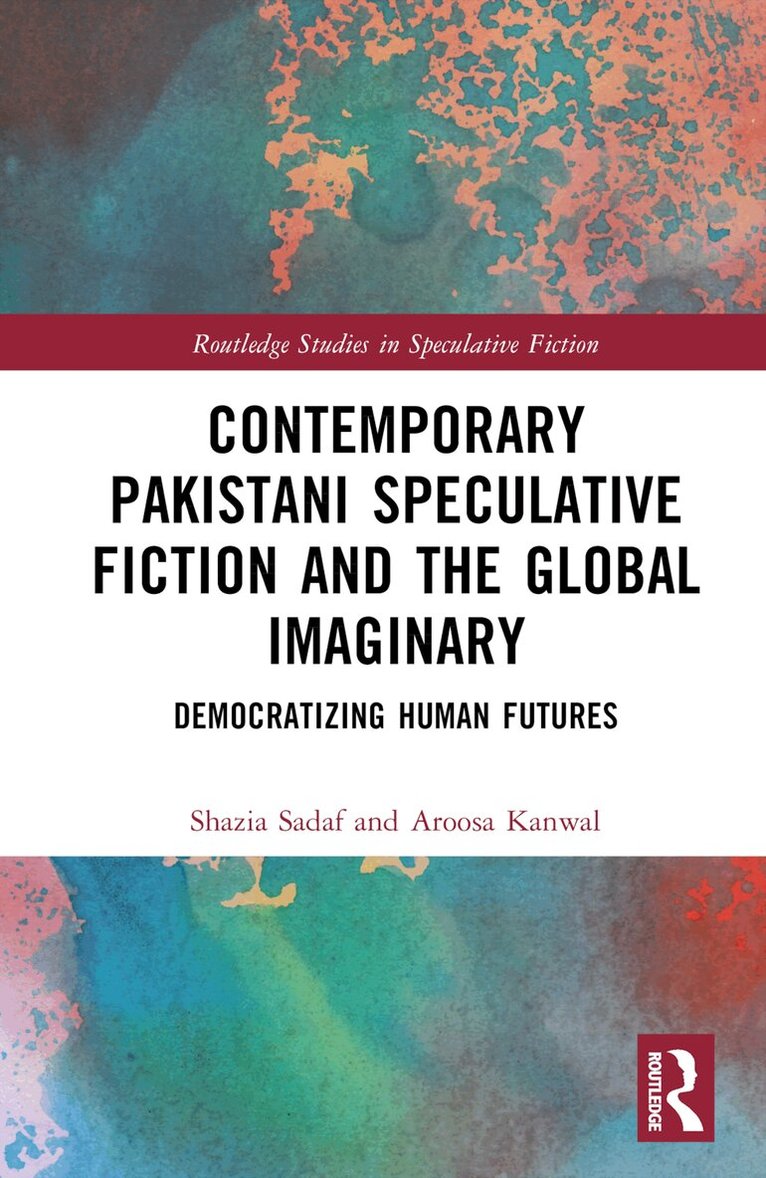
Contemporary Pakistani Speculative Fiction and the Global Imaginary
Democratizing Human Futures
Av Aroosa Kanwal, Shazia Sadaf
E-bok, 2023
857 kr
Lägg i varukorg
As the first book-length study of emergent Pakistani speculative fiction written in English, this critical work explores the ways in which contemporary Pakistani authors extend the genre in new directions by challenging the cognitive majoritarianism (usually Western) in this field. Responding to …
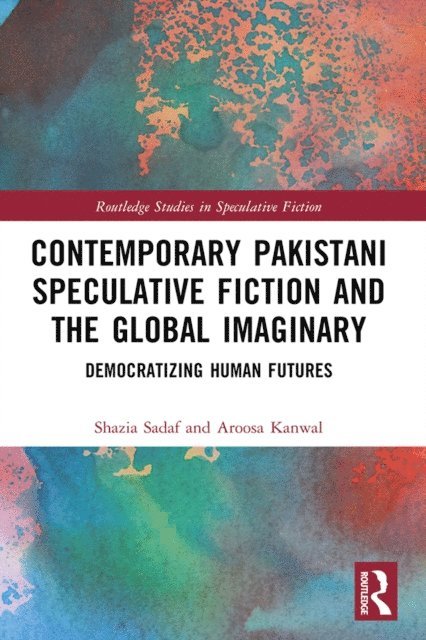
Contemporary Pakistani Speculative Fiction and the Global Imaginary
Democratizing Human Futures
Av Aroosa Kanwal, Shazia Sadaf
E-bok, 2023
857 kr
Lägg i varukorg
As the first book-length study of emergent Pakistani speculative fiction written in English, this critical work explores the ways in which contemporary Pakistani authors extend the genre in new directions by challenging the cognitive majoritarianism (usually Western) in this field. Responding to …
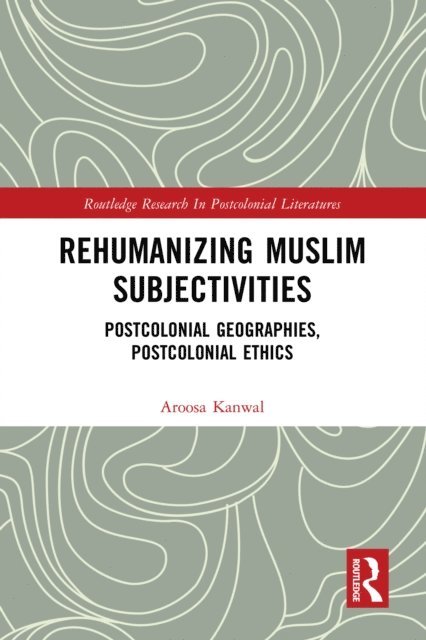
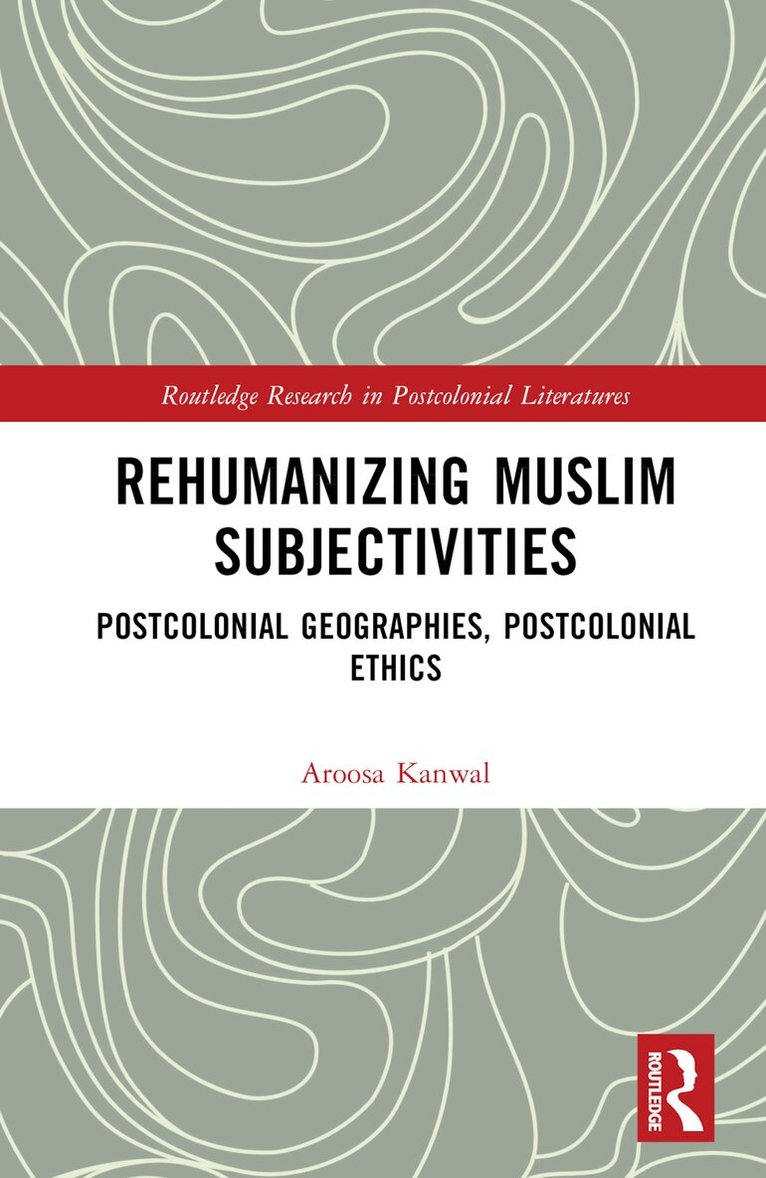
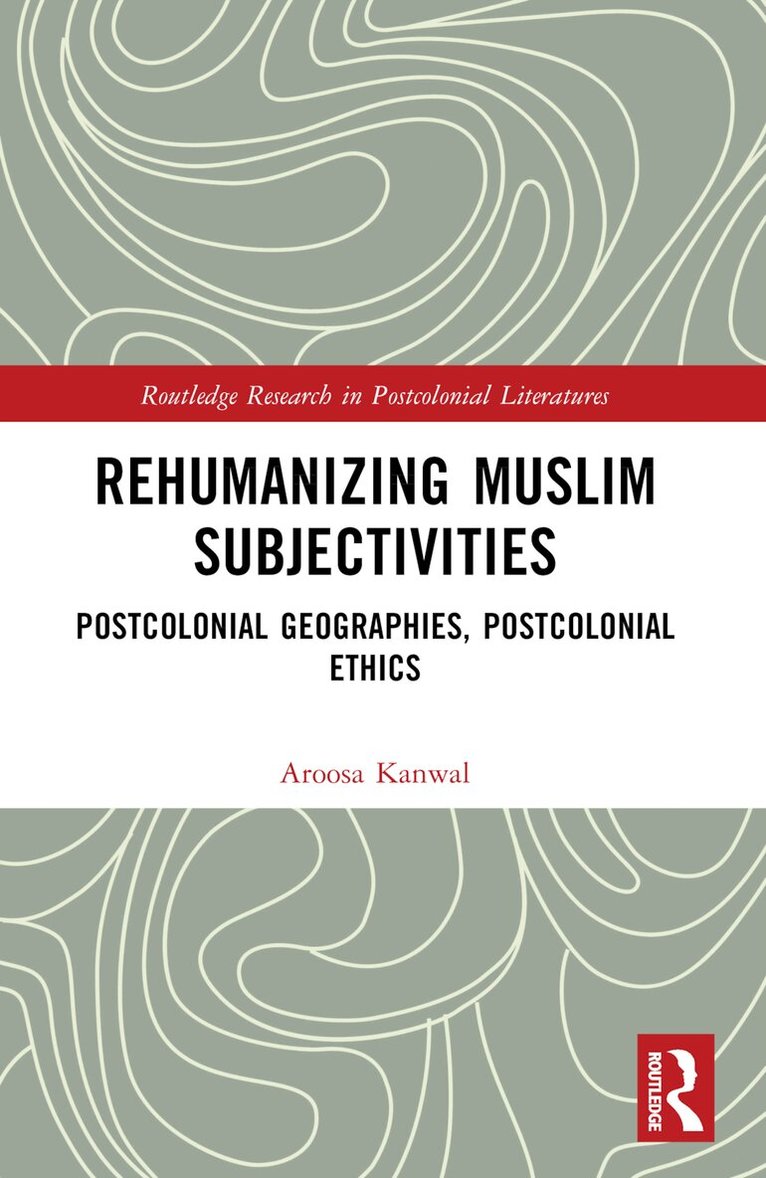
Rehumanizing Muslim Subjectivities
Postcolonial Geographies, Postcolonial Ethics
E-bok, 2024
956 kr
Lägg i varukorg
Rehumanizing Muslim Subjectivities: Postcolonial Geographies, Postcolonial Ethics is a timely and urgent monograph, allowing us to imagine what it feels like to be the victim of genocide, abuse, dehumanization, torture and violence, something which many Muslims in Palestine, Kashmir, Pakistan, …
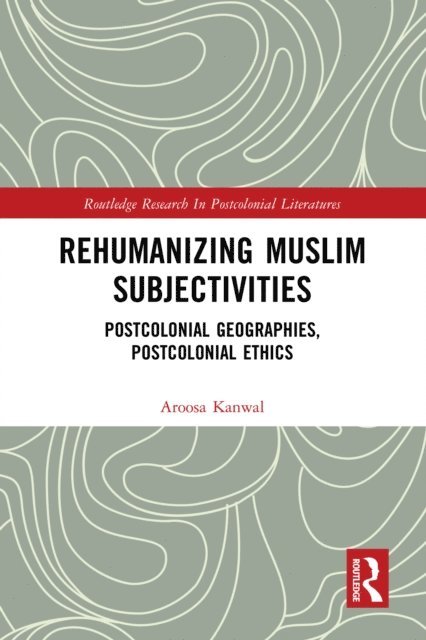
Rehumanizing Muslim Subjectivities
Postcolonial Geographies, Postcolonial Ethics
E-bok, 2024
956 kr
Lägg i varukorg
Rehumanizing Muslim Subjectivities: Postcolonial Geographies, Postcolonial Ethics is a timely and urgent monograph, allowing us to imagine what it feels like to be the victim of genocide, abuse, dehumanization, torture and violence, something which many Muslims in Palestine, Kashmir, Pakistan, …
Rehumanizing Muslim Subjectivities
Postcolonial Geographies, Postcolonial Ethics
Inbunden, 2024
2887 kr
Lägg i varukorg
Rehumanizing Muslim Subjectivities: Postcolonial Geographies, Postcolonial Ethics is a timely and urgent monograph, allowing us to imagine what it feels like to be the victim of genocide, abuse, dehumanization, torture and violence, something which many Muslims in Palestine, Kashmir, Pakistan, …
Contemporary Pakistani Speculative Fiction and the Global Imaginary
Democratizing Human Futures
Av Shazia Sadaf, Aroosa Kanwal
Inbunden, 2023
2887 kr
Lägg i varukorg
As the first book-length study of emergent Pakistani speculative fiction written in English, this critical work explores the ways in which contemporary Pakistani authors extend the genre in new directions by challenging the cognitive majoritarianism (usually Western) in this field. Responding to …
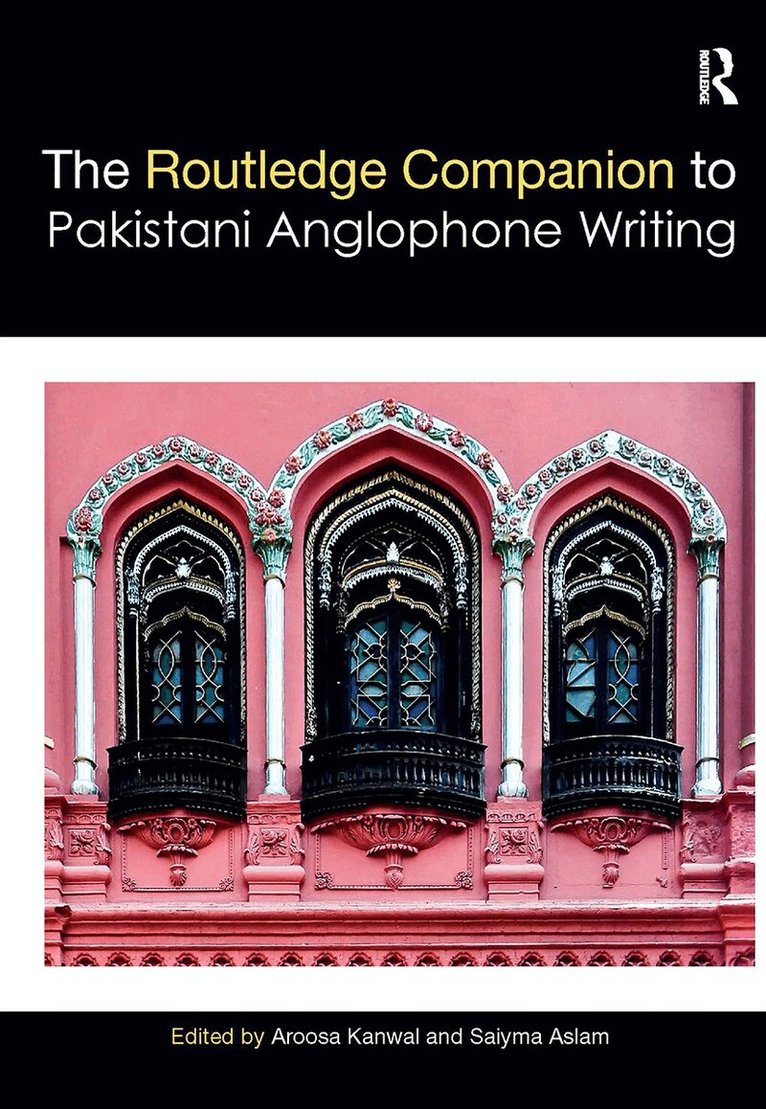
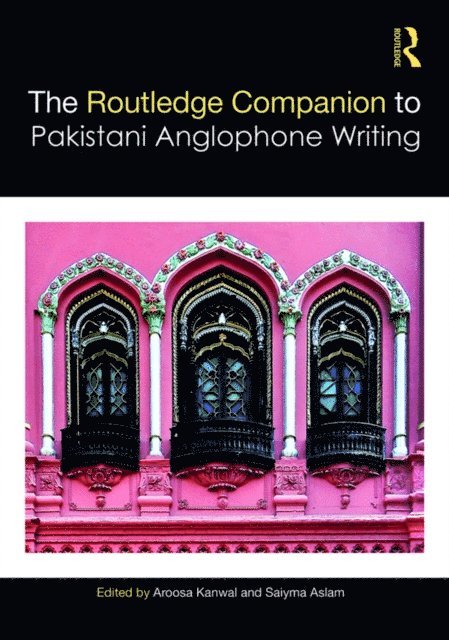
Routledge Companion to Pakistani Anglophone Writing
Av Aroosa Kanwal, Saiyma Aslam
Häftad, 2022
878 kr
Lägg i varukorg
The Routledge Companion to Pakistani Anglophone Writing forms a theoretical, comprehensive, and critically astute overview of the history and future of Pakistani literature in English. Dealing with key issues for global society today, from terrorism, religious extremism, fundamentalism, corruption, …
Contemporary Pakistani Speculative Fiction and the Global Imaginary
Democratizing Human Futures
Av Shazia Sadaf, Aroosa Kanwal
Häftad, 2024
744 kr
Lägg i varukorg
As the first book-length study of emergent Pakistani speculative fiction written in English, this critical work explores the ways in which contemporary Pakistani authors extend the genre in new directions by challenging the cognitive majoritarianism (usually Western) in this field. Responding to …
Rehumanizing Muslim Subjectivities
Postcolonial Geographies, Postcolonial Ethics
Häftad, 2025
811 kr
Lägg i varukorg
Rehumanizing Muslim Subjectivities: Postcolonial Geographies, Postcolonial Ethics is a timely and urgent monograph, allowing us to imagine what it feels like to be the victim of genocide, abuse, dehumanization, torture and violence, something which many Muslims in Palestine, Kashmir, Pakistan, …
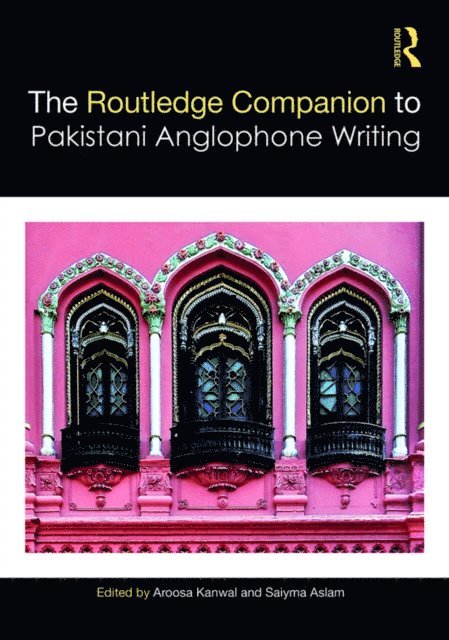
Routledge Companion to Pakistani Anglophone Writing
Av Aroosa Kanwal, Saiyma Aslam
Inbunden, 2018
4360 kr
Lägg i varukorg
The Routledge Companion to Pakistani Anglophone Writing forms a theoretical, comprehensive, and critically astute overview of the history and future of Pakistani literature in English. Dealing with key issues for global society today, from terrorism, religious extremism, fundamentalism, corruption, …
Routledge Companion to Pakistani Anglophone Writing
Av Saiyma Aslam, Aroosa Kanwal
E-bok, 2018
1036 kr
Lägg i varukorg
The Routledge Companion to Pakistani Anglophone Writing forms a theoretical, comprehensive, and critically astute overview of the history and future of Pakistani literature in English. Dealing with key issues for global society today, from terrorism, religious extremism, fundamentalism, corruption, …
Routledge Companion to Pakistani Anglophone Writing
Av Saiyma Aslam, Aroosa Kanwal
E-bok, 2018
1036 kr
Lägg i varukorg
The Routledge Companion to Pakistani Anglophone Writing forms a theoretical, comprehensive, and critically astute overview of the history and future of Pakistani literature in English. Dealing with key issues for global society today, from terrorism, religious extremism, fundamentalism, corruption, …