Arshad Imtiaz Ali - Böcker
Visar alla böcker från författaren Arshad Imtiaz Ali. Handla med fri frakt och snabb leverans.
4 produkter
4 produkter
2 224 kr
Skickas inom 10-15 vardagar
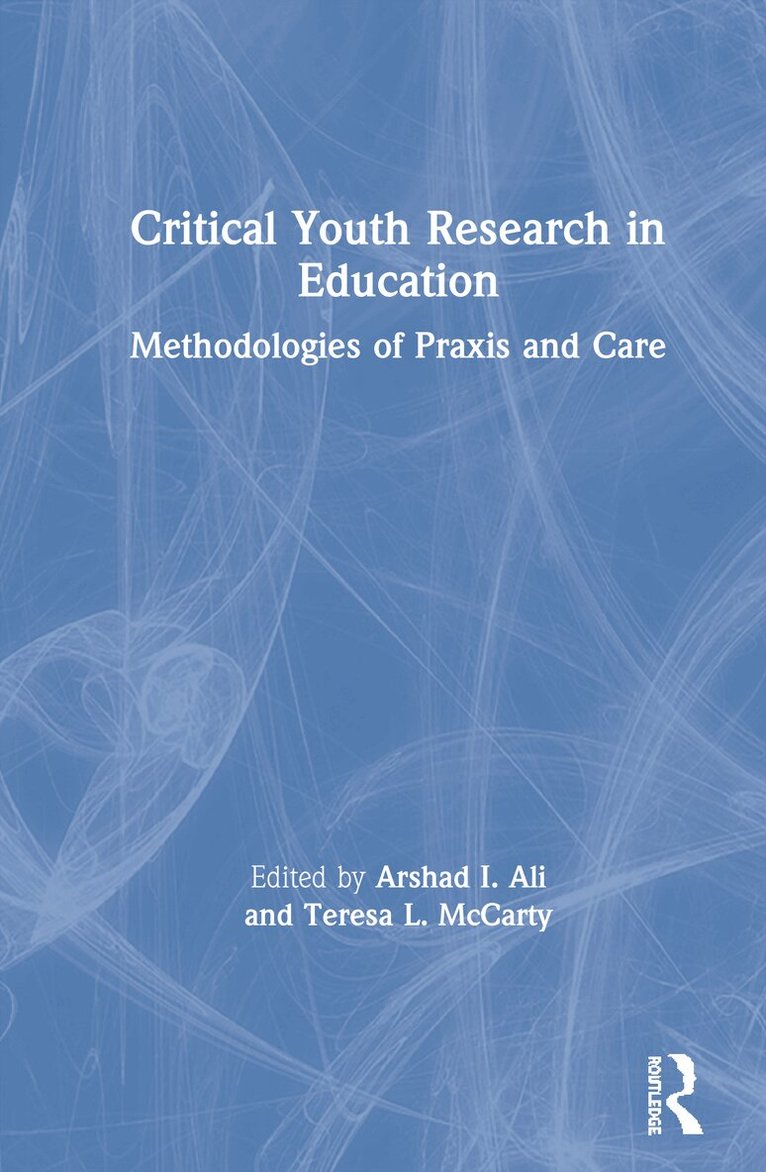
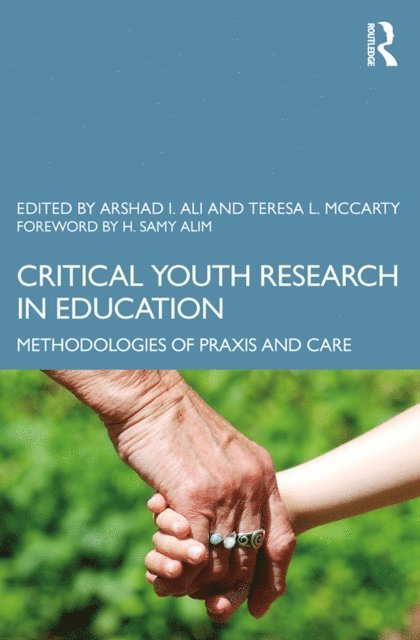
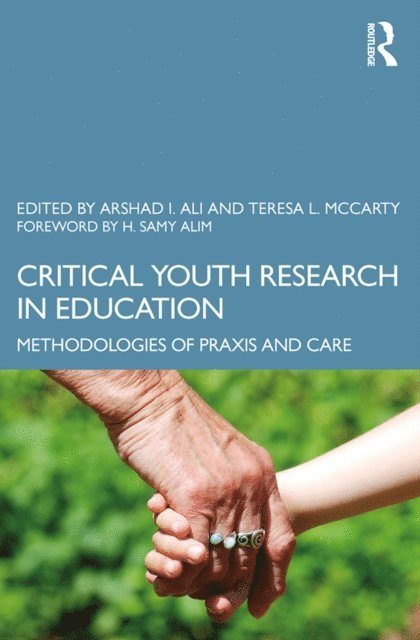
Critical studies of youth play an increasingly important role in educational research. This volume adds to that ongoing conversation by addressing the methodological lessons learned from key scholars in the field. With a focus on “the doing” of critical youth studies in ways that center praxis and relational care in work with youth and their communities, the volume showcases scholars discussing their research and reflecting on the practical strategies they have used to operationalize their conceptions of knowledge in youth-centered research projects. Each chapter addresses the research features, challenges, tensions, and debates of the project; engagement with communities; and relationality, reciprocity, and responsibility to participants. The focus throughout is on qualitative approaches that are humanizing, anti-colonial, and transformative.
665 kr
Skickas inom 10-15 vardagar
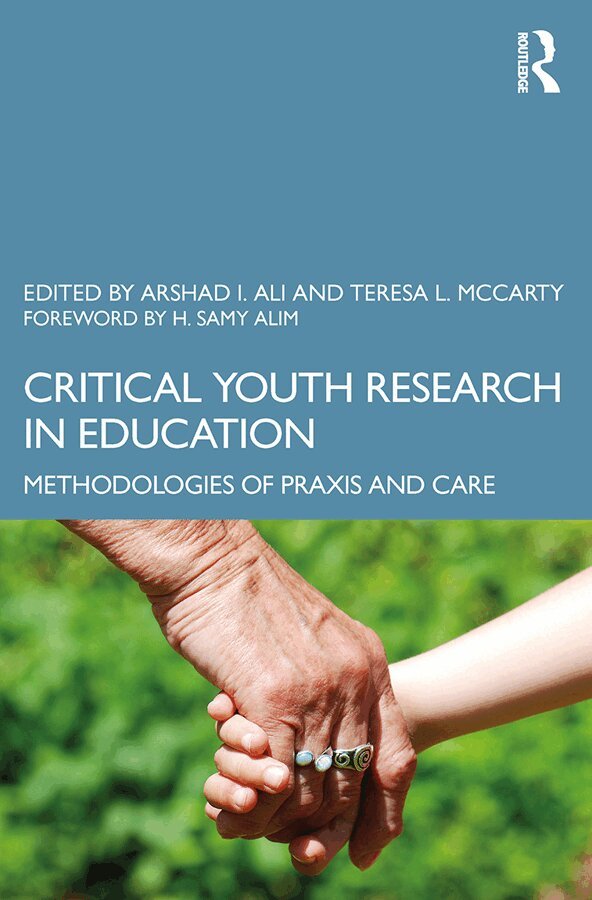
Critical studies of youth play an increasingly important role in educational research. This volume adds to that ongoing conversation by addressing the methodological lessons learned from key scholars in the field. With a focus on “the doing” of critical youth studies in ways that center praxis and relational care in work with youth and their communities, the volume showcases scholars discussing their research and reflecting on the practical strategies they have used to operationalize their conceptions of knowledge in youth-centered research projects. Each chapter addresses the research features, challenges, tensions, and debates of the project; engagement with communities; and relationality, reciprocity, and responsibility to participants. The focus throughout is on qualitative approaches that are humanizing, anti-colonial, and transformative.
1 161 kr
Skickas inom 10-15 vardagar
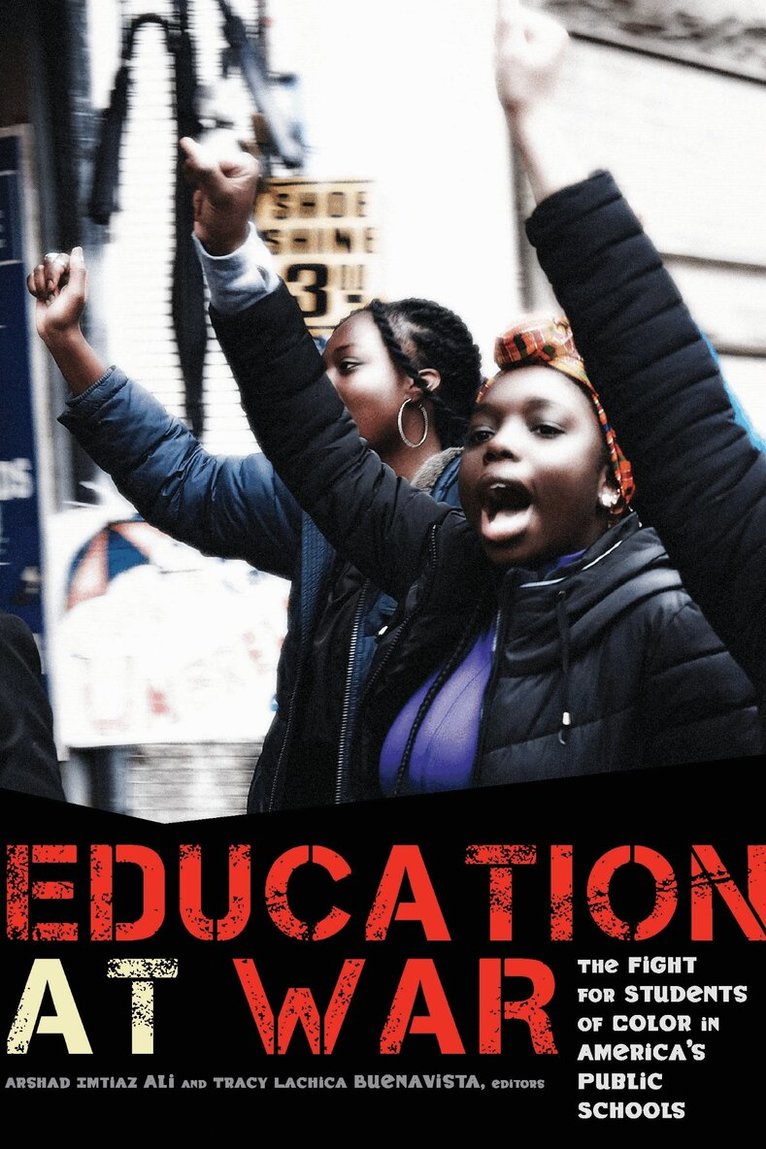
Education at War: The Fight for Students of Color in America's Public Schools, attempts to shape educational research and practice to more explicitly consider the relationship between education, capitalism and war, and more specifically, its' impact on students of color. The authors, as a whole, contend that the contemporary specter of war has become a central way that racism and materialism become manifested and practiced within education. In particular, this collection asserts that the contemporary neoliberal characterization of education and school-based reform is situated within the global political economy that has facilitated a growth in the prison and military industrial complex, and simultaneous divestment in education domestically within the U.S.Education at War attempts to make research relevant by bringing the tensions within young people's lives to the fore. The heavy shadow cast by recent U.S. led wars re-organizes the sites of learning and teaching nationally, as well as differentially, within specific sites and upon particular communities. Nonetheless, the examination of this context is not enough. Rather, we consider how such a contemporary context can facilitate educational spaces for communities and youth to grow their vision for a different, and hopefully a more humanizing future. Thus, the book contributors will collectively explore how resistance can produce the opportunity for rich, diverse and transformative learning for marginalized students and communities.The lives of People of Color are the forefront of Education at War: The Fight for Students of Color in America's Public Schools. Whereas there are many attempts to theorize about the global implications of war, less attention is paid to the ways that war shapes young lives in the U.S., particularly in an educational context. The book addresses the absence of youth-centered discussions regarding education during a political context of neoliberalism and war, and provides important perspectives on which to ground critical discussions among students and families, education scholars and practitioners, and policymakers.
332 kr
Skickas inom 7-10 vardagar
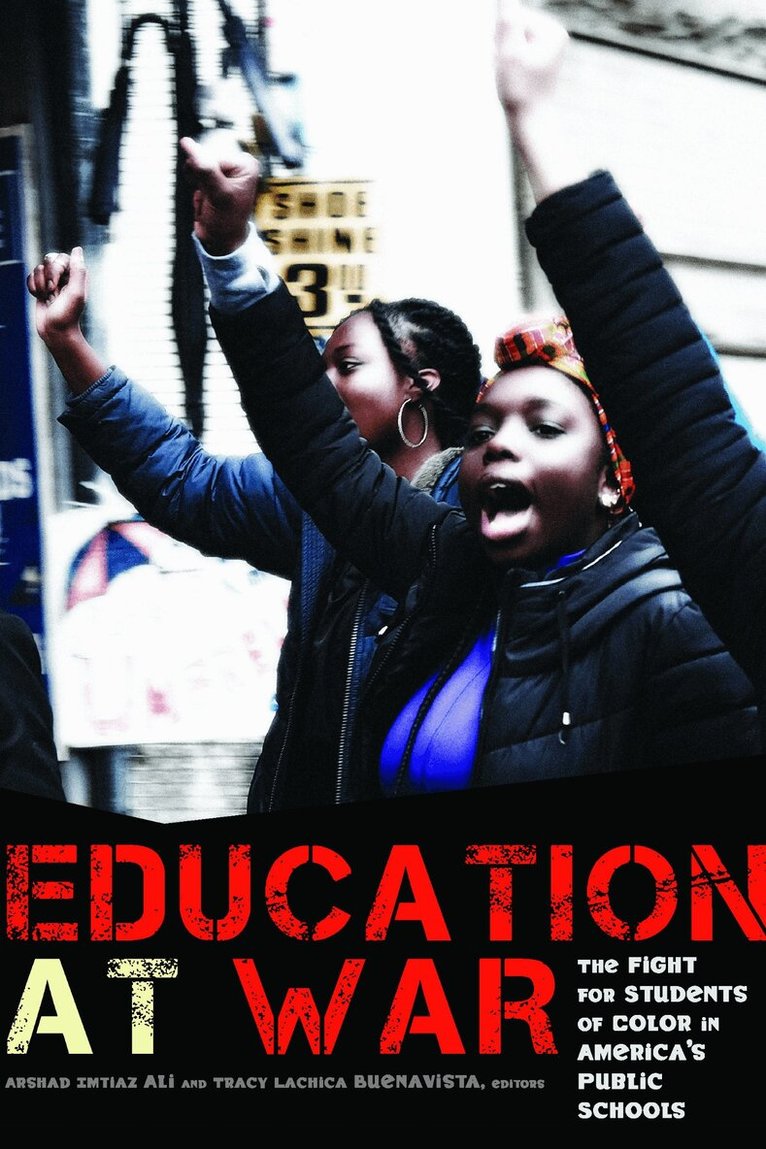
Education at War: The Fight for Students of Color in America's Public Schools, attempts to shape educational research and practice to more explicitly consider the relationship between education, capitalism and war, and more specifically, its' impact on students of color. The authors, as a whole, contend that the contemporary specter of war has become a central way that racism and materialism become manifested and practiced within education. In particular, this collection asserts that the contemporary neoliberal characterization of education and school-based reform is situated within the global political economy that has facilitated a growth in the prison and military industrial complex, and simultaneous divestment in education domestically within the U.S.Education at War attempts to make research relevant by bringing the tensions within young people's lives to the fore. The heavy shadow cast by recent U.S. led wars re-organizes the sites of learning and teaching nationally, as well as differentially, within specific sites and upon particular communities. Nonetheless, the examination of this context is not enough. Rather, we consider how such a contemporary context can facilitate educational spaces for communities and youth to grow their vision for a different, and hopefully a more humanizing future. Thus, the book contributors will collectively explore how resistance can produce the opportunity for rich, diverse and transformative learning for marginalized students and communities.The lives of People of Color are the forefront of Education at War: The Fight for Students of Color in America's Public Schools. Whereas there are many attempts to theorize about the global implications of war, less attention is paid to the ways that war shapes young lives in the U.S., particularly in an educational context. The book addresses the absence of youth-centered discussions regarding education during a political context of neoliberalism and war, and provides important perspectives on which to ground critical discussions among students and families, education scholars and practitioners, and policymakers.