Art Hansen – författare
Visar alla böcker från författaren Art Hansen. Handla med fri frakt och snabb leverans.
6 produkter
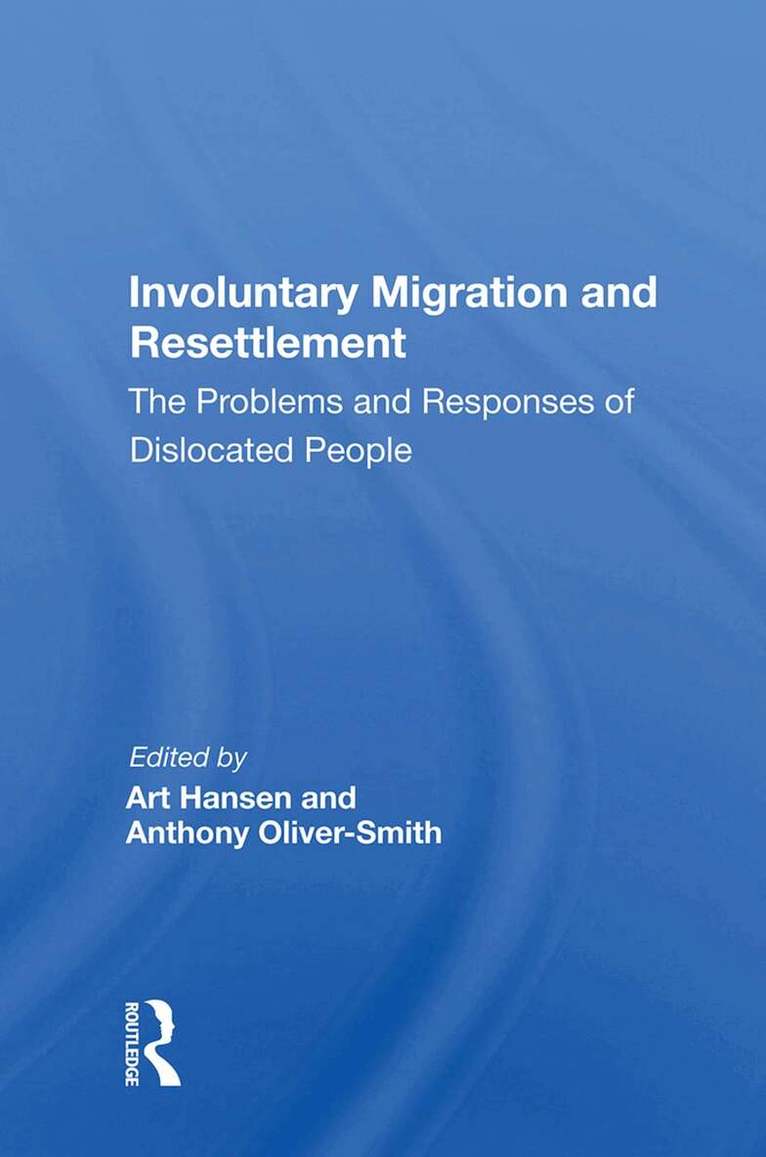
Involuntary Migration And Resettlement
The Problems And Responses Of Dislocated People
Av Art Hansen
Inbunden, 2019
2521 kr
Lägg i varukorg
Involuntary migration occurs when there has been, or will be, a catastrophic change in people's environment and they have little or no choice but to relocate. Causes range from natural disasters to sociopolitical upheaval (war, revolution, pogrom) and even to planned changes (dams, atomic …
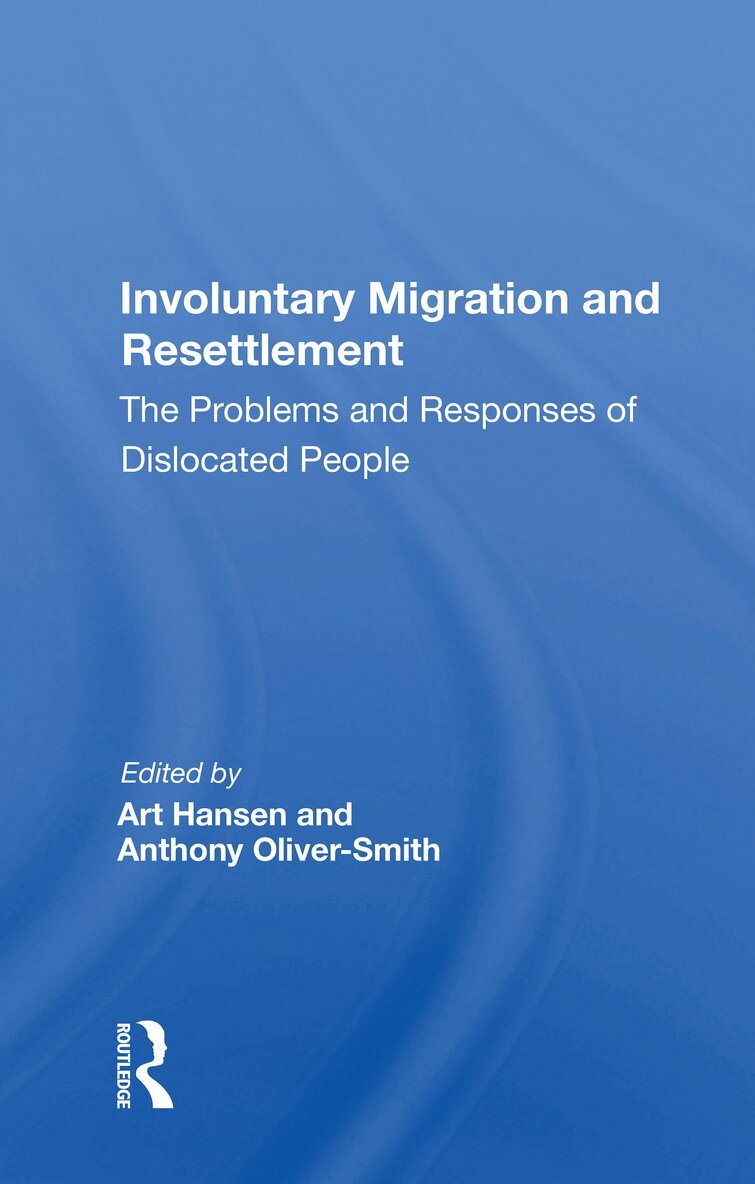
Involuntary Migration And Resettlement
The Problems And Responses Of Dislocated People
Av Art Hansen
Häftad, 2020
694 kr
Lägg i varukorg
This book addresses the issues and the wide variety of contexts in which migration and resettlement schemes have occurred. It examines responses of dislocated people facing dislocation and resettlement and specifically presents question: What are the common stresses of dislocation and resettlement?
Involuntary Migration And Resettlement
The Problems And Responses Of Dislocated People
Av Art Hansen
E-bok, 2019
814 kr
Lägg i varukorg
Involuntary migration occurs when there has been, or will be, a catastrophic change in people''s environment and they have little or no choice but to relocate. Causes range from natural disasters to sociopolitical upheaval (war, revolution, pogrom) and even to planned changes (dams, atomic …
Involuntary Migration And Resettlement
The Problems And Responses Of Dislocated People
Av Art Hansen
E-bok, 2019
814 kr
Lägg i varukorg
Involuntary migration occurs when there has been, or will be, a catastrophic change in people''s environment and they have little or no choice but to relocate. Causes range from natural disasters to sociopolitical upheaval (war, revolution, pogrom) and even to planned changes (dams, atomic …
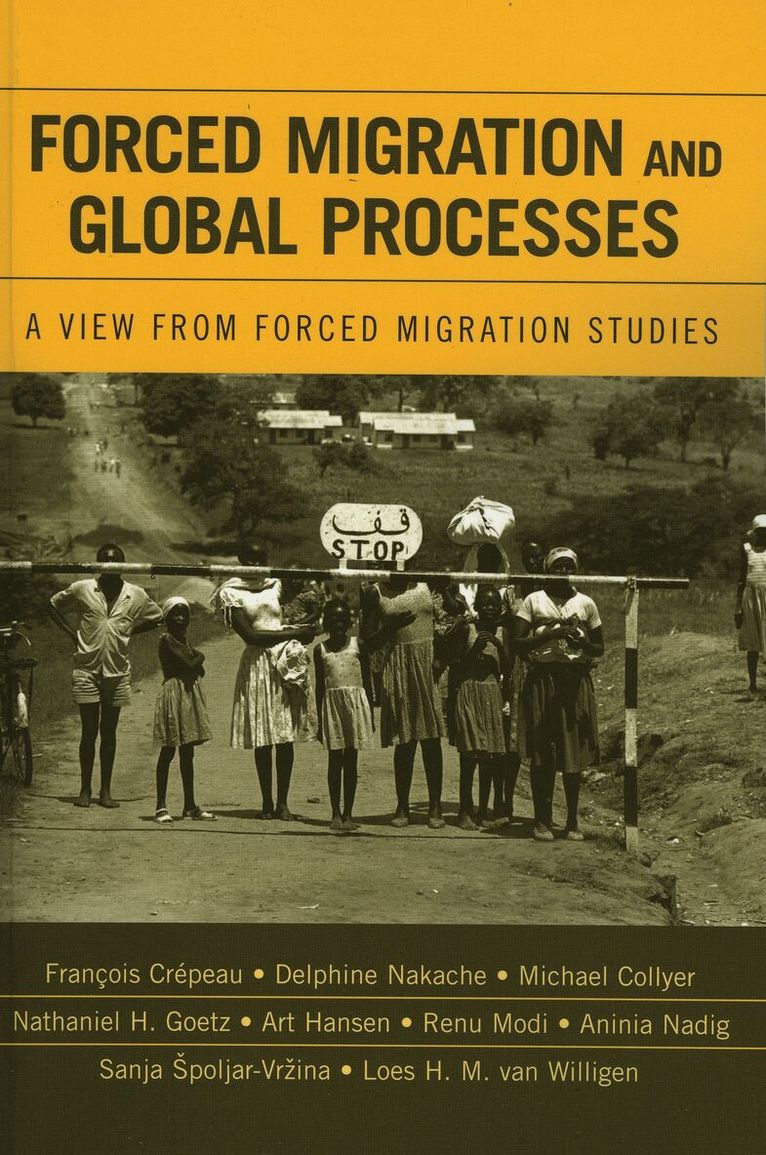
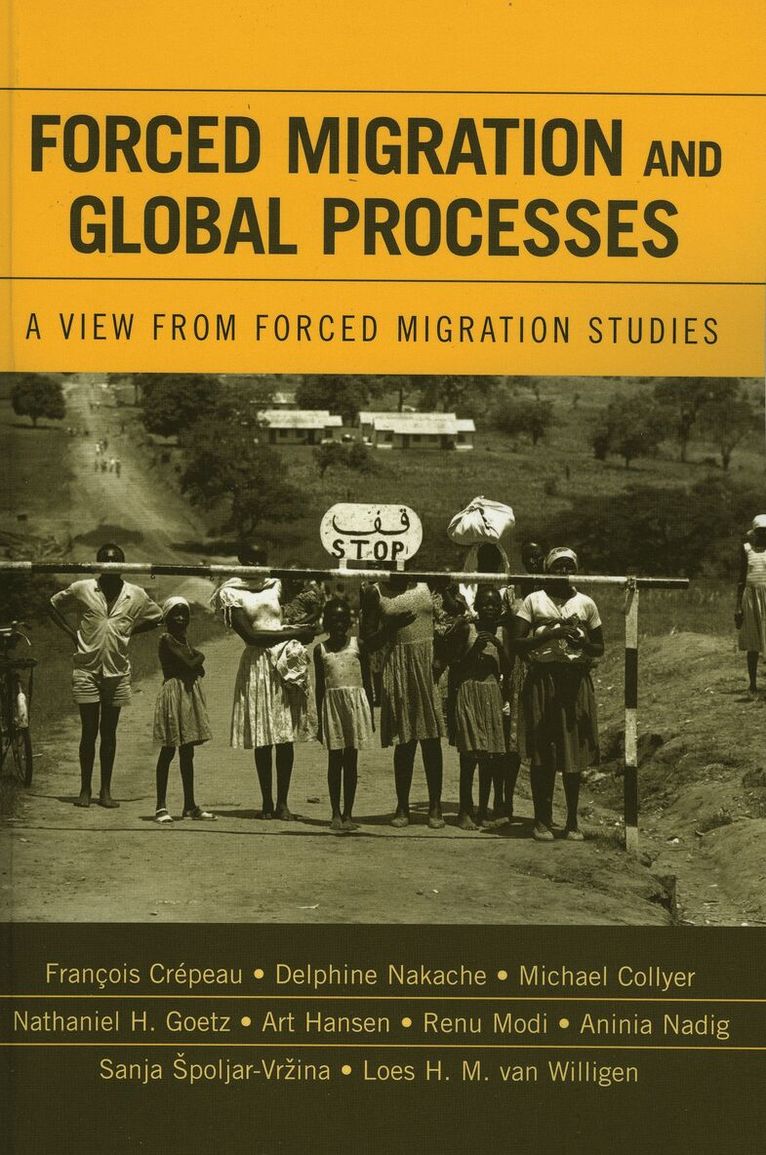
Forced Migration and Global Processes
A View from Forced Migration Studies
Av Francois Crepeau, Delphine Nakache m. fl.
Inbunden, 2006
1701 kr
Lägg i varukorg
Migration is at the center of much of the discussion on globalization. Migrants move across borders and thus defy state-centered traditions. Migration is often caused or influenced by aspects of global change: the transformation of the world economy with the expansion of free trade, the …
Forced Migration and Global Processes
A View from Forced Migration Studies
Av Francois Crepeau, Delphine Nakache m. fl.
Häftad, 2006
783 kr
Lägg i varukorg
Migration is at the center of much of the discussion on globalization. Migrants move across borders and thus defy state-centered traditions. Migration is often caused or influenced by aspects of global change: the transformation of the world economy with the expansion of free trade, the …