Arthur J. Ray – författare
Visar alla böcker från författaren Arthur J. Ray. Handla med fri frakt och snabb leverans.
11 produkter
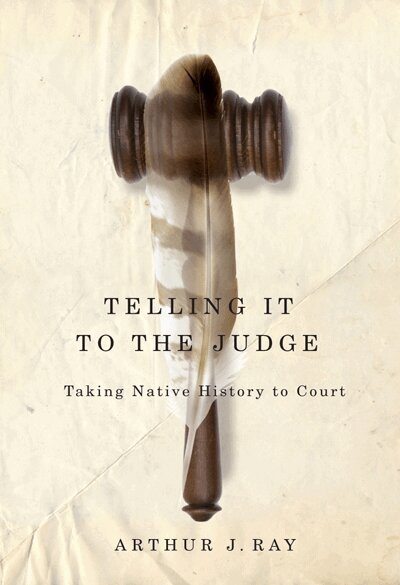
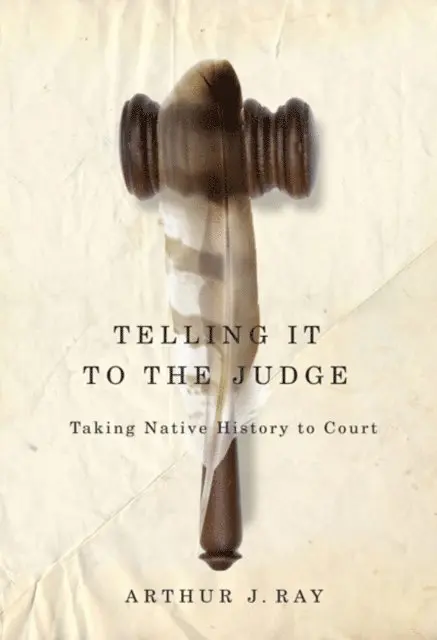
Telling It to the Judge
Taking Native History to Court
Häftad, 2012
355 kr
Lägg i varukorg
Arthur Ray's extensive knowledge in the history of the fur trade and Native economic history brought him into the courts as an expert witness in the mid-1980s. For over twenty-five years he has been a part of landmark litigation concerning treaty rights, Aboriginal title, and Métis rights. In …
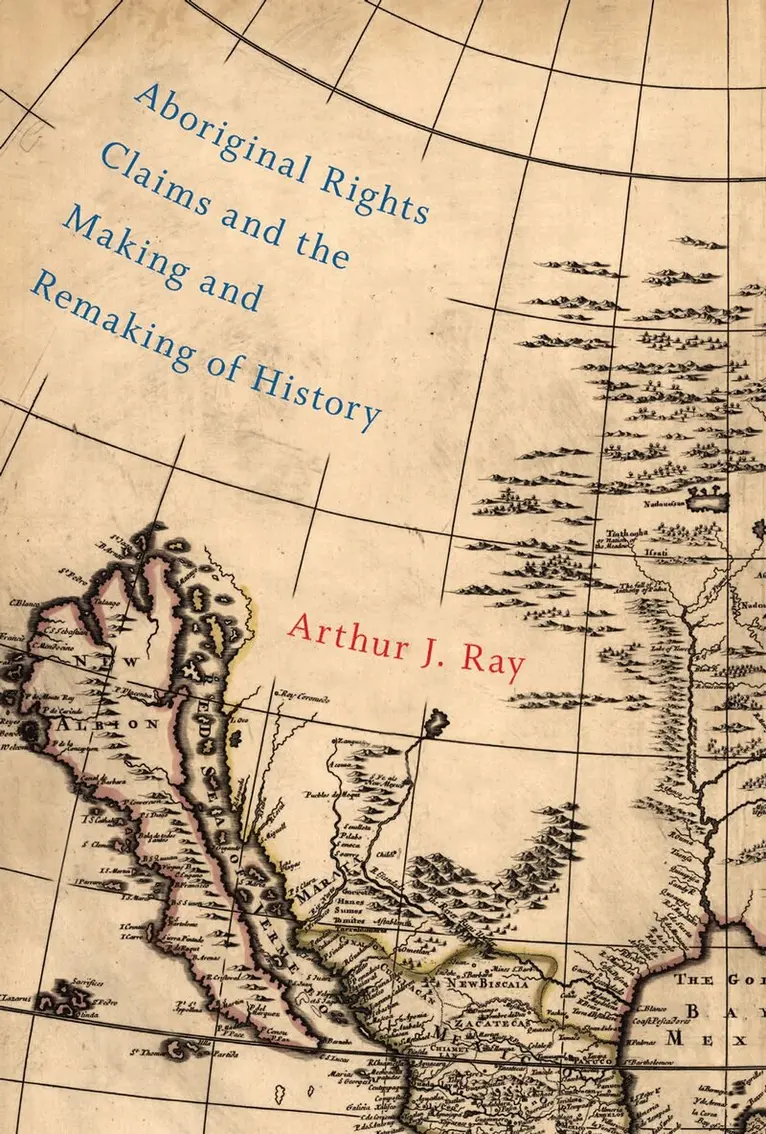
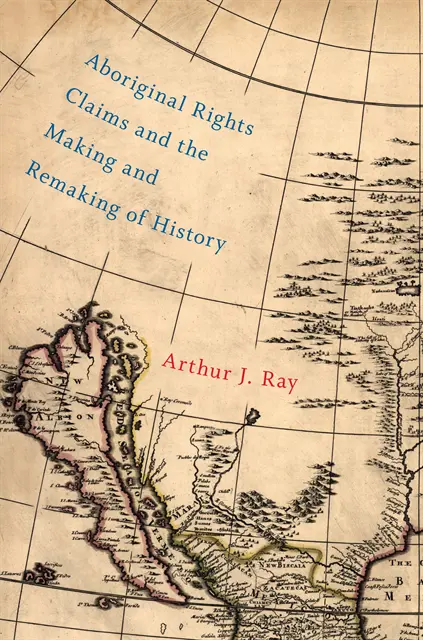
Aboriginal Rights Claims and the Making and Remaking of History
Häftad, 2016
397 kr
Lägg i varukorg
Forums such as commissions, courtroom trials, and tribunals that have been established through the second half of the twentieth century to address aboriginal land claims have consequently created a particular way of presenting aboriginal, colonial, and national histories. The history that emerges …
Bounty and Benevolence
A Documentary History of Saskatchewan Treaties
Av Frank Tough, Jim Miller m. fl.
E-bok, 2000
1072 kr
Lägg i varukorg
Arthur Ray, Jim Miller, and Frank Tough draw on a wide range of documentary sources to provide a rich and complex interpretation of the process that led to these historic agreements. The authors explain how Saskatchewan treaties were shaped by long-standing First Nations'' Hudson''s Bay Company …
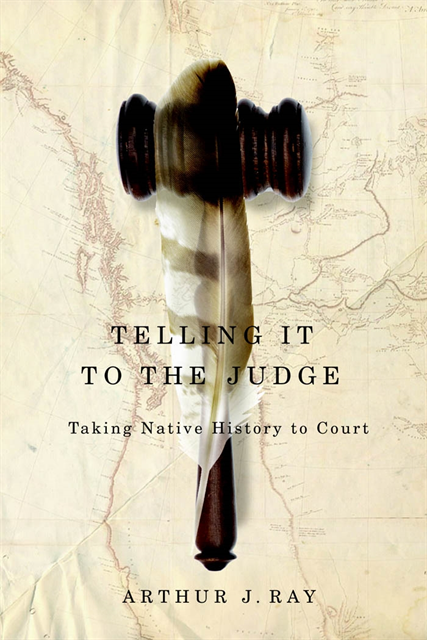
Telling It to the Judge
Taking Native History to Court
E-bok, 2011
397 kr
Lägg i varukorg
Arthur Ray''s extensive knowledge in the history of the fur trade and Native economic history brought him into the courts as an expert witness in the mid-1980s. For over twenty-five years he has been a part of landmark litigation concerning treaty rights, Aboriginal title, and Métis rights. In …
Telling It to the Judge
Taking Native History to Court
E-bok, 2011
384 kr
Lägg i varukorg
Arthur Ray''s extensive knowledge in the history of the fur trade and Native economic history brought him into the courts as an expert witness in the mid-1980s. For over twenty-five years he has been a part of landmark litigation concerning treaty rights, Aboriginal title, and Métis rights. In …
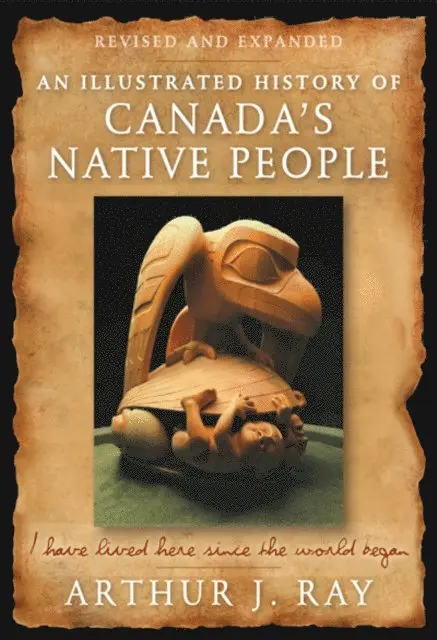
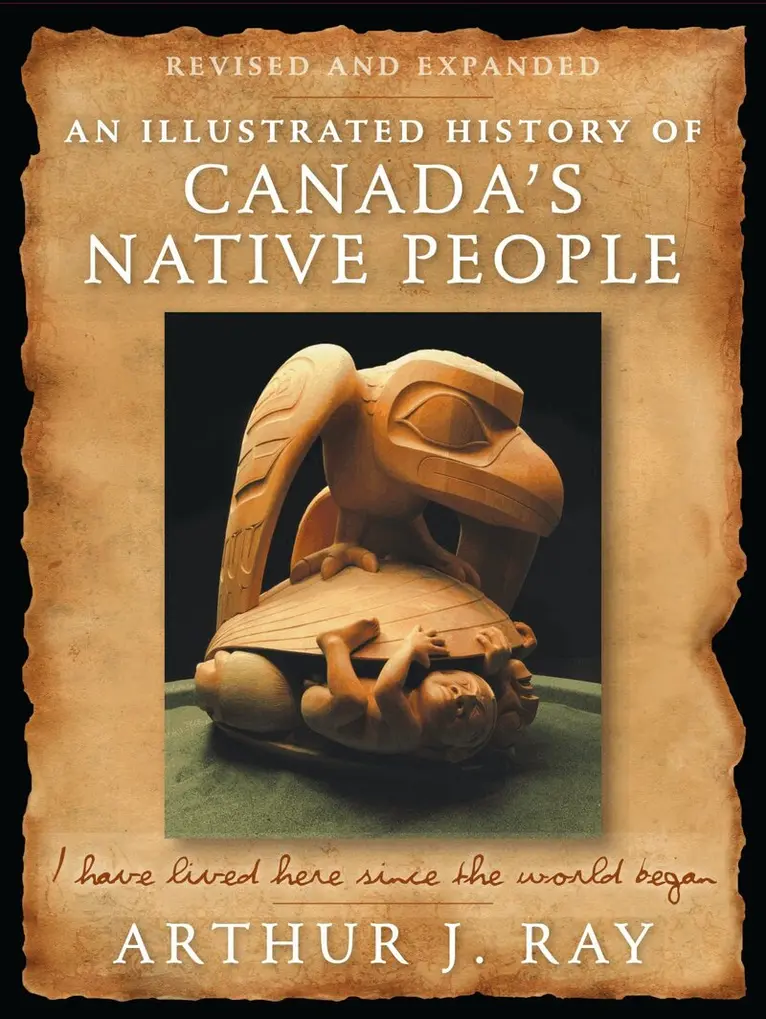
Illustrated History of Canada's Native People
I Have Lived Here Since the World Began
E-bok, 2011
441 kr
Lägg i varukorg
Canada''s Native people have inhabited this land since the Ice Age and were already accomplished traders, artisans, farmers and marine hunters when Europeans first reached their shores. Contact between Natives and European explorers and settlers initially presented an unprecedented period of growth …
Aboriginal Rights Claims and the Making and Remaking of History
E-bok, 2016
279 kr
Lägg i varukorg
Forums such as commissions, courtroom trials, and tribunals that have been established through the second half of the twentieth century to address aboriginal land claims have consequently created a particular way of presenting aboriginal, colonial, and national histories. The history that emerges …
Aboriginal Rights Claims and the Making and Remaking of History
E-bok, 2016
279 kr
Lägg i varukorg
Forums such as commissions, courtroom trials, and tribunals that have been established through the second half of the twentieth century to address aboriginal land claims have consequently created a particular way of presenting aboriginal, colonial, and national histories. The history that emerges …
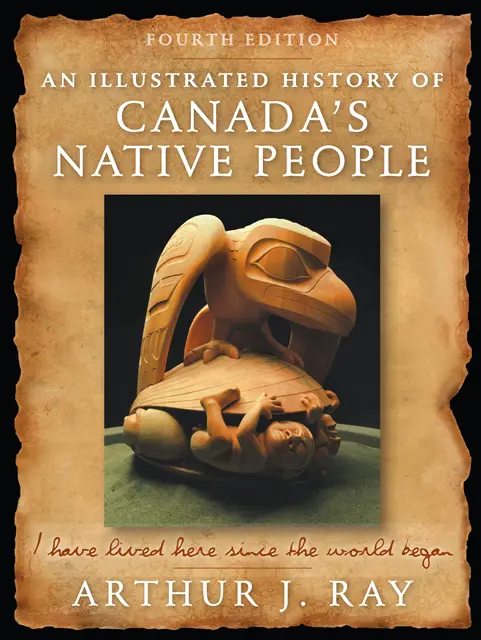
Illustrated History of Canada's Native People, Fourth Edition
I Have Lived Here Since the World Began
E-bok, 2016
441 kr
Lägg i varukorg
Canada’s Native people have inhabited this land since the Ice Age and were already accomplished traders, artisans, farmers, and marine hunters when Europeans first reached their shores. Contact between Natives and European explorers and settlers initially presented an unprecedented period of growth …
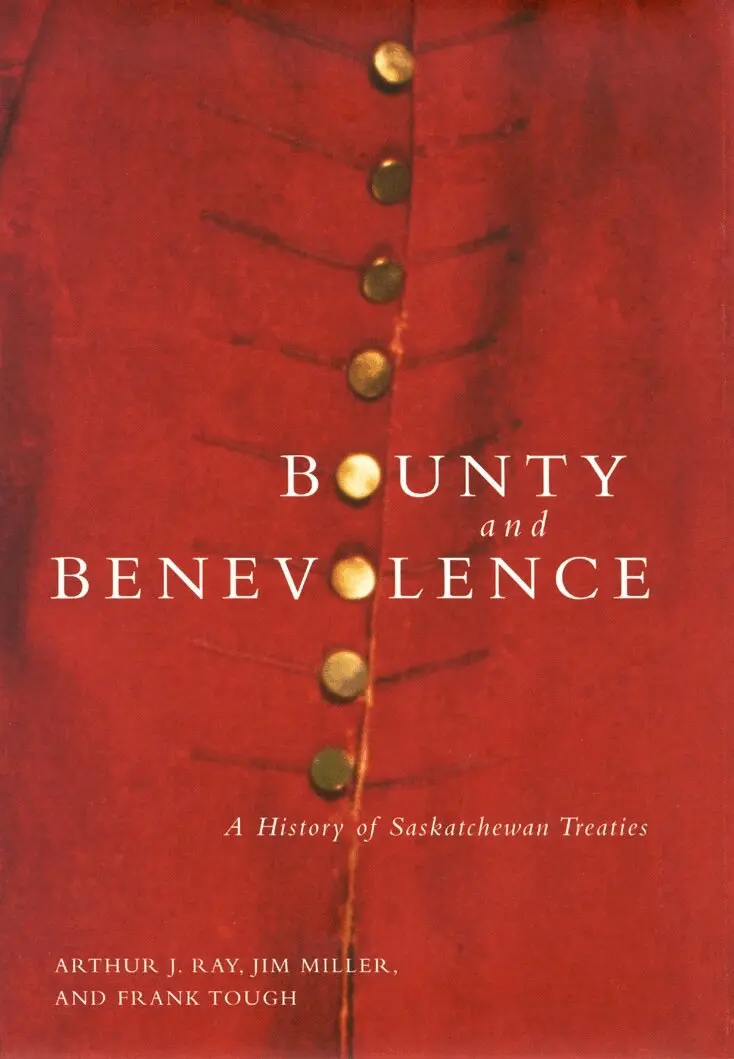
Bounty and Benevolence
A Documentary History of Saskatchewan Treaties
Av Arthur J. Ray, Jim Miller m. fl.
Häftad, 2002
413 kr
Tillfälligt slut
Arthur Ray, Jim Miller, and Frank Tough draw on a wide range of documentary sources to provide a rich and complex interpretation of the process that led to these historic agreements. The authors explain how Saskatchewan treaties were shaped by long-standing First Nations' Hudson's Bay Company …
Illustrated History of Canada's Native People
I Have Lived Here Since the World Began, Fourth Edition
Häftad, 2016
513 kr
Tillfälligt slut
Canada's Native people have inhabited this land since the Ice Age and were already accomplished traders, artisans, farmers, and marine hunters when Europeans first reached their shores. Contact between Natives and European explorers and settlers initially presented an unprecedented period of growth …