Arturs Logins – författare
Visar alla böcker från författaren Arturs Logins. Handla med fri frakt och snabb leverans.
7 produkter
7 produkter
Inbunden, Engelska, 2024
1 443 kr
Skickas inom 5-8 vardagar
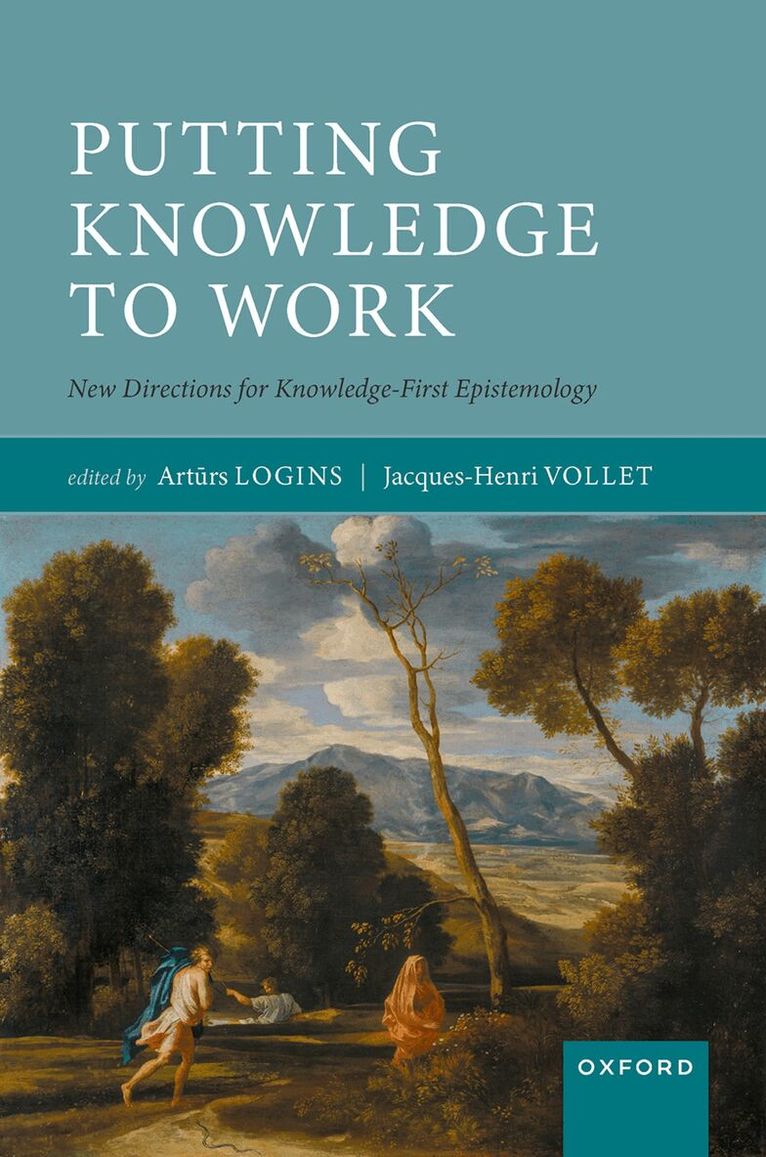
In the 21st century knowledge-centered approaches have become increasingly popular in analytic epistemology. Rather than trying to account for knowledge in other terms, these approaches take knowledge as the starting-point for the elucidation of other epistemic notions (such as belief, justification, rationality, etc.). Knowledge-centered approaches have been so influential that it now looks like epistemology is undergoing a factive turn. However, relatively little has been done to explore how knowledge-centered views fare in new fields inside and beyond epistemology. This volume aims at remedying this situation by putting together contributions that investigate the significance of knowledge in debates where its roles have been less explored. The goal is to see how far knowledge-centered views can go by exploring new prospects and identifying new trends of research for the knowledge-first program. Extending knowledge-centered approaches in this way not only promises to deliver novel insights in these neglected fields, but also to revisit more traditional debates from a fresh perspective. As a whole, the volume develops and evaluates the knowledge-first program in original and fertile ways.
E-bok
Engelska, 2022397 kr
Läs direkt efter köp
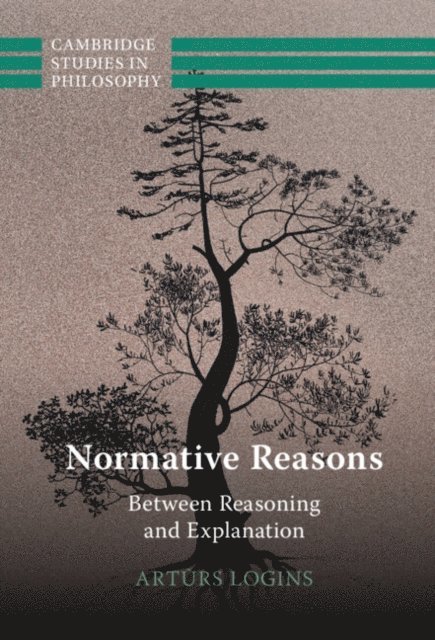
Reasons matter greatly to us in both ordinary and theoretical contexts, being connected to two fundamental normative concerns: figuring out what we should do and what attitudes to have, and understanding the duties and responsibilities that apply to us. This book introduces and critiques most of the contemporary theories of normative reasons considerations that speak in favor of an action, belief, or emotion - to explore how they work. Artūrs Logins develops and defends a new theory: the Erotetic view of reasons, according to which normative reasons are appropriate answers to normative why questions (Why should I do this?). This theory draws on evidence of how why-questions work in informal logic, language and philosophy of science. The resulting view is able to avoid the problems of previous accounts, while retaining all of their attractive features, and it also suggests exciting directions for future research. This title is also available as Open Access on Cambridge Core.
E-bok
PDF, Engelska, 2022401 kr
Läs direkt efter köp
Reasons matter greatly to us in both ordinary and theoretical contexts, being connected to two fundamental normative concerns: figuring out what we should do and what attitudes to have, and understanding the duties and responsibilities that apply to us. This book introduces and critiques most of the contemporary theories of normative reasons considerations that speak in favor of an action, belief, or emotion - to explore how they work. Artūrs Logins develops and defends a new theory: the Erotetic view of reasons, according to which normative reasons are appropriate answers to normative why questions (Why should I do this?). This theory draws on evidence of how why-questions work in informal logic, language and philosophy of science. The resulting view is able to avoid the problems of previous accounts, while retaining all of their attractive features, and it also suggests exciting directions for future research. This title is also available as Open Access on Cambridge Core.
Inbunden, Engelska, 2026
1 041 kr
Skickas inom 10-15 vardagar
Presenting the main concepts and key assumptions of knowledge-first theses, Arturs Logins’ authoritative and engaging introduction critically evaluates some of the most debated issues in recent epistemology. Initiated by Timothy Williamson’s Knowledge and Its Limits, the approach ends attempts to analyse knowledge in terms of justified belief and instead adopts epistemological theorizing from knowledge as a fundamental starting point.Logins assesses arguments for and against the knowledge-first approach, drawing on exciting developments and harsh criticisms put forward during the first quarter of the 21st century. Chapters engage with core topics concerning anti-luminosity, skepticism, self-knowledge, evidence, belief, norms of assertion and action, and recent innovations including hybrid knowledge-first approaches. Following a clear and logical thematic structure and aided by references, study questions and suggestions for further reading at the end of each chapter, this is an essential resource for any student of contemporary epistemology looking to advance their understanding of the knowledge-first program.
Häftad, Engelska, 2026
341 kr
Skickas
Presenting the main concepts and key assumptions of knowledge-first theses, Arturs Logins’ authoritative and engaging introduction critically evaluates some of the most debated issues in recent epistemology. Initiated by Timothy Williamson’s Knowledge and Its Limits, the approach ends attempts to analyse knowledge in terms of justified belief and instead adopts epistemological theorizing from knowledge as a fundamental starting point.Logins assesses arguments for and against the knowledge-first approach, drawing on exciting developments and harsh criticisms put forward during the first quarter of the 21st century. Chapters engage with core topics concerning anti-luminosity, skepticism, self-knowledge, evidence, belief, norms of assertion and action, and recent innovations including hybrid knowledge-first approaches. Following a clear and logical thematic structure and aided by references, study questions and suggestions for further reading at the end of each chapter, this is an essential resource for any student of contemporary epistemology looking to advance their understanding of the knowledge-first program.
E-bok
PDF, Engelska, 2026365 kr
Läs direkt efter köp
Presenting the main concepts and key assumptions of knowledge-first theses, Arturs Logins' authoritative and engaging introduction critically evaluates some of the most debated issues in recent epistemology. Initiated by Timothy Williamson's Knowledge and Its Limits, the approach ends attempts to analyse knowledge in terms of justified belief and instead adopts epistemological theorizing from knowledge as a fundamental starting point.Logins assesses arguments for and against the knowledge-first approach, drawing on exciting developments and harsh criticisms put forward during the first quarter of the 21st century. Chapters engage with core topics concerning anti-luminosity, skepticism, self-knowledge, evidence, belief, norms of assertion and action, and recent innovations including hybrid knowledge-first approaches. Following a clear and logical thematic structure and aided by references, study questions and suggestions for further reading at the end of each chapter, this is an essential resource for any student of contemporary epistemology looking to advance their understanding of the knowledge-first program.
E-bok
Engelska, 2026365 kr
Läs direkt efter köp
Presenting the main concepts and key assumptions of knowledge-first theses, Arturs Logins' authoritative and engaging introduction critically evaluates some of the most debated issues in recent epistemology. Initiated by Timothy Williamson's Knowledge and Its Limits, the approach ends attempts to analyse knowledge in terms of justified belief and instead adopts epistemological theorizing from knowledge as a fundamental starting point.Logins assesses arguments for and against the knowledge-first approach, drawing on exciting developments and harsh criticisms put forward during the first quarter of the 21st century. Chapters engage with core topics concerning anti-luminosity, skepticism, self-knowledge, evidence, belief, norms of assertion and action, and recent innovations including hybrid knowledge-first approaches. Following a clear and logical thematic structure and aided by references, study questions and suggestions for further reading at the end of each chapter, this is an essential resource for any student of contemporary epistemology looking to advance their understanding of the knowledge-first program.