Asafa Jalata – författare
Visar alla böcker från författaren Asafa Jalata. Handla med fri frakt och snabb leverans.
15 produkter
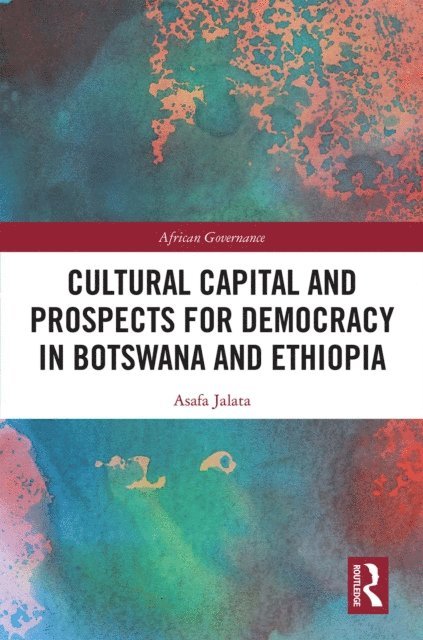
Cultural Capital and Prospects for Democracy in Botswana and Ethiopia
Av Asafa Jalata
Inbunden, 2019
2519 kr
Lägg i varukorg
This book focuses on and examines the impact of cultural capital, political economy, social movements, and political consciousness on the potential development of substantive democracy in Botswana and Ethiopia. While explaining the challenges, obstacles, and opportunities for the development of …
Cultural Capital and Prospects for Democracy in Botswana and Ethiopia
Av Asafa Jalata
Häftad, 2021
689 kr
Lägg i varukorg
This book focuses on and examines the impact of cultural capital, political economy, social movements, and political consciousness on the potential development of substantive democracy in Botswana and Ethiopia. While explaining the challenges, obstacles, and opportunities for the development of …
State Crises, Globalisation and National Movements in North-East Africa
The Horn's Dilemma
Av Asafa Jalata
Inbunden, 2004
2504 kr
Lägg i varukorg
By identifying the critical central contradictions that are built into the politics of the Horn of Africa, this book demonstrates that the crises of the Horn states stem from their political behaviour and structural forces, such as internal social forces, and global forces that have become involved …
Cultural Capital and Prospects for Democracy in Botswana and Ethiopia
Av Asafa Jalata
E-bok, 2019
814 kr
Lägg i varukorg
This book focuses on and examines the impact of cultural capital, political economy, social movements, and political consciousness on the potential development of substantive democracy in Botswana and Ethiopia. While explaining the challenges, obstacles, and opportunities for the development of …
Cultural Capital and Prospects for Democracy in Botswana and Ethiopia
Av Asafa Jalata
E-bok, 2019
796 kr
Lägg i varukorg
This book focuses on and examines the impact of cultural capital, political economy, social movements, and political consciousness on the potential development of substantive democracy in Botswana and Ethiopia. While explaining the challenges, obstacles, and opportunities for the development of …
State Crises, Globalisation and National Movements in North-East Africa
The Horn's Dilemma
Av Asafa Jalata
E-bok, 2004
813 kr
Lägg i varukorg
By identifying the critical central contradictions that are built into the politics of the Horn of Africa, this book demonstrates that the crises of the Horn states stem from their political behaviour and structural forces, such as internal social forces, and global forces that have become involved …
State Crises, Globalisation and National Movements in North-East Africa
The Horn's Dilemma
Av Asafa Jalata
E-bok, 2004
813 kr
Lägg i varukorg
By identifying the critical central contradictions that are built into the politics of the Horn of Africa, this book demonstrates that the crises of the Horn states stem from their political behaviour and structural forces, such as internal social forces, and global forces that have become involved …
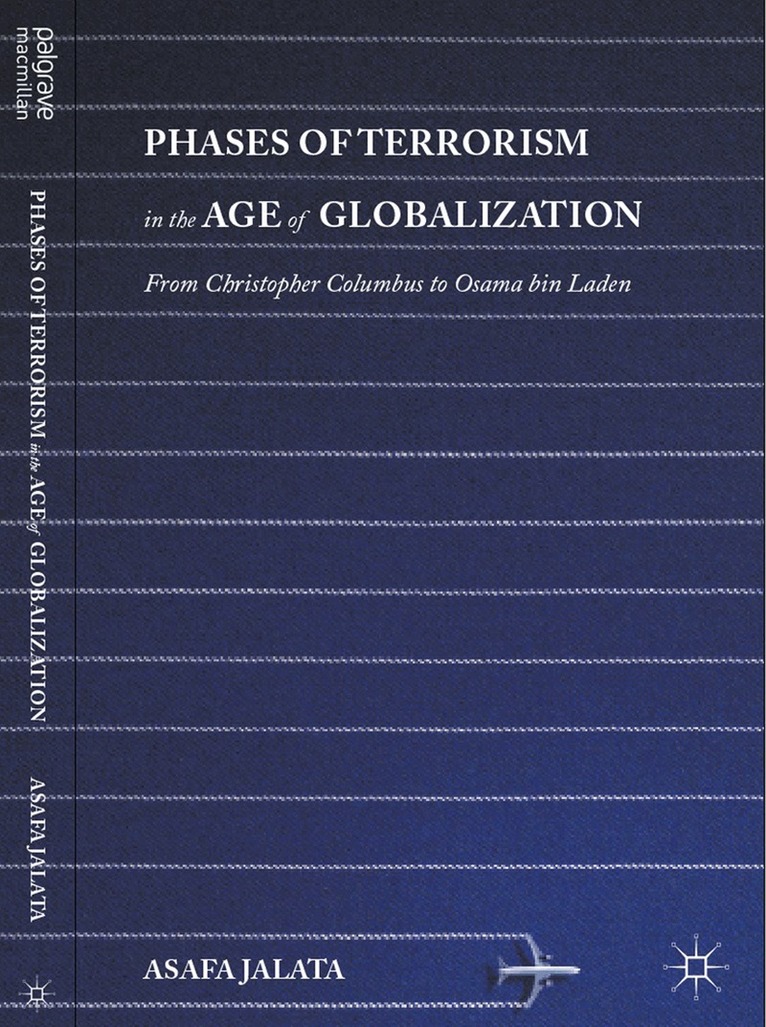
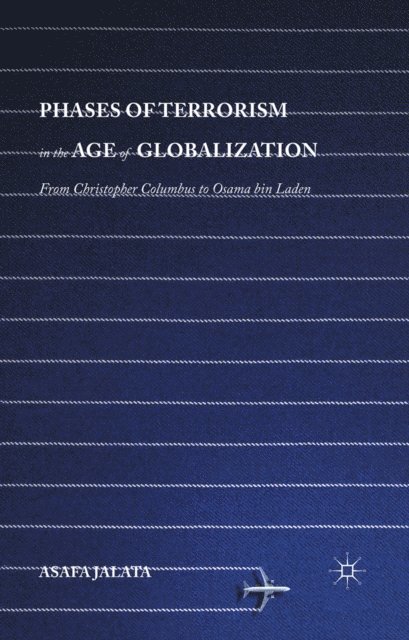
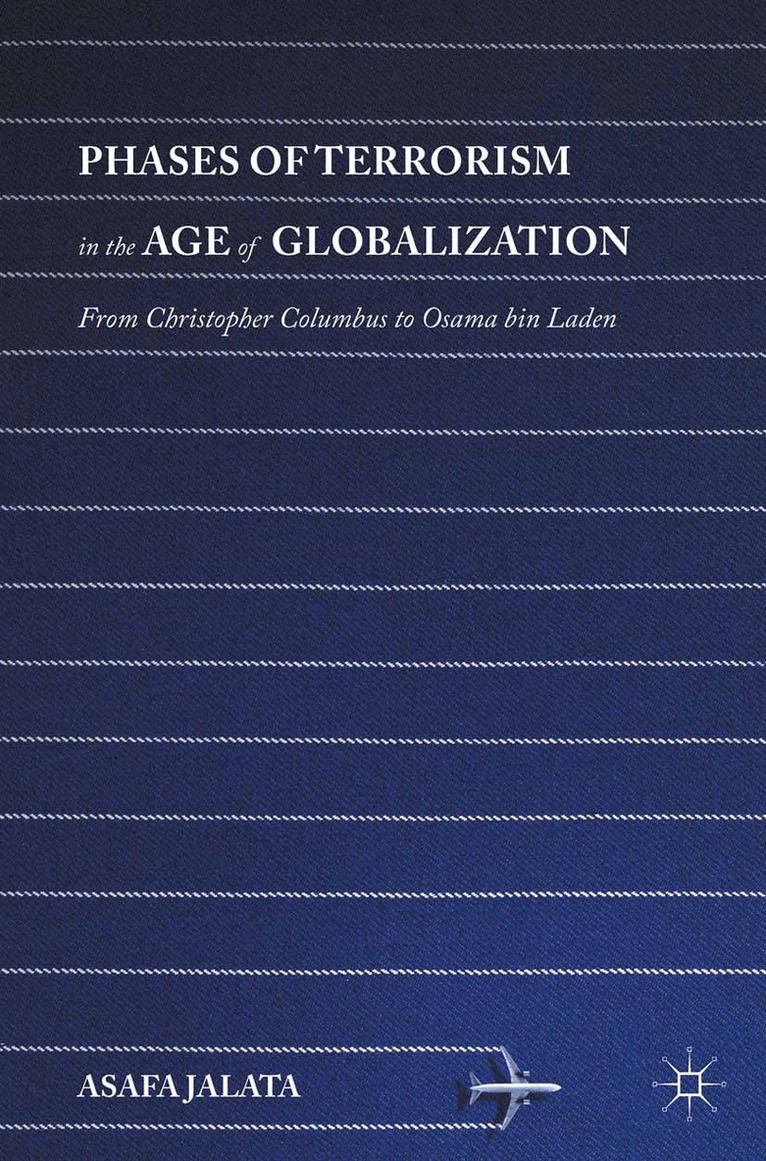
Phases of Terrorism in the Age of Globalization
From Christopher Columbus to Osama bin Laden
Av Asafa Jalata
Inbunden, 2015
552 kr
Lägg i varukorg
Phases of Terrorism in the Age of Globalization considers terrorism as an aspect of the capitalist world system for almost five centuries. Jalata's research reveals that terrorism can emerge from above as state terrorism and below as subversive organizations or groups.
Phases of Terrorism in the Age of Globalization
From Christopher Columbus to Osama bin Laden
Av Asafa Jalata
E-bok, 2016
779 kr
Lägg i varukorg
Phases of Terrorism in the Age of Globalization considers terrorism as an aspect of the capitalist world system for almost five centuries. Jalata''s research reveals that terrorism can emerge from above as state terrorism and below as subversive organizations or groups.
Phases of Terrorism in the Age of Globalization
From Christopher Columbus to Osama bin Laden
Av Asafa Jalata
Häftad, 2017
552 kr
Lägg i varukorg
Phases of Terrorism in the Age of Globalization considers terrorism as an aspect of the capitalist world system for almost five centuries. Jalata's research reveals that terrorism can emerge from above as state terrorism and below as subversive organizations or groups.
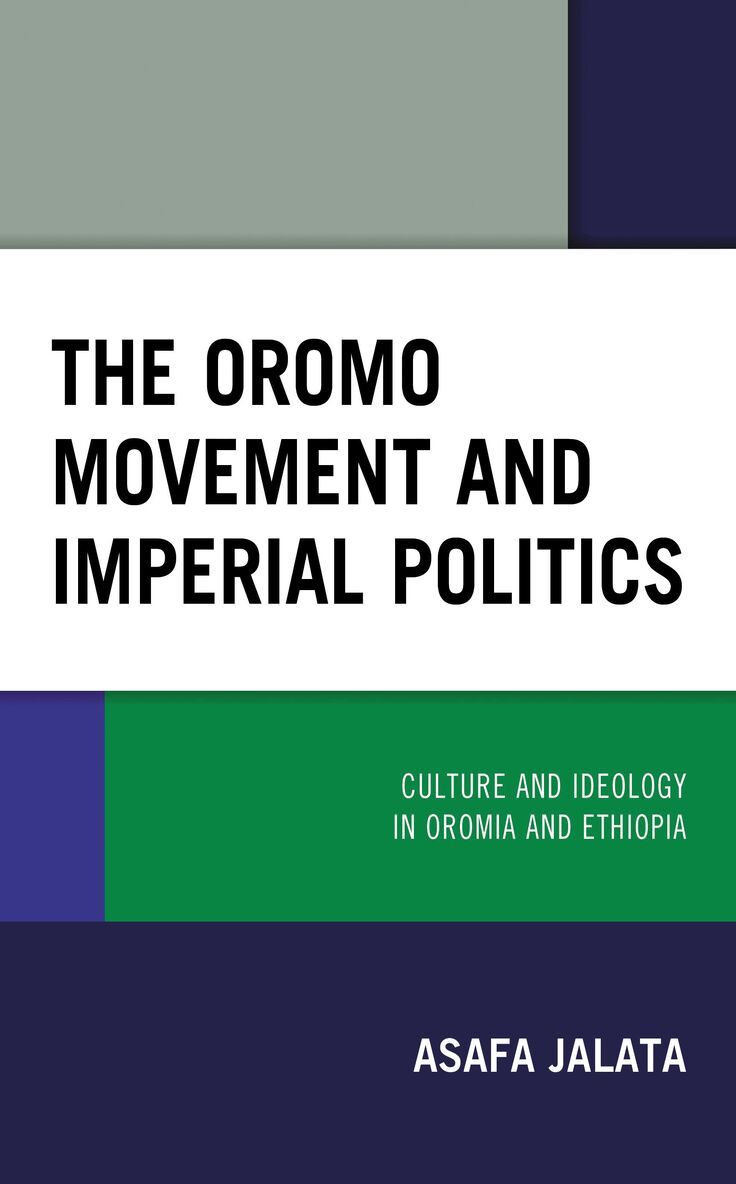
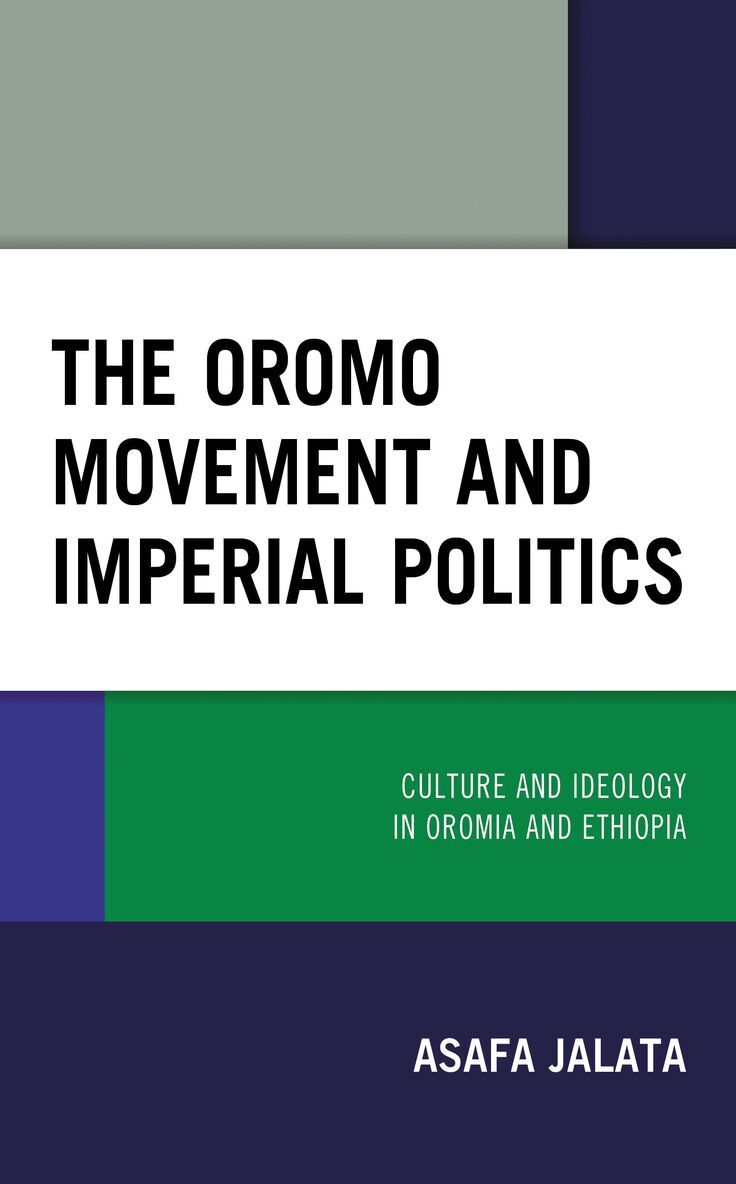
Oromo Movement and Imperial Politics
Culture and Ideology in Oromia and Ethiopia
Av Asafa Jalata
Inbunden, 2020
1247 kr
Lägg i varukorg
Focusing on the issue of the Oromo national struggle for liberation, statehood, and democracy, this book critically examines the dialectical relationship between Ethiopian colonialism and Oromo culture, epistemology, politics, and ideology in the context of the accumulated collective grievances of …
Oromo Movement and Imperial Politics
Culture and Ideology in Oromia and Ethiopia
Av Asafa Jalata
Häftad, 2022
532 kr
Lägg i varukorg
Focusing on the issue of the Oromo national struggle for liberation, statehood, and democracy, this book critically examines the dialectical relationship between Ethiopian colonialism and Oromo culture, epistemology, politics, and ideology in the context of the accumulated collective grievances of …
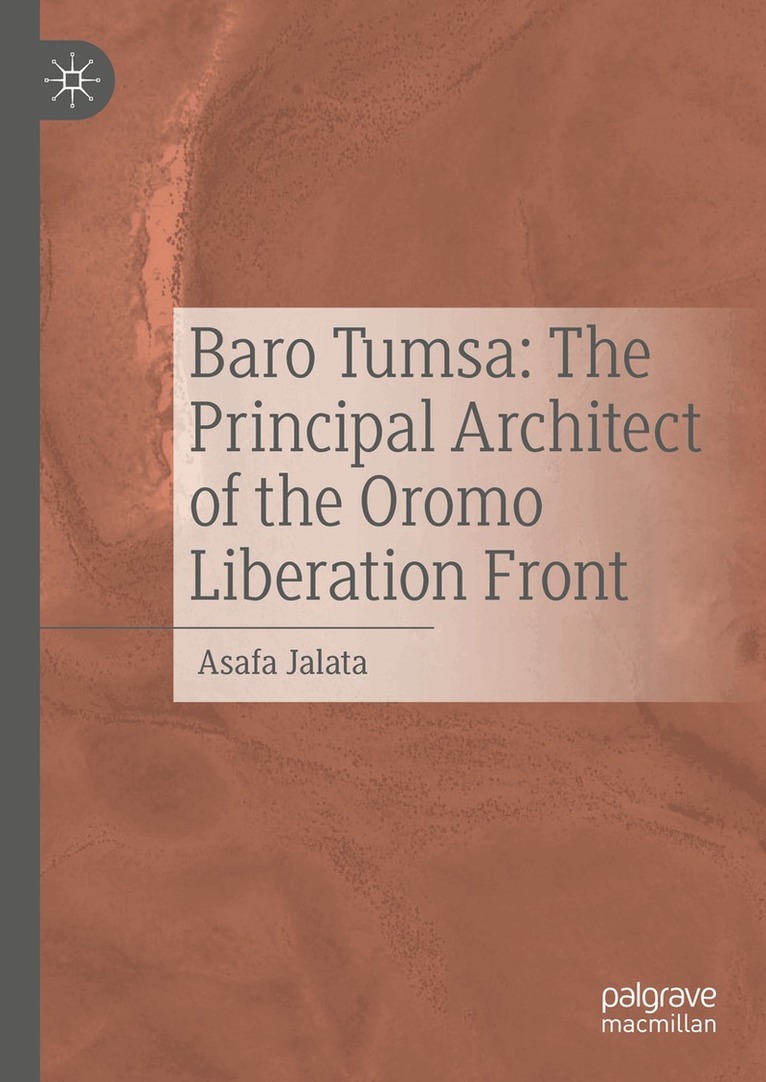
Baro Tumsa: The Principal Architect of the Oromo Liberation Front
Av Asafa Jalata
Inbunden, 2024
1580 kr
Lägg i varukorg
This book identifies and examines the role of Baro Tumsa in clandestinely bringing together a few Oromo nationalists of diverse backgrounds from all over Oromia, the Oromo country, to establish the Oromo Liberation Front (OLF) between the late 1960s and the mid- 1970s in Oromia and Ethiopia. The …
Baro Tumsa: The Principal Architect of the Oromo Liberation Front
Av Asafa Jalata
E-bok, 2024
1913 kr
Lägg i varukorg
This book identifies and examines the role of Baro Tumsa in clandestinely bringing together a few Oromo nationalists of diverse backgrounds from all over Oromia, the Oromo country, to establish the Oromo Liberation Front (OLF) between the late 1960s and the mid- 1970s in Oromia and Ethiopia. The …
Baro Tumsa: The Principal Architect of the Oromo Liberation Front
Av Asafa Jalata
Häftad, 2025
1534 kr
Lägg i varukorg
This book identifies and examines the role of Baro Tumsa in clandestinely bringing together a few Oromo nationalists of diverse backgrounds from all over Oromia, the Oromo country, to establish the Oromo Liberation Front (OLF) between the late 1960s and the mid- 1970s in Oromia and Ethiopia. The …