Ashima Jain – författare
Visar alla böcker från författaren Ashima Jain. Handla med fri frakt och snabb leverans.
4 produkter
4 produkter
E-bok
PDF, Engelska, 2026746 kr
Läs direkt efter köp
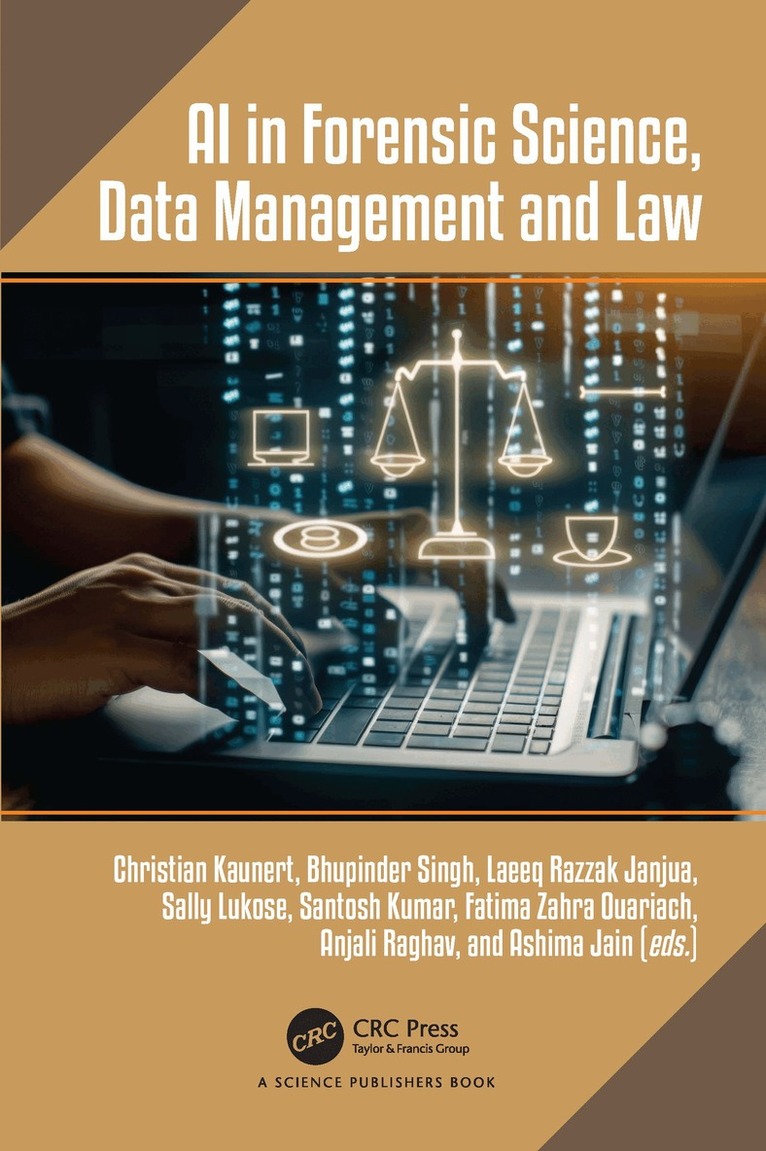
The book provides a complete overview of forensic science, AI, and data management in law and business. It reviews the applications of AI and advanced data management methods across various legal and forensic domains. Topics discussed include digital forensics, predictive modelling, automatic classification, anomaly detection, cold case analysis, metadata analysis, and pattern recognition using blockchain technology.The book explores the cutting-edge intersection of fields such as ethical AI in legal systems, forensic science, data privacy, and forensic accounting laws. It examines the ethical implications of integrating computational intelligence including AI and machine learning into legal and judicial systems. The challenges and opportunities of applying AI to decision-making in human rights contexts are analysed, with emphasis on transparency, accountability, and fairness in algorithmic decision-making within legal frameworks.Further, it evaluates the intersection of data privacy and human rights with respect to biometric data collection, discussing the implications of mass surveillance, data harvesting, and profiling on individual privacy and civil liberties. The book also investigates how computational intelligence can be used to analyse large-scale datasets and enhance legal research and decision-making within the framework of human rights and the rule of law.Key Features: Studies the use of AI in criminal scene management Reviews the use of AI in data handling Reviews anomaly detection in companies Evaluated the use of AI in legal assistance Covers emotion and sentiment analysis by AI in criminal matters.
E-bok
Engelska, 2026746 kr
Läs direkt efter köp
The book provides a complete overview of forensic science, AI, and data management in law and business. It reviews the applications of AI and advanced data management methods across various legal and forensic domains. Topics discussed include digital forensics, predictive modelling, automatic classification, anomaly detection, cold case analysis, metadata analysis, and pattern recognition using blockchain technology.The book explores the cutting-edge intersection of fields such as ethical AI in legal systems, forensic science, data privacy, and forensic accounting laws. It examines the ethical implications of integrating computational intelligence including AI and machine learning into legal and judicial systems. The challenges and opportunities of applying AI to decision-making in human rights contexts are analysed, with emphasis on transparency, accountability, and fairness in algorithmic decision-making within legal frameworks.Further, it evaluates the intersection of data privacy and human rights with respect to biometric data collection, discussing the implications of mass surveillance, data harvesting, and profiling on individual privacy and civil liberties. The book also investigates how computational intelligence can be used to analyse large-scale datasets and enhance legal research and decision-making within the framework of human rights and the rule of law.Key Features: Studies the use of AI in criminal scene management Reviews the use of AI in data handling Reviews anomaly detection in companies Evaluated the use of AI in legal assistance Covers emotion and sentiment analysis by AI in criminal matters.
Inbunden, Engelska, 2026
1 343 kr
Skickas inom 10-15 vardagar
The book provides a complete overview of forensic science, AI, and data management in law and business. It reviews the applications of AI and advanced data management methods across various legal and forensic domains. Topics discussed include digital forensics, predictive modelling, automatic classification, anomaly detection, cold case analysis, metadata analysis, and pattern recognition using blockchain technology.The book explores the cutting-edge intersection of fields such as ethical AI in legal systems, forensic science, data privacy, and forensic accounting laws. It examines the ethical implications of integrating computational intelligence including AI and machine learning into legal and judicial systems. The challenges and opportunities of applying AI to decision-making in human rights contexts are analysed, with emphasis on transparency, accountability, and fairness in algorithmic decision-making within legal frameworks.Further, it evaluates the intersection of data privacy and human rights with respect to biometric data collection, discussing the implications of mass surveillance, data harvesting, and profiling on individual privacy and civil liberties. The book also investigates how computational intelligence can be used to analyse large-scale datasets and enhance legal research and decision-making within the framework of human rights and the rule of law.Key Features:Studies the use of AI in criminal scene managementReviews the use of AI in data handlingReviews anomaly detection in companiesEvaluated the use of AI in legal assistanceCovers emotion and sentiment analysis by AI in criminal matters.
Inbunden, Engelska, 2026
2 769 kr
Kommande
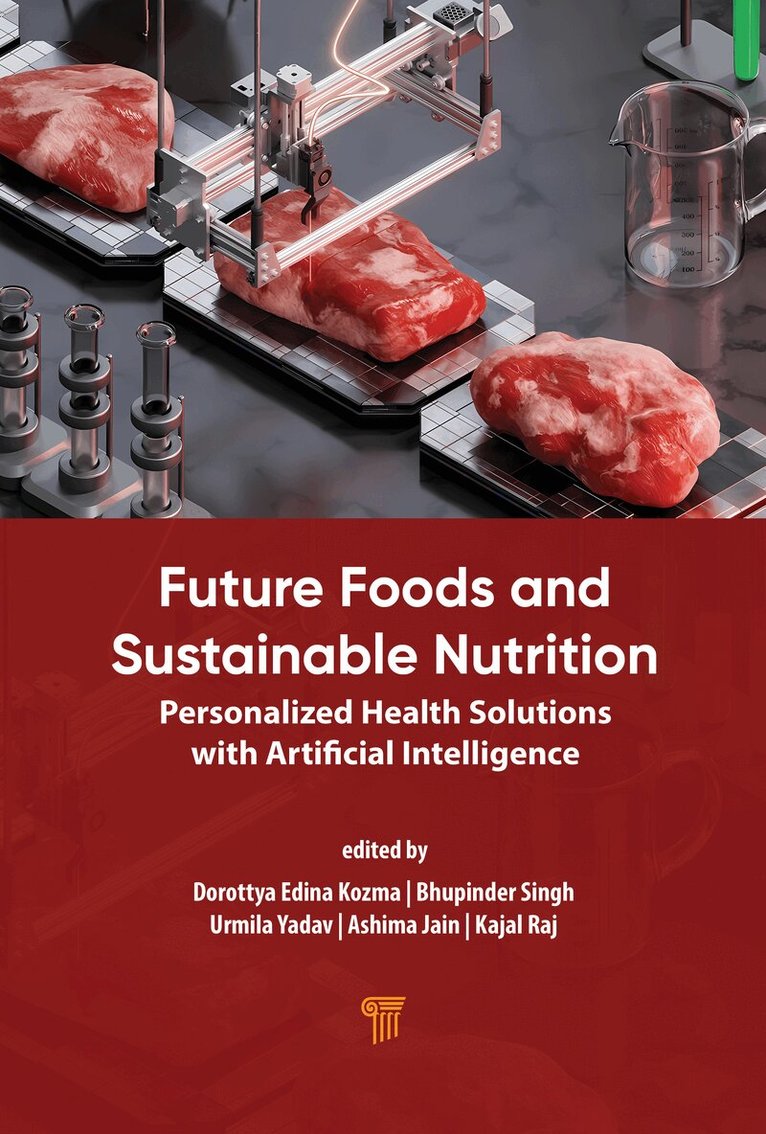
Ensuring access to nutritious and sustainable food systems is increasingly recognized as a global priority. Conventional agricultural systems, food chains, and nutritional models remain insufficient to meet global supply demands while simultaneously mitigating environmental degradation and climate impacts. Through improved efficiency, reduced waste, and healthier diets, AI-powered solutions are unlocking groundbreaking opportunities. This book has much to offer in this age of planetary dislocation caused by climate change, where erratic weather, depleted soils, and diminishing resources threaten food production. AI-driven predictive analytics, precision agriculture, and smart food processing enable improved crop management and more efficient use of natural resources. The role of AI in food innovation—whether through alternative proteins, lab-grown meat, or plant-based diets—advances environmentally friendly food options while aligning with climate action plans such as the Sustainable Development Goals. The book contributes to improving public health and alleviating the burden of nutrition-related illnesses. Furthermore, by leveraging real-time data and actionable insights, AI-driven food supply chain management reduces waste and enhances food safety through predictive analytics. The book is a vital resource for researchers, policymakers, and food-industry professionals, integrating technological advancements and policy perspectives with practical applications. It paves the way for intelligent, resilient, future food systems that responsibly support global human and environmental well-being.