Ashkan Rezvani Naraghi - Böcker
Visar alla böcker från författaren Ashkan Rezvani Naraghi. Handla med fri frakt och snabb leverans.
2 produkter
2 produkter
Del 22 - The Global Middle East
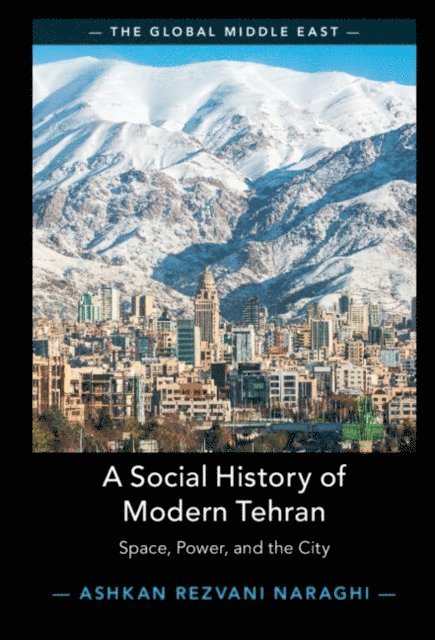
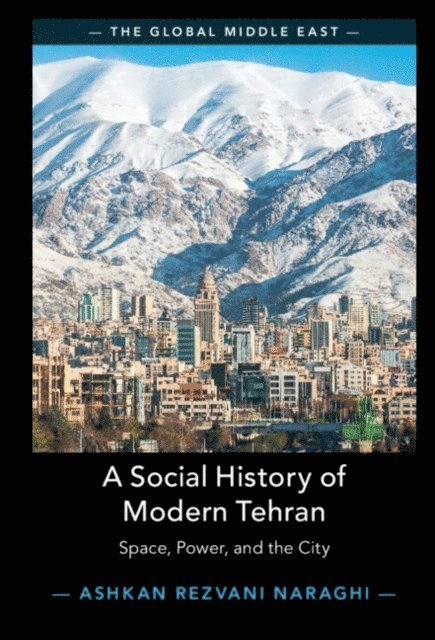
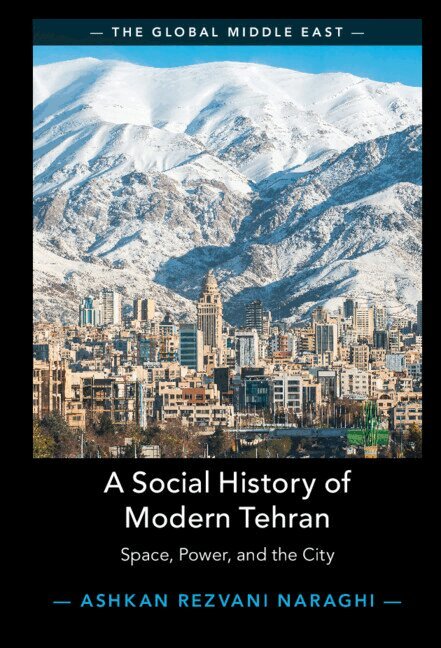
A Social History of Modern Tehran
Space, Power, and the City
Inbunden, Engelska, 2023
1 282 kr
Skickas inom 7-10 vardagar
Tehran, the capital of Iran since the late eighteenth century, is now one of the largest cities in the Middle East. Exploring Tehran's development from the nineteenth to the mid-twentieth century, Ashkan Rezvani Naraghi paints a vibrant picture of a city undergoing rapid and dynamic social transformation. Rezvani Naraghi demonstrates that this shift was the product of a developing discourse around spatial knowledge, in which the West became the model for the social practices of the state and sections of Iranian society. As traditional social spaces, such as coffee houses, bathhouses, and mosques, were replaced by European-style cafes, theatres, and sports clubs, Tehran and its people were irreversibly altered. Using an array of archival sources, Rezvani Naraghi stresses the agency of everyday inhabitants in shaping urban change. This enlightening history not only allows us to better understand the contours of contemporary Tehran, but to develop a new way of imagining, talking about, and building 'the city'.
Del 22 - The Global Middle East
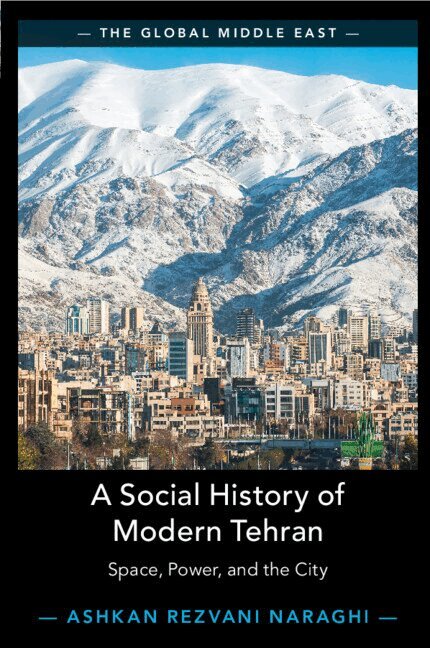
A Social History of Modern Tehran
Space, Power, and the City
Häftad, Engelska, 2025
414 kr
Skickas inom 7-10 vardagar
Tehran, the capital of Iran since the late eighteenth century, is now one of the largest cities in the Middle East. Exploring Tehran's development from the nineteenth to the mid-twentieth century, Ashkan Rezvani Naraghi paints a vibrant picture of a city undergoing rapid and dynamic social transformation. Rezvani Naraghi demonstrates that this shift was the product of a developing discourse around spatial knowledge, in which the West became the model for the social practices of the state and sections of Iranian society. As traditional social spaces, such as coffee houses, bathhouses, and mosques, were replaced by European-style cafes, theatres, and sports clubs, Tehran and its people were irreversibly altered. Using an array of archival sources, Rezvani Naraghi stresses the agency of everyday inhabitants in shaping urban change. This enlightening history not only allows us to better understand the contours of contemporary Tehran, but to develop a new way of imagining, talking about, and building 'the city'.