Ashley Frawley – författare
Visar alla böcker från författaren Ashley Frawley. Handla med fri frakt och snabb leverans.
8 produkter
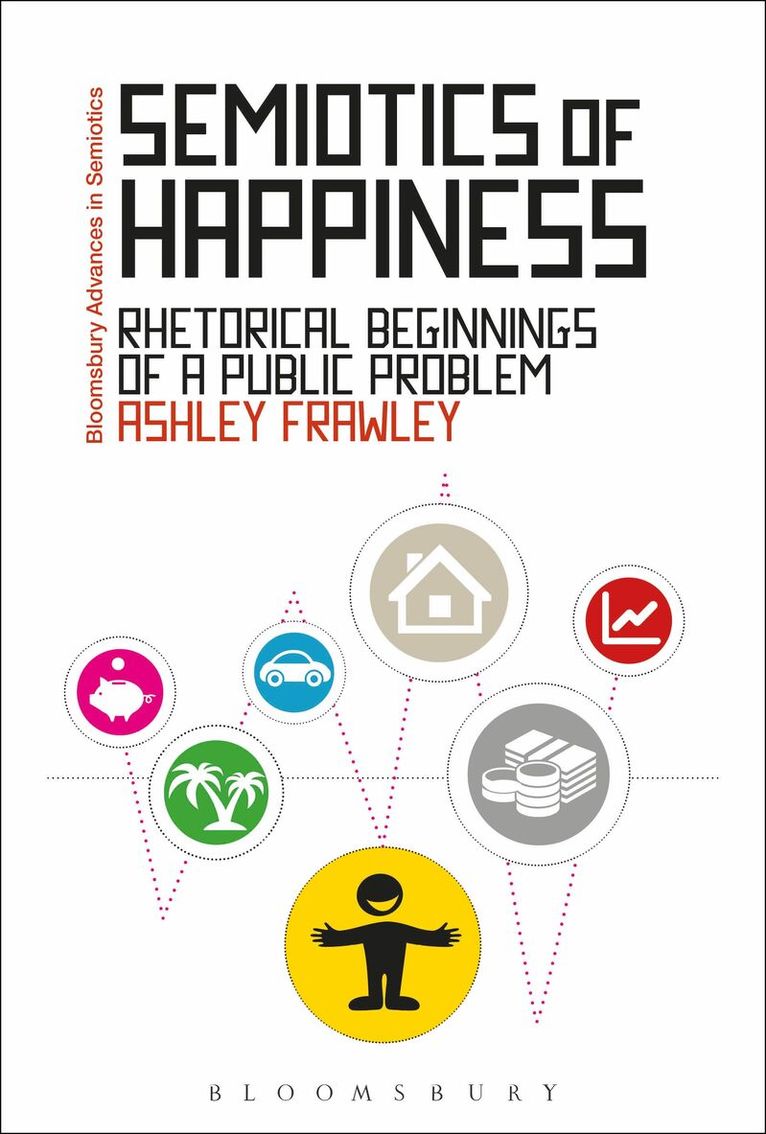
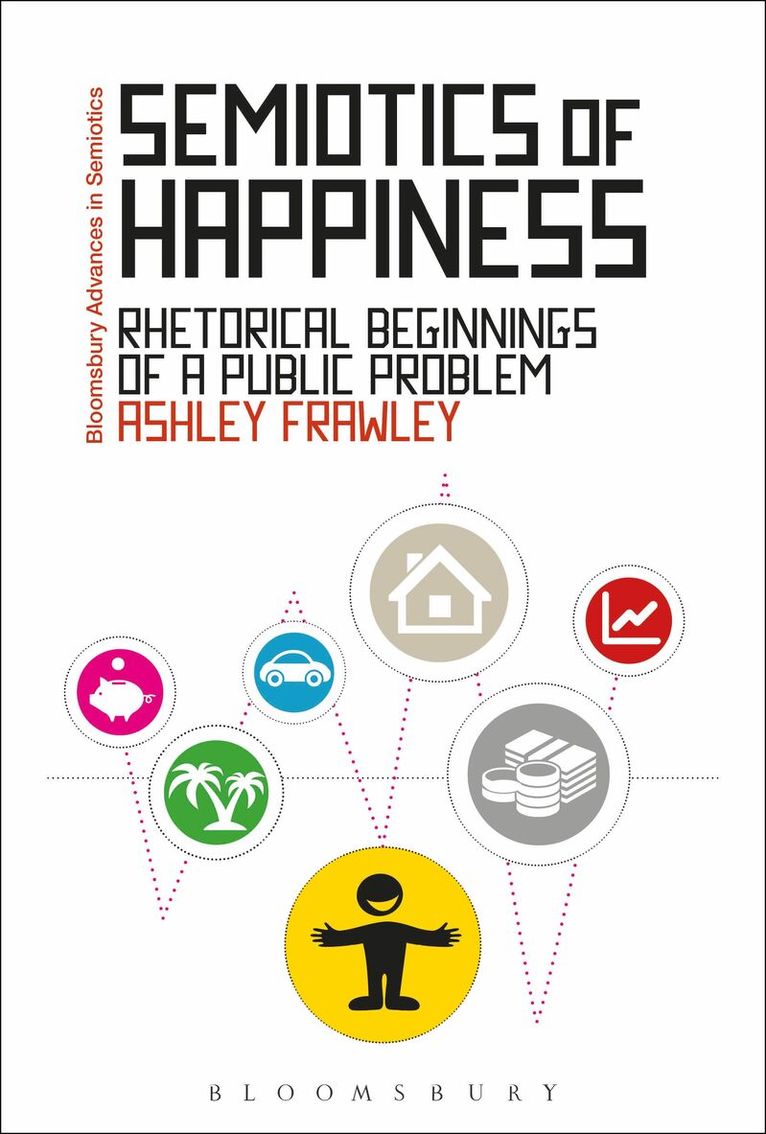
Semiotics of Happiness
Rhetorical beginnings of a public problem
Av Ashley Frawley, Gregory Paschalidis
Häftad, 2016
558 kr
Lägg i varukorg
The Semiotics of Happiness examines the rise of 'happiness' (and its various satellite terminologies) as a social and political semiotic, exploring its origins in the US and subsequent spread into the UK and across the globe. The research takes as its starting point the development of discussions …
Significant Emotions
Rhetoric and Social Problems in a Vulnerable Age
Häftad, 2023
293 kr
Lägg i varukorg
Significant Emotions is a piercing examination of the rising use of emotional signifiers in public debate and the rhetoric of an increasingly expansive array of social problems. Building on ideas developed in Ashley Frawley's previous book, Semiotics of Happiness, it examines in detail the …
Significant Emotions
Rhetoric and Social Problems in a Vulnerable Age
Inbunden, 2023
969 kr
Lägg i varukorg
Significant Emotions is a piercing examination of the rising use of emotional signifiers in public debate and the rhetoric of an increasingly expansive array of social problems. Building on ideas developed in Ashley Frawley's previous book, Semiotics of Happiness, it examines in detail the …
Significant Emotions
Rhetoric and Social Problems in a Vulnerable Age
E-bok, 2023
309 kr
Lägg i varukorg
Significant Emotions is a piercing examination of the rising use of emotional signifiers in public debate and the rhetoric of an increasingly expansive array of social problems. Building on ideas developed in Ashley Frawley''s previous book, Semiotics of Happiness, it examines in detail the …
Significant Emotions
Rhetoric and Social Problems in a Vulnerable Age
E-bok, 2023
318 kr
Lägg i varukorg
Significant Emotions is a piercing examination of the rising use of emotional signifiers in public debate and the rhetoric of an increasingly expansive array of social problems. Building on ideas developed in Ashley Frawley''s previous book, Semiotics of Happiness, it examines in detail the …
Semiotics of Happiness
Rhetorical Beginnings of a Public Problem
E-bok, 2015
608 kr
Lägg i varukorg
The Semiotics of Happiness examines the rise of ''happiness'' (and its various satellite terminologies) as a social and political semiotic, exploring its origins in the US and subsequent spread into the UK and across the globe. The research takes as its starting point the development of discussions …
Semiotics of Happiness
Rhetorical beginnings of a public problem
Av Ashley Frawley, Gregory Paschalidis
Inbunden, 2015
1986 kr
Lägg i varukorg
The Semiotics of Happiness examines the rise of 'happiness' (and its various satellite terminologies) as a social and political semiotic, exploring its origins in the US and subsequent spread into the UK and across the globe. The research takes as its starting point the development of discussions …
Semiotics of Happiness
Rhetorical Beginnings of a Public Problem
E-bok, 2015
608 kr
Lägg i varukorg
The Semiotics of Happiness examines the rise of ''happiness'' (and its various satellite terminologies) as a social and political semiotic, exploring its origins in the US and subsequent spread into the UK and across the globe. The research takes as its starting point the development of discussions …