Ashok K. Mishra - Böcker
Visar alla böcker från författaren Ashok K. Mishra. Handla med fri frakt och snabb leverans.
8 produkter
8 produkter
2 088 kr
Skickas inom 10-15 vardagar
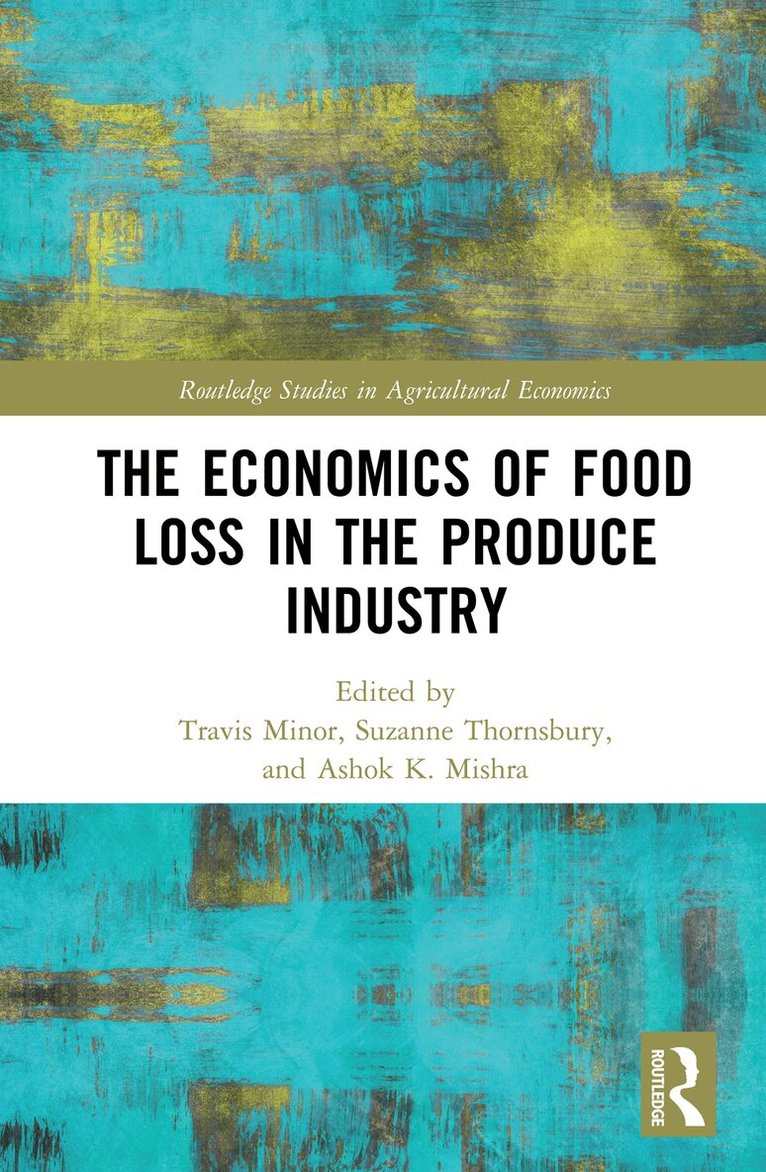
Food loss is a serious issue in the United States. It affects all aspects of the supply chain, from farmers to consumers. While much is already known about loss at the consumer level, our understanding of the amount of food that never makes it to this stage is more limited. The Economics of Food Loss in the Produce Industry focuses on the economics of food loss as they apply to on-farm produce production, and the losses that are experienced early.The book both analyses current food loss literature and presents new empirical research. It draws lessons from those who have encountered these issues by focusing on how past regional or national estimates of food loss have been conducted with varying degrees of success. It includes chapters on several themes: understanding food loss from an economic perspective; efforts to measure food loss; case studies across commodities within the produce industry; and economic risks and opportunities. The commodity case studies provide detailed discussion of factors impacting changes in loss levels within the produce industry, and a wealth of knowledge on strategies and contexts is developed. The book concludes by identifying critical knowledge gaps and establishing future priorities.This book serves as an essential reference guide for academics, researchers, students, legislative liaisons, non-profit associations, and think tank groups in agriculture and agricultural economics.
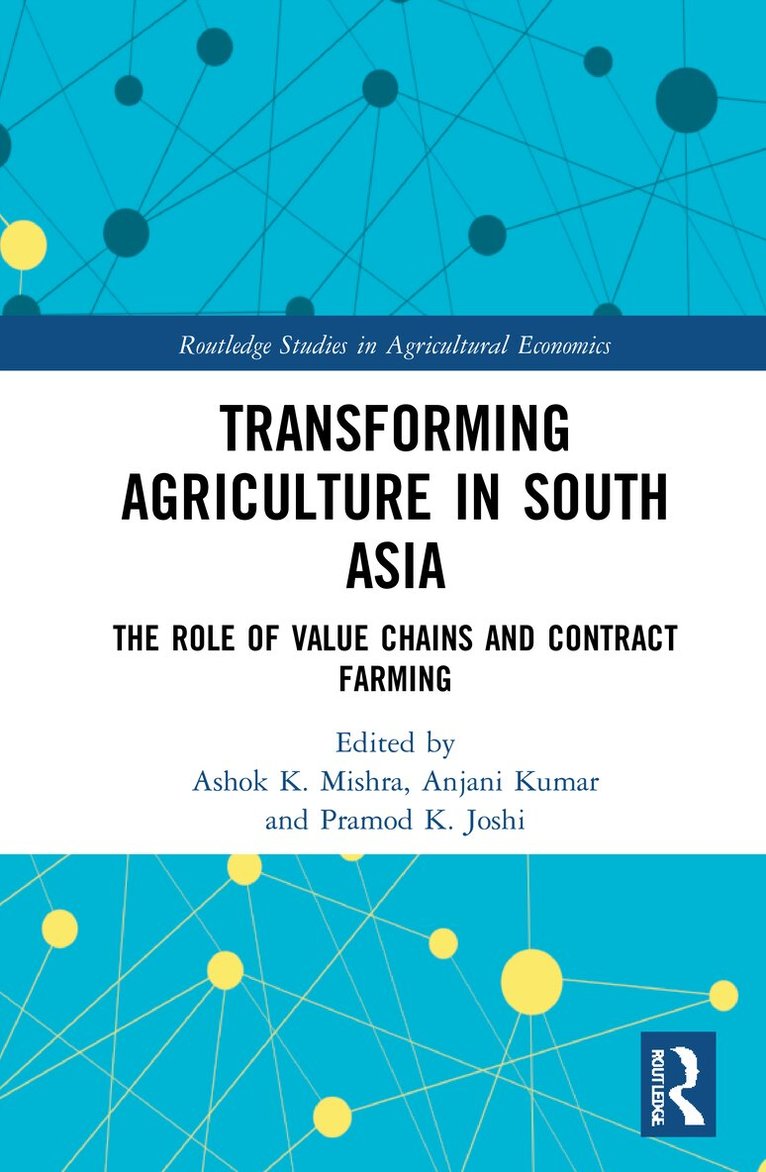
Transforming Agriculture in South Asia
The Role of Value Chains and Contract Farming
Inbunden, Engelska, 2020
2 289 kr
Skickas inom 10-15 vardagar
Debates about public expenditure in the agricultural sector have reopened in many developing and emerging economies because of high budget deficits and changes in public opinion. As a result, agricultural policy in many of these countries is beginning to take a more market-oriented approach to agrarian problems, most notably through the introduction of contract farming. This book explores the policy issues around contract farming and its transformative potential and addresses the lack of empirical research on this topic by focusing on South Asia: principally India, Bangladesh and Nepal.The book first addresses the effects of contract farming (vertical coordination) on productivity, food security indicators (yield, consumption expenditures, prices), employment and input usage. Then it draws lessons from the South Asian case studies on the impact of institutional changes, like contract farming, on income and food security of smallholder households. The core of the book includes case study chapters on several commodities that are produced under contract farming, including vegetables and fisheries in Bangladesh, low-value crops in Nepal and coffee in India. Other chapters also explore contracts, storage, input usage and technical efficiency in these cases. This book serves as an essential guide to academics, researchers, students, legislative liaisons and think tank groups interested in agrarian issues, agricultural economics and agricultural policy in emerging economies and particularly in South Asia.
Transforming Agriculture in South Asia
The Role of Value Chains and Contract Farming
Häftad, Engelska, 2022
617 kr
Skickas inom 10-15 vardagar
Debates about public expenditure in the agricultural sector have reopened in many developing and emerging economies because of high budget deficits and changes in public opinion. As a result, agricultural policy in many of these countries is beginning to take a more market-oriented approach to agrarian problems, most notably through the introduction of contract farming. This book explores the policy issues around contract farming and its transformative potential and addresses the lack of empirical research on this topic by focusing on South Asia: principally India, Bangladesh and Nepal.The book first addresses the effects of contract farming (vertical coordination) on productivity, food security indicators (yield, consumption expenditures, prices), employment and input usage. Then it draws lessons from the South Asian case studies on the impact of institutional changes, like contract farming, on income and food security of smallholder households. The core of the book includes case study chapters on several commodities that are produced under contract farming, including vegetables and fisheries in Bangladesh, low-value crops in Nepal and coffee in India. Other chapters also explore contracts, storage, input usage and technical efficiency in these cases. This book serves as an essential guide to academics, researchers, students, legislative liaisons and think tank groups interested in agrarian issues, agricultural economics and agricultural policy in emerging economies and particularly in South Asia.
644 kr
Skickas inom 10-15 vardagar
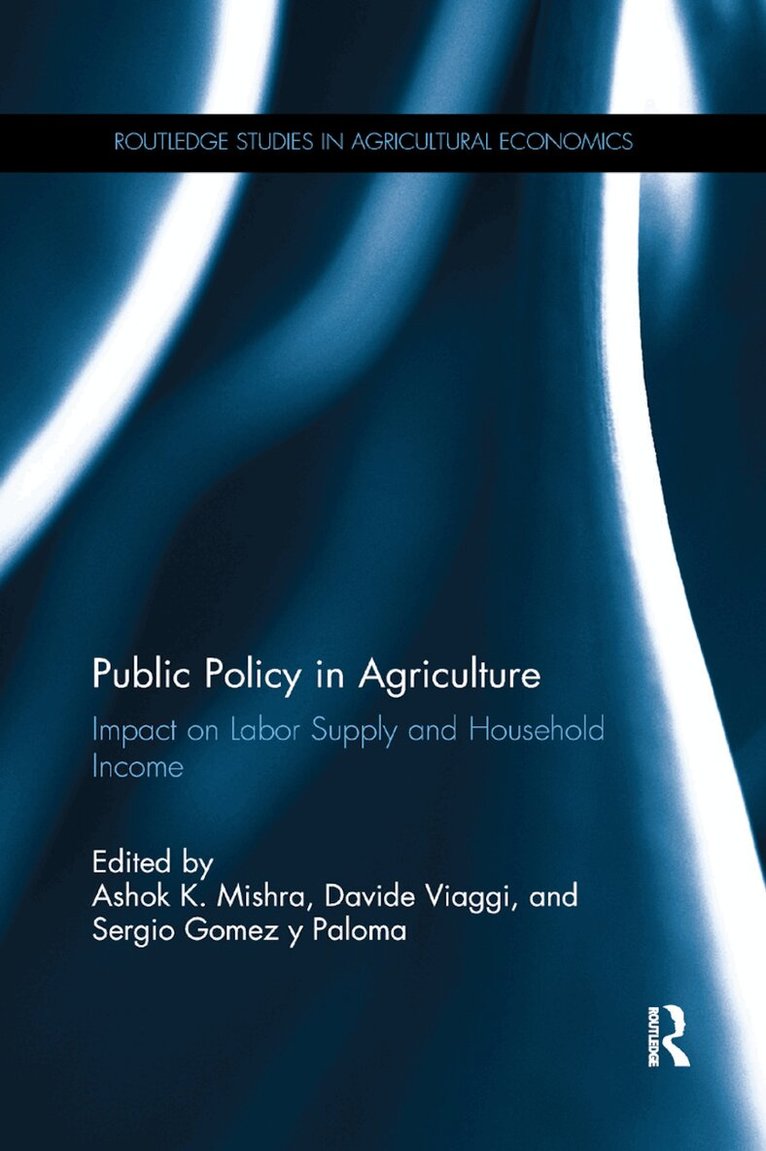
In recent years, developed countries have formulated public policies in agriculture ranging from supporting rural life and farm income to promoting sustainability of food and fibre production. Public Policy in Agriculture: Impact on Labor Supply and Household Income addresses the lack of empirical research in this area. It explores the impact of differing approaches to public policy through a series of international case studies, from the USA and Canada to South Korea, Norway, Slovenia and Taiwan. At a time when much of the developed world has been experiencing budget deficits and policy-makers and the public in general have re-opened the debate on public expenditures in the agricultural sector, this is a timely volume. Mishra, Viaggi and Gomez y Paloma have written an authoritative guide to agricultural public policy that will serve as a reference for academics, researchers, students, and policy-makers.
617 kr
Skickas inom 10-15 vardagar
Food loss is a serious issue in the United States. It affects all aspects of the supply chain, from farmers to consumers. While much is already known about loss at the consumer level, our understanding of the amount of food that never makes it to this stage is more limited. The Economics of Food Loss in the Produce Industry focuses on the economics of food loss as they apply to on-farm produce production, and the losses that are experienced early.The book both analyses current food loss literature and presents new empirical research. It draws lessons from those who have encountered these issues by focusing on how past regional or national estimates of food loss have been conducted with varying degrees of success. It includes chapters on several themes: understanding food loss from an economic perspective; efforts to measure food loss; case studies across commodities within the produce industry; and economic risks and opportunities. The commodity case studies provide detailed discussion of factors impacting changes in loss levels within the produce industry, and a wealth of knowledge on strategies and contexts is developed. The book concludes by identifying critical knowledge gaps and establishing future priorities.This book serves as an essential reference guide for academics, researchers, students, legislative liaisons, non-profit associations, and think tank groups in agriculture and agricultural economics.
2 155 kr
Skickas inom 10-15 vardagar
In recent years, developed countries have formulated public policies in agriculture ranging from supporting rural life and farm income to promoting sustainability of food and fibre production. Public Policy in Agriculture: Impact on Labor Supply and Household Income addresses the lack of empirical research in this area. It explores the impact of differing approaches to public policy through a series of international case studies, from the USA and Canada to South Korea, Norway, Slovenia and Taiwan. At a time when much of the developed world has been experiencing budget deficits and policy-makers and the public in general have re-opened the debate on public expenditures in the agricultural sector, this is a timely volume. Mishra, Viaggi and Gomez y Paloma have written an authoritative guide to agricultural public policy that will serve as a reference for academics, researchers, students, and policy-makers.
2 107 kr
Skickas inom 3-6 vardagar
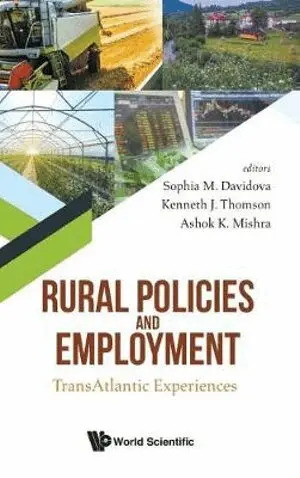
A unique title comparing rural policies and employment in the two most developed parts of the world — the EU and USA. While both regions are concerned for their vast rural areas, each adopts a strikingly different approach to create and maintain employment there, making rural space attractive to businesses and residents.This book focuses on a major issue of socioeconomic and policy concern, i.e. whether jobs and incomes can be protected or created in rural areas, where often agriculture no longer provides a large and secure basis for employment. Within a "paired" chapter structure covering both the European Union and the United States of America, it deals with several themes of interest including farm policies, labor entry and exit, and rural and household enterprise diversification. Specific "special studies" also analyze recent developments within countries or regions.
1 658 kr
Skickas inom 7-10 vardagar
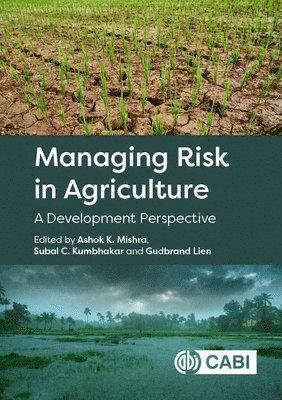
The book addresses and documents farmers' risks in developing and emerging economies. It draws lessons from experimental economics on measuring risk preferences, attitudes, gender differences in managing risks, and risk management strategies in countries across Africa and Asia. It argues policy makers, especially in emerging economies, need a better understanding of farmers' attitudes toward risk and choices of risk management strategies when designing policies to support production agriculture. The book includes chapters on three themes: understanding risk attitudes and preferences; using experimental economics to measure risk, preferences, and risk management strategies; and understanding climate change, risk, and risk management. The book critically examines the currently held beliefs about risk preference, attitudes, and empirical estimation of risk management strategies, emphasizing developing and emerging economies (DEE). "The agricultural development space is an inherently risky one and this welcome collection belatedly helps to plug an important hole." Jock R. Anderson, Emeritus Professor of Agricultural Economics, University of New England, Armidale, Australia "Over time, agricultural production practices have evolved, as have the markets and value chains for food and agricultural products. A constant consideration, however, and one that continues to define agriculture worldwide, is risk. The risks that impinge on agriculture come in all shapes and sizes. Of course, production risks are ubiquitous. But so are market risks. And the same is true for macroeconomic and financial risks and the risks associated with an evolving climate. This book will be a valuable, comprehensive resource for any applied economist desiring to understand the risk management principles relevant to modern food and agricultural systems." Matthew Holt, Prof. and head of the Department of Agricultural and Applied Economics, Virginia Tech University, Blacksburg, VA, USA.