Ashutosh Bhagwat – författare
Visar alla böcker från författaren Ashutosh Bhagwat. Handla med fri frakt och snabb leverans.
14 produkter
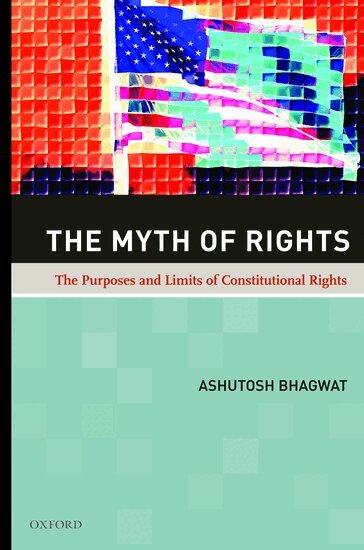
The Myth of Rights
The Purposes and Limits of Constitutional Rights
Inbunden, 2010
1076 kr
Lägg i varukorg
What is a constitutional right? If asked, most Americans would say that it is an entitlement to act as one pleases - i.e., that rights protect autonomy. That understanding, however, is wrong; it is, indeed, The Myth of Rights. The primary purpose and effect of constitutional rights in our society …
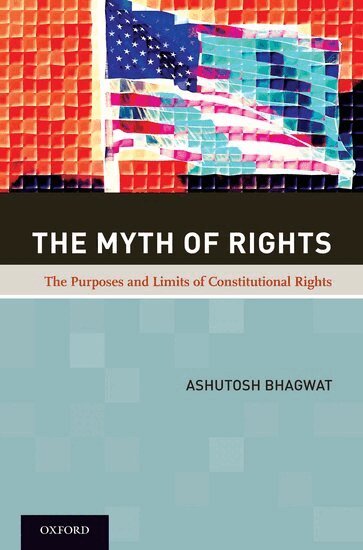
Myth of Rights
The Purposes and Limits of Constitutional Rights
E-bok, 2010
540 kr
Lägg i varukorg
What is a constitutional right? If asked, most Americans would say that it is an entitlement to act as one pleases - i.e., that rights protect autonomy. That understanding, however, is wrong; it is, indeed, The Myth of Rights . The primary purpose and effect of constitutional rights in our society …
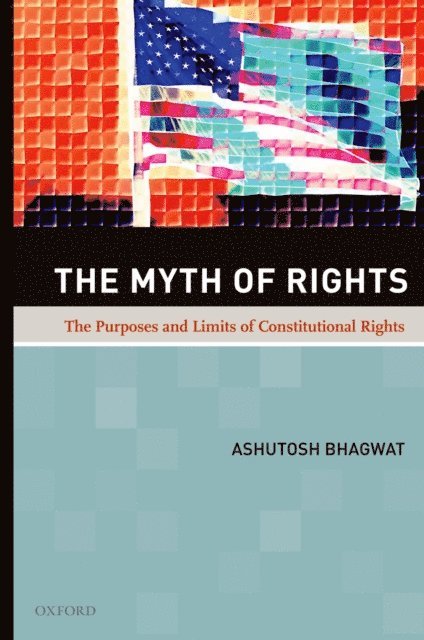
The Myth of Rights
The Purposes and Limits of Constitutional Rights
Häftad, 2012
806 kr
Lägg i varukorg
What is a constitutional right? If asked, most Americans would say that it is an entitlement to act as one pleases - i.e., that rights protect autonomy. That understanding, however, is wrong; it is, indeed, The Myth of Rights. The primary purpose and effect of constitutional rights in our society …
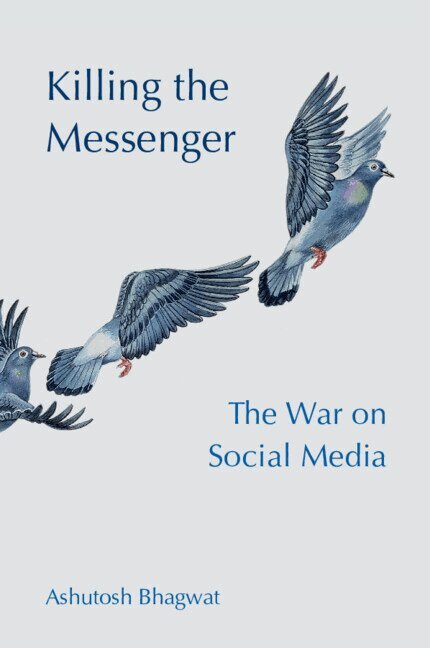
Killing the Messenger
The War on Social Media
Häftad, 2025
344 kr
Lägg i varukorg
Killing the Messenger is a highly readable survey of the current political and legal wars over social media platforms. The book carefully parses attacks against social media coming from both the political left and right to demonstrate how most of these critiques are overblown or without empirical …
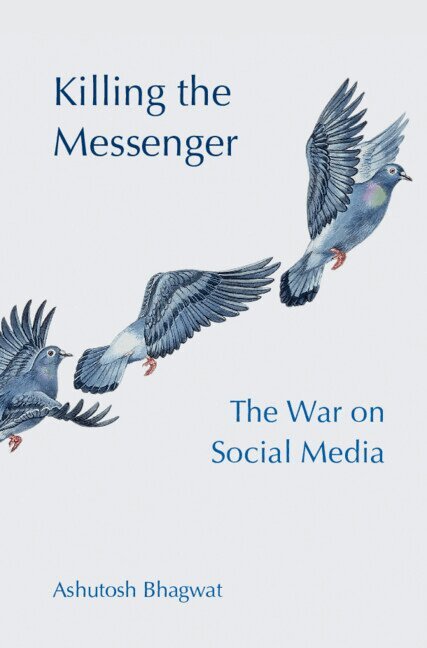
Killing the Messenger
The War on Social Media
Inbunden, 2025
1038 kr
Lägg i varukorg
Killing the Messenger is a highly readable survey of the current political and legal wars over social media platforms. The book carefully parses attacks against social media coming from both the political left and right to demonstrate how most of these critiques are overblown or without empirical …
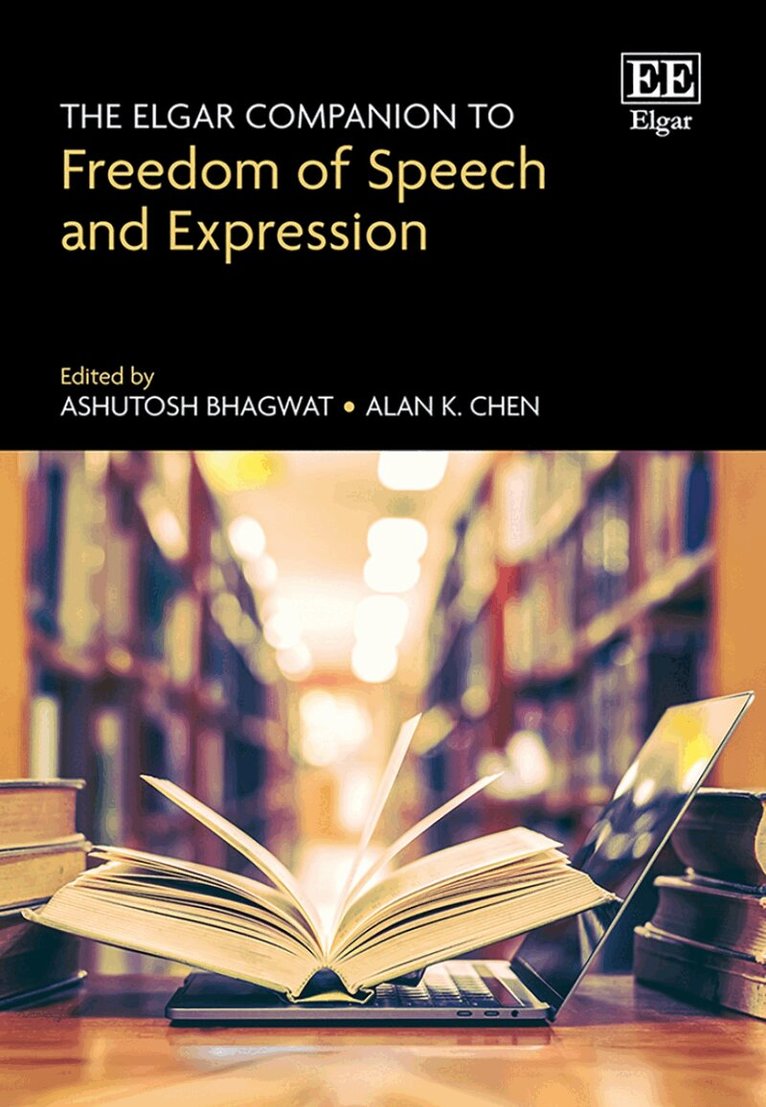
Elgar Companion to Freedom of Speech and Expression
Av Ashutosh Bhagwat, Alan K. Chen
Inbunden, 2026
3719 kr
Lägg i varukorg
This comprehensive book examines the theoretical underpinnings of free speech and provides crucial insights into the contemporary resurgence of debates over its importance. Contributing authors critically analyse many of these disputes, including the regulation of online speech, current attacks on …
Elgar Companion to Freedom of Speech and Expression
Av Alan K. Chen, Ashutosh Bhagwat
E-bok, 2026
810 kr
Lägg i varukorg
This comprehensive book examines the theoretical underpinnings of free speech and provides crucial insights into the contemporary resurgence of debates over its importance. Contributing authors critically analyse many of these disputes, including the regulation of online speech, current attacks on …
Elgar Companion to Freedom of Speech and Expression
Av Alan K. Chen, Ashutosh Bhagwat
E-bok, 2026
810 kr
Lägg i varukorg
This comprehensive book examines the theoretical underpinnings of free speech and provides crucial insights into the contemporary resurgence of debates over its importance. Contributing authors critically analyse many of these disputes, including the regulation of online speech, current attacks on …
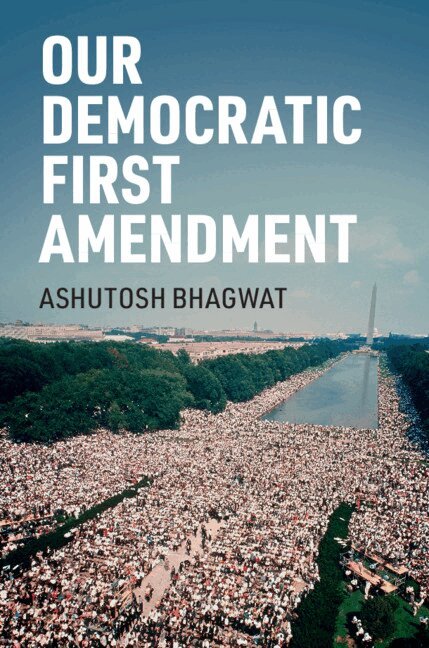
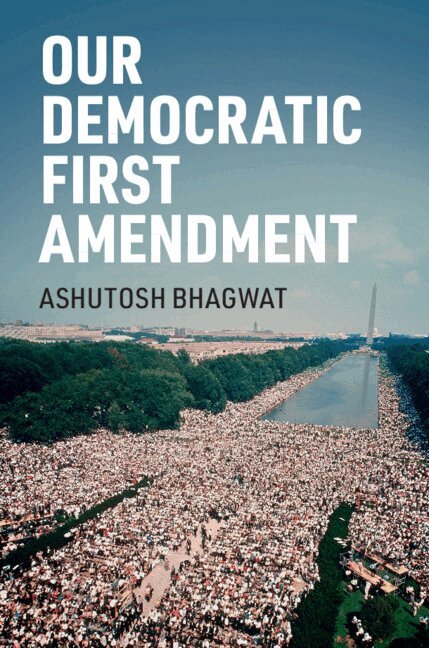
Our Democratic First Amendment
Inbunden, 2020
1103 kr
Lägg i varukorg
The First Amendment to the US Constitution protects free speech, freedom of the press, freedom of association and assembly, and the right to petition the government. Why did the Framers protect these particular rights? What role were these rights intended to play in our democracy? And what force do …
Our Democratic First Amendment
E-bok, 2020
435 kr
Lägg i varukorg
The First Amendment to the US Constitution protects free speech, freedom of the press, freedom of association and assembly, and the right to petition the government. Why did the Framers protect these particular rights? What role were these rights intended to play in our democracy? And what force do …
Our Democratic First Amendment
Häftad, 2020
414 kr
Lägg i varukorg
The First Amendment to the US Constitution protects free speech, freedom of the press, freedom of association and assembly, and the right to petition the government. Why did the Framers protect these particular rights? What role were these rights intended to play in our democracy? And what force do …
Our Democratic First Amendment
E-bok, 2020
435 kr
Lägg i varukorg
The First Amendment to the US Constitution protects free speech, freedom of the press, freedom of association and assembly, and the right to petition the government. Why did the Framers protect these particular rights? What role were these rights intended to play in our democracy? And what force do …