Astrid De Wit – författare
Visar alla böcker från författaren Astrid De Wit. Handla med fri frakt och snabb leverans.
4 produkter
Present Perfective Paradox across Languages
E-bok, 2016
1194 kr
Lägg i varukorg
This book presents an analysis of how speakers of typologically diverse languages report present-time situations. It begins from the assumption that there is a restriction on the use of the present tense to report present-time dynamic/perfective situations, while with stative/imperfective …
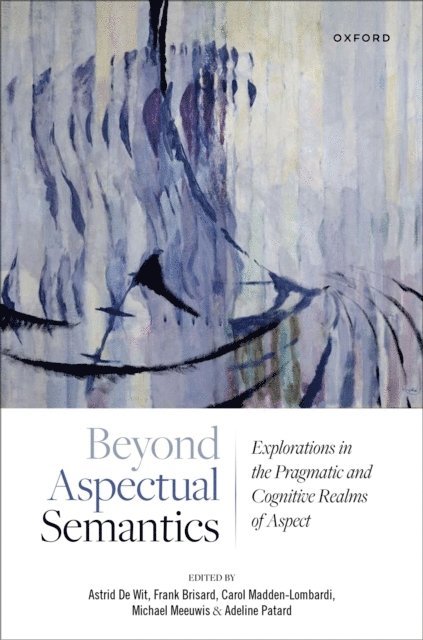
Beyond Aspectual Semantics
Explorations in the Pragmatic and Cognitive Realms of Aspect
Av Adeline Patard, Michael Meeuwis m. fl.
E-bok, 2024
1247 kr
Lägg i varukorg
This volume brings together insights from leading scholars in the field of grammatical aspect to examine the multifaceted nature of this pivotal linguistic resource used to express temporal meaning. The contributors explore the many ways in which linguistic research can move beyond canonical …
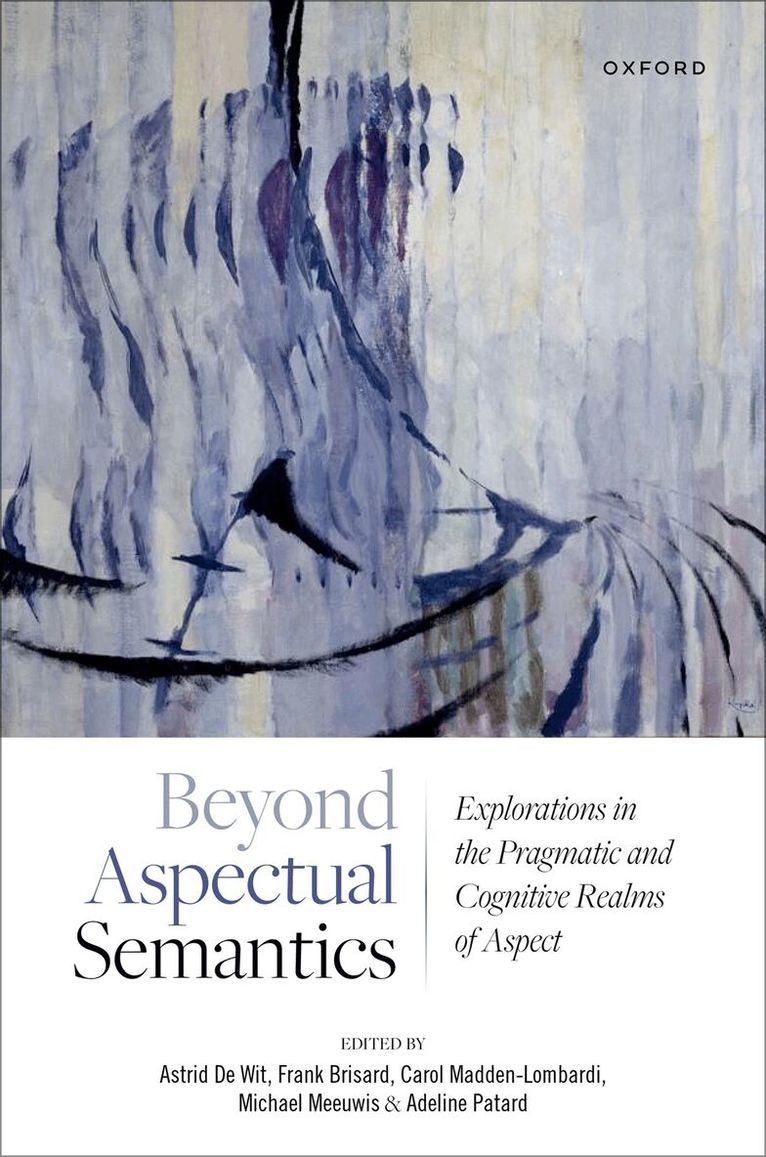
Beyond Aspectual Semantics
Explorations in the Pragmatic and Cognitive Realms of Aspect
Av Astrid De Wit, Frank Brisard m. fl.
Inbunden, 2024
1393 kr
Lägg i varukorg
This volume brings together insights from leading scholars in the field of grammatical aspect to examine the multifaceted nature of this pivotal linguistic resource used to express temporal meaning. The contributors explore the many ways in which linguistic research can move beyond canonical …
The Present Perfective Paradox across Languages
Inbunden, 2016
1918 kr
Lägg i varukorg
This book presents an analysis of how speakers of typologically diverse languages report present-time situations. It begins from the assumption that there is a restriction on the use of the present tense to report present-time dynamic/perfective situations, while with stative/imperfective …