Audra Mitchell - Böcker
Visar alla böcker från författaren Audra Mitchell. Handla med fri frakt och snabb leverans.
7 produkter
7 produkter
1 069 kr
Skickas inom 10-15 vardagar
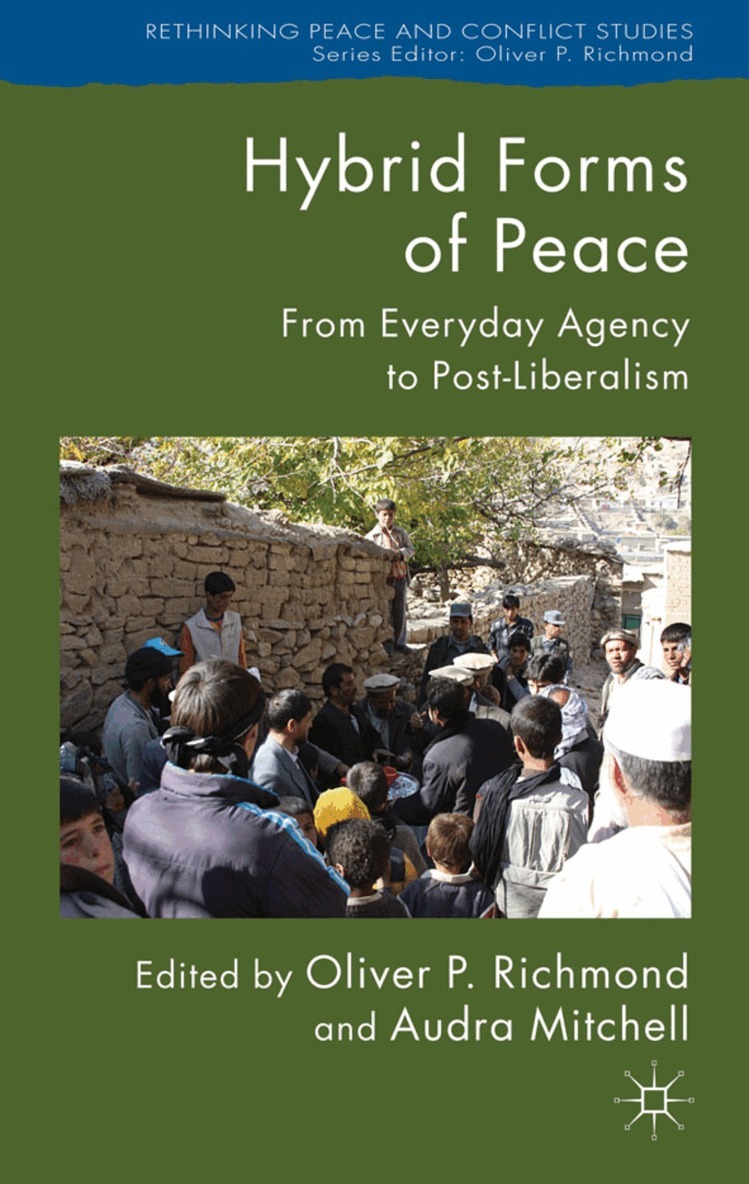
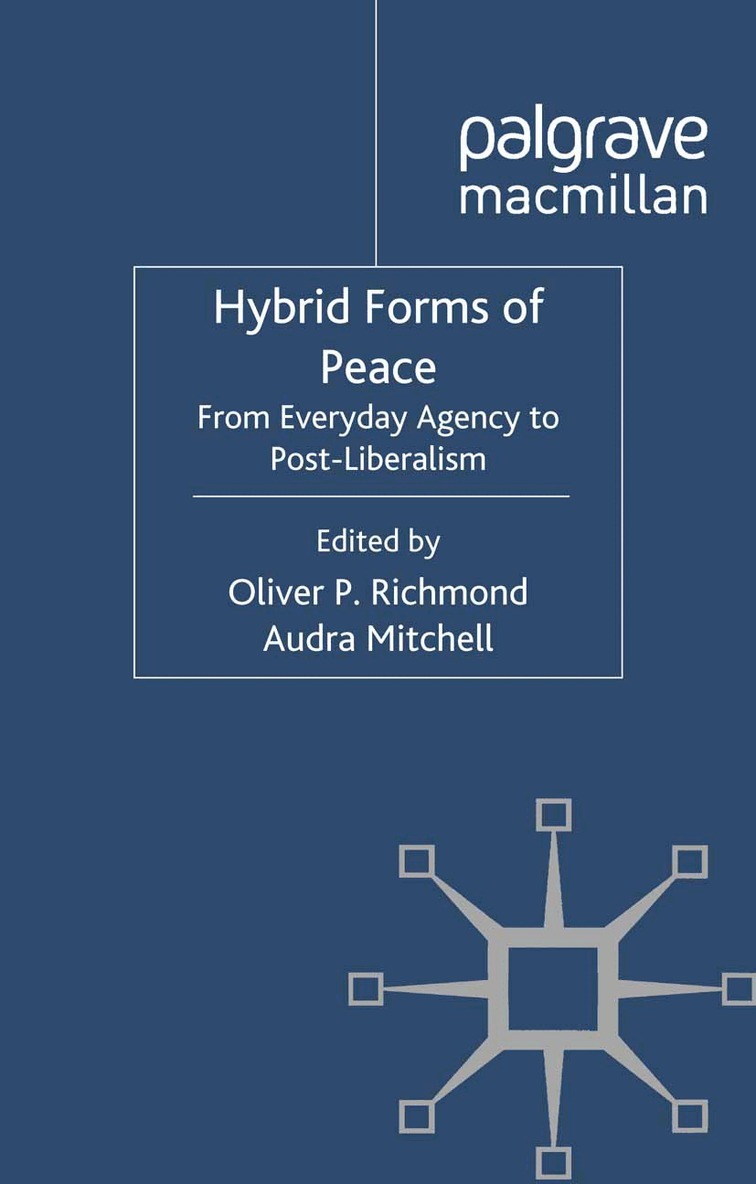
This book examines the role of everyday action in accepting, resisting and reshaping interventions, and the unique forms of peace that emerge from the interactions between local and international actors. Building on critiques of liberal peace-building, it redefines critical peace and conflict studies, based on new research from 16 countries.
2 165 kr
Skickas inom 10-15 vardagar
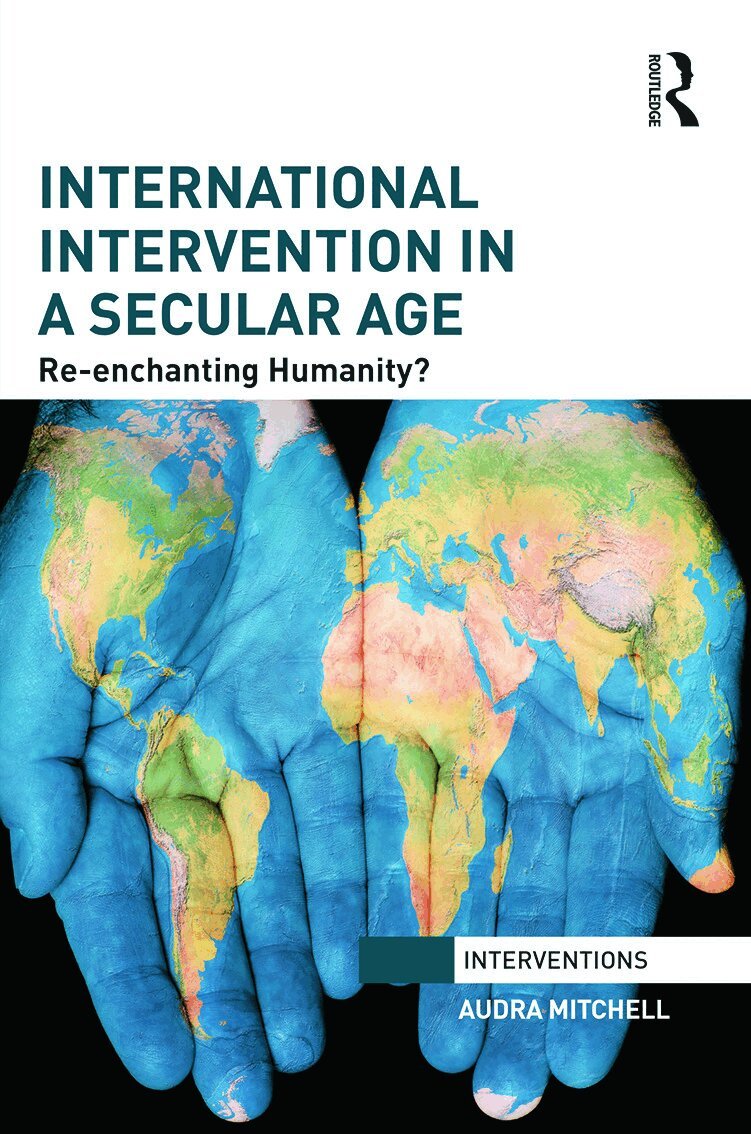
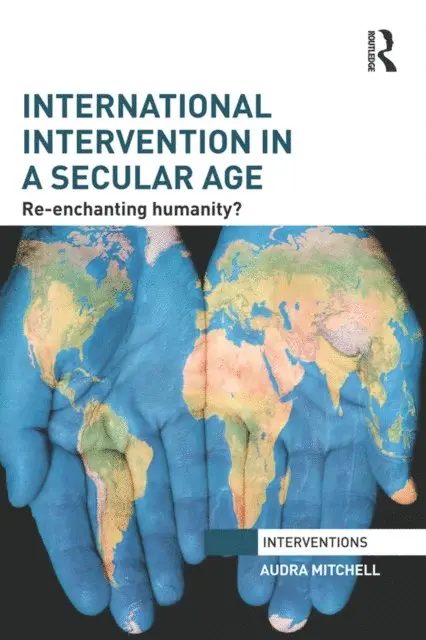
International intervention is not just about ‘saving’ human lives: it is also an attempt to secure humanity’s place in the universe.This book explores the Western secular beliefs that underpin contemporary practices of intervention—most importantly, beliefs about life, death and the dominance of humanity. These beliefs shape a wide range of practices: the idea that human beings should intervene when human lives are at stake; analyses of violence and harm; practices of intervention and peace-building; and logics of killing and letting die. Ironically, however, the Western secular desire to ensure the meaningfulness of human life at all costs contributes to processes of dehumanization, undercutting the basic goals of intervention. To explore this paradox, International Intervention in a Secular Age engages with examples from around the world, and draws on interdisciplinary sources: anthropologies of secularity and IR, posthumanist political philosophy, ontology and the sociology of death.This book offers new insight into perennial problems, such as the reluctance of intervenors to incur fatalities, and international inaction in the face of escalating violence. It also exposes new dilemmas, such as the dehumanizing effects of quantifying casualties, Western secular logics of killing, and the appropriation of lives and deaths through peace-building processes. It will be of great interest to students and scholars of international relations, political philosophy, international ethics and social anthropology.
1 227 kr
Skickas
This book examines the role of everyday action in accepting, resisting and reshaping interventions, and the unique forms of peace that emerge from the interactions between local and international actors. Building on critiques of liberal peace-building, it redefines critical peace and conflict studies, based on new research from 16 countries.
647 kr
Skickas inom 10-15 vardagar
International intervention is not just about ‘saving’ human lives: it is also an attempt to secure humanity’s place in the universe.This book explores the Western secular beliefs that underpin contemporary practices of intervention—most importantly, beliefs about life, death and the dominance of humanity. These beliefs shape a wide range of practices: the idea that human beings should intervene when human lives are at stake; analyses of violence and harm; practices of intervention and peace-building; and logics of killing and letting die. Ironically, however, the Western secular desire to ensure the meaningfulness of human life at all costs contributes to processes of dehumanization, undercutting the basic goals of intervention. To explore this paradox, International Intervention in a Secular Age engages with examples from around the world, and draws on interdisciplinary sources: anthropologies of secularity and IR, posthumanist political philosophy, ontology and the sociology of death.This book offers new insight into perennial problems, such as the reluctance of intervenors to incur fatalities, and international inaction in the face of escalating violence. It also exposes new dilemmas, such as the dehumanizing effects of quantifying casualties, Western secular logics of killing, and the appropriation of lives and deaths through peace-building processes. It will be of great interest to students and scholars of international relations, political philosophy, international ethics and social anthropology.
1 069 kr
Skickas inom 10-15 vardagar
This book examines the role of everyday action in accepting, resisting and reshaping interventions, and the unique forms of peace that emerge from the interactions between local and international actors. Building on critiques of liberal peace-building, it redefines critical peace and conflict studies, based on new research from 16 countries.
1 313 kr
Skickas inom 7-10 vardagar
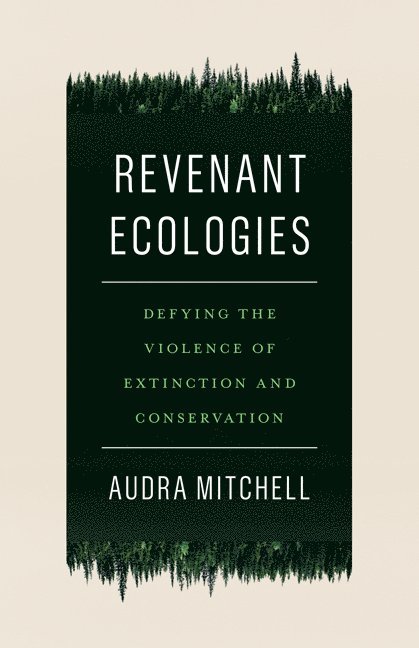
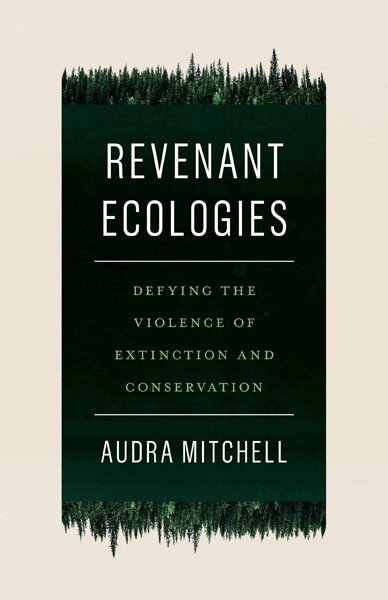
Engaging a broad spectrum of ecological thought to articulate the ethical scale of global extinctionAs global rates of plant and animal extinctions mount, anxieties about the future of the earth’s ecosystems are fueling ever more ambitious efforts at conservation, which draw on Western scientific principles to manage species and biodiversity. In Revenant Ecologies, Audra Mitchell argues that these responses not only ignore but also magnify powerful forms of structural violence like colonialism, racism, genocide, extractivism, ableism, and heteronormativity, ultimately contributing to the destruction of unique life forms and ecosystems. Critiquing the Western discourse of global extinction and biodiversity through the lens of diverse Indigenous philosophies and other marginalized knowledge systems, Revenant Ecologies promotes new ways of articulating the ethical enormity of global extinction. Mitchell offers an ambitious framework-(bio)plurality-that focuses on nurturing unique, irreplaceable worlds, relations, and ecosystems, aiming to transform global ecological–political relations, including through processes of land return and critically confronting discourses on “human extinction.” Highlighting the deep violence that underpins ideas of “extinction,” “conservation,” and “biodiversity,” Revenant Ecologies fuses political ecology, global ethics, and violence studies to offer concrete, practical alternatives. It also foregrounds the ways that multi-life-form worlds are actively defying the forms of violence that drive extinction-and that shape global efforts to manage it. Retail e-book files for this title are screen-reader friendly with images accompanied by short alt text and/or extended descriptions.
320 kr
Skickas inom 7-10 vardagar
Engaging a broad spectrum of ecological thought to articulate the ethical scale of global extinctionAs global rates of plant and animal extinctions mount, anxieties about the future of the earth’s ecosystems are fueling ever more ambitious efforts at conservation, which draw on Western scientific principles to manage species and biodiversity. In Revenant Ecologies, Audra Mitchell argues that these responses not only ignore but also magnify powerful forms of structural violence like colonialism, racism, genocide, extractivism, ableism, and heteronormativity, ultimately contributing to the destruction of unique life forms and ecosystems. Critiquing the Western discourse of global extinction and biodiversity through the lens of diverse Indigenous philosophies and other marginalized knowledge systems, Revenant Ecologies promotes new ways of articulating the ethical enormity of global extinction. Mitchell offers an ambitious framework-(bio)plurality-that focuses on nurturing unique, irreplaceable worlds, relations, and ecosystems, aiming to transform global ecological–political relations, including through processes of land return and critically confronting discourses on “human extinction.” Highlighting the deep violence that underpins ideas of “extinction,” “conservation,” and “biodiversity,” Revenant Ecologies fuses political ecology, global ethics, and violence studies to offer concrete, practical alternatives. It also foregrounds the ways that multi-life-form worlds are actively defying the forms of violence that drive extinction-and that shape global efforts to manage it. Retail e-book files for this title are screen-reader friendly with images accompanied by short alt text and/or extended descriptions.