Audrey A. Trainor – författare
Visar alla böcker från författaren Audrey A. Trainor. Handla med fri frakt och snabb leverans.
10 produkter
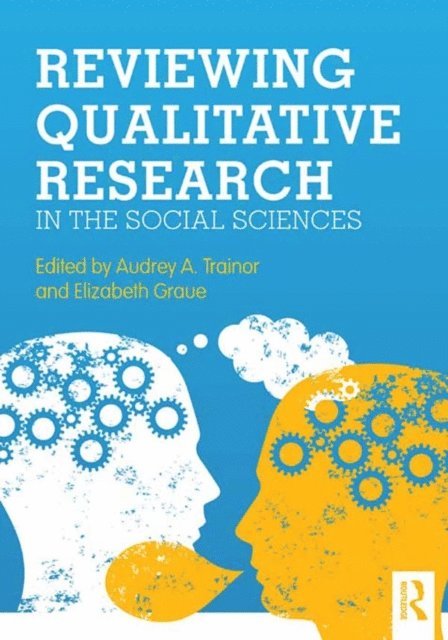
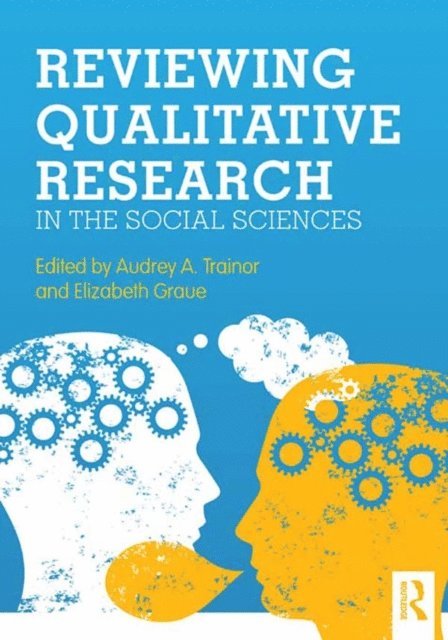
Reviewing Qualitative Research in the Social Sciences
Av Audrey A. Trainor, Elizabeth Graue
Inbunden, 2012
3083 kr
Lägg i varukorg
Foundational characteristics of qualitative research include flexibility, variation in application, critique, and innovation all of which derive from its subjective roots in interpretivism and constructivism. While the scholars who design qualitative research projects envision these qualities as …
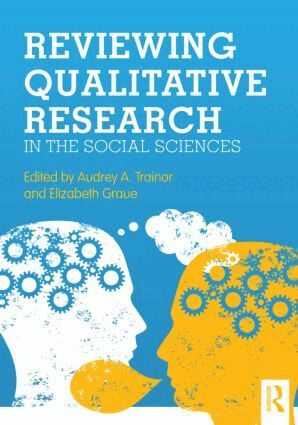
Reviewing Qualitative Research in the Social Sciences
Av Audrey A. Trainor, Elizabeth Graue
Häftad, 2012
1135 kr
Lägg i varukorg
Foundational characteristics of qualitative research include flexibility, variation in application, critique, and innovation all of which derive from its subjective roots in interpretivism and constructivism. While the scholars who design qualitative research projects envision these qualities as …
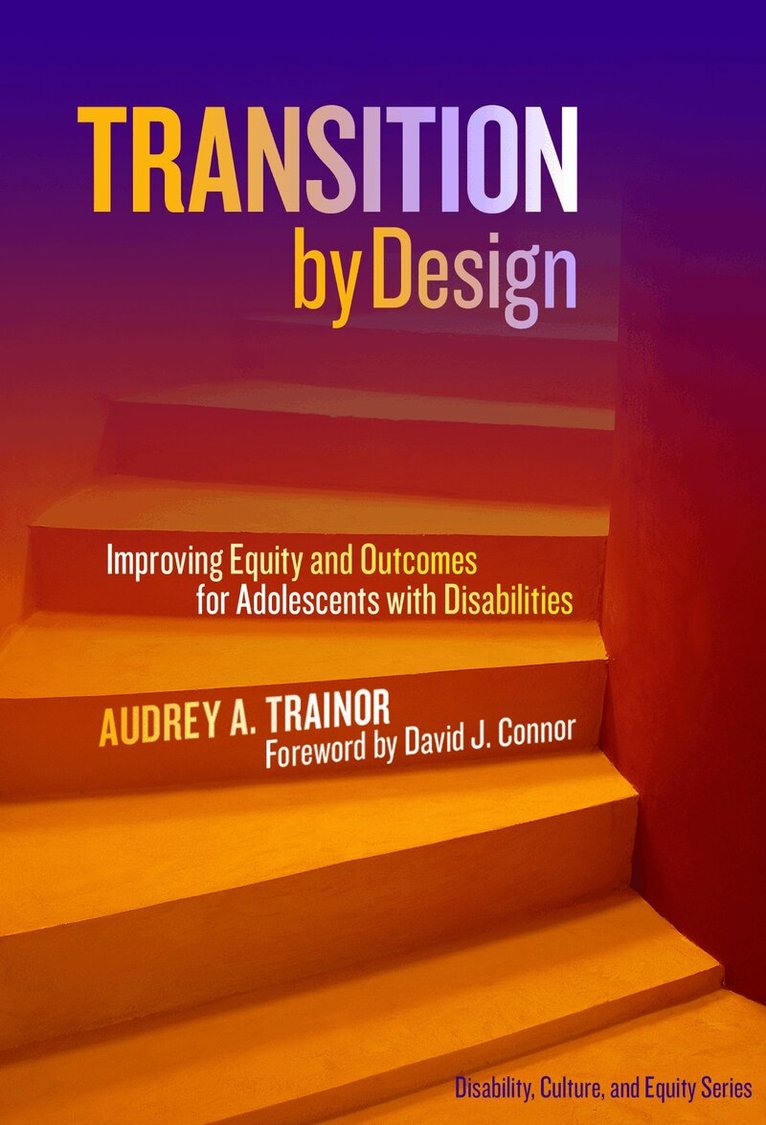
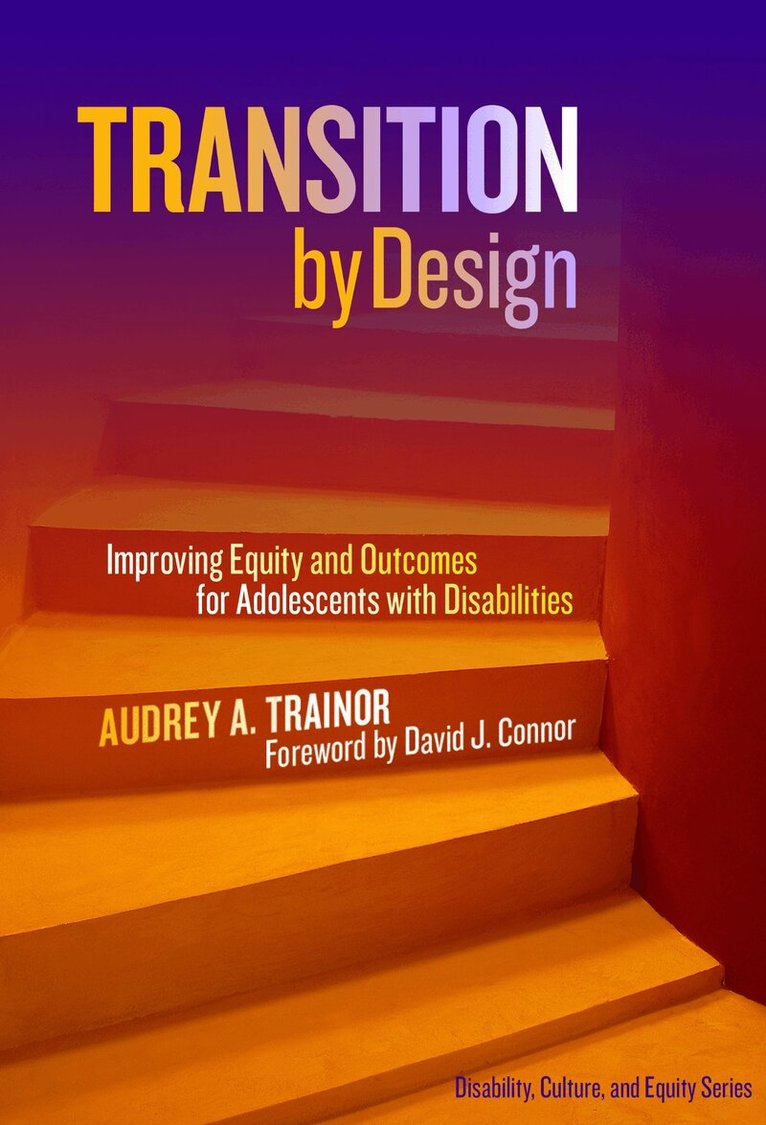
Transition by Design
Improving Equity and Outcomes for Adolescents with Disabilities
Av Audrey A. Trainor, Alfredo J Artiles m. fl.
Häftad, 2017
486 kr
Lägg i varukorg
Transitions to adulthood for adolescents with disabilities are as diverse as the adolescents themselves. While there have been marked improvements for students with disabilities, there is still concern that employment education and independent living outcomes are not equitable across groups of …
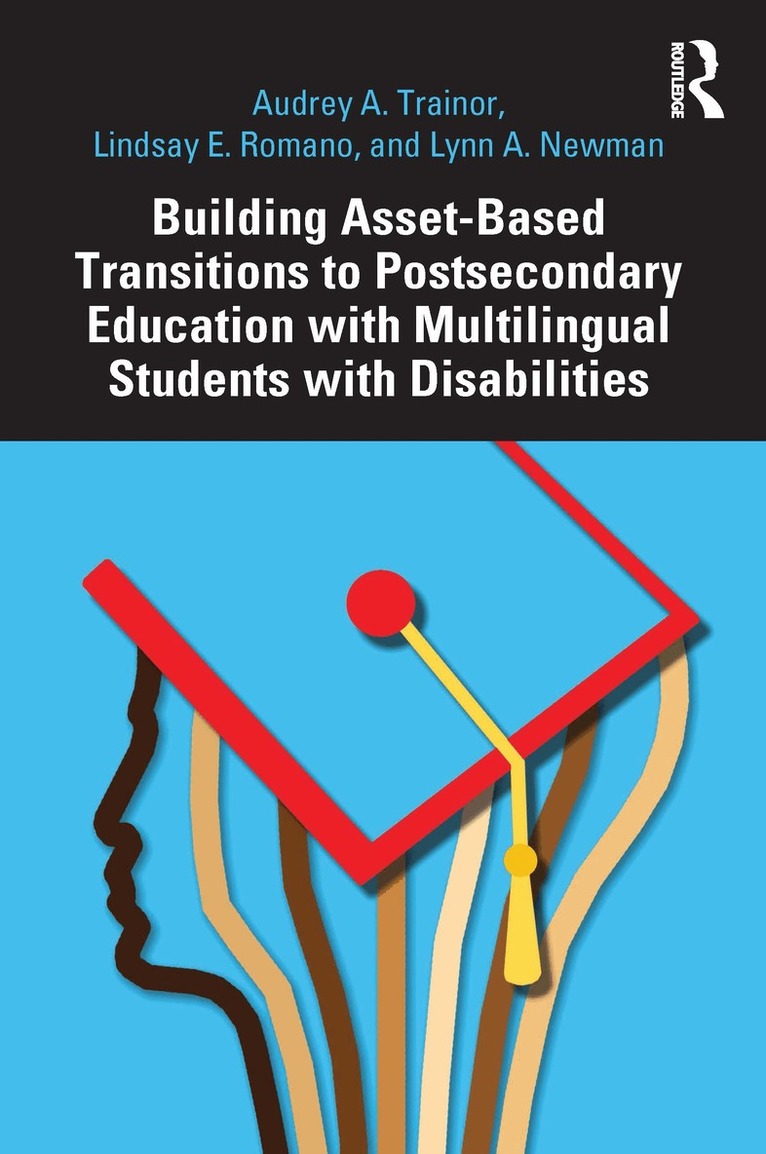
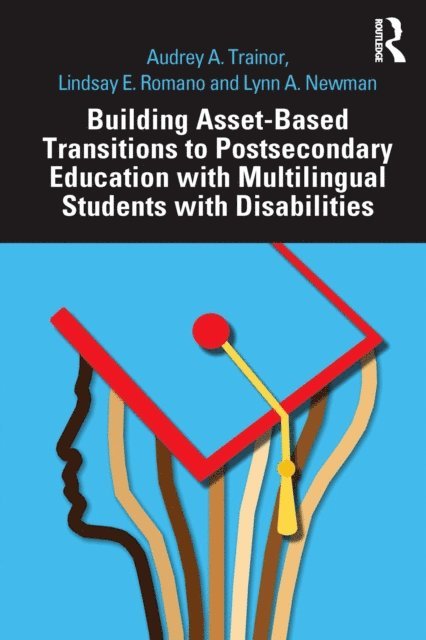
Building Asset-Based Transitions to Postsecondary Education with Multilingual Students with Disabilities
Av Audrey A. Trainor, Lindsay E. Romano m. fl.
Häftad, 2024
675 kr
Lägg i varukorg
This important volume presents the results from a five-year, mixed methods study on the transition from high school to postsecondary education for young adults who, during secondary school, received both English learner and special education services. It aims to improve our understanding of, and …
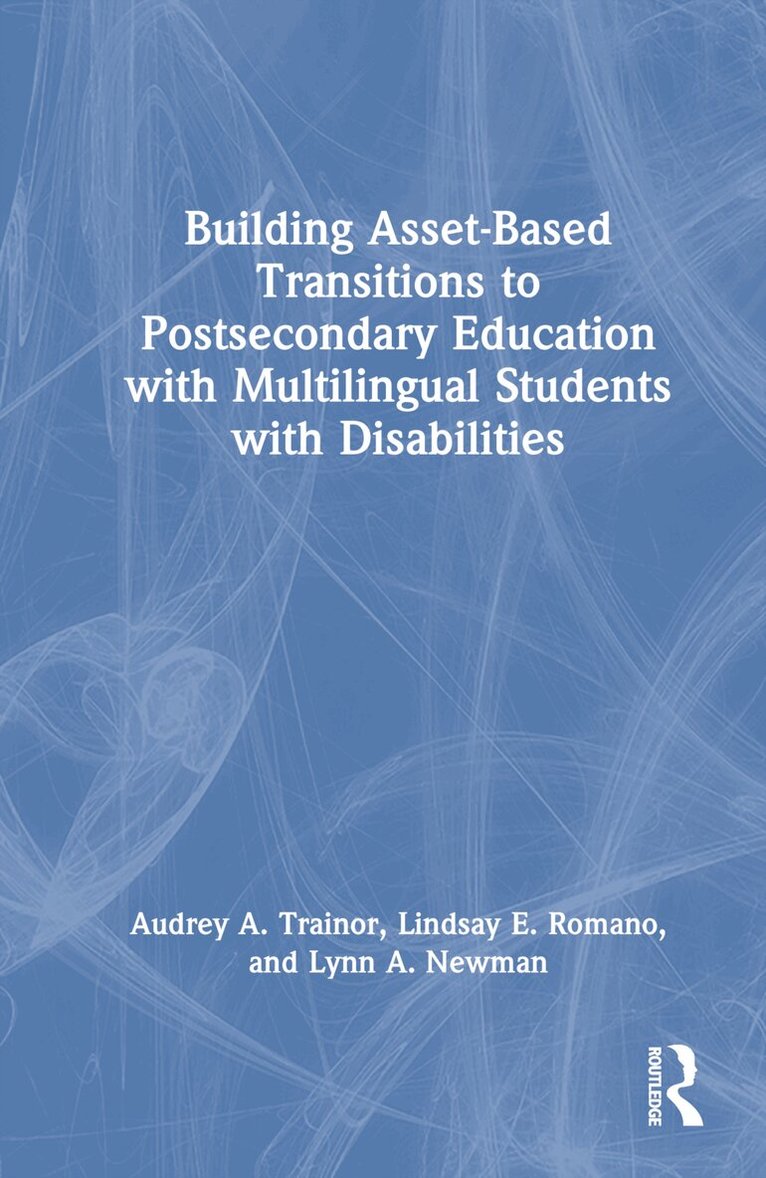
Building Asset-Based Transitions to Postsecondary Education with Multilingual Students with Disabilities
Av Audrey A. Trainor, Lindsay E. Romano m. fl.
Inbunden, 2024
2454 kr
Lägg i varukorg
This important volume presents the results from a five-year, mixed methods study on the transition from high school to postsecondary education for young adults who, during secondary school, received both English learner and special education services. It aims to improve our understanding of, and …
Building Asset-Based Transitions to Postsecondary Education with Multilingual Students with Disabilities
Av Lynn A. Newman, Lindsay E. Romano m. fl.
E-bok, 2024
768 kr
Lägg i varukorg
This important volume presents the results from a five-year, mixed methods study on the transition from high school to postsecondary education for young adults who, during secondary school, received both English learner and special education services. It aims to improve our understanding of, and …
Building Asset-Based Transitions to Postsecondary Education with Multilingual Students with Disabilities
Av Lynn A. Newman, Lindsay E. Romano m. fl.
E-bok, 2024
791 kr
Lägg i varukorg
This important volume presents the results from a five-year, mixed methods study on the transition from high school to postsecondary education for young adults who, during secondary school, received both English learner and special education services. It aims to improve our understanding of, and …
Reviewing Qualitative Research in the Social Sciences
Av Elizabeth Graue, Audrey A. Trainor
E-bok, 2013
1296 kr
Lägg i varukorg
Foundational characteristics of qualitative research include flexibility, variation in application, critique, and innovation all of which derive from its subjective roots in interpretivism and constructivism. While the scholars who design qualitative research projects envision these qualities as …
Reviewing Qualitative Research in the Social Sciences
Av Elizabeth Graue, Audrey A. Trainor
E-bok, 2013
1268 kr
Lägg i varukorg
Foundational characteristics of qualitative research include flexibility, variation in application, critique, and innovation all of which derive from its subjective roots in interpretivism and constructivism. While the scholars who design qualitative research projects envision these qualities as …
Transition by Design
Improving Equity and Outcomes for Adolescents with Disabilities
Av Audrey A. Trainor, Alfredo J Artiles m. fl.
Inbunden, 2017
1060 kr
Tillfälligt slut
Transitions to adulthood for adolescents with disabilities are as diverse as the adolescents themselves. While there have been marked improvements for students with disabilities, there is still concern that employment education and independent living outcomes are not equitable across groups of …