
Aung Si – författare
Visar alla böcker från författaren Aung Si. Handla med fri frakt och snabb leverans.
3 produkter
3 produkter
Inbunden, Engelska, 2015
1 091 kr
Skickas inom 10-15 vardagar
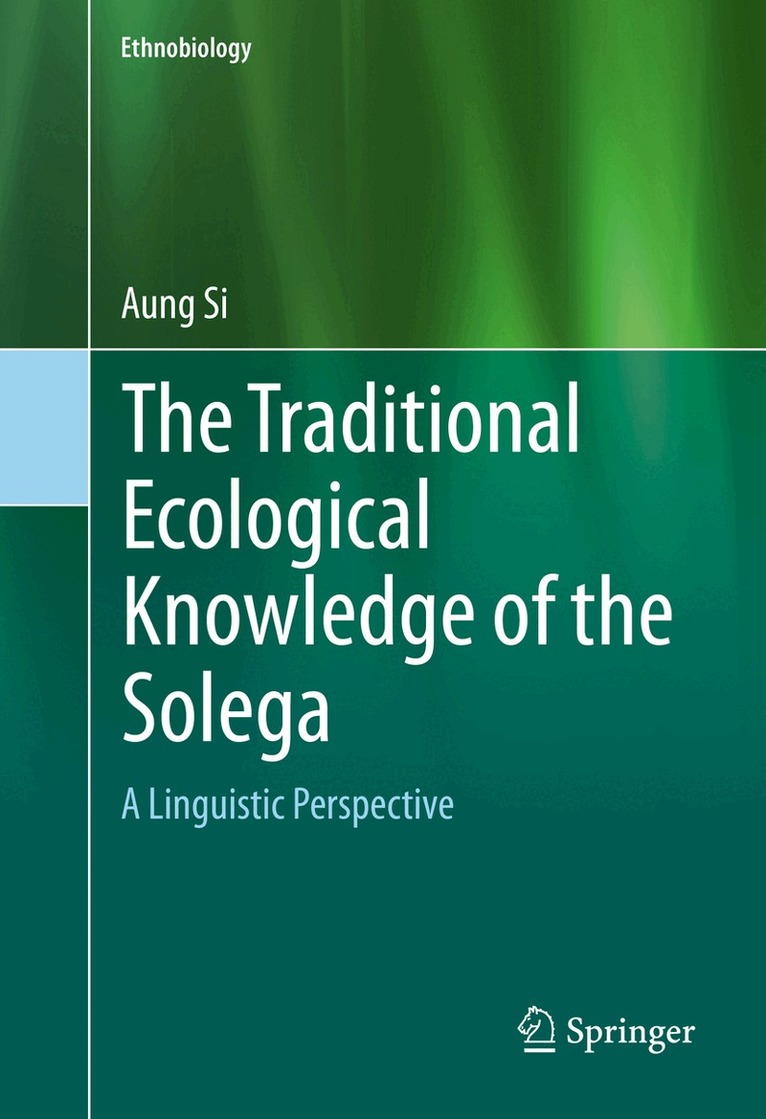
This book covers the ethnobiology and traditional ecological knowledge (TEK) of the Solega people of southern India. Solega TEK is shown to be a complex, inter-related network of detailed observations of natural phenomena, well-reasoned and often highly accurate theorizing, as well as a belief system, derived from cultural norms, regarding the relationships between humans and other species on the one hand, and between non-human species on the other. As language-based studies are strongly biased toward investigations of ethno-taxonomy and nomenclature, the importance of studying TEK in its proper context is discussed as making context and encyclopedic knowledge the objects of study are essential for a proper understanding of TEK.
E-bok
PDF, Engelska, 20151 379 kr
Läs direkt efter köp
This book covers the ethnobiology and traditional ecological knowledge (TEK) of the Solega people of southern India. Solega TEK is shown to be a complex, inter-related network of detailed observations of natural phenomena, well-reasoned and often highly accurate theorizing, as well as a belief system, derived from cultural norms, regarding the relationships between humans and other species on the one hand, and between non-human species on the other. As language-based studies are strongly biased toward investigations of ethno-taxonomy and nomenclature, the importance of studying TEK in its proper context is discussed as making context and encyclopedic knowledge the objects of study are essential for a proper understanding of TEK.
Häftad, Engelska, 2019
1 091 kr
Skickas inom 10-15 vardagar
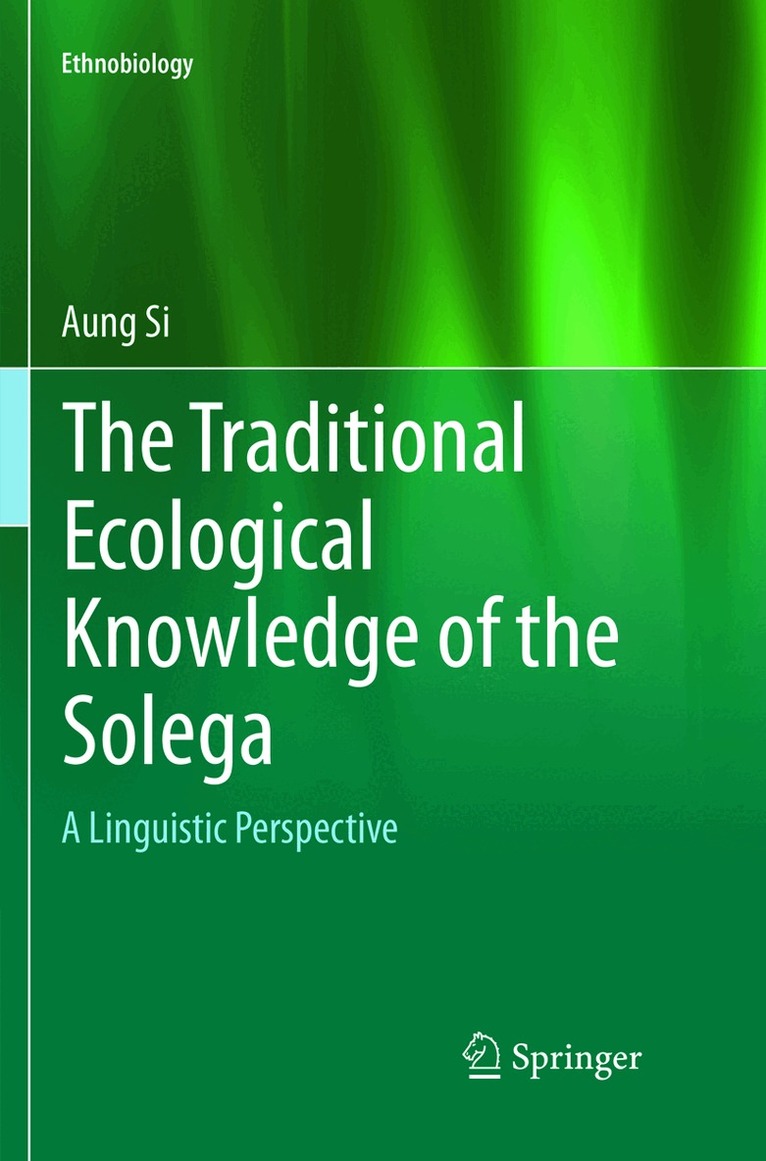
This book covers the ethnobiology and traditional ecological knowledge (TEK) of the Solega people of southern India. Solega TEK is shown to be a complex, inter-related network of detailed observations of natural phenomena, well-reasoned and often highly accurate theorizing, as well as a belief system, derived from cultural norms, regarding the relationships between humans and other species on the one hand, and between non-human species on the other. As language-based studies are strongly biased toward investigations of ethno-taxonomy and nomenclature, the importance of studying TEK in its proper context is discussed as making context and encyclopedic knowledge the objects of study are essential for a proper understanding of TEK.