Aurolyn Luykx - Böcker
Visar alla böcker från författaren Aurolyn Luykx. Handla med fri frakt och snabb leverans.
4 produkter
4 produkter
360 kr
Skickas inom 7-10 vardagar
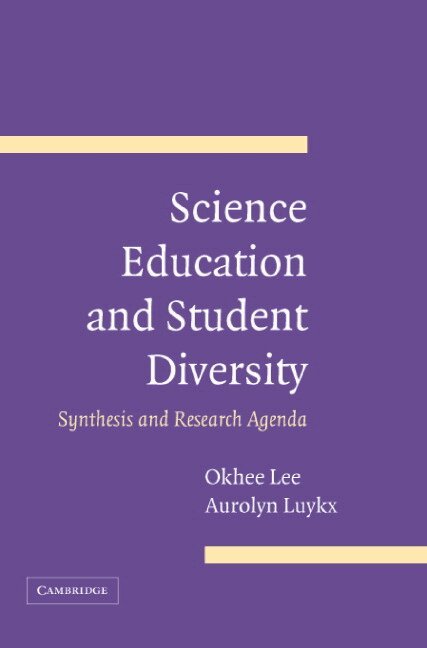
The achievement gaps in science and the under-representation of minorities in science-related fields have long been a concern of the nation. This book examines the roots of this problem by providing a comprehensive, 'state of the field' analysis and synthesis of current research on science education for minority students. Research from a range of theoretical and methodological perspectives is brought to bear on the question of how and why our nation's schools have failed to provide equitable learning opportunities with all students in science education. From this wealth of investigative data, the authors propose a research agenda for the field of science education - identifying strengths and weaknesses in the literature to date as well as the most urgent priorities for those committed to the goals of equity and excellence in science education.
560 kr
Skickas inom 7-10 vardagar
The achievement gaps in science and the under-representation of minorities in science-related fields have long been a concern of the nation. This book examines the roots of this problem by providing a comprehensive, 'state of the field' analysis and synthesis of current research on science education for minority students. Research from a range of theoretical and methodological perspectives is brought to bear on the question of how and why our nation's schools have failed to provide equitable learning opportunities with all students in science education. From this wealth of investigative data, the authors propose a research agenda for the field of science education - identifying strengths and weaknesses in the literature to date as well as the most urgent priorities for those committed to the goals of equity and excellence in science education.
1 088 kr
Tillfälligt slut
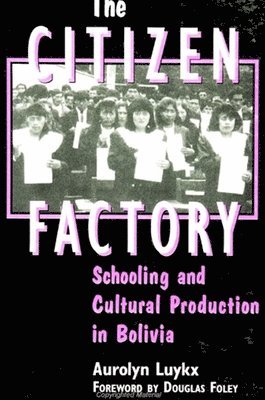
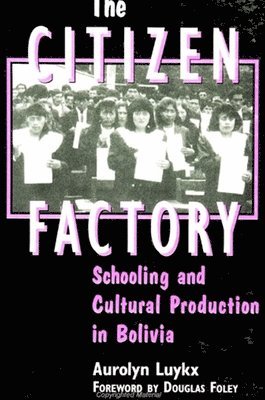
A vivid ethnography of a group of students training to become schoolteachers in Bolivia and the challenges they face as they try to maintain their indigenous identity.This vivid ethnography of Bolivian students explores the challenges they confront as they try to maintain their indigenous identity. In examining how the concrete practices of schooling shape student identities, this book looks at how the discourses and texts produced by students themselves are appropriated toward this end, and how students mobilize their own cultural resources to contest this process, critiquing and subtly transforming the agenda of state-run education. These issues are addressed as they are played out in the lives of young Native South Americans (Aymaras) studying to become rural schoolteachers in Bolivia, the poorest and most "indigenous" of all Latin American countries. It is a vivid ethnographic account of how these students confront the assaults which their professional training wages against their indigenous identity, as they alternately absorb and contest the ethnic, class, and gender images meant to transform them from "Aymara Indians" into "Bolivian citizens."
414 kr
Tillfälligt slut
A vivid ethnography of a group of students training to become schoolteachers in Bolivia and the challenges they face as they try to maintain their indigenous identity.This vivid ethnography of Bolivian students explores the challenges they confront as they try to maintain their indigenous identity. In examining how the concrete practices of schooling shape student identities, this book looks at how the discourses and texts produced by students themselves are appropriated toward this end, and how students mobilize their own cultural resources to contest this process, critiquing and subtly transforming the agenda of state-run education. These issues are addressed as they are played out in the lives of young Native South Americans (Aymaras) studying to become rural schoolteachers in Bolivia, the poorest and most "indigenous" of all Latin American countries. It is a vivid ethnographic account of how these students confront the assaults which their professional training wages against their indigenous identity, as they alternately absorb and contest the ethnic, class, and gender images meant to transform them from "Aymara Indians" into "Bolivian citizens."