Avijit Sarkar - Böcker
Visar alla böcker från författaren Avijit Sarkar. Handla med fri frakt och snabb leverans.
6 produkter
6 produkter
1 163 kr
Skickas inom 3-6 vardagar
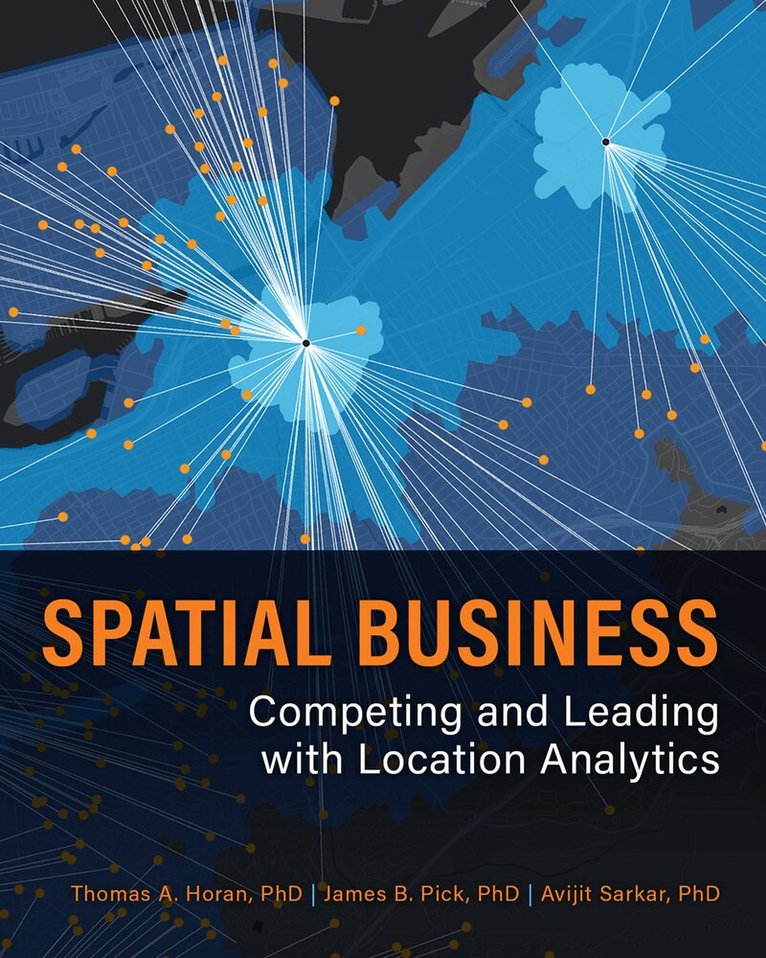
How do companies use location intelligence to achieve competitive advantage and business success?We live in a digital, global economy, and businesses need to know where to source, operate, and market to grow their customer base. Through location analytics and location intelligence, a business can make better-informed decisions and ultimately add value to their organization, their customers, and society. But how do businesses integrate location analytics into their business development, marketing, and operations?Spatial Business: Competing and Leading with Location Analytics examines how location is a key factor in intelligent business decisions and achieving success. Through varied, in-depth, real-world examples, readers learn how location analytics solutions can be designed, deployed, and managed from strategic and operational perspectives.Each chapter of Spatial Business examines how real companies have integrated location into their business intelligence and decision-making. Some key concepts include:The fundamentals of spatial business and the technologies and methods by which businesses can understand the location value chain The creation of spatial business architecture to facilitate location analytics in meeting business goals and needsThe themes of spatial business and implications for practiceWritten by experts in spatial business and designed for managers, professionals, and students at all levels, Spatial Business provides a road map for realizing the potential of geospatial data across the entire business value chain.
1 221 kr
Skickas inom 3-6 vardagar
¿Cómo usan las empresas la inteligencia de ubicación para lograr ventajas competitivas y el éxito empresarial?En la economía digital global en la que vivimos, las empresas necesitan saber dónde obtener recursos, dónde operar y comercializar sus productos y servicios para aumentar su base de clientes. Mediante el análisis de ubicación y la inteligencia de ubicación, una empresa puede tomar decisiones mejor informadas y, en última instancia, agregar valor a su organización, sus clientes y la sociedad. Pero, ¿cómo integran las empresas los análisis de ubicación en el desarrollo, el marketing y las operaciones de la empresa?En El negocio espacial: competir y liderar con análisis de ubicación se examina por qué la ubicación es un factor clave de las decisiones de negocio inteligentes y de la consecución del éxito. Los lectores aprenderán cómo pueden diseñarse, implementarse y gestionarse las soluciones de análisis de ubicación desde puntos de vista operativos y estratégicos por medio de varios ejemplos exhaustivos del mundo real.En cada capítulo de El negocio espacial se examina cómo las empresas reales han integrado la ubicación en su inteligencia de negocio y en la toma de decisiones. Algunos conceptos clave son:· Los fundamentos del negocio espacial y las tecnologías y métodos que permiten a las empresas entender la cadena de valor de ubicación· La creación de la arquitectura del negocio espacial para facilitar el análisis de ubicación en cumplimiento de las necesidades y metas empresariales· Los temas del negocio espacial y las implicaciones para la prácticaEscrito por expertos en el negocio espacial y diseñado para directores, profesionales y estudiantes de todos los niveles, El negocio espacial proporciona una hoja de ruta para aprovechar el potencial de los datos geoespaciales en toda la cadena de valor de ubicación.The Spanish version of Spatial Business (2022) from Esri Press.
220 kr
Skickas inom 5-8 vardagar
Global Digital Divides in the COVID-19 Era
Purposeful Use of the Internet and Technologies
Inbunden, Engelska, 2026
1 553 kr
Skickas inom 3-6 vardagar
This book examines Global Digital Divides prior to, during, and in the aftermath of the COVID-19 pandemic. Estimating socioeconomic influences and pandemic effects, it analyzes spatiotemporal disparities in the access, use, and purposeful uses of information and communications technologies including the internet, AI, and internet-based activities such as e-commerce and social networking. Through its empirical findings and case studies on India’s e-Sanjeevani national telemedicine service or America’s Affordable Connectivity Program (ACP) to increase broadband affordability during the COVID-19 pandemic, this book provides policy recommendations to bridge digital divides and produce beneficial outcomes for information societies all over the world.
1 064 kr
Skickas inom 10-15 vardagar
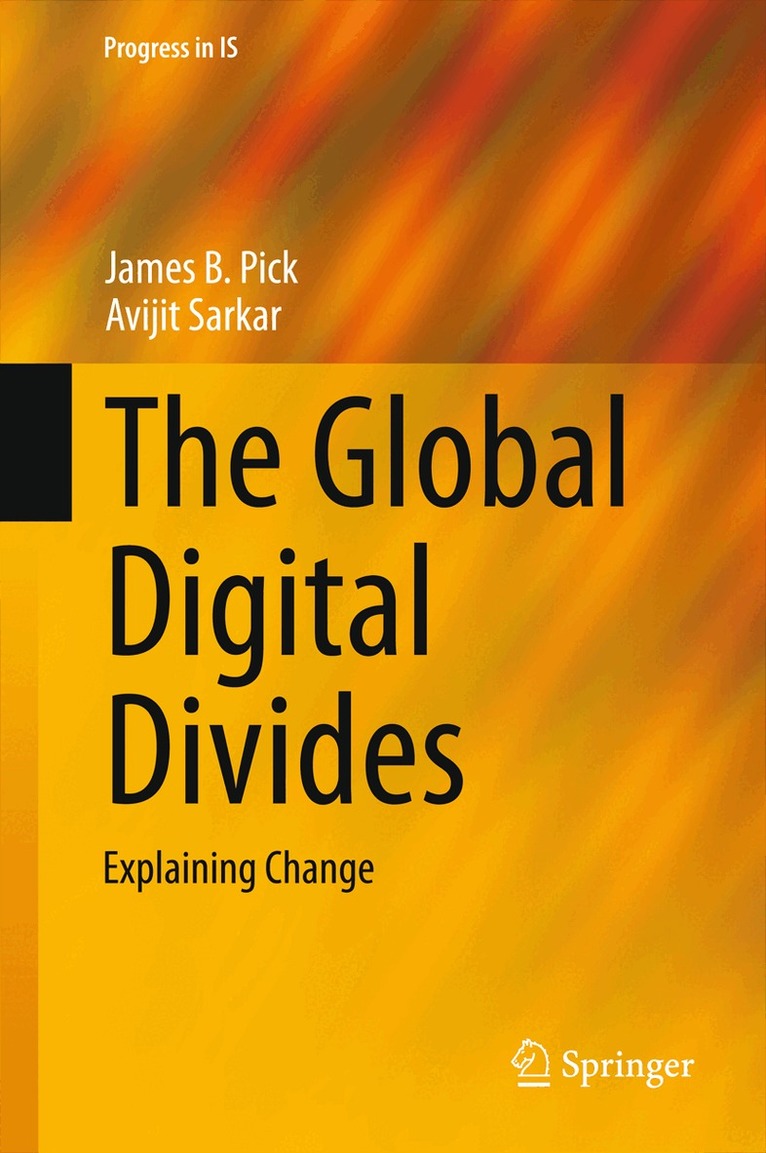
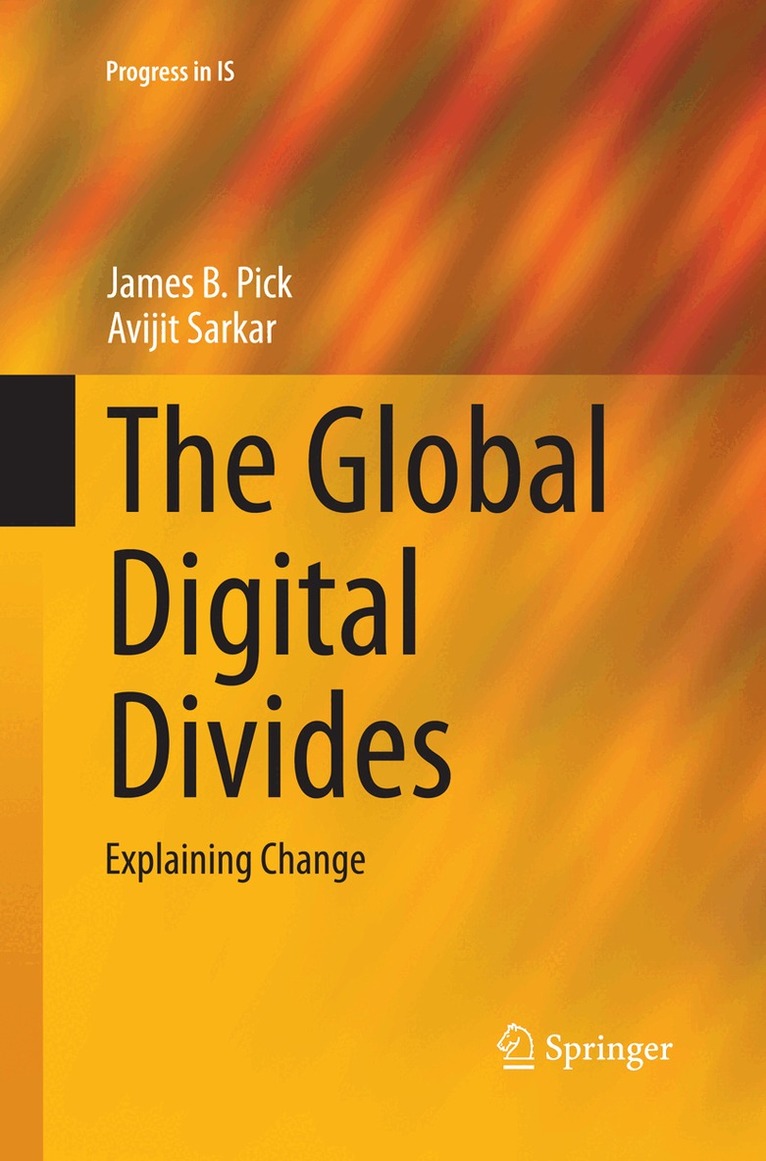
This book analyzes extensive data on the world’s rapidly changing and growing access to, use and geographies of information and communications technologies. It studies not only the spatial differences in technology usage worldwide, but also examines digital differences in the major world nations of China, India, the United States and Japan at the state and provincial levels. At the global level, factors such as education, innovation, judicial independence and investment are important to explaining differences in the adoption and use of technology. The country studies corroborate consistent determinants for technology usage for education, urban location, economic prosperity, and infrastructure, but also reveal unique determinants, such as social capital in the United States and India, exports in China and working age population and patents in Japan. Spatial patterns are revealed that indicate clusters of high and low technology use for various nations around the world, the countriesof Africa and for individual states/provinces within nations. Based on theory, novel findings and phenomena that have remained largely unreported, the book considers the future of the worldwide digital divides, the policy role of governments and the challenges of leadership.
1 064 kr
Skickas inom 10-15 vardagar
This book analyzes extensive data on the world’s rapidly changing and growing access to, use and geographies of information and communications technologies. It studies not only the spatial differences in technology usage worldwide, but also examines digital differences in the major world nations of China, India, the United States and Japan at the state and provincial levels. At the global level, factors such as education, innovation, judicial independence and investment are important to explaining differences in the adoption and use of technology. The country studies corroborate consistent determinants for technology usage for education, urban location, economic prosperity, and infrastructure, but also reveal unique determinants, such as social capital in the United States and India, exports in China and working age population and patents in Japan. Spatial patterns are revealed that indicate clusters of high and low technology use for various nations around the world, the countriesof Africa and for individual states/provinces within nations. Based on theory, novel findings and phenomena that have remained largely unreported, the book considers the future of the worldwide digital divides, the policy role of governments and the challenges of leadership.