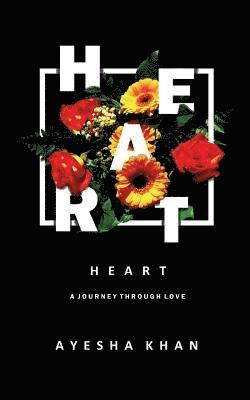
This is a set of poems I have been writing from sometime now. These poems are basically short poems some are in free verse some lyrical. They try to exhibit various emotions of love beauty and chaos . My poems try to touch various parts of our lives which are joyous as well as sad .I hope to entertain my readers and take them to a world which is zealous beautiful striving and struggling and above all teeming with life . The description the imagery the metaphors used bring to life the words. It is the simple the ordinary and the every day humdrum which are the main theme of my poetry.
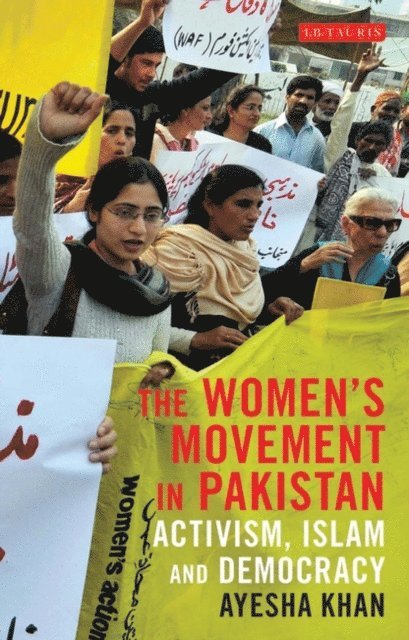
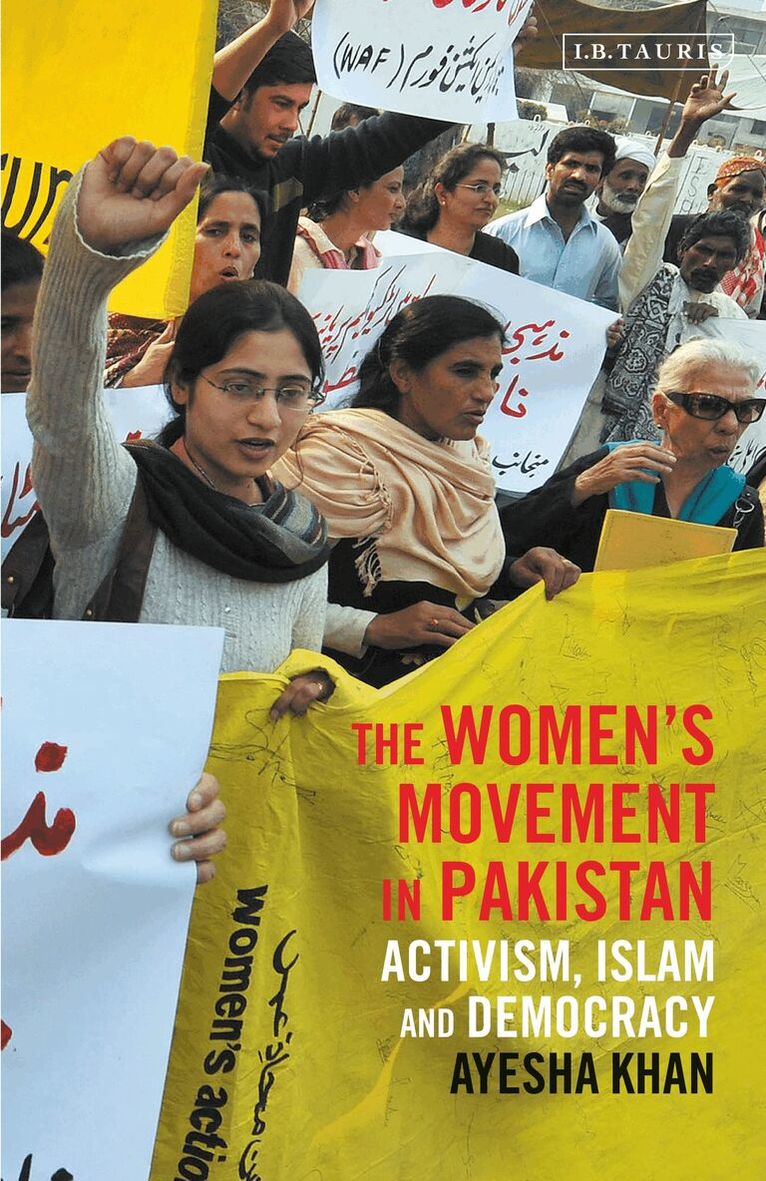
The military rule of General Zia ul-Haq, former President of Pakistan, had significant political repercussions for the country. Islamization policies were far more pronounced and control over women became the key marker of the state's adherence to religious norms. Women's rights activists mobilized as a result, campaigning to reverse oppressive policies and redefine the relationship between state, society and Islam. Their calls for a liberal democracy led them to be targeted and suppressed. This book is a history of the modern women's movement in Pakistan. The research is based on documents from the Women's Action Forum archives, court judgments on relevant cases, as well as interviews with activists, lawyers and judges and analysis of newspapers and magazines. Ayesha Khan argues that the demand for a secular state and resistance to Islamization should not be misunderstood as Pakistani women sympathizing with a western agenda. Rather, their work is a crucial contribution to the evolution of the Pakistani state. The book outlines the discriminatory laws and policies that triggered domestic and international outcry, landmark cases of sexual violence that rallied women activists together and the important breakthroughs that enhanced women's rights. At a time when the women's movement in Pakistan is in danger of shrinking, this book highlights its historic significance and its continued relevance today.