Aysha Divan - Böcker
Visar alla böcker från författaren Aysha Divan. Handla med fri frakt och snabb leverans.
5 produkter
5 produkter
108 kr
Skickas inom 5-8 vardagar
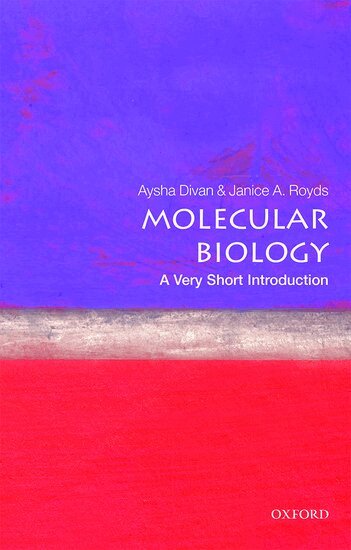
Molecular Biology is the story of the molecules of life, their relationships, and how these interactions are controlled. It is an expanding field in life sciences, and its applications are wide and growing. We can now harness the power of molecular biology to treat diseases, solve crimes, map human history, and produce genetically modified organisms and crops, and these applications have sparked a multitude of fascinating legal and ethical debates.In this Very Short Introduction, Aysha Divan and Janice Royds examine the history, present, and future of Molecular Biology. Starting with the building blocks established by Darwin, Wallace and Mendel, and the discovery of the structure of DNA in 1953, they consider the wide range of applications for Molecular Biology today, including the development of new drugs, and forensic science. They also look forward to two key areas of evolving research such as personalised medicine and synthetic biology.ABOUT THE SERIES: The Very Short Introductions series from Oxford University Press contains hundreds of titles in almost every subject area. These pocket-sized books are the perfect way to get ahead in a new subject quickly. Our expert authors combine facts, analysis, perspective, new ideas, and enthusiasm to make interesting and challenging topics highly readable.
344 kr
Skickas inom 5-8 vardagar
Written primarily for mid-to-upper level undergraduates, this primer will introduce students to topics at the forefront of the subject that are being applied to probe biological problems, or to address the most pressing issues facing society. These topics will include those that form the cornerstone of contemporary research, helping students to make the transition to active researcher. This primer provides an overview of the complex processes underpinning cancer development and progression along with a summary of cancer treatment strategies, emphasising the development of targeted molecular therapies and the opportunities they provide.It takes a contemporary and integrated approach, encompassing debates on genetics, epigenetics, and cancer addictions, and highlighting the remaining challenges and future research directions to advance the field.
344 kr
Skickas inom 5-8 vardagar
Written primarily for 16-to-19-year-old students, this primer provides a highly accessible overview of key milestones in the history of cancer research, our current understanding of the disease, and future directions in its diagnosis and treatment.The Cancer Challenge introduces students to key concepts in the study of cancer, explaining how cancers develop and covering a variety of approaches to their diagnosis and treatment. Discussions of new approaches to preventing cancers, screening programmes, and innovations in diagnosis that draw on AI provide insights into current developments in cancer research and how they benefit patients.Key featuresbl Oxford Biology Primers are the only resource to introduce prospective and current students of undergraduate-level bioscience to a range of topics from this dynamic experimental science, enticing readers to study furtherbl Its titles directly support two key transitions in the student journey: from school to undergraduate-level study, and from undergraduate to independent researcherbl Its modular format offers a high degree of flexibility, with teachers being able to draw on specific volumes that augment the post-16 curriculum, university lecturers being able to draw on specific volumes at different stages of the undergraduate curriculum, and with materials from the series being available for access in both print and digital formatsbl The Cancer Challenge is available for students and institutions to purchase in a variety of formats: the e-book and Science Trove offer a mobile experience and convenient access along with functionality tools, navigation features, and links that offer extra learning support. For more information about e-books, please visit www.oxfordtextbooks.co.uk/ebooks
687 kr
Skickas inom 5-8 vardagar
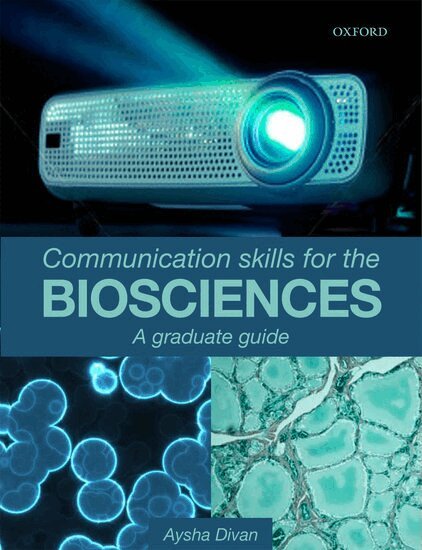
Effective scientific communication is a skill highly-prized by potential employers, and is central to success during postgraduate study.Communication Skills for the Biosciences is a straightforward, practical guide to the skills you should master to get the most out of your study and research, to pave the way to a successful career.Focusing on the three key modes of communication - written, oral, and visual - the book also includes valuable advice on associated topics, including peer review, data sharing, data ownership, plagiarism, critical review of scientific information and the role of e-technology.Uniquely, the book incorporates annotated examples, bringing to life the guidance and explanations presented in the text, and helping you to master best practice in all areas of science communication.Communication Skills for the Biosciences is a must-have companion throughout your postgraduate career.Online Resource CentreThe Online Resource Centre to accompany Communication Skills for the Biosciences features:For registered adopters of the book:Figures from the book in electronic format, ready to download.PowerPoint slides that can be adapted and used as the basis for workshops or lectures.For students:Examples of best practice in the use of Powerpoint, and preparation of posters.
752 kr
Skickas inom 5-8 vardagar
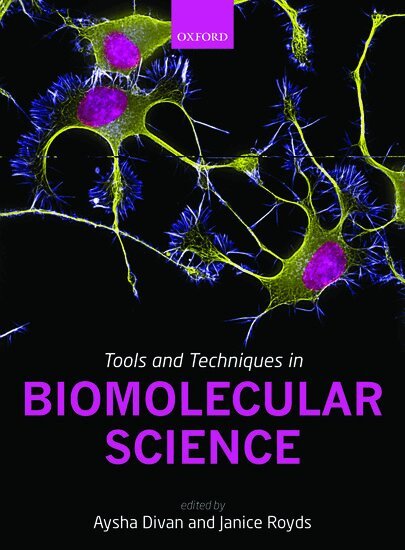
Tools and Techniques in the Biomolecular Sciences reviews the theoretical concepts and experimental details underpinning the broad range of modern technologies that are currently being used to advance our understanding of the biomolecular sciences. Each chapter focuses on the theoretical principles of a given technology, and its applications and limitations, before using worked examples to illustrate the nature of the data a particular technique generates. Fostering active engagement with the techniques presented, each chapter uses worked examples and problems to encourage the reader to critically appraise scientific data and select the most appropriate methods when designing an experimental strategy to undertake their own research. Its straightforward style and clear explanations make Tools and Techniques in the Biomolecular Sciences the ideal resource for any student or early-stage researcher who is looking to develop a firm understanding of the range of experimental tools at their disposal.Online Resource Centre:For registered adopters:Figures from the book in electronic formatFor students:Additional questions for students, with model answersJournal Clubs - selected papers and discussion papers related to topics featured in the book