Azim U. Mallik – författare
Visar alla böcker från författaren Azim U. Mallik. Handla med fri frakt och snabb leverans.
6 produkter
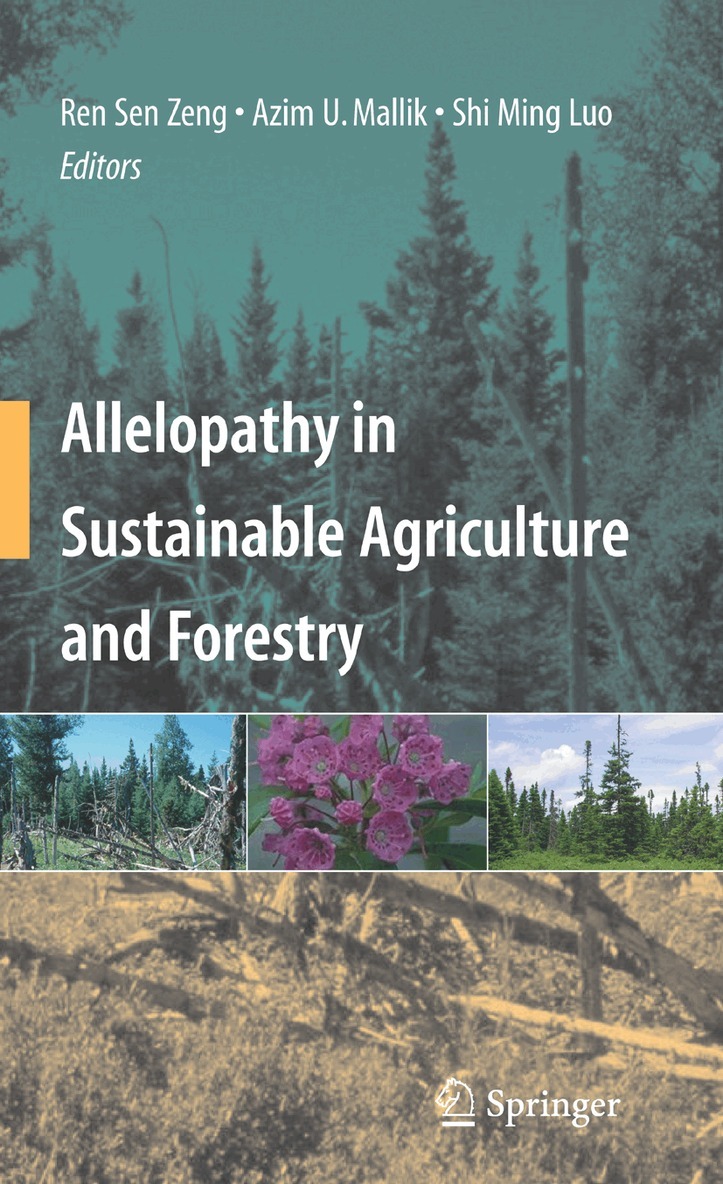
Allelopathy in Sustainable Agriculture and Forestry
Av Ren Sen Zeng, Azim U. Mallik m. fl.
Inbunden, 2008
2185 kr
Lägg i varukorg
Simply put, allelopathy refers to an ecological phenomenon of plant-plant interference through release of organic chemicals (allelochemicals) in the environment. These chemicals can be directly and continuously released by the donor plants in their immediate environment as volatiles in the air or …
Allelopathy in Sustainable Agriculture and Forestry
Av Shiming Luo, Azim U. Mallik m. fl.
E-bok, 2008
2925 kr
Lägg i varukorg
Simply put, allelopathy refers to an ecological phenomenon of plant-plant interference through release of organic chemicals (allelochemicals) in the environment. These chemicals can be directly and continuously released by the donor plants in their immediate environment as volatiles in the air or …
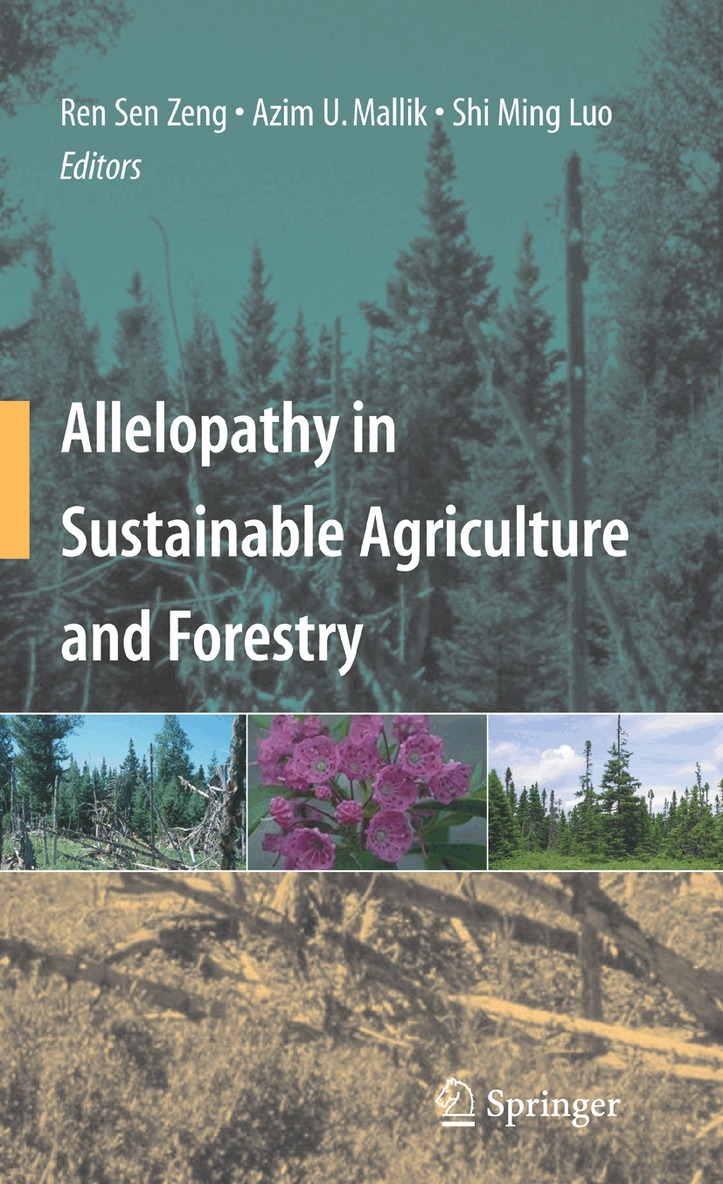
Allelopathy in Sustainable Agriculture and Forestry
Av Ren Sen Zeng, Azim U. Mallik m. fl.
Häftad, 2010
2185 kr
Lägg i varukorg
Simply put, allelopathy refers to an ecological phenomenon of plant-plant interference through release of organic chemicals (allelochemicals) in the environment. These chemicals can be directly and continuously released by the donor plants in their immediate environment as volatiles in the air or …
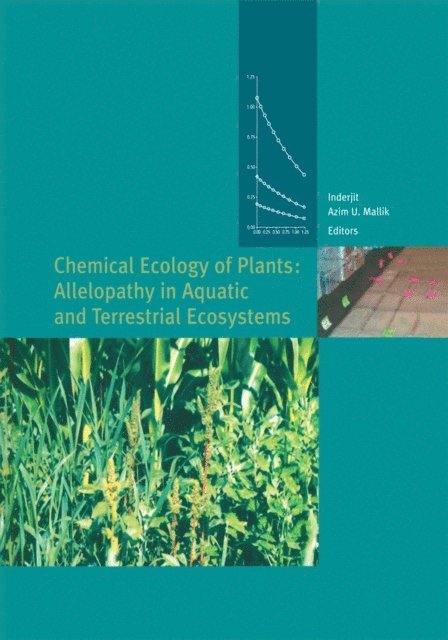
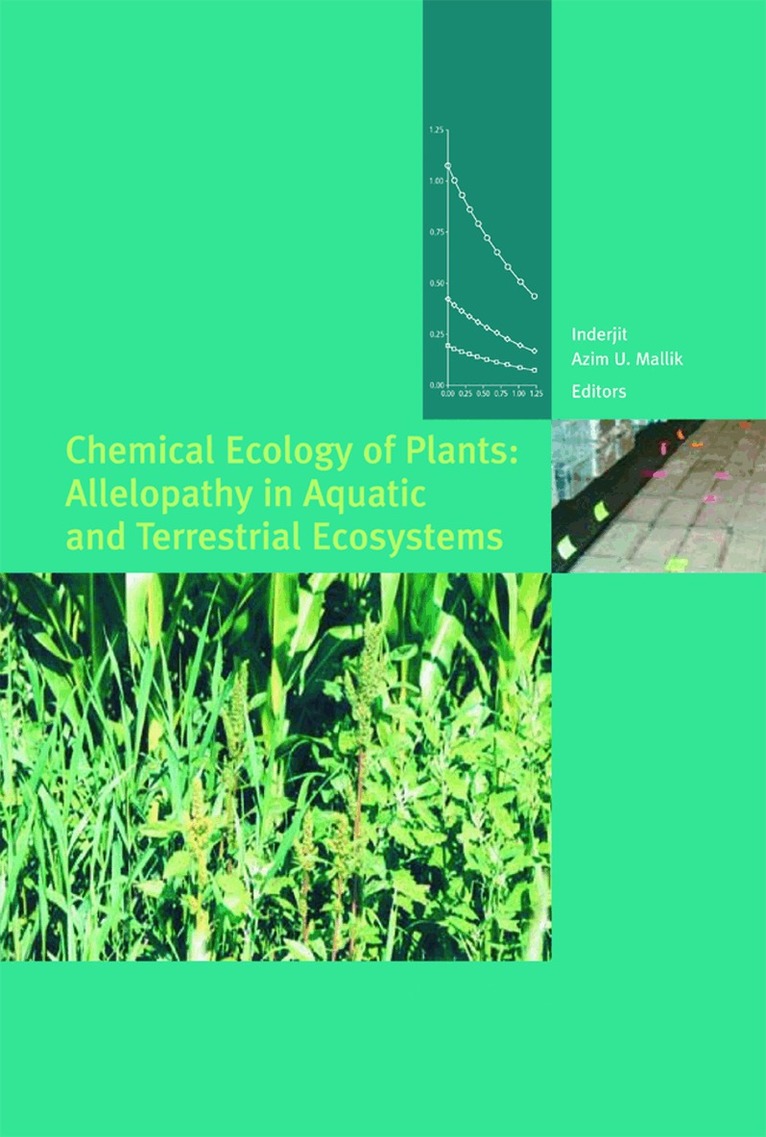
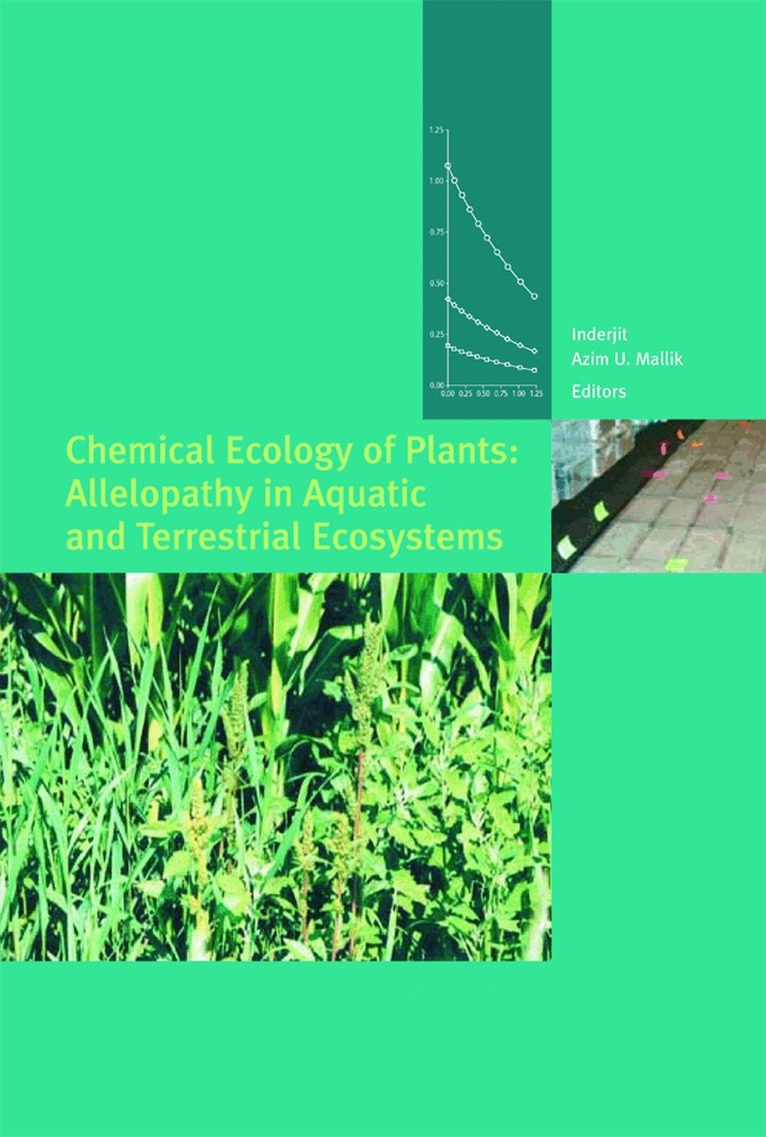
Chemical Ecology of Plants: Allelopathy in Aquatic and Terrestrial Ecosystems
E-bok, 2012
1413 kr
Lägg i varukorg
Allelochemicals play a great role in managed and natural ecosystems. Apart from plant growth, allelochemicals also may influence nutrient dynamics, mycorrhizae, soil chemical characteristics, and microbial ecology. Synergistic action of various factors may better explain plant growth and …
Chemical Ecology of Plants: Allelopathy in Aquatic and Terrestrial Ecosystems
Häftad, 2012
1205 kr
Lägg i varukorg
Allelochemicals play a great role in managed and natural ecosystems. Apart from plant growth, allelochemicals also may influence nutrient dynamics, mycorrhizae, soil chemical characteristics, and microbial ecology. Synergistic action of various factors may better explain plant growth and …
Chemical Ecology of Plants: Allelopathy in Aquatic and Terrestrial Ecosystems
Inbunden, 2002
1096 kr
Lägg i varukorg
Allelochemicals play a great role in managed and natural ecosystems. Apart from plant growth, allelochemicals also may influence nutrient dynamics, mycorrhizae, soil chemical characteristics, and microbial ecology. Synergistic action of various factors may better explain plant growth and …