B. W. Higman – författare
Visar alla böcker från författaren B. W. Higman. Handla med fri frakt och snabb leverans.
17 produkter
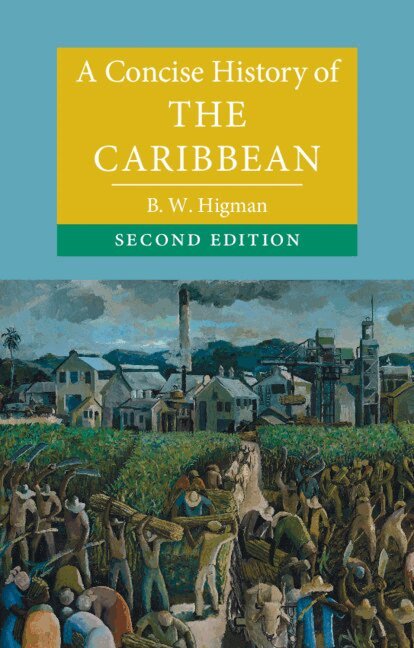
A Concise History of the Caribbean
Av B. W. Higman
Inbunden, 2021
1391 kr
Lägg i varukorg
A Concise History of the Caribbean offers a comprehensive interpretation of the history of the Caribbean islands from the beginning of human settlement to the present. It narrates processes of early human migration, the disastrous consequences of European colonisation, the development of slavery …
Concise History of the Caribbean
Av B. W. Higman
E-bok, 2021
411 kr
Lägg i varukorg
A Concise History of the Caribbean offers a comprehensive interpretation of the history of the Caribbean islands from the beginning of human settlement to the present. It narrates processes of early human migration, the disastrous consequences of European colonisation, the development of slavery …
Concise History of the Caribbean
Av B. W. Higman
E-bok, 2021
411 kr
Lägg i varukorg
A Concise History of the Caribbean offers a comprehensive interpretation of the history of the Caribbean islands from the beginning of human settlement to the present. It narrates processes of early human migration, the disastrous consequences of European colonisation, the development of slavery …
A Concise History of the Caribbean
Av B. W. Higman
Häftad, 2021
401 kr
Lägg i varukorg
A Concise History of the Caribbean offers a comprehensive interpretation of the history of the Caribbean islands from the beginning of human settlement to the present. It narrates processes of early human migration, the disastrous consequences of European colonisation, the development of slavery …
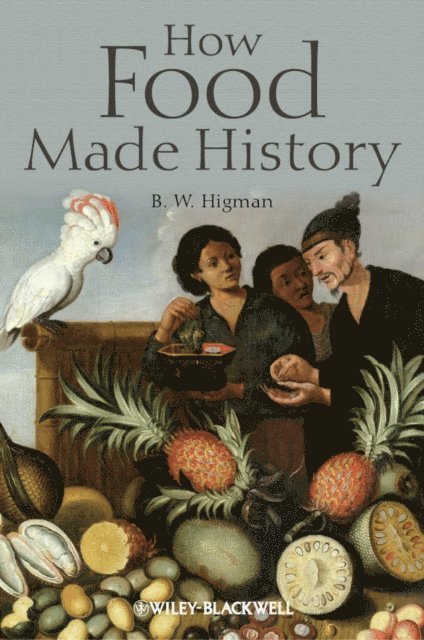
How Food Made History
Av B. W. Higman
Häftad, 2011
394 kr
Lägg i varukorg
Covering 5,000 years of global history, How Food Made History traces the changing patterns of food production and consumption that have molded economic and social life and contributed fundamentally to the development of government and complex societies. Charts the changing technologies that have …
How Food Made History
Av B. W. Higman
Inbunden, 2011
988 kr
Lägg i varukorg
Covering 5,000 years of global history, How Food Made History traces the changing patterns of food production and consumption that have molded economic and social life and contributed fundamentally to the development of government and complex societies. Charts the changing technologies that have …
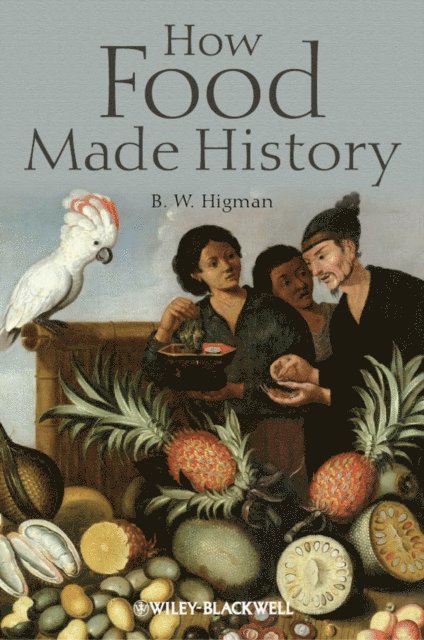
How Food Made History
Av B. W. Higman
E-bok, 2011
1191 kr
Lägg i varukorg
Covering 5,000 years of global history, How Food Made History traces the changing patterns of food production and consumption that have molded economic and social life and contributed fundamentally to the development of government and complex societies. Charts the changing technologies that have …
How Food Made History
Av B. W. Higman
E-bok, 2011
453 kr
Lägg i varukorg
Covering 5,000 years of global history, How Food Made History traces the changing patterns of food production and consumption that have molded economic and social life and contributed fundamentally to the development of government and complex societies. Charts the changing technologies that have …
Flatness
Av B. W. Higman
Inbunden, 2017
196 kr
Lägg i varukorg
The modern world is dominated by flat surfaces. We write, print and project on flat paper or flat screens, which we stare at all day. We inhabit spaces constructed from flat materials. We play sport on level fields. Engineered planar surfaces have become so pervasive and fundamental to behaviour …
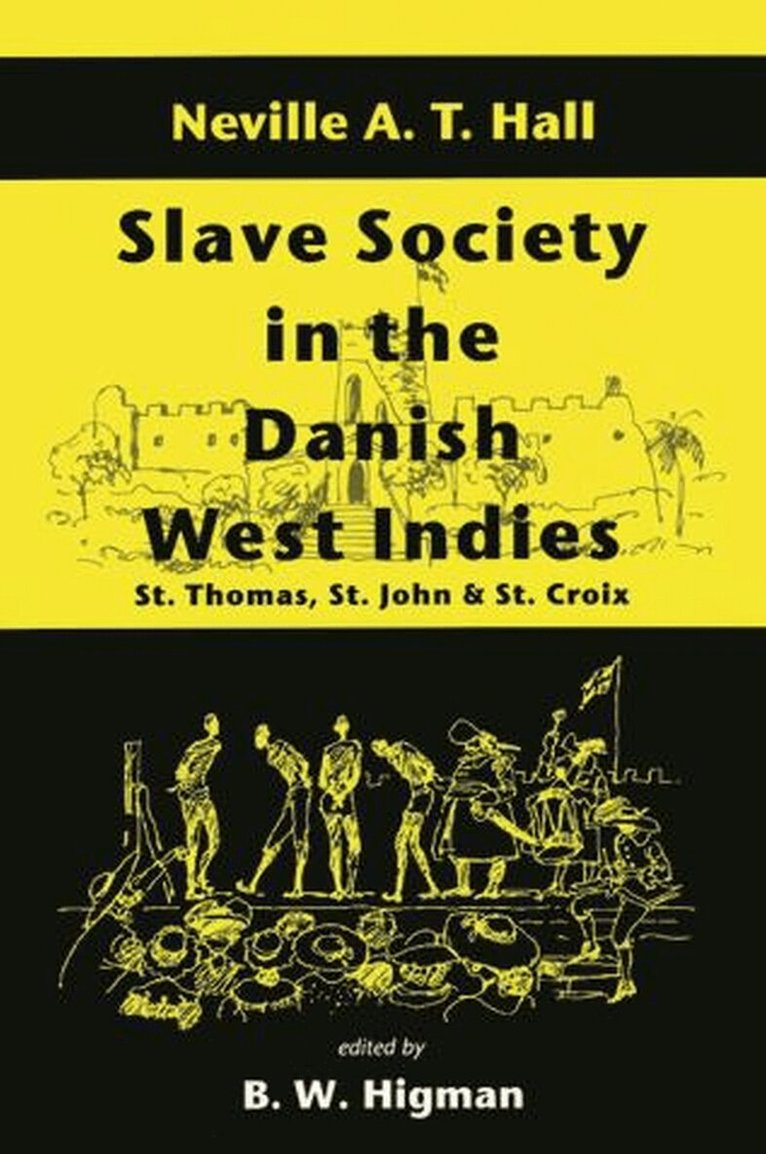
Slave Society in the Danish West Indies
St. Thomas, St. John and St. Croix
Av Neville A.T. Hall, B. W. Higman
Häftad, 1994
283 kr
Lägg i varukorg
This volume is an account of the development and destruction of slavery in St Thomas, St John and St Croix, the Caribbean islands which today comprise the US Virgin Islands. The book sees slavery as fundamental to the entire fabric of colonial society, and pays particular attention to the social …
Montpelier, Jamaica
A Plantation Community in Slavery and Freedom 1739-1912
Av B. W. Higman
Häftad, 2004
645 kr
Lägg i varukorg
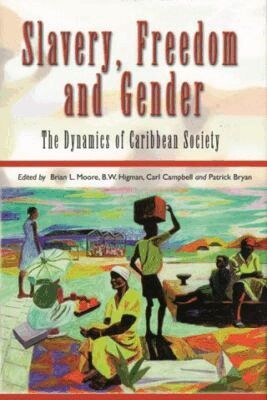
Slavery, Freedom and Gender
The Dynamics of Caribbean Society
Av Brian L. Moore, B. W. Higman m. fl.
Häftad, 2003
399 kr
Lägg i varukorg
A collection of lectures delivered between 1987 and 1998. The book is divided into two sections: slavery and freedom, which features critical research on slavery and post-emancipation society, and gender.
West Indian Business History
Enterprise and Entrepreneurship
Av B. W. Higman, Kathleen E. A. Monteith
Häftad, 2010
471 kr
Lägg i varukorg
Proslavery Priest
The Atlantic World of John Lindsay, 1729-1788
Av B. W. Higman
Inbunden, 2011
869 kr
Lägg i varukorg
How Food Made History
Av B. W. Higman
2011
889 kr
Tillfälligt slut
Covering 5,000 years of global history, How Food Made History traces the changing patterns of food production and consumption that have molded economic and social life and contributed fundamentally to the development of government and complex societies. * Charts the changing technologies that have …
Jamaican Food
History, Biology, Culture
Av B W Higman
Inbunden, 2008
927 kr
Tillfälligt slut
Why people eat what they do and how they prepare it is an important means of studying a culture. This work reveals food and cultural practices in Jamaica from the time of the earliest Taino inhabitants through the introduction of different foodways by enslaved cultures, to creole adaptations to the …