Barbara Abbott – författare
Visar alla böcker från författaren Barbara Abbott. Handla med fri frakt och snabb leverans.
7 produkter
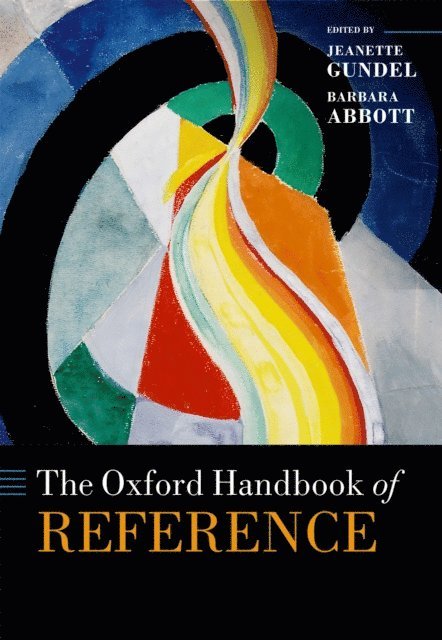
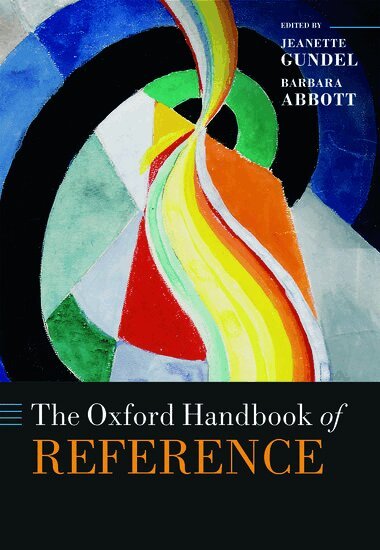
Oxford Handbook of Reference
Av Barbara Abbott, Jeanette Gundel
E-bok, 2019
1888 kr
Lägg i varukorg
This handbook presents an overview of the phenomenon of reference - the ability to refer to and pick out entities - which is an essential part of human language and cognition. In the volume''s 21 chapters, international experts in the field offer a critical account of all aspects of reference from …
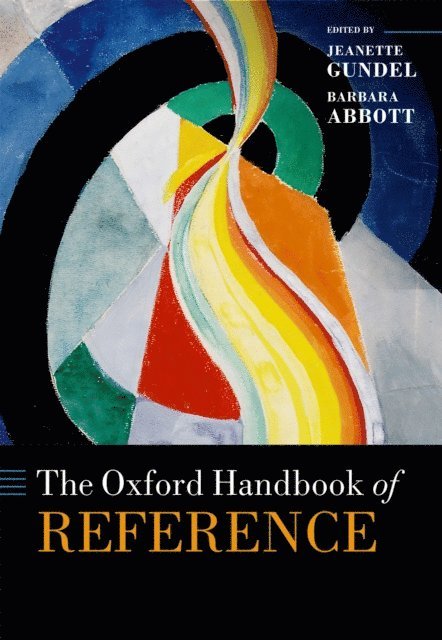
Oxford Handbook of Reference
Av Barbara Abbott, Jeanette Gundel
E-bok, 2019
1888 kr
Lägg i varukorg
This handbook presents an overview of the phenomenon of reference - the ability to refer to and pick out entities - which is an essential part of human language and cognition. In the volume''s 21 chapters, international experts in the field offer a critical account of all aspects of reference from …
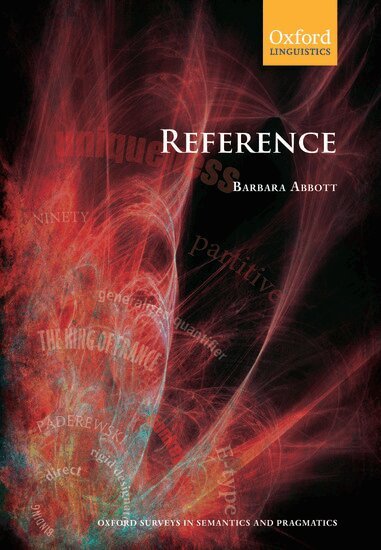
Reference
E-bok, 2010
604 kr
Lägg i varukorg
This book introduces the most important problems of reference and considers the solutions that have been proposed to explain them. Reference is at the centre of debate among linguists and philosophers and, as Barbara Abbott shows, this has been the case for centuries. She begins by examining the …
Reference
E-bok, 2010
604 kr
Lägg i varukorg
This book introduces the most important problems of reference and considers the solutions that have been proposed to explain them. Reference is at the centre of debate among linguists and philosophers and, as Barbara Abbott shows, this has been the case for centuries. She begins by examining the …
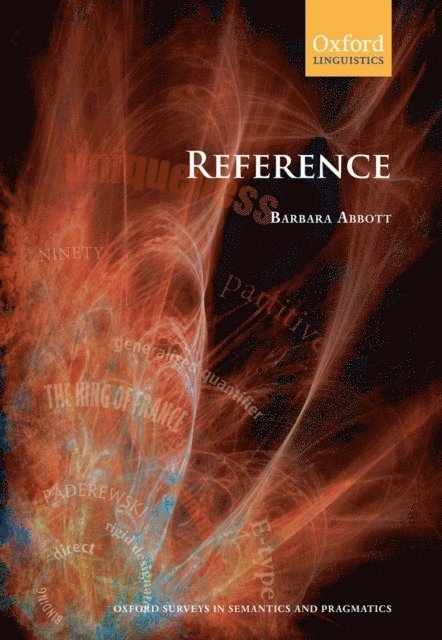
Reference
Inbunden, 2010
1919 kr
Lägg i varukorg
This book introduces the most important problems of reference and considers the solutions that have been proposed to explain them. Reference is at the centre of debate among linguists and philosophers and, as Barbara Abbott shows, this has been the case for centuries. She begins by examining the …
Reference
Häftad, 2010
1054 kr
Lägg i varukorg
This book introduces the most important problems of reference and considers the solutions that have been proposed to explain them. Reference is at the centre of debate among linguists and philosophers and, as Barbara Abbott shows, this has been the case for centuries. She begins by examining the …
The Oxford Handbook of Reference
Av Abbott Gundel, Jeanette Gundel m. fl.
Inbunden, 2019
2705 kr
Lägg i varukorg
This handbook presents an overview of the phenomenon of reference - the ability to refer to and pick out entities - which is an essential part of human language and cognition. In the volume's 21 chapters, international experts in the field offer a critical account of all aspects of reference from a …