Barbara Bonelli – författare
2 150 kr
Skickas inom 10-15 vardagar
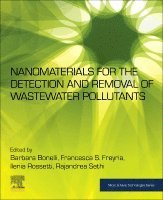
Nanomaterials for the Detection and Removal of Wastewater Pollutants assesses the role of nanotechnology and nanomaterials in improving both the detection and removal of inorganic and organic contaminants from wastewater that originates from municipal and industrial plants. The book covers how nanotechnology is being used to remove common contaminants, including dyes, chlorinated solvents, nitrites/nitrates, and emerging contaminants, such as pharmaceuticals, personal care products and pesticides. Sections cover nanofiltration, adsorption and remediation. Nanomaterial immobilization recovery is also addressed, along with the quantification of heat/mass transport limitations, sizing aspects and transport phenomena. Finally, regulatory aspects regarding contaminants and nanoparticles in the environment are covered.
This book is an important resource for both materials scientists and environmental scientists looking to see how nanotechnology can play a role in making wastewater a less hazardous part of the global ecosystem.
Addresses the role of new nanotechnology-based solutions for the detection and removal of common and emerging contaminants Discusses the environmental impact of nanoparticles used in wastewater contaminant detection and removal Explores the major challenges for using nanomaterials to detect and remove contaminants from wastewater3 026 kr
Läs direkt efter köp
1 091 kr
Skickas inom 10-15 vardagar
1 367 kr
Läs direkt efter köp
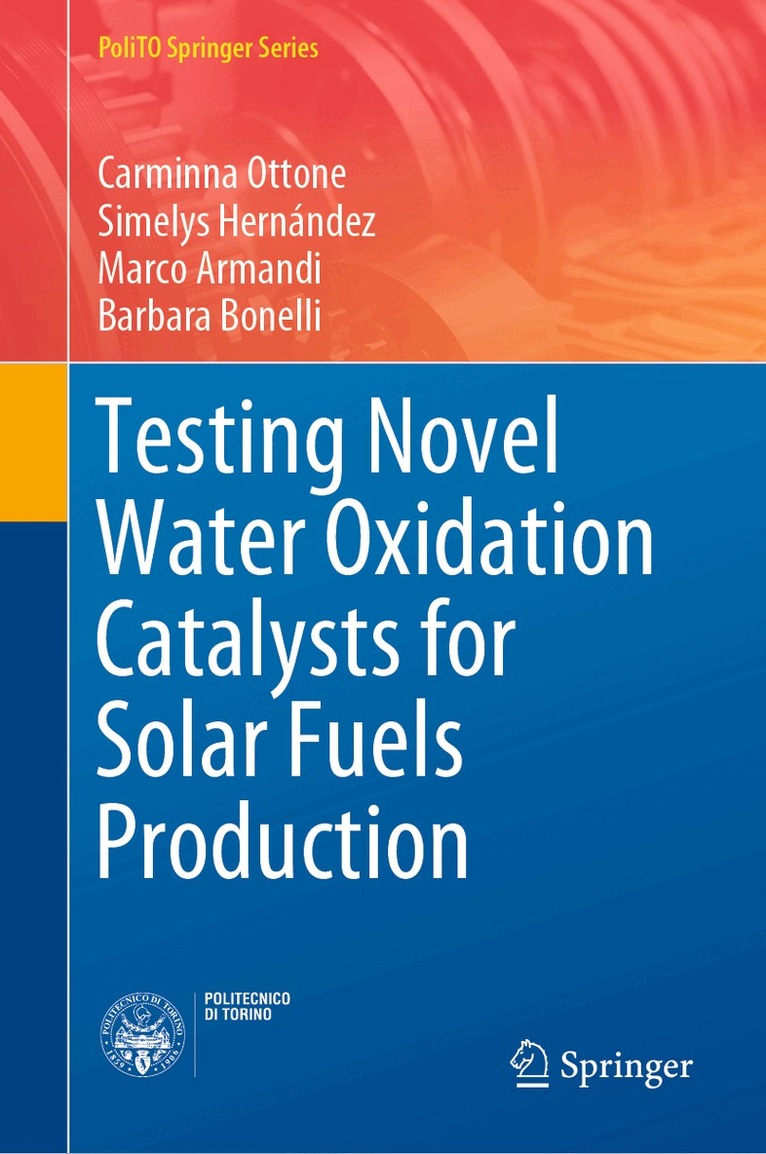
This book offers comprehensive information on the main techniques for measuring water-oxidation-catalyst (WOC) performance, with a particular focus on the combined use of sacrificial oxidants and dyes within closed-batch reactors. It provides an overview of the latest advances in the synthesis of more efficient WOCs, followed by an analysis of the requirements for sustainable energy production. Readers will find a detailed description of the reaction mechanism used in catalyst assessment systems, which reveals the benefits and limitations of the most common sacrificial oxidant/dye pair. Experimental techniques including electrochemical methods for characterizing novel and non-photoactive WOCs are also described.
Throughout the book, various manganese oxides are used as examples of the techniques reviewed or proposed systems. Cost considerations and technological perspectives of the scale-up of solar-driven hydrogen production are also addressed. Lastly, the book presents lessons learned from the implementation of a large-scale real-world device.1 091 kr
Skickas inom 10-15 vardagar