Barbara Dowds – författare
Visar alla böcker från författaren Barbara Dowds. Handla med fri frakt och snabb leverans.
8 produkter
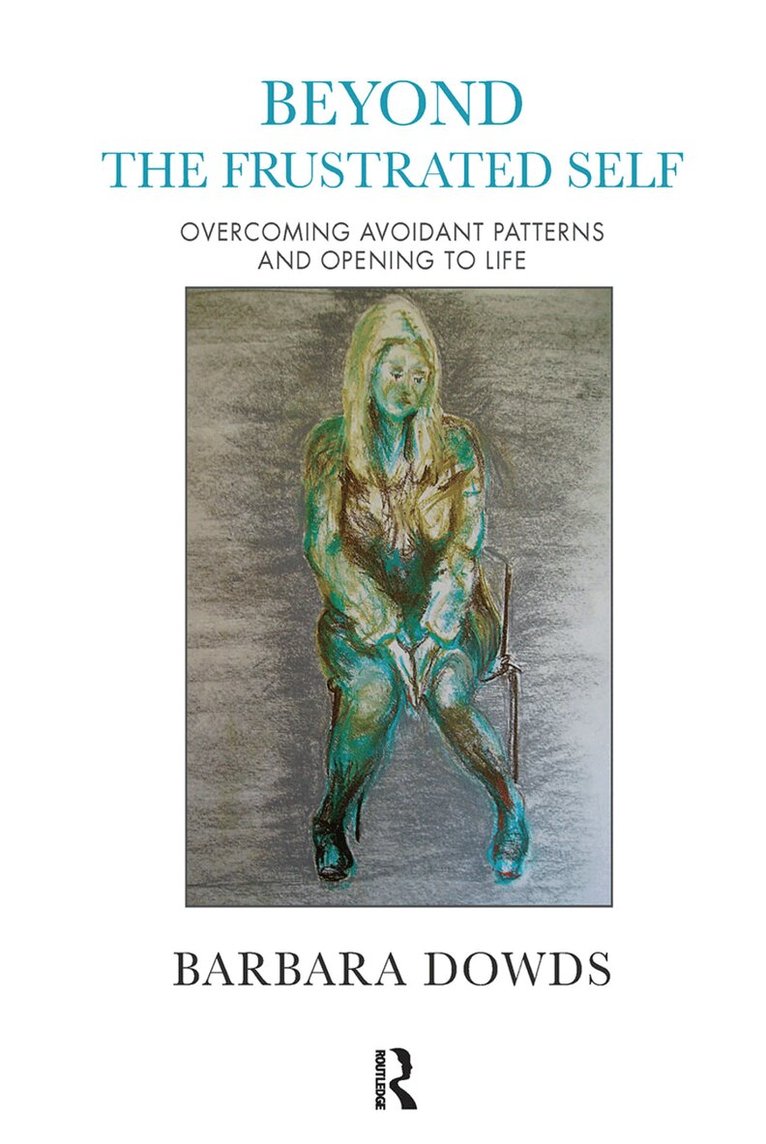
Beyond the Frustrated Self
Overcoming Avoidant Patterns and Opening to Life
Inbunden, 2019
2066 kr
Lägg i varukorg
This book foregrounds the life struggles of an individual, Brenda, in such a way that argument and theoretical exploration arise organically out of experience. The "frustration" of the title is traced to avoidant attachment - pretending not to need others. In Brenda this is associated with a …
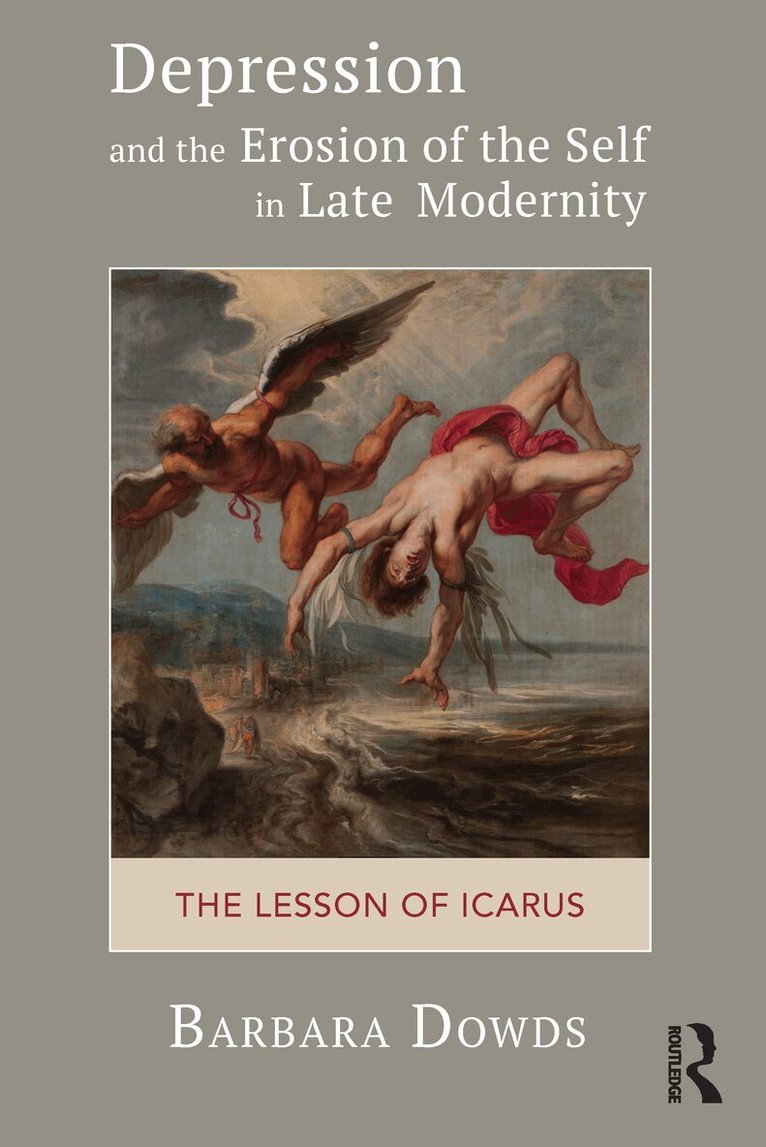
Depression and the Erosion of the Self in Late Modernity
The Lesson of Icarus
E-bok, 2018
659 kr
Lägg i varukorg
Depression is not a disease of the brain, a genetic disability or even a mood disorder. Rather, shutdown, numbness or sadness are non-pathological adaptations to adverse childhood and adult environments. This challenging book thus understands depression as a wise response to an unliveable …
Depression and the Erosion of the Self in Late Modernity
The Lesson of Icarus
E-bok, 2018
673 kr
Lägg i varukorg
Depression is not a disease of the brain, a genetic disability or even a mood disorder. Rather, shutdown, numbness or sadness are non-pathological adaptations to adverse childhood and adult environments. This challenging book thus understands depression as a wise response to an unliveable …
Beyond the Frustrated Self
Overcoming Avoidant Patterns and Opening to Life
E-bok, 2018
657 kr
Lägg i varukorg
This book foregrounds the life struggles of an individual, Brenda, in such a way that argument and theoretical exploration arise organically out of experience. The "frustration" of the title is traced to avoidant attachment - pretending not to need others. In Brenda this is associated with a …
Beyond the Frustrated Self
Overcoming Avoidant Patterns and Opening to Life
E-bok, 2018
642 kr
Lägg i varukorg
This book foregrounds the life struggles of an individual, Brenda, in such a way that argument and theoretical exploration arise organically out of experience. The "frustration" of the title is traced to avoidant attachment - pretending not to need others. In Brenda this is associated with a …
Beyond the Frustrated Self
Overcoming Avoidant Patterns and Opening to Life
Häftad, 2014
557 kr
Lägg i varukorg
This book foregrounds the life struggles of an individual, Brenda, in such a way that argument and theoretical exploration arise organically out of experience. The "frustration" of the title is traced to avoidant attachment - pretending not to need others. In Brenda this is associated with a …
Depression and the Erosion of the Self in Late Modernity
The Lesson of Icarus
Häftad, 2017
571 kr
Lägg i varukorg
Depression is not a disease of the brain, a genetic disability or even a mood disorder. Rather, shutdown, numbness or sadness are non-pathological adaptations to adverse childhood and adult environments. This challenging book thus understands depression as a wise response to an unliveable …
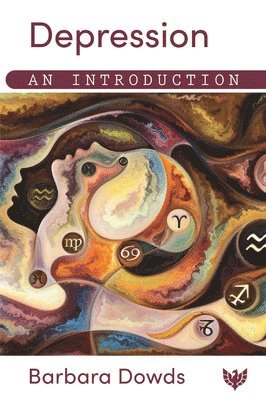
Depression
An Introduction
Häftad, 2021
301 kr
Lägg i varukorg
This book attempts to do justice to the depth and complexity of depression – as to its causes and its treatment in psychotherapy. It challenges the reductive medical view of depression as a serotonin deficiency resulting in a collection of undesirable symptoms to be dispatched with antidepressants …