Barbara Sprung – författare
Visar alla böcker från författaren Barbara Sprung. Handla med fri frakt och snabb leverans.
8 produkter
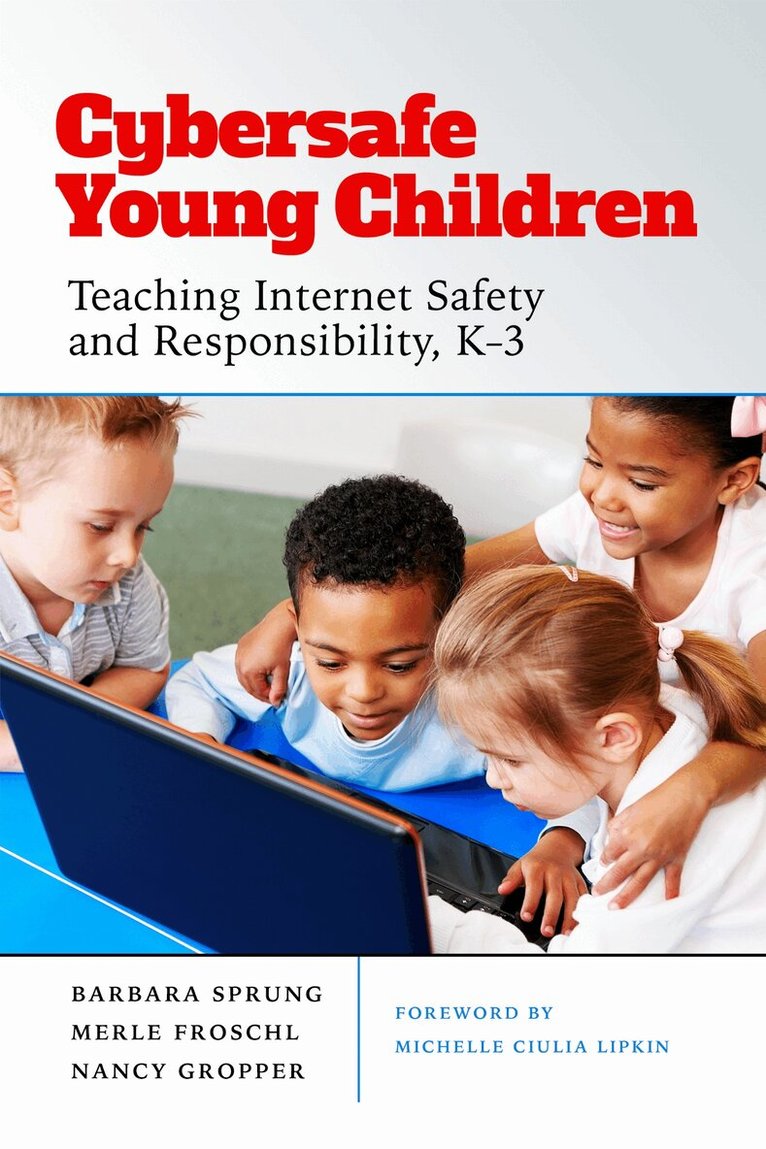
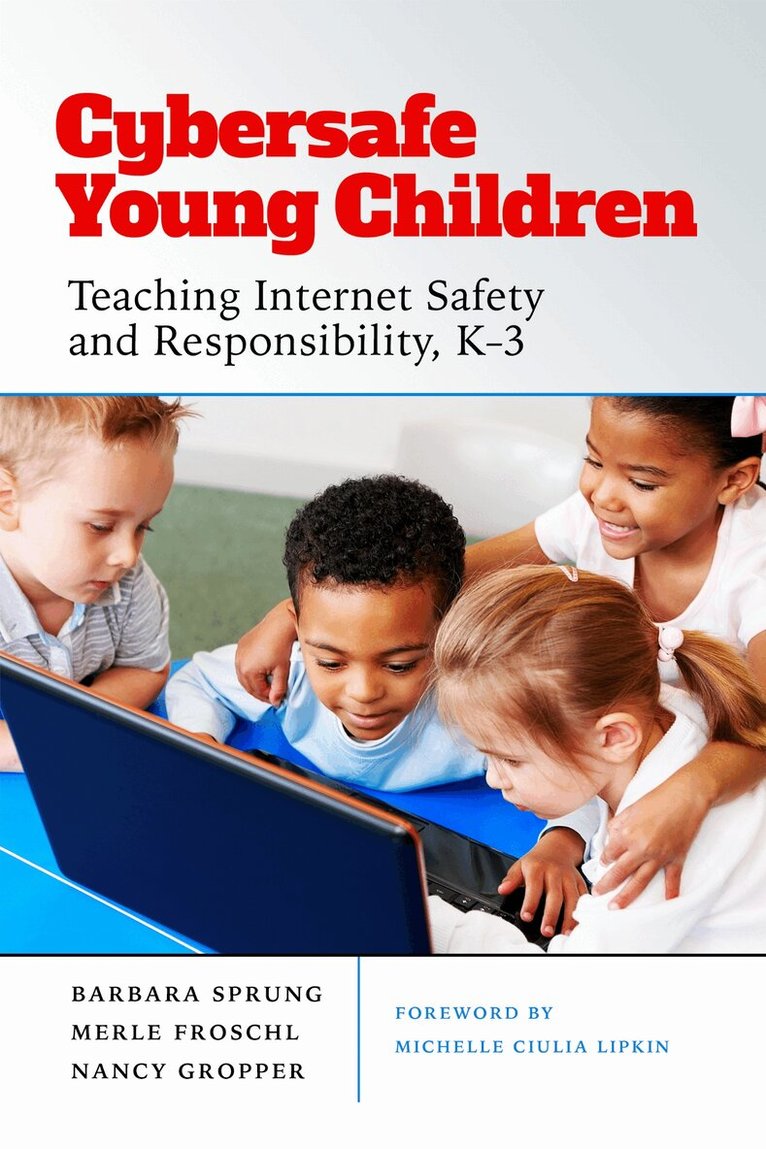
Cybersafe Young Children
Teaching Internet Safety and Responsibility, K–3
Av Barbara Sprung, Merle Froschl m. fl.
Häftad, 2020
332 kr
Lägg i varukorg
Learn how to integrate lessons about good digital citizenship into the daily life of the early childhood classroom. Based on reviews of empirical research, this book addresses the need for a new educational paradigm that will enable educators to help young children develop the skills and ethical …
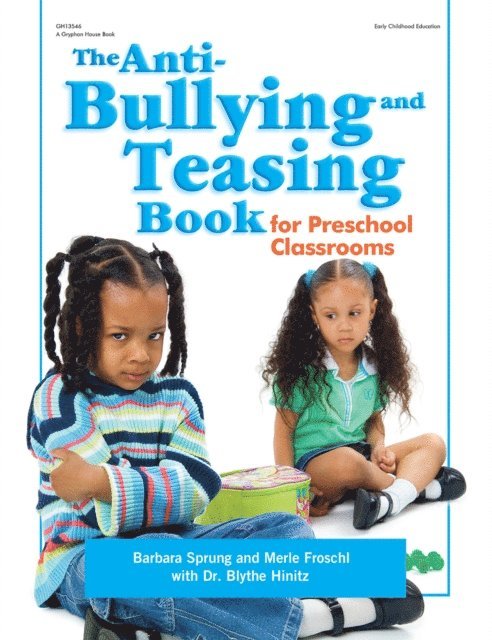
Anti-Bullying and Teasing Book
For Preschool Classrooms
Av Blythe Hinitz, Merle Froschl m. fl.
E-bok, 2005
235 kr
Lägg i varukorg
In preschool, children encounter their first experiences in forming and joining social groups outside their family. It is natural for them to experiment with social interactions while learning about their world. In this guide, teasing and bullying are addressed as a continuum of intentionally …
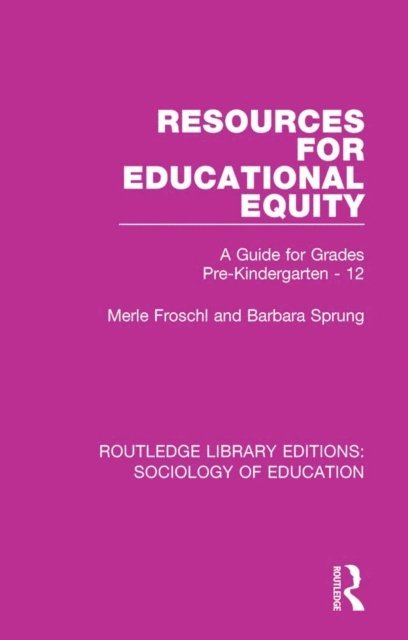
Resources for Educational Equity
A Guide for Grades Pre-Kindergarten - 12
Av Merle Froschl, Barbara Sprung
Inbunden, 2017
2066 kr
Lägg i varukorg
This title, first published in 1988, provides a comprehensive compilation of resources to help teachers and policy makers locate the materials they need to create equitable curriculum and classroom environments. While its primary focus is on girls and women, Resources for Educational Equity takes a …
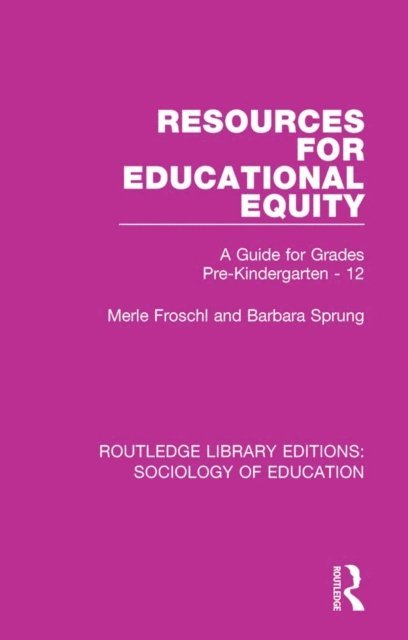
Resources for Educational Equity
A Guide for Grades Pre-Kindergarten - 12
Av Merle Froschl, Barbara Sprung
Häftad, 2018
599 kr
Lägg i varukorg
This title, first published in 1988, provides a comprehensive compilation of resources to help teachers and policy makers locate the materials they need to create equitable curriculum and classroom environments. While its primary focus is on girls and women, Resources for Educational Equity takes a …
Resources for Educational Equity
A Guide for Grades Pre-Kindergarten - 12
Av Barbara Sprung, Merle Froschl
E-bok, 2017
727 kr
Lägg i varukorg
This title, first published in 1988, provides a comprehensive compilation of resources to help teachers and policy makers locate the materials they need to create equitable curriculum and classroom environments. While its primary focus is on girls and women, Resources for Educational Equity takes a …
Resources for Educational Equity
A Guide for Grades Pre-Kindergarten - 12
Av Barbara Sprung, Merle Froschl
E-bok, 2017
727 kr
Lägg i varukorg
This title, first published in 1988, provides a comprehensive compilation of resources to help teachers and policy makers locate the materials they need to create equitable curriculum and classroom environments. While its primary focus is on girls and women, Resources for Educational Equity takes a …
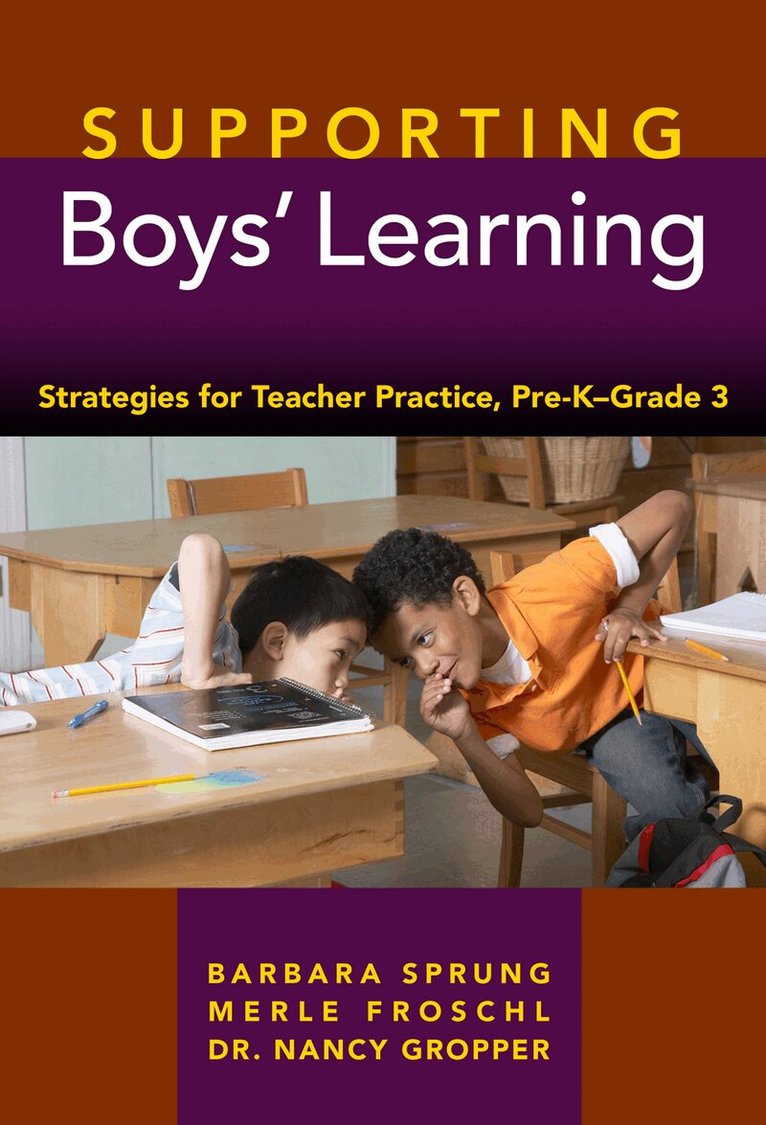
Supporting Boys' Learning
Strategies for Teacher Practice, Pre-K - Grade 3
Av Barbara Sprung, Merle Froschl m. fl.
Häftad, 2010
319 kr
Tillfälligt slut
Helps teachers develop knowledge and strategies for teaching boys in ways that build on their strengths, respect their individual development levels, and adhere to principles of child development. Research has raised concerns about boys' vulnerability in terms of social-emotional development, …
Cybersafe Young Children
Teaching Internet Safety and Responsibility
Av Barbara Sprung, Merle Froschl m. fl.
Inbunden, 2020
983 kr
Tillfälligt slut
Learn how to integrate lessons about good digital citizenship into the daily life of the early childhood classroom. Based on reviews of empirical research, this book addresses the need for a new educational paradigm that will enable educators to help young children develop the skills and ethical …