Barbara Thiede - Böcker
Visar alla böcker från författaren Barbara Thiede. Handla med fri frakt och snabb leverans.
6 produkter
6 produkter
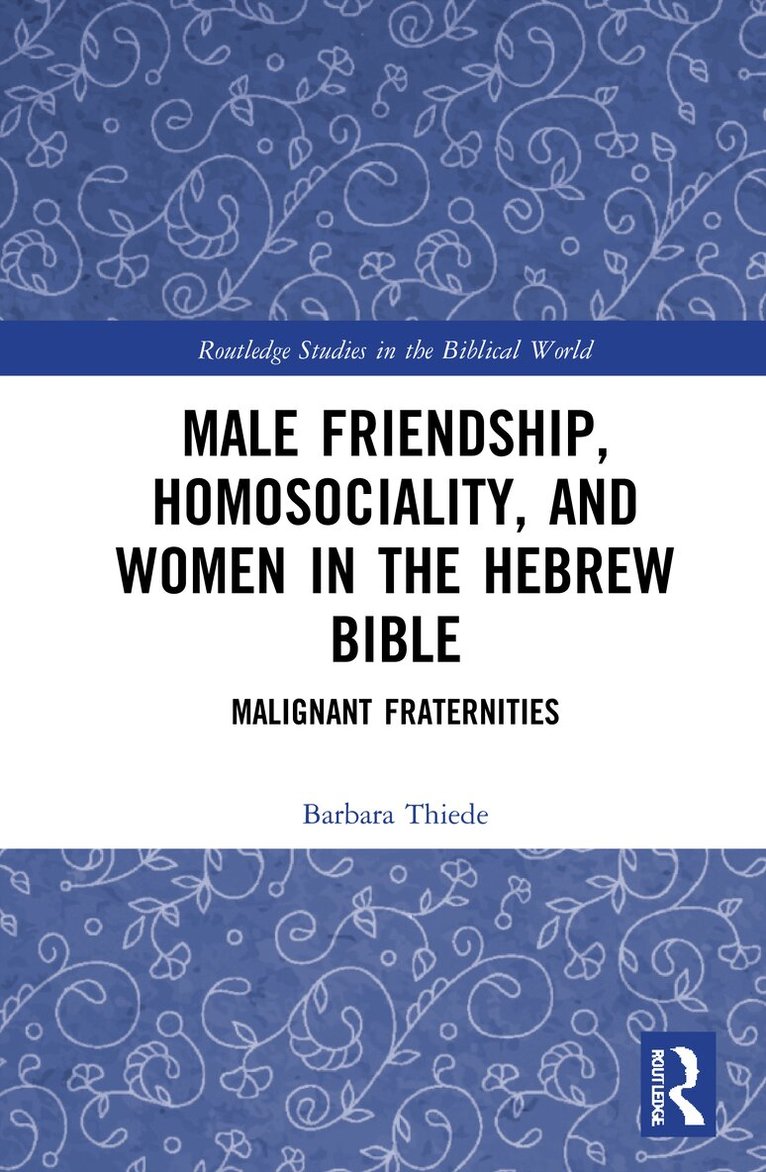
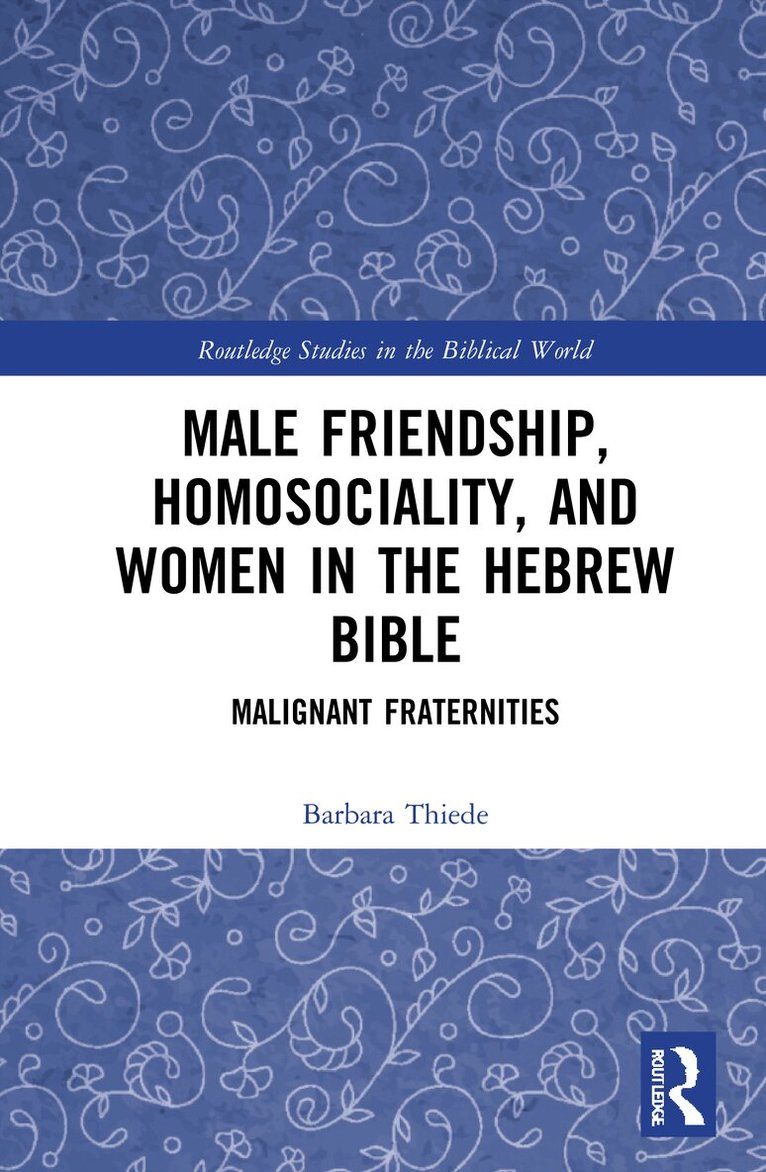
Male Friendship, Homosociality, and Women in the Hebrew Bible
Malignant Fraternities
Inbunden, Engelska, 2021
2 098 kr
Skickas inom 10-15 vardagar
Male alliances, partnerships, and friendships are fundamental to the Hebrew Bible. This book offers a detailed and explicit exploration of the ways in which shared sexual use of women and women’s bodies engenders, sustains, and nourishes such relationships in the Hebrew Bible.Hebrew Bible narratives demonstrate that women and women’s bodies are not merely used to foster and cultivate male homosociality, male friendship, and toxic hegemonic masculinity, but rather to engender them and make them possible in the first place. Thiede argues that homosocial bonds between divine and mortal males are part of a continual competition for power, rank, and honor, and that this competition depends on women’s bodies for its expression. In a final chapter, she also explores whether female characters in the Hebrew Bible use male bodies to form friendships and alliances to advance female power, status, and rank. The book concludes by arguing that women are essential to the toxic biblical hegemonic masculinity we find in the Hebrew Bible, but only because their bodies are used to make it possible in the first place.This book is intended for scholars of the Hebrew Bible, as well as advanced undergraduate and graduate students in religious studies, women and gender studies, masculinity studies, queer studies, and like fields. The book can also be read profitably by lay students of biblical literature, seminary students, and clergy.
756 kr
Skickas inom 10-15 vardagar
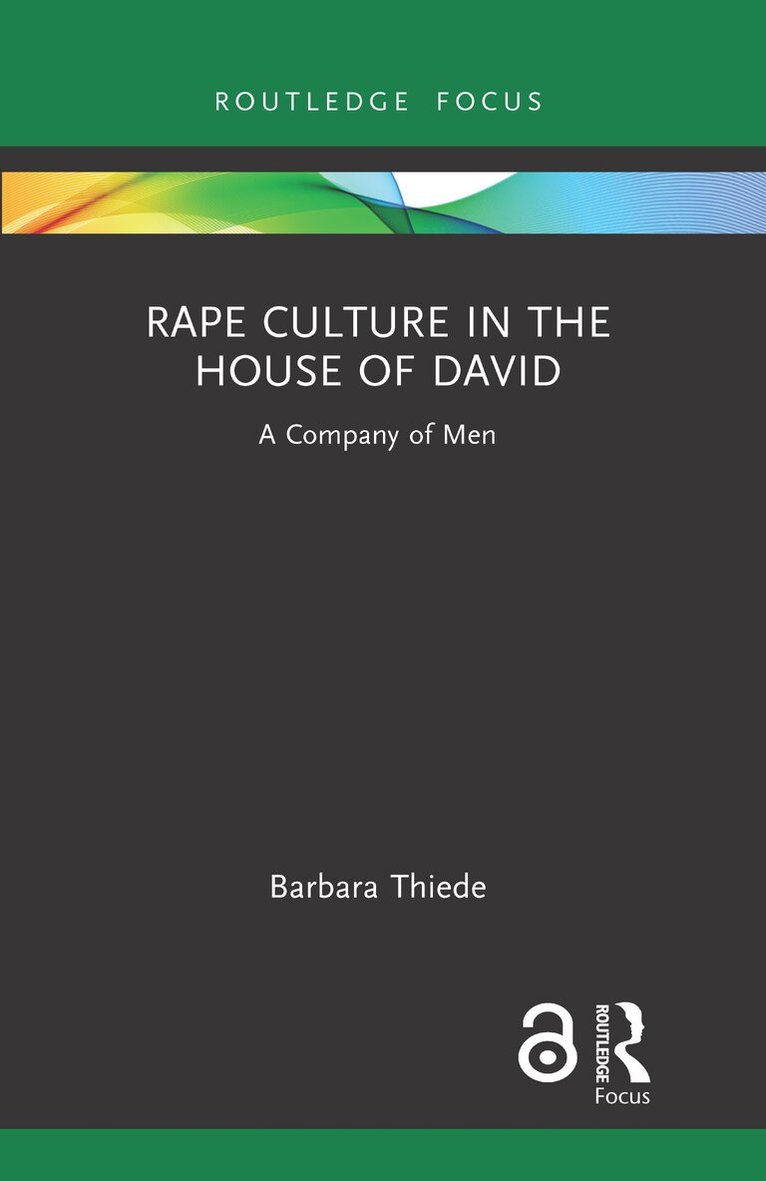
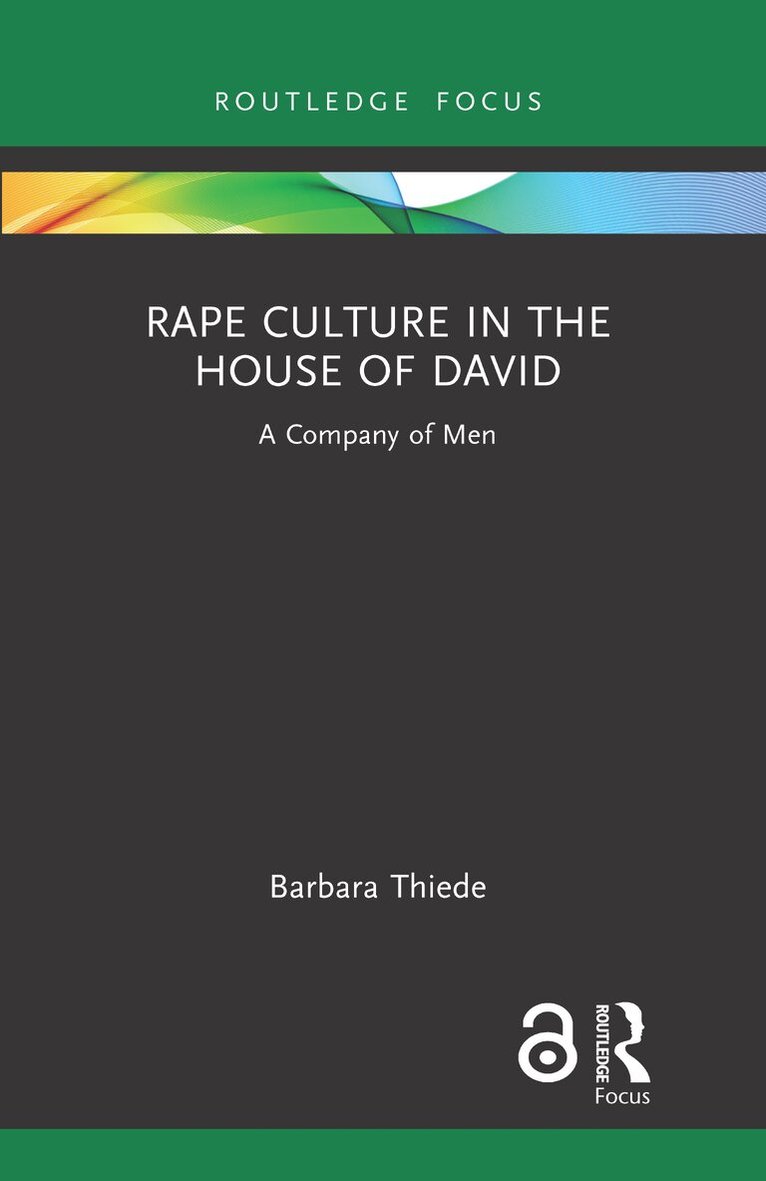
Rape Culture in the House of David: A Company of Men describes a biblical rape culture sustained and maintained by Yhwh and a host of men—from royal kings and princes to their relatives, counselors, generals, and servants.This volume reveals that sexual violence in the house of David is not simply perpetrated by its most powerful men. Rather, in the pursuit of power, status, authority, and honor, men form alliances and networks that support the use and abuse of women’s bodies and valorize sexualized violence against other men. The man who is most capable of sexual violence is Israel’s ideal king.Barbara Thiede deftly addresses the power and contemporary relevance of these narratives and argues that exposing and naming rape culture in biblical literature is essential—in social, economic, and political realms.This is a meaningful feminist intervention in the field of biblical studies and is of great benefit to graduate students and scholars of religion, gender studies, and masculinity studies.The Open Access version of this book, available at http://www.taylorfrancis.com, has been made available under a Creative Commons Attribution-Non Commercial-No Derivatives (CC BY-NC-ND) 4.0 license
1 406 kr
Kommande
Barbara Thiede presents an exploration of Yhwh as a complex character who models biblical masculinity by forming intimate relationships with his people Israel in the service of establishing his power and authority. Divine Masculinity in the Books of Samuel reveals that the Israelite deity’s relationships with Israel, the prophet Samuel, King Saul, and King David feature a wide-ranging emotional palette. Yhwh’s intense bonds with his men produce shifting and unstable male alliances and networks, which are homoerotic and often triangular. As Israel’s über-man, his character demonstrates that biblical masculinity is assertive, forceful, jealous, vulnerable, and controlling.Thiede illustrates how emotion is made to serve divine agenda and divine might is established and maintained through emotions and emotional display in the Books of Samuel. Yhwh is womanless, but the men he chooses to serve him may be brought to the height of ecstasy, emotionally abused, and sexually humiliated. The book demonstrates that Yhwh’s emotional and sexual life revolves around his relationships with other male characters, exposing the uncompromising hegemonic masculinity that undergirds the biblical world.
Male Friendship, Homosociality, and Women in the Hebrew Bible
Malignant Fraternities
Häftad, Engelska, 2024
579 kr
Skickas inom 10-15 vardagar
Male alliances, partnerships, and friendships are fundamental to the Hebrew Bible. This book offers a detailed and explicit exploration of the ways in which shared sexual use of women and women’s bodies engenders, sustains, and nourishes such relationships in the Hebrew Bible.Hebrew Bible narratives demonstrate that women and women’s bodies are not merely used to foster and cultivate male homosociality, male friendship, and toxic hegemonic masculinity, but rather to engender them and make them possible in the first place. Thiede argues that homosocial bonds between divine and mortal males are part of a continual competition for power, rank, and honor, and that this competition depends on women’s bodies for its expression. In a final chapter, she also explores whether female characters in the Hebrew Bible use male bodies to form friendships and alliances to advance female power, status, and rank. The book concludes by arguing that women are essential to the toxic biblical hegemonic masculinity we find in the Hebrew Bible, but only because their bodies are used to make it possible in the first place.This book is intended for scholars of the Hebrew Bible, as well as advanced undergraduate and graduate students in religious studies, women and gender studies, masculinity studies, queer studies, and like fields. The book can also be read profitably by lay students of biblical literature, seminary students, and clergy.
293 kr
Skickas inom 10-15 vardagar
Rape Culture in the House of David: A Company of Men describes a biblical rape culture sustained and maintained by Yhwh and a host of men—from royal kings and princes to their relatives, counselors, generals, and servants.This volume reveals that sexual violence in the house of David is not simply perpetrated by its most powerful men. Rather, in the pursuit of power, status, authority, and honor, men form alliances and networks that support the use and abuse of women’s bodies and valorize sexualized violence against other men. The man who is most capable of sexual violence is Israel’s ideal king.Barbara Thiede deftly addresses the power and contemporary relevance of these narratives and argues that exposing and naming rape culture in biblical literature is essential—in social, economic, and political realms.This is a meaningful feminist intervention in the field of biblical studies and is of great benefit to graduate students and scholars of religion, gender studies, and masculinity studies.The Open Access version of this book, available at http://www.taylorfrancis.com, has been made available under a Creative Commons Attribution-Non Commercial-No Derivatives (CC BY-NC-ND) 4.0 license
712 kr
Skickas inom 10-15 vardagar
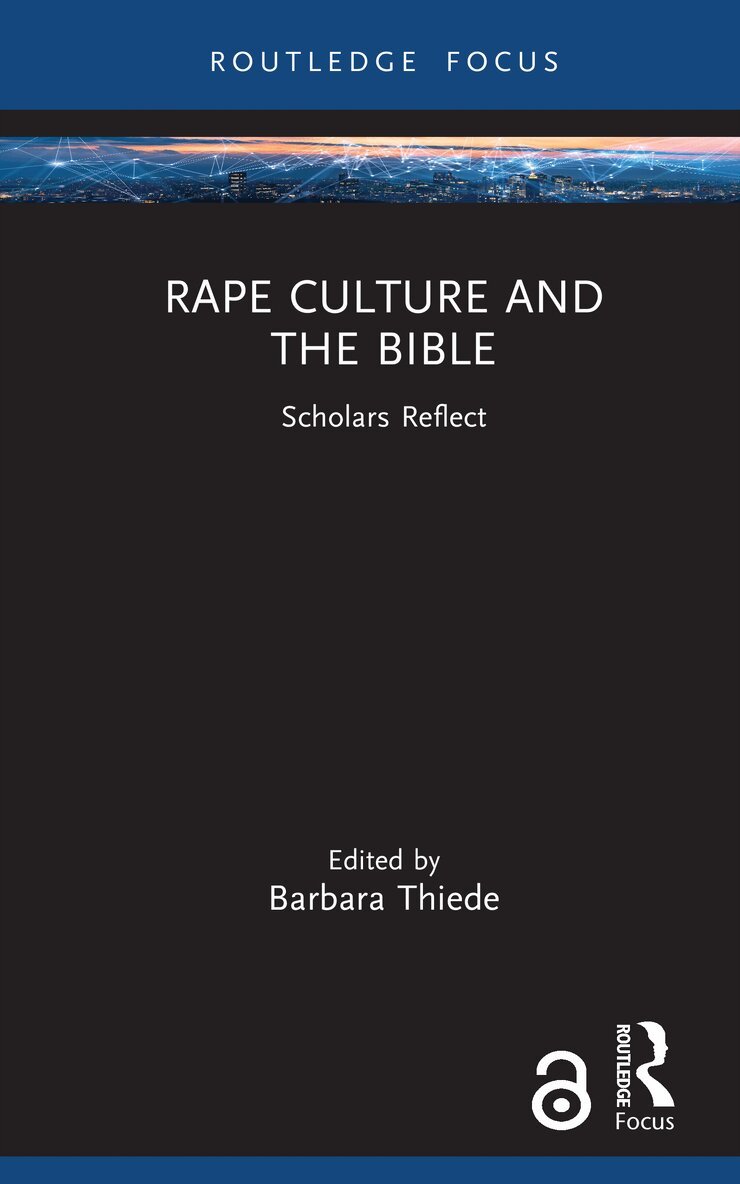
Rape Culture and the Bible: Scholars Reflect offers readers the opportunity to hear from prominent and influential biblical scholars and scholar activists as they reflect on their work on sexual violence vis-a-vis the Bible. This book covers major points of inquiry in the field, focusing primarily on the Hebrew Bible and the New Testament. It explores debates on appropriate terminology; intersectionality of sexual violence, gender, and race; how survivor perspectives inform the reading of violent texts; male-on-male sexualized violence in biblical literature; and the connections of Judeophobia with sexual violence in early Christian literature. The introductory chapter establishes methodology, purpose, and aims of this volume. The final chapter reflects on the ethical concerns governing the field, challenges scholars have faced in their discipline, and the tasks ahead. Along the way, Rape Culture and the Bible demonstrates how rape and rape culture in the Bible impact real lives across time and the globe.The Open Access version of this book, available at http://www.taylorfrancis.com, has been made available under a Creative Commons Attribution-Non Commercial-No Derivatives (CC BY-NC-ND) 4.0 license.