Barbara Watson Andaya – författare
Visar alla böcker från författaren Barbara Watson Andaya. Handla med fri frakt och snabb leverans.
10 produkter
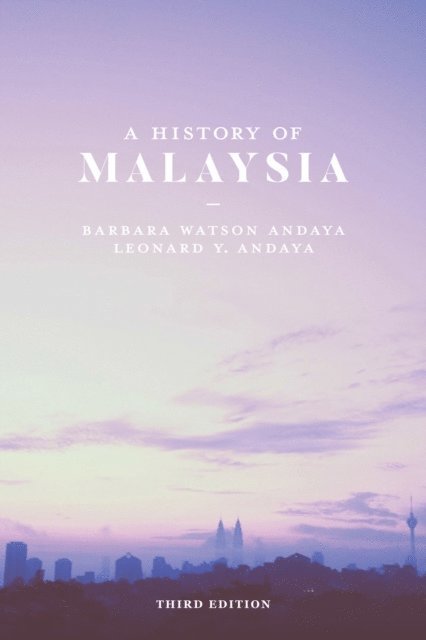
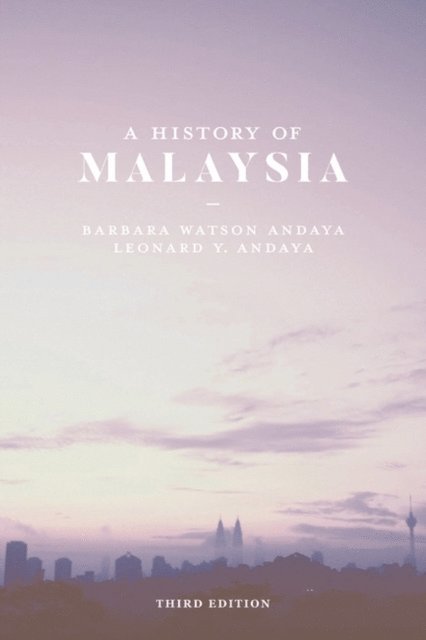
History of Malaysia
Av Barbara Watson Andaya, Leonard Y. Andaya
Häftad, 2016
497 kr
Lägg i varukorg
First published in 1982, this text is widely regarded as a leading general history of the country. This new and revised edition brings the story of this fascinating country up to date, incorporating the latest scholarship on every period of Malaysian history, including recent research into …
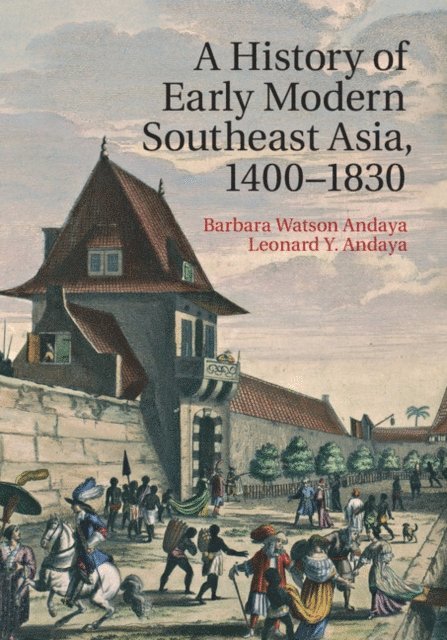
A History of Early Modern Southeast Asia, 1400-1830
Av Barbara Watson Andaya, Leonard Y. Andaya
Häftad, 2015
687 kr
Lägg i varukorg
Written by two experienced teachers with a long history of research, this textbook provides students with a detailed overview of developments in early modern Southeast Asia, when the region became tightly integrated into the world economy because of international demand for its unique forest and …
History of Malaysia
Av Barbara Watson Andaya, Leonard Y. Andaya
Inbunden, 2016
1535 kr
Lägg i varukorg
First published in 1982, this text is widely regarded as a leading general history of the country. This new and revised edition brings the story of this fascinating country up to date, incorporating the latest scholarship on every period of Malaysian history, including recent research into …
A History of Early Modern Southeast Asia, 1400-1830
Av Barbara Watson Andaya, Leonard Y. Andaya
Inbunden, 2015
1329 kr
Lägg i varukorg
Written by two experienced teachers with a long history of research, this textbook provides students with a detailed overview of developments in early modern Southeast Asia, when the region became tightly integrated into the world economy because of international demand for its unique forest and …
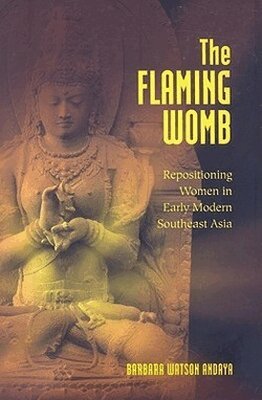
Flaming Womb
Repositioning Women in Early Modern Southeast Asia
Häftad, 2008
252 kr
Lägg i varukorg
The Princess of the Flaming Womb," the Javanese legend that introduces this pioneering study, symbolizes the many ambiguities attached to femaleness in Southeast Asian societies. Yet despite these ambiguities, the relatively egalitarian nature of male–female relations in Southeast Asia is central …
History of Malaysia
Av Barbara Watson Andaya, Leonard Y. Andaya
E-bok, 2017
546 kr
Lägg i varukorg
First published in 1982, this text is widely regarded as a leading general history of the country. This new and revised edition brings the story of this fascinating country up to date, incorporating the latest scholarship on every period of Malaysian history, including recent research into …
History of Early Modern Southeast Asia, 1400-1830
Av Leonard Y. Andaya, Barbara Watson Andaya
E-bok, 2015
672 kr
Lägg i varukorg
Written by two experienced teachers with a long history of research, this textbook provides students with a detailed overview of developments in early modern Southeast Asia, when the region became tightly integrated into the world economy because of international demand for its unique forest and …
History of Early Modern Southeast Asia, 1400-1830
Av Leonard Y. Andaya, Barbara Watson Andaya
E-bok, 2015
672 kr
Lägg i varukorg
Written by two experienced teachers with a long history of research, this textbook provides students with a detailed overview of developments in early modern Southeast Asia, when the region became tightly integrated into the world economy because of international demand for its unique forest and …
History of Malaysia
Av Barbara Watson Andaya, Leonard Y. Andaya
E-bok, 2017
546 kr
Lägg i varukorg
First published in 1982, this text is widely regarded as a leading general history of the country. This new and revised edition brings the story of this fascinating country up to date, incorporating the latest scholarship on every period of Malaysian history, including recent research into …
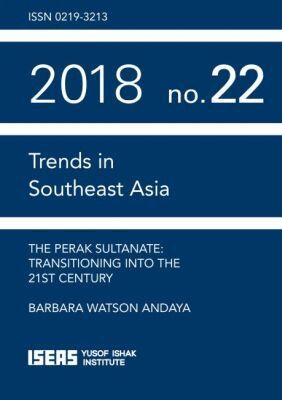
Perak Sultanate
Transitioning Into the 21st Century
Häftad, 2019
91 kr
Lägg i varukorg
Although Dr Mahathir Mohamad’s earlier government (1981–2003) limited the powers and privileges of Malaysia’s nine hereditary rulers, the political influence that they could exercise was still evident in the “Perak Crisis” of 2009, which also generated public debate about royal rights. In recent …